Understanding the Anatomy and Neurology of a Bellybutton Tickle
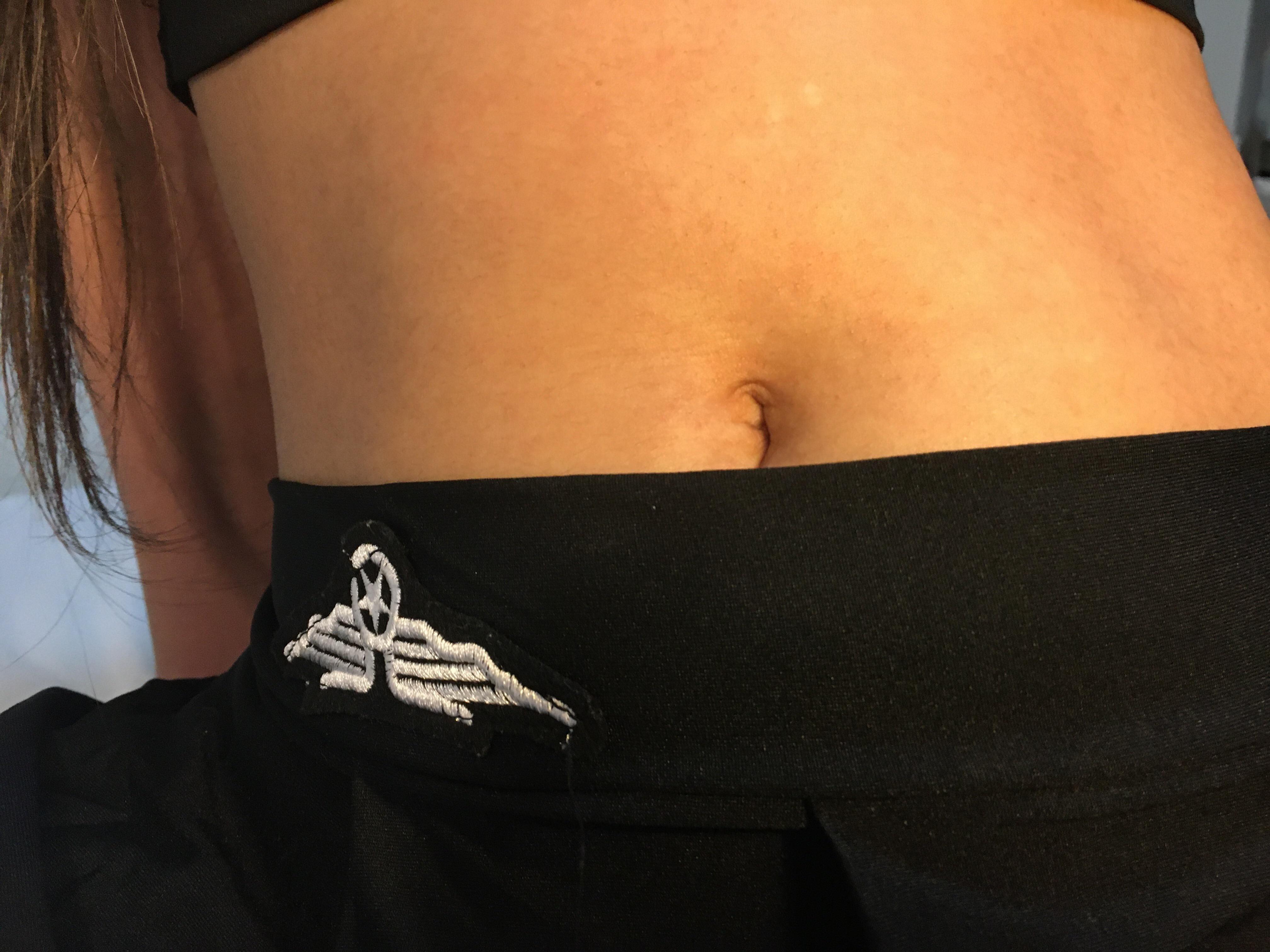
A bellybutton tickle, medically described as a visceral sensation resulting from the stimulation of the umbilicus, occurs because the navel area is richly supplied with nerve endings connected to the internal parietal peritoneum. This...
A bellybutton tickle, medically described as a visceral sensation resulting from the stimulation of the umbilicus, occurs because the navel area is richly supplied with nerve endings connected to the internal parietal peritoneum. This unique neural pathway explains why tactile input here often triggers a distinct, sometimes nauseating or intense reflex response in many individuals.
Contents
The Neuroanatomical Basis of Navel Sensitivity
The reason behind the sensation known as a bellybutton tickle is not merely superficial skin sensitivity. Unlike the skin on your forearm or back, the umbilical region contains remnants of deep-seated anatomical structures, including the umbilical cord's former attachment point and the underlying urachus and median umbilical ligament.
When you touch or press into the bellybutton, you are essentially stimulating the internal lining of the abdominal wall, known as the parietal peritoneum. This membrane is highly sensitive to pressure and touch. Because the nerve fibers that supply this area also share pathways with the nerves that innervate the bladder and urethra, the stimulation often sends a signal to the brain that can feel like a tickle or a phantom sensation in the pelvic region.
The Role of Afferent Nerve Pathways
The abdominal wall is served by the intercostal nerves. Specifically, the nerves that supply the skin around the navel are the same ones that provide sensory input to the deep viscera. This convergence of sensory data at the spinal cord level causes the brain to interpret a simple poke of the bellybutton as a complex, multi-layered sensation.
- Dermatomal Overlap: The bellybutton resides roughly at the level of the T10 dermatome.
- Visceral Projection: The sensory input does not stay localized to the skin; it is projected deeper into the abdominal cavity.
- Reflex Action: In many cases, the body initiates a protective reflex, causing the abdominal muscles to contract involuntarily to protect the underlying organs.
Clinical Observations and Potential Concerns
While a ticklish feeling in the bellybutton is a normal physiological phenomenon for most people, there are instances where the sensation changes or becomes painful. Understanding the difference between a normal tickle and a medical symptom is vital for maintaining abdominal health.
When to Monitor Your Abdominal Sensations
If the sensation shifts from a tickle to a sharp, burning, or constant pain, it may indicate an issue with the underlying structures. In 2026, medical professionals suggest observing the following indicators:
| Symptom Type | Typical Cause | Clinical Concern Level |
|---|---|---|
| Mild, ticklish sensation | Normal nerve stimulation | Low - Physiological |
| Sharp pain upon touch | Umbilical hernia | Moderate - Evaluation needed |
| Persistent redness/discharge | Omphalitis (Infection) | High - Immediate care required |
| Referred pain to the bladder | Urachal remnant issue | Moderate - Specialist consult |
Distinguishing Between Ticklishness and Medical Conditions
Many people assume that a sensitive bellybutton is simply a quirk, but it is important to rule out structural abnormalities. An umbilical hernia, for example, occurs when part of the intestine or fatty tissue protrudes through the abdominal muscles near the navel. If you feel a "tickle" that is actually a slight movement of tissue under the skin, it may be time to consult a primary care physician.
Common Misconceptions About Navel Anatomy
There is a common belief that the bellybutton is "connected" to the bladder because of the sensation that arises during stimulation. Anatomically, this is based on the median umbilical ligament, which is a vestige of the urachus—a tube that connected the fetal bladder to the umbilical cord. While it is usually fibrous and non-functional in adults, remnants can occasionally remain, which may explain why some individuals experience a strange, indirect sensation during deep navel exploration.
Hygiene and Maintenance of the Umbilical Area
Because the bellybutton is a deep, concave structure, it can accumulate sebum, dead skin cells, and lint. Maintaining hygiene is the best way to ensure that any sensation you feel is just a normal "tickle" rather than a sign of irritation or inflammation.
- Gentle Cleansing: Use a mild soap and warm water during your daily shower.
- Drying: Ensure the area is thoroughly dried after bathing, as trapped moisture creates a breeding ground for bacteria and yeast.
- Avoid Sharp Objects: Never use sharp instruments to clean inside the bellybutton, as the skin is delicate and prone to infection.
- Observation: If you notice a foul odor or unusual discharge, these are signs of an infection, not a harmless ticklish sensation.
Frequently Asked Questions
Why does poking my bellybutton make me feel like I need to urinate?
This occurs because the nerve pathways that innervate the umbilical region share spinal cord segments with those that serve the bladder. When you stimulate the parietal peritoneum inside the navel, the brain receives a confused sensory signal that can trigger a phantom feeling of bladder pressure.
Is it normal for my bellybutton to be extremely ticklish?
Yes, it is entirely normal. The navel has a higher density of nerve endings compared to the surrounding skin, and because it lacks the protective layer of subcutaneous fat present elsewhere on the torso, the nerves are more easily stimulated by light touch.
Can a bellybutton tickle be a symptom of a hernia?
A simple ticklish sensation is usually physiological, but if the area feels tender, bulges outward, or causes pain when you cough or strain, it could indicate an umbilical hernia. If you notice a persistent lump, see a healthcare provider for an examination.
Does everyone experience the same sensation in their navel?
No. Individual sensitivity varies significantly based on body composition, the depth of the navel, and the specific anatomy of one's nerve distribution. Some people find the area entirely desensitized, while others find it to be an extremely intense "tickle zone."
What is the medical term for the bellybutton?
The medical term for the bellybutton is the umbilicus. It is the scar left behind by the detachment of the umbilical cord after birth and serves as a anatomical landmark for various clinical procedures in the abdomen.
Conclusion and Professional Guidance
Understanding why a bellybutton tickle occurs allows you to distinguish between normal nervous system responses and potential medical issues. By maintaining proper hygiene and monitoring for changes in sensation, you ensure that your abdominal health remains in check. If you ever experience pain, swelling, or unusual discharge in the navel region, seek advice from a qualified medical professional to rule out conditions such as umbilical hernias or dermatological infections. Regular check-ups with your physician remain the gold standard for maintaining overall abdominal and systemic health through 2026.
Image Gallery