What Makes a Great CNA in Home Care: Essential Skills and Qualities
A great Certified Nursing Assistant (CNA) in home care combines advanced clinical competency with high emotional intelligence and the ability to work autonomously. Beyond performing activities of daily living (ADLs), they serve as the...
A great Certified Nursing Assistant (CNA) in home care combines advanced clinical competency with high emotional intelligence and the ability to work autonomously. Beyond performing activities of daily living (ADLs), they serve as the primary observers of a patient’s health, providing critical data to the larger medical team while fostering a supportive, dignified environment.
Contents
The role of a CNA has evolved significantly by 2026. As the "aging in place" movement continues to expand, the demand for highly skilled home care professionals has reached record highs. Unlike a hospital or skilled nursing facility where a supervisor is only a few steps away, home care requires a CNA to be a self-starter, a meticulous documenter, and a compassionate companion. To understand what distinguishes an average caregiver from a truly great one, we must look at the intersection of clinical skill, psychological resilience, and professional ethics.
The Clinical Foundation: Proficiency in Activities of Daily Living (ADLs)
At its core, a CNA’s primary responsibility involves assisting patients with Activities of Daily Living. A great CNA does not just complete these tasks; they perform them with a level of precision that ensures patient safety and skin integrity.
Personal Hygiene and Skin Care
In a home setting, preventing complications like pressure ulcers (bedsores) or skin tears is paramount. A great CNA is proactive rather than reactive. They understand the mechanics of proper positioning and the importance of keeping skin clean and dry. In 2026, with the integration of remote patient monitoring, CNAs often use digital tools to log skin assessments, but the physical act of "eyes-on" care remains the gold standard for prevention.
Safe Transfers and Mobility
Home environments are often not as optimized as hospital wards. A great CNA can navigate narrow hallways, varied flooring types, and domestic furniture while ensuring the patient’s safety. They are experts in using assistive devices such as gait belts, sit-to-stand lifts, and Hoyer lifts. Mastery of body mechanics is essential not only for the patient’s safety but also for the CNA’s longevity in the field, preventing the musculoskeletal injuries that often plague the profession.
Nutrition and Hydration Monitoring
In home care, a CNA often oversees meal preparation. A great CNA understands specific dietary restrictions, such as low-sodium diets for congestive heart failure or thickened liquids for dysphagia (swallowing difficulties). They do more than just "set the plate"; they monitor intake and recognize early signs of dehydration or malnutrition, which are leading causes of hospital readmission among the elderly.
Emotional Intelligence and the "Soft" Skills
While clinical skills can be taught in a classroom, the emotional intelligence (EQ) required for home care is often what separates the great from the good. Because a CNA spends hours alone with a single patient, the relationship dynamics are intense and personal.
Empathy Without Blurred Boundaries
A great CNA practices empathy by seeing the person behind the diagnosis. They recognize that a patient who is "difficult" or "combative" may actually be experiencing fear, pain, or the early stages of dementia. However, a great CNA also maintains professional boundaries. They understand that while they are a vital part of the household's daily life, they are a professional healthcare provider, not a family member or a personal friend. This distinction is vital for maintaining the objectivity needed to provide quality care.
Patience and Temperament
Home care can be slow-paced and repetitive, or it can be high-stress during a medical emergency. A great CNA possesses a calm temperament. They can handle the repetitive questions of a memory-care patient with the same kindness on the eighth hour of a shift as they did on the first. This patience prevents caregiver burnout and ensures the patient feels respected rather than like a "task" to be completed.
Autonomy and Critical Thinking in the Home Environment
In a facility, a CNA reports to a Charge Nurse who is physically present. In home care, the CNA is often the only healthcare professional in the house for hours or days at a time. This requires a high degree of autonomy and the ability to think critically.
Identifying "Change in Condition"
A great CNA is a keen observer. They notice the subtle shifts: a slight increase in confusion, a new cough, a decrease in appetite, or a change in the color of urine. These are often the first signs of a Urinary Tract Infection (UTI) or respiratory distress. In 2026, CNAs are increasingly trained in "Early Warning System" protocols, allowing them to report these subtle changes to an RN supervisor immediately, often preventing an emergency room visit.
Problem-Solving Under Pressure
What happens if the power goes out and the patient is on an oxygen concentrator? What if the patient refuses their medication? A great CNA knows the emergency protocols of their agency by heart. They can troubleshoot equipment and manage household crises without panicking, ensuring the patient remains safe until back-up or emergency services arrive.
Communication and Documentation Excellence
Communication in home care is multi-directional: it involves the patient, the patient’s family, the RN supervisor, and sometimes the primary care physician.
Clear Documentation
In 2026, electronic health records (EHR) and Electronic Visit Verification (EVV) are standard. A great CNA provides detailed, objective notes. Instead of writing "patient was fine," they write "patient ambulated 50 feet with a walker, steady gait, reported 0/10 pain." This level of detail is necessary for legal protection, insurance reimbursement, and the continuity of care.
Navigating Family Dynamics
Home care takes place in the patient’s sanctuary, which is also the family’s space. A great CNA communicates effectively with family members, offering updates without overstepping their scope of practice. They are adept at de-escalating family tensions and providing a sense of relief to "sandwich generation" caregivers who are often overwhelmed.
Comparing Home Care and Facility-Based CNA Roles
The following table highlights why certain traits are more critical in the home care setting compared to traditional facility roles.
| Feature | Facility-Based CNA | Home Care CNA | Impact on Greatness |
|---|---|---|---|
| Patient Ratio | Typically 1:8 to 1:15 | 1:1 (One-on-One) | Home care requires deeper focus on a single individual's needs. |
| Supervision | Direct, on-site RN/LPN | Remote, periodic RN visits | Home care requires higher autonomy and integrity. |
| Work Environment | Controlled, clinical | Uncontrolled, domestic | Home care requires high adaptability and safety awareness. |
| Documentation | Rapid, often checklist-based | Descriptive and narrative-focused | Great home care CNAs must be better "storytellers" of health. |
| Interpersonal | Brief interactions | Sustained companionship | Emotional intelligence is the primary tool for home care. |
Training, Certification, and the 2026 Standard
To be a CNA in 2026, individuals must meet rigorous state-specific requirements, which typically include a minimum of 75 to 120 hours of state-approved training and passing a competency exam. However, a "great" CNA pursues continuing education (CEUs) beyond the minimum requirements.
Specialized Certifications
Great CNAs often specialize in areas such as:
- Dementia and Alzheimer’s Care: Understanding the neurobiology of memory loss to better manage behaviors.
- Hospice and Palliative Care: Mastering the art of comfort and supporting patients through the end-of-life process.
- Restorative Care: Focusing on helping patients regain independence after surgery or stroke.
Adherence to HIPAA and Ethics
In a private home, the temptation to share "stories" about a patient can be higher. A great CNA is a fortress of confidentiality. They understand that HIPAA regulations apply just as strictly in a living room as they do in a hospital. They respect the patient’s privacy and their right to make choices about their own care, even when those choices are different from what the CNA would choose.
Common Challenges and How Great CNAs Overcome Them
Working in home care is not without its difficulties. Isolation is a major factor; CNAs can feel "cut off" from their peers. A great CNA stays connected to their agency, participates in virtual huddles, and utilizes the National Association of Health Care Assistants (NAHCA) or similar professional bodies for support and advocacy.
Another challenge is the physical toll. Great CNAs prioritize their own health. They understand that they cannot pour from an empty cup. By practicing proper ergonomics and seeking mental health support when dealing with patient loss, they maintain the resilience needed for a long-term career.
FAQs
What is the most important quality for a home care CNA?
While clinical skills are mandatory, reliability is often cited by families as the most important quality. Because home care is a one-on-one service, if a CNA is late or absent, the patient may be left without food, medication, or the ability to use the restroom. A great CNA views their schedule as a critical medical commitment.
Can a CNA administer medication in a home setting?
This depends heavily on state regulations. In many states, CNAs are limited to "medication reminders" or "assistance with self-administration" (e.g., opening a pill bottle). Great CNAs are strictly aware of their scope of practice and never perform tasks—such as administering injections or adjusting oxygen flow—unless they have specific state-mandated certifications (like a CMA) and agency approval.
How does a great CNA handle a patient's refusal of care?
A great CNA respects the patient’s autonomy. If a patient refuses a bath or a meal, the CNA does not force the issue. Instead, they try to understand the "why" (Is the patient tired? Cold? In pain?), document the refusal, and report it to their supervisor. They use gentle persuasion and offer alternatives rather than engaging in a power struggle.
How do CNAs stay updated on medical technology in 2026?
Most agencies now provide ongoing digital training modules. Great CNAs take advantage of these to learn about new telehealth tools, wearable health monitors, and advanced documentation software. Staying tech-savvy is no longer optional; it is a core component of modern care.
What is the difference between a CNA and a Home Health Aide (HHA)?
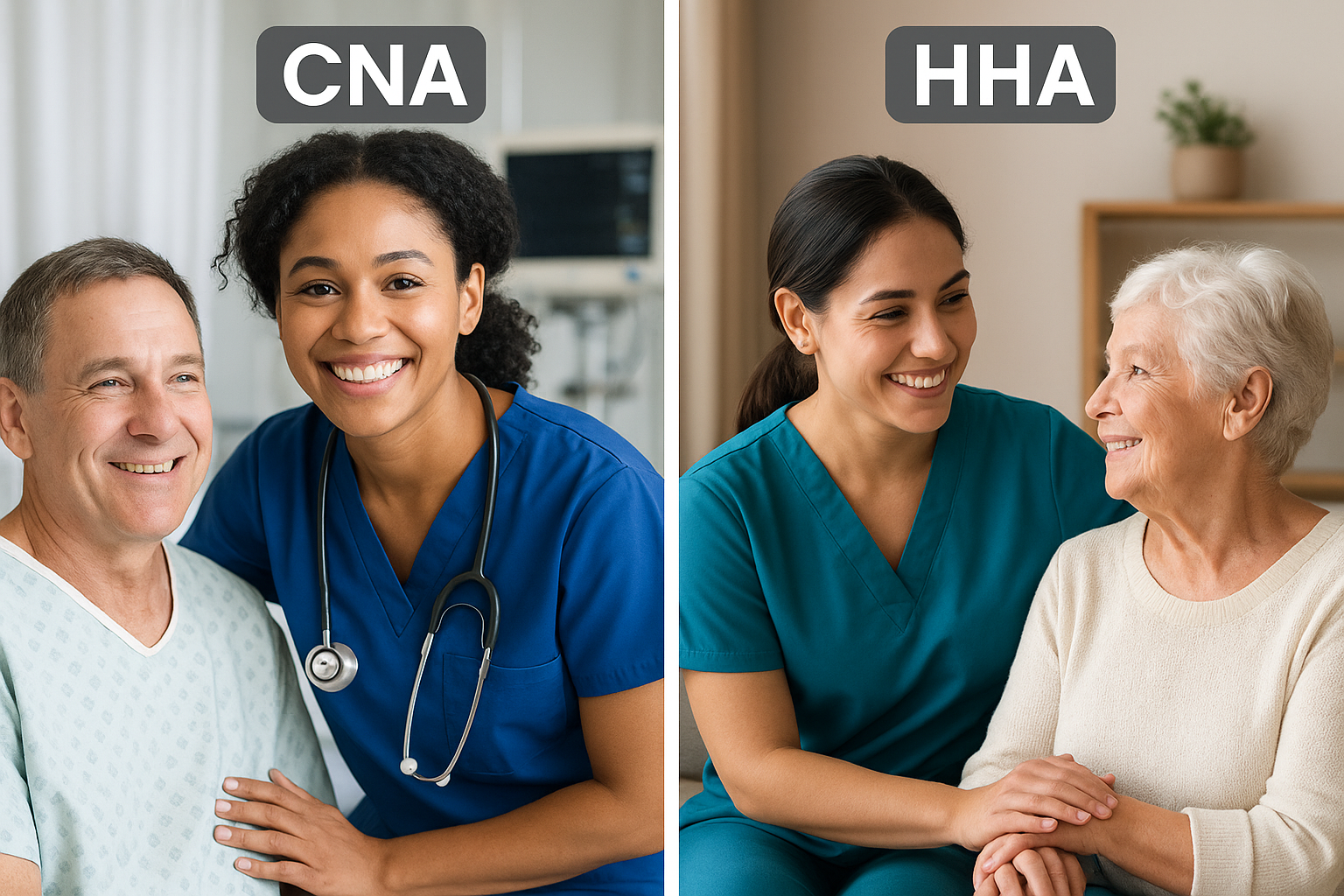
While the roles overlap, a CNA typically has more clinical training and is certified by the state Board of Nursing. An HHA may focus more on homemaking and personal care. A great CNA brings a higher level of medical oversight to the home, often identifying clinical issues that an HHA might not be trained to recognize.
Practical Recommendations for Aspiring Great CNAs
If you are looking to excel as a CNA in the home care field, your first step should be to seek out an agency that prioritizes clinical oversight and employee support. Look for organizations that provide clear protocols and 24/7 access to an RN supervisor.
Furthermore, invest in your communication skills. Taking a short course in de-escalation techniques or active listening can be just as valuable as a clinical certification. Finally, always remember that you are the guest in someone's home. The greatest CNAs are those who can provide life-sustaining medical assistance while remaining almost invisible to the patient's sense of privacy and independence.
For those seeking to verify their state’s specific requirements for 2026, consult the NCSBN (National Council of State Boards of Nursing), which maintains the most current data on nurse aide registries and competency standards across the United States.
Image Gallery