How Condoms Protect From STDs: Effectiveness, Limitations, and Best Practices
External condoms and internal condoms are highly effective at reducing the transmission of many sexually transmitted diseases (STDs) by creating a physical barrier that prevents contact with infectious bodily fluids and some infected s...
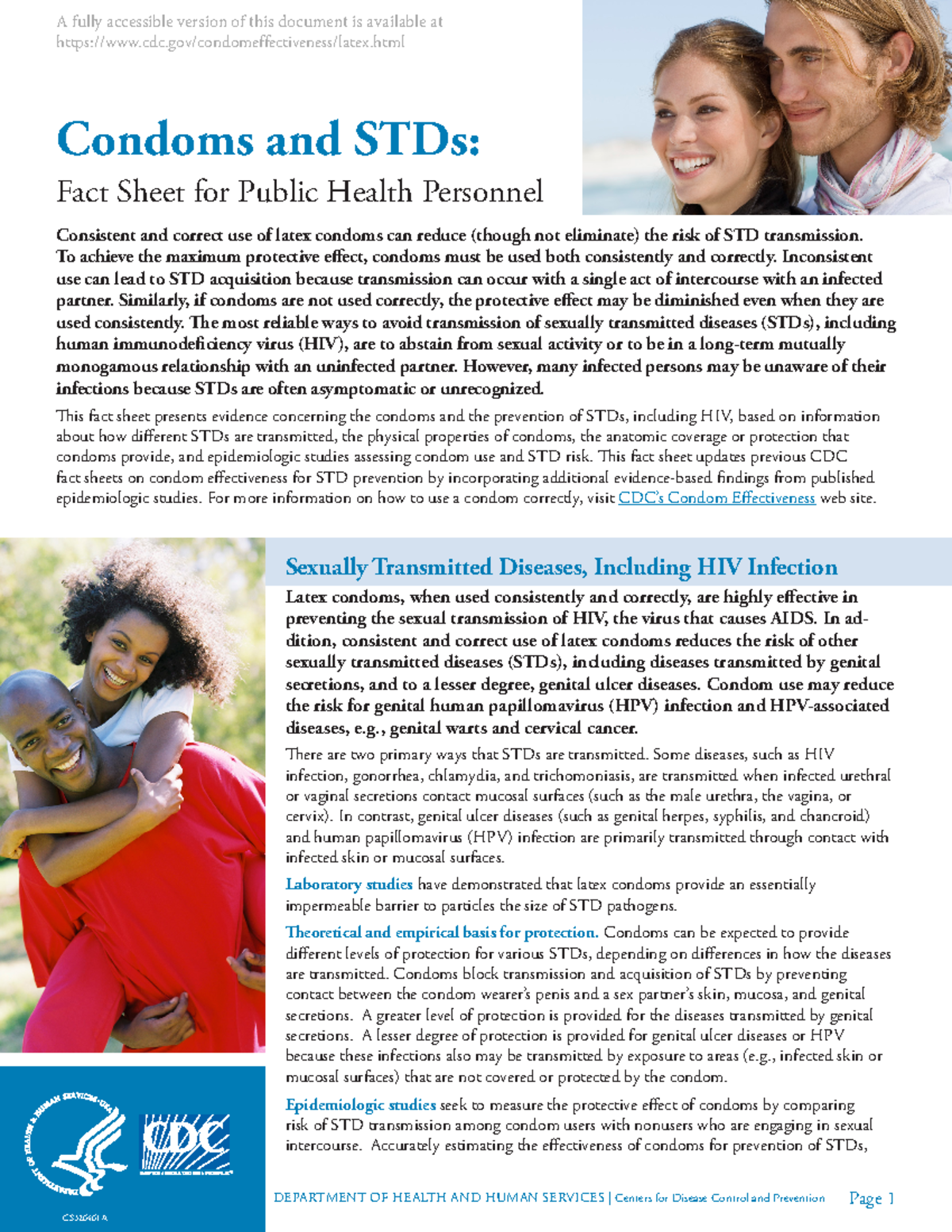
External condoms and internal condoms are highly effective at reducing the transmission of many sexually transmitted diseases (STDs) by creating a physical barrier that prevents contact with infectious bodily fluids and some infected skin surfaces. When used consistently and correctly, they significantly lower the risk of HIV, gonorrhea, chlamydia, and trichomoniasis.
Contents
Sexual health remains a critical component of public wellness in 2026, and understanding the nuances of barrier protection is essential for anyone who is sexually active. While condoms are the most accessible tool for prevention, their efficacy varies depending on the specific infection, the material of the condom, and the consistency of use. This guide explores the technical mechanisms of protection, the statistical effectiveness against different pathogens, and the common pitfalls that can compromise safety.
Understanding the Physical Barrier Mechanism
The primary function of a condom is to act as a mechanical barrier. Most STDs are transmitted through the exchange of bodily fluids—such as semen, vaginal secretions, and blood—or through direct skin-to-skin contact with infected areas. By encasing the penis or lining the vaginal/anal canal, condoms prevent these fluids from reaching the mucous membranes of a partner.
Medical-grade latex, the most common material used in 2026, is non-porous at a microscopic level. The molecules in latex are cross-linked during the manufacturing process to ensure that even the smallest viruses, such as HIV (approximately 0.1 microns in diameter), cannot pass through the material. Quality control standards enforced by organizations like the U.S. Food and Drug Administration (FDA) require condoms to undergo rigorous "leak testing" using high-voltage electricity or water-pressure tests to ensure there are no microscopic holes or defects.
Effectiveness Levels for Common STIs
It is a common misconception that condoms provide equal protection against all STDs. In reality, pathogens vary in their transmission methods, which dictates how well a physical barrier can block them.
High Protection: Fluid-Borne Infections
Condoms are most effective against infections that are primarily transmitted through discharge and semen. Because the condom covers the urethra and prevents the exchange of fluids, the risk of transmission is drastically reduced for the following:
- HIV: Research consistently shows that consistent condom use reduces the risk of HIV transmission by approximately 80% to 90%. While not 100%, the reduction is profound when compared to unprotected intercourse.
- Gonorrhea and Chlamydia: These bacterial infections rely on fluid exchange. When a condom is used correctly from start to finish, it provides a nearly impenetrable shield against the bacteria responsible for these conditions.
- Trichomoniasis: This parasitic infection is localized to the areas usually covered by a condom, making barrier protection highly effective.
Moderate Protection: Skin-to-Skin Infections
Some STDs are transmitted via contact with infected skin or sores, rather than just fluids. Because a condom only covers a specific area (the shaft of the penis or the interior of the vagina/rectum), it cannot prevent transmission from infected skin in the groin or pubic region that remains uncovered.
- Human Papillomavirus (HPV): Condoms reduce the risk of HPV-associated diseases, such as genital warts and cervical cancer, but they do not eliminate the risk. HPV can exist on the scrotum or labia, areas not protected by the condom.
- Herpes Simplex Virus (HSV): Similar to HPV, herpes can be transmitted through skin-to-skin contact during viral shedding or when an active sore is present outside the area covered by the condom.
- Syphilis: Transmission occurs through contact with a syphilis sore (chancre). If the sore is located on the penis and covered by the condom, protection is high; if it is elsewhere, the risk remains.
Selecting the Right Material for STI Prevention
In 2026, consumers have several options regarding condom materials. However, not all materials are rated for STD protection.
Latex Condoms
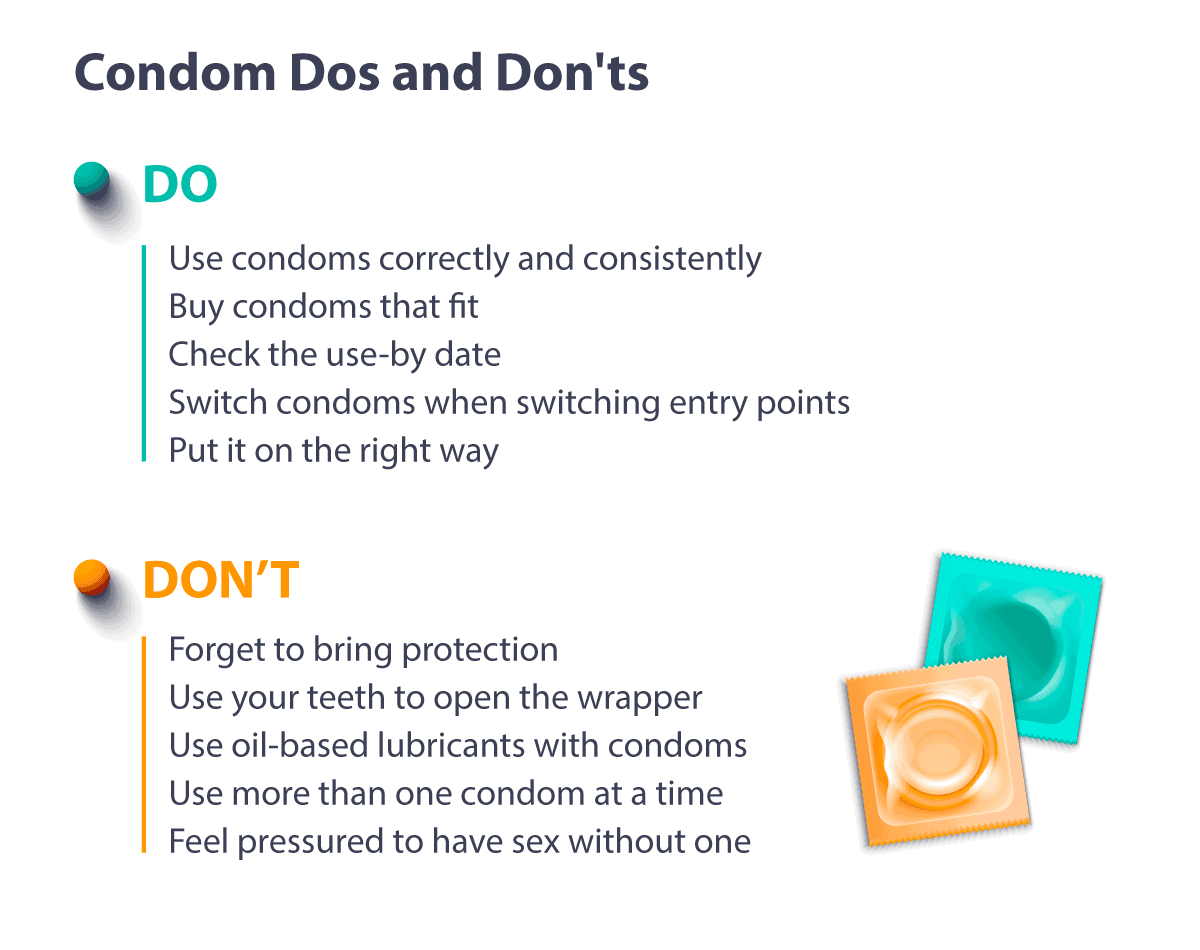
Latex remains the gold standard for STI prevention. It is highly elastic, durable, and inexpensive. However, it is incompatible with oil-based lubricants (like petroleum jelly or coconut oil), which can degrade the latex in seconds, leading to breakage.
Synthetic Non-Latex Options
For individuals with latex allergies, polyurethane and polyisoprene are the primary alternatives.
- Polyurethane: These are thinner than latex and conduct heat better, but they are less elastic and have a slightly higher risk of slipping or breaking. They are compatible with both water-based and oil-based lubricants.
- Polyisoprene: This is a synthetic version of natural rubber. It offers the elasticity of latex without the allergens and is highly effective at blocking STDs.
The Risks of Natural Membrane (Lambskin) Condoms
It is vital to note that natural membrane or "lambskin" condoms do not protect against STIs. These condoms are made from the intestinal lining of sheep and contain microscopic pores large enough for viruses like HIV, Hepatitis B, and HSV to pass through. While they may prevent pregnancy by blocking sperm (which are much larger than viruses), they are not a viable option for disease prevention.
Maximizing Efficacy: The Correct Usage Protocol
The difference between "perfect use" and "typical use" often comes down to human error. To ensure a condom provides its maximum theoretical protection, specific steps must be followed during every sexual encounter.
- Check the Expiration Date: Over time, the materials in condoms break down, especially if stored in warm environments like wallets or glove compartments. Never use a condom past its "use by" date.
- Open Carefully: Avoid using teeth or scissors to open the foil wrapper, as these can easily create micro-tears in the material.
- Check Orientation: Ensure the condom is right-side out before it touches any genital surface. If you accidentally put it on the wrong way, discard it and start with a new one to avoid pre-ejaculatory fluid contact.
- Pinch the Tip: Leave a small space (about half an inch) at the top of the condom to collect semen. If air is trapped in the tip, the pressure of ejaculation can cause the condom to burst.
- Roll to the Base: Roll the condom all the way down to the base of the erect penis.
- Use Appropriate Lubrication: Use water-based or silicone-based lubricants to reduce friction. Excessive friction is one of the leading causes of condom breakage.
- Withdraw Promptly: After ejaculation and while still erect, hold the rim of the condom against the base of the penis while withdrawing to prevent the condom from slipping off and spilling fluids.
Factors That Compromise Condom Integrity
Even the highest-quality condoms can fail if handled incorrectly. Understanding these risk factors is essential for maintaining protection.
| Factor | Impact on Protection | Recommended Action |
|---|---|---|
| Oil-Based Lubricants | Weakens latex immediately, causing tears. | Use only water-based or silicone-based lubes with latex. |
| Improper Storage | Heat and friction degrade the material. | Store in a cool, dry place; avoid long-term wallet storage. |
| Incorrect Sizing | Too tight leads to breakage; too loose leads to slippage. | Select a size that fits snugly without excessive stretching. |
| Dual-Condom Use | Friction between two condoms causes both to break. | Use only one condom at a time (never "double bag"). |
| Expired Product | Material becomes brittle and prone to failure. | Always check the date before use. |
Internal Condoms and Dental Dams
While external (male) condoms are the most common, other barrier methods play a role in STI prevention.
Internal Condoms (Female Condoms): These are pouches made of nitrile or polyurethane that are inserted into the vagina or anus. They provide a similar level of protection to external condoms and have the added benefit of covering more of the external genitalia, which may offer slightly better protection against skin-to-skin STIs.
Dental Dams: These are thin sheets of latex or polyurethane used for oral-vaginal or oral-anal sex. They prevent the transmission of STIs from the genitals to the mouth and throat, or vice versa. Many people overlook the risk of STIs through oral sex, but infections like syphilis, gonorrhea, and HPV can be transmitted this way.
Frequently Asked Questions
Can you get an STD while using a condom?
Yes, it is possible, though the risk is significantly lower than during unprotected sex. Condoms can fail due to breakage, slippage, or incorrect use. Additionally, STIs that spread through skin-to-skin contact (like Herpes or HPV) can be transmitted from areas not covered by the condom.
Do condoms protect against oral sex STDs?
External condoms and dental dams are effective at preventing the transmission of STDs during oral sex. Without these barriers, bacteria and viruses can move between the genitals and the throat, potentially causing infections such as oral gonorrhea or HPV-related throat cancer.
Why is lambskin considered unsafe for STD prevention?
Lambskin condoms are made from natural animal tissue. While they are effective at blocking sperm, they contain tiny pores that are small enough to let viral particles (like HIV or Hepatitis B) pass through. For disease prevention, only latex or synthetic non-latex condoms should be used.
Should I use two condoms for extra protection?
No. Using two condoms simultaneously creates intense friction between the two layers of material. This friction makes it significantly more likely that both condoms will tear or break, leaving you with zero protection.
How effective are condoms against HIV?
When used consistently and correctly, condoms reduce the risk of HIV transmission by approximately 80-90%. For even higher levels of protection, many individuals in 2026 combine condom use with PrEP (Pre-Exposure Prophylaxis), a medication that further reduces the risk of contracting HIV.
Practical Recommendation
To achieve the highest level of protection in 2026, rely on a "combination prevention" strategy. Use latex or polyisoprene condoms for every sexual encounter, ensure you are using a compatible water-based lubricant, and undergo regular STI testing at least once a year (or more frequently with new partners). If you are at high risk for HIV, consult a healthcare provider about PrEP. Remember that while condoms are not a 100% guarantee, they remain the single most effective tool for preventing a wide range of infections during sexual activity.
Image Gallery