Policy Brief Template: Structural Framework and Writing Guide
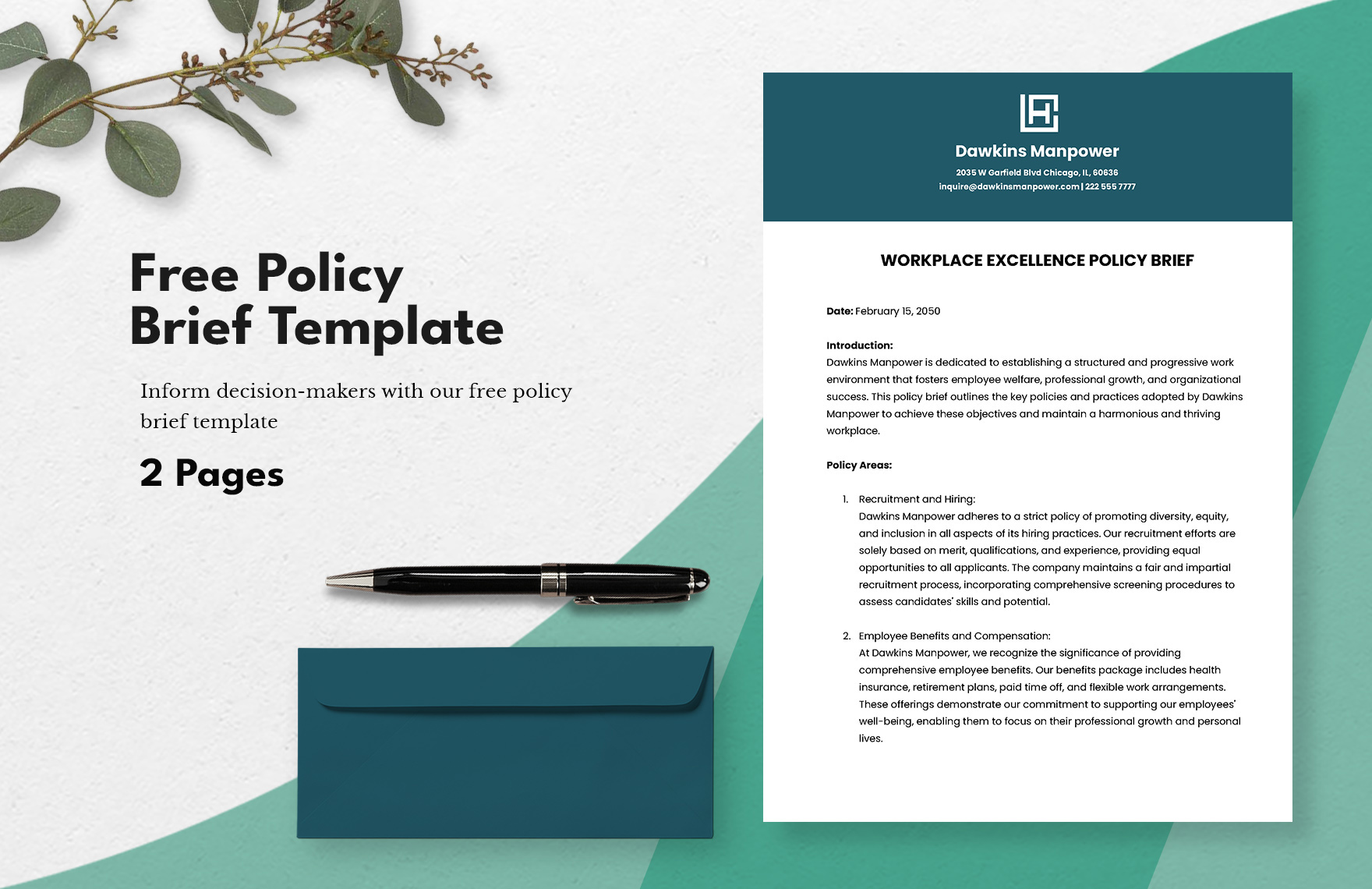
A policy brief template provides a standardized structure for translating complex evidence into concise, actionable recommendations for political, executive, and administrative decision-makers. Designed for rapid comprehension, a stand...
A policy brief template provides a standardized structure for translating complex evidence into concise, actionable recommendations for political, executive, and administrative decision-makers. Designed for rapid comprehension, a standard policy brief spans two to four pages (1,000 to 1,500 words) and contains an executive summary, problem statement, policy options evaluation, concrete recommendations, and verifiable references.
Contents
Strategic Architecture of an Effective Policy Brief
Policymakers operate under extreme time constraints and must evaluate competing priorities rapidly. A policy brief does not function as a shortened academic paper; it is a specialized decision-making tool. Its design relies on an inverted pyramid structure, delivering the primary takeaway and recommendations immediately, followed by supporting analysis and empirical context.
Understanding the operational environment of public policy is essential before structuring your document. Academic publications focus on methodology, literature reviews, and nuanced theoretical findings. In contrast, policy briefs prioritize practical feasibility, administrative pathways, fiscal implications, and tangible public outcomes.
[Note: Structure follows executive workflow: Issue framing -> Empirical Evidence -> Policy Evaluation -> Execution Roadmap]
Comprehensive Policy Brief Template Framework
The framework below outlines the required sections, target word counts, and structural goals for a standard four-page public policy brief.
| Section Name | Page Location | Target Word Count | Core Functional Objective |
|---|---|---|---|
| Header & Title Block | Page 1 (Top) | 15–25 words | State the policy subject, target demographic, publication date, and authoring institution. |
| Executive Summary | Page 1 | 150–200 words | Summarize the policy crisis, primary data findings, and headline recommendations. |
| Problem Statement & Context | Page 1–2 | 350–450 words | Detail the policy gap, economic/social costs, and legislative context. |
| Policy Options Analysis | Page 2–3 | 400–500 words | Compare alternative solutions using criteria such as cost, feasibility, and impact. |
| Targeted Recommendations | Page 3 | 250–350 words | Provide specific, practical steps assigned to specific governance entities. |
| Implementation & Fiscal Impact | Page 4 | 150–250 words | Outline budgetary requirements, legislative instruments, and monitoring metrics. |
| References & Appendices | Page 4 (Bottom) | 50–100 words | Provide verifiable citations, datasets, and author contact information. |
Detailed Breakdown of Template Components
1. Header and Executive Summary
The header establishes immediate institutional authority. It must feature a clear, descriptive title that states the specific policy intervention rather than a passive topic description.
Executive Summary Framing Standard
The executive summary must function as an independent mini-brief. A cabinet secretary or legislative director should be able to read this section alone and fully understand the problem, the required intervention, and the projected public outcome. Avoid introductory filler and begin directly with the core policy problem and proposed solution.
A high-impact executive summary answers four critical questions in sequence:
- What is the current policy failure or emerging challenge?
- Why must action be taken immediately?
- What specific evidence supports the intervention?
- What are the primary recommendations for decision-makers?
2. Context and Problem Statement
This section defines the policy challenge using empirical data rather than speculative arguments. Establish the historical, legislative, or administrative context that led to the current policy gap.
Key requirements for this section include:
- Quantified Problem Scope: Define the affected population size, financial losses, or public health impact using current statistical metrics.
- Root Cause Analysis: Identify why existing legislation, regulatory mechanisms, or public sector programs have failed to resolve the issue.
- Urgency Drivers: Explain why immediate legislative or administrative intervention is necessary, emphasizing the risks of inaction.
3. Policy Options Analysis
Decision-makers rarely select a policy option without evaluating trade-offs. This section presents a comparative analysis of potential interventions, including maintaining the status quo.
Policy Evaluation Guidelines
Every policy option must be evaluated against standard public administration criteria. Assess each option based on technical feasibility, projected fiscal cost, administrative burden on government agencies, political acceptability, and equity impacts across affected demographics.
When presenting options, use comparative criteria such as:
- Cost-Effectiveness: Projected expenditure per unit of public benefit.
- Administrative Burden: Implementation complexity for federal, state, or municipal agencies.
- Political & Legal Feasibility: Alignment with current statutory authority and legislative priorities.
- Social Equity: Distribution of outcomes across socio-economic groups.
4. Actionable Recommendations
The recommendations section represents the core value of the policy brief. Avoid vague recommendations such as "raise awareness" or "further study is needed." Policy recommendations must be specific, actionable, and directed to explicit institutional actors.
To make recommendations actionable:
- Identify the exact authority responsible for execution (e.g., legislative committees, regulatory agencies, or municipal boards).
- Frame interventions using specific administrative actions (e.g., amend statutory definitions, reallocate discretionary budget funds, or issue binding regulatory guidelines).
- Sequence recommendations by implementation priority (short-term operational adjustments versus long-term statutory changes).
5. Implementation Pathways, Budget, and Governance
This section addresses operational execution, detailing how the proposed policy transitions from concept to active administration.
Important elements to include are:
- Statutory Authority: Cite the specific laws, administrative rules, or constitutional provisions that authorize the proposed changes.
- Fiscal Allocations: Detail projected capital expenditures, operational budgets, and potential funding sources (e.g., reallocation, user fees, or public-private partnerships).
- Monitoring & Evaluation (M&E): Define clear key performance indicators (KPIs) and establish a timeline for administrative review.
Strategic Typologies: Objective vs. Advocacy Policy Briefs
Policy briefs generally fall into two strategic categories: objective (analytical) briefs and advocacy briefs. Selecting the correct structure depends on your organization's mission and policy goals.
| Structural Feature | Objective / Analytical Policy Brief | Advocacy Policy Brief |
|---|---|---|
| Primary Intent | Provide neutral, balanced analysis of multiple options to aid legislative deliberation. | Persuade decision-makers to adopt a specific policy solution or legislative position. |
| Author Tone | Impartial, academic, policy-neutral. | Strategic, urgent, evidence-driven persuasive. |
| Options Presentation | Equal analysis of 3–4 policy pathways, highlighting trade-offs for each. | Focuses primarily on the recommended option while critiquing competing alternatives. |
| Primary Target Audience | Non-partisan legislative research services, parliamentary committees, audit agencies. | Legislative champions, advocacy coalitions, policy networks, regulatory agencies. |
| Risk Factors | Decision paralysis if trade-offs are presented without clear priority guidance. | Loss of credibility if counter-arguments or potential risks are suppressed. |
Step-by-Step Guide to Writing a Policy Brief
Step 1: Conduct Stakeholder and Audience Mapping
Before writing, identify the primary decision-maker who will read the document. Determine their degree of technical expertise, political constraints, key priorities, and administrative authority. Tailor the language, technical detail, and framing directly to their operational needs.
Step 2: Synthesize Empirical Evidence
Gather empirical data from peer-reviewed research, official government statistics, institutional evaluations, and economic analyses. Synthesize complex data into digestible summaries, using primary metrics that clearly illustrate policy outcomes.
Step 3: Structure Information Design and Visual Elements
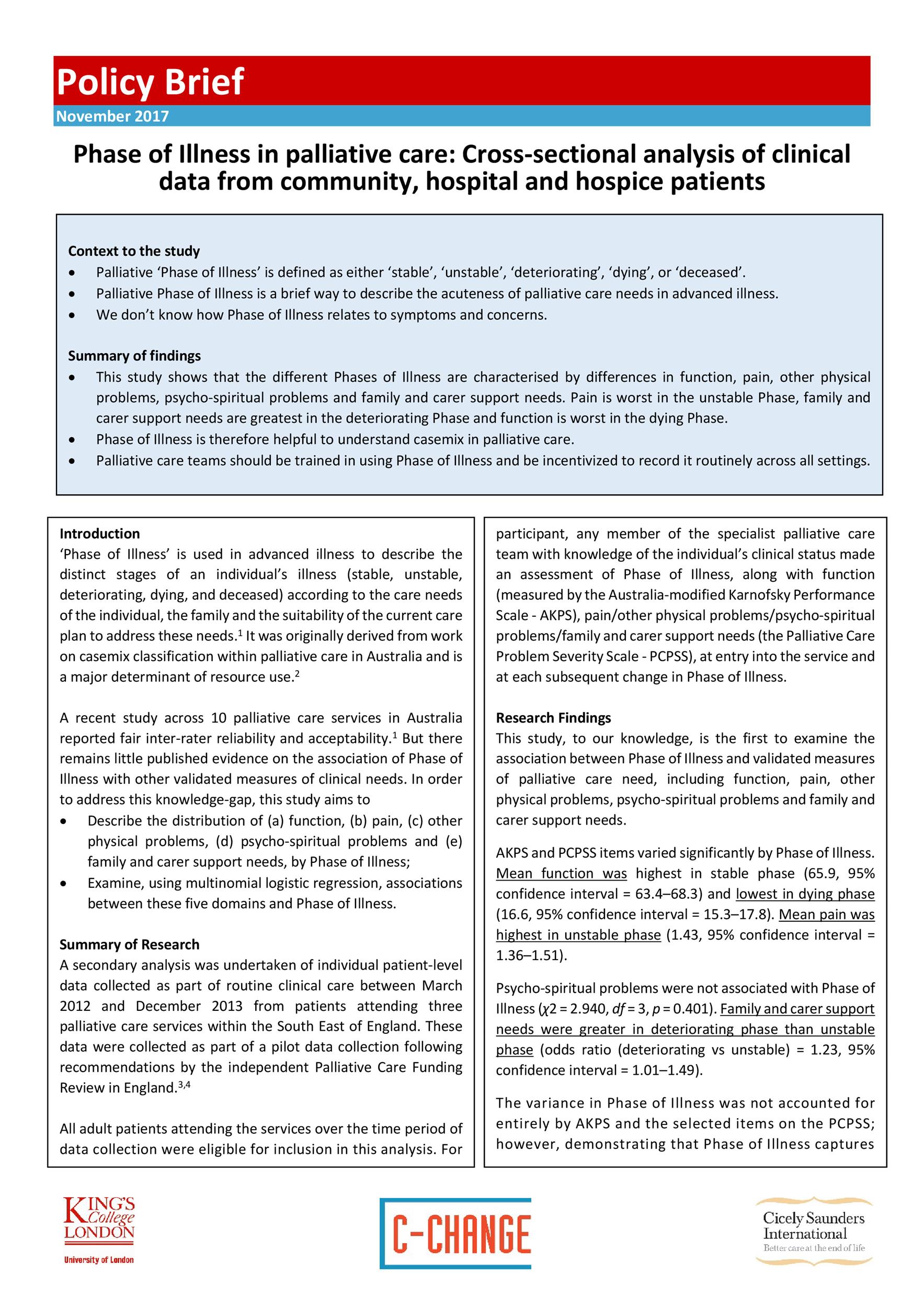
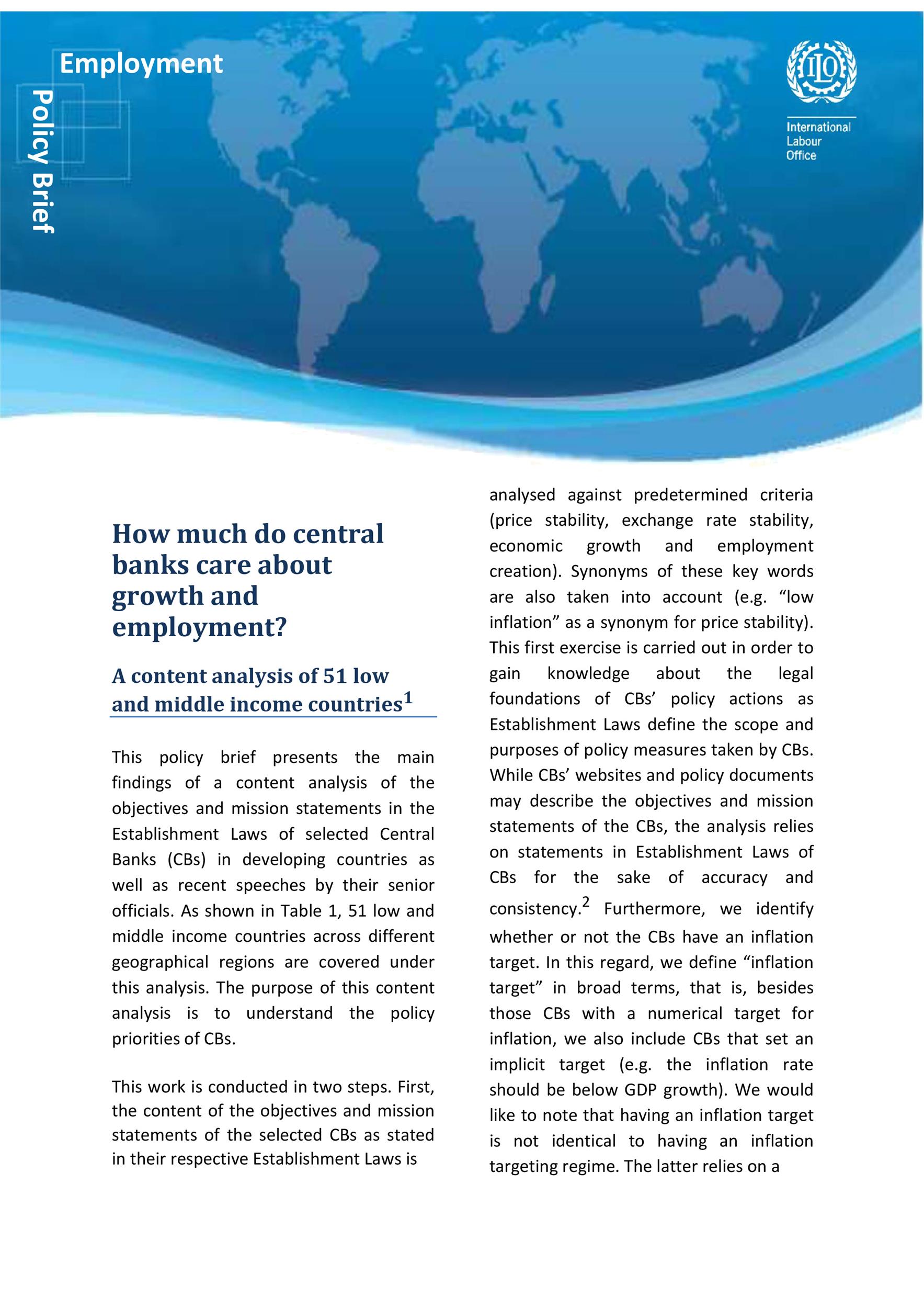
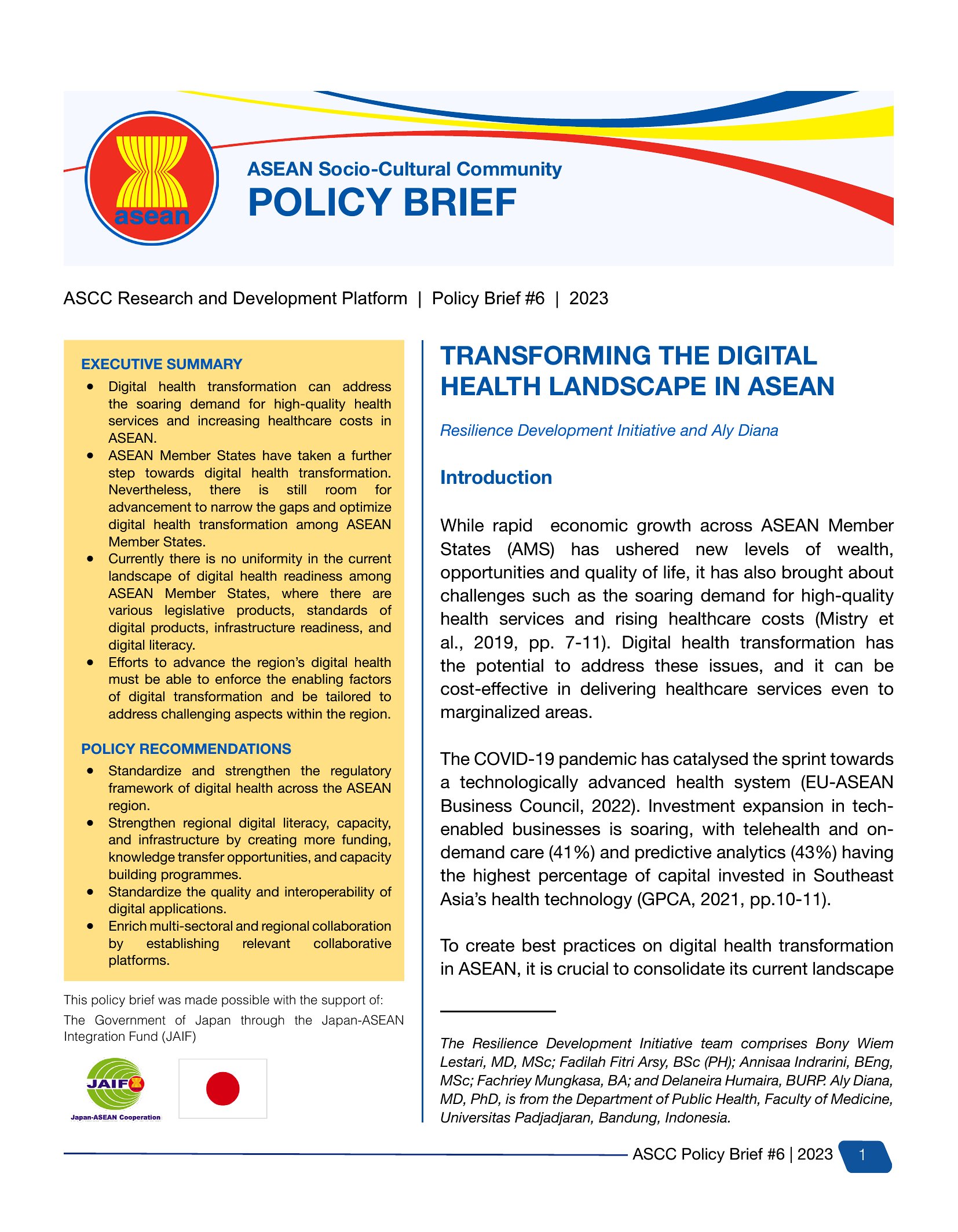
Policy briefs rely on strong visual hierarchy to guide busy readers:
- Use bold lead-ins for bullet points to enable quick scanning.
- Convert complex comparative datasets into structured tables.
- Highlight key policy takeaways or statutory quotes using clear visual breakout boxes.
- Maintain clean margins, clear section headings, and readable typography.
Step 4: Draft Actionable Recommendations
Draft recommendations using clear, direct language. Ensure each recommendation details who must take action, what specific administrative or legislative mechanism should be used, and when implementation should occur.
Step 5: Perform Technical and Peer Review
Review the brief with subject matter experts, legal analysts, and communication specialists. Verify that all data points are accurate, statutory references are current, and recommendations are operationally feasible.
Common Policy Brief Pitfalls and How to Avoid Them
- Academic Jargon Overload: Avoid technical jargon, dense statistical modeling descriptions, and overly academic terminology. Use clear, direct language tailored to executive decision-makers.
- Vague Recommendations: Avoid generic recommendations like "improve coordination." Specify the exact regulatory updates, Inter-Agency Agreements (IAAs), or statutory amendments required.
- Ignoring Budgetary Realities: Proposals without realistic funding mechanisms or cost estimates are rarely implemented. Always include clear fiscal estimates and funding strategies.
- Overwhelming Document Length: Documents longer than four pages lose executive readability. Keep the core text concise and place detailed methodologies or extensive data tables in separate technical appendices.
Frequently Asked Questions
What is the ideal length for a policy brief?
A standard policy brief should be between two and four pages (1,000 to 1,500 words). This length allows enough space for empirical analysis while remaining concise enough for executive review.
How does a policy brief differ from a policy memo?
A policy brief provides a comprehensive overview of a public policy challenge, evidence, and options for broader internal or external stakeholders. A policy memo is typically an internal, single-issue document written for a specific superior detailing an immediate operational or political decision.
Should technical methodology details be included in a policy brief?
No. Detailed statistical methodologies, econometric models, and complex research frameworks should be omitted from the main text. Include a brief summary of the data sources used and refer readers to primary research papers or technical appendices for full methodological details.
How do you present fiscal costs effectively in a policy brief?
Present costs alongside projected long-term savings or broader economic benefits. Using comparative tables that show upfront capital requirements versus long-term cost reductions helps demonstrate fiscal responsibility to decision-makers.
Can an objective policy brief still include a preferred recommendation?
Yes. An objective brief can highlight a preferred option if the empirical evidence clearly shows it delivers superior outcomes compared to alternatives, provided the trade-offs of all options are presented neutrally.
Professional Implementation and Governance Review
Translating empirical research into actionable policy requires structural clarity and rigorous evidence. By using a standardized policy brief template, research institutions, public agencies, and policy analysts can effectively communicate complex data to key decision-makers. Maintain institutional rigor by regularly updating your underlying data, aligning recommendations with current legal frameworks, and tailoring content directly to the administrative realities of public governance.
Image Gallery