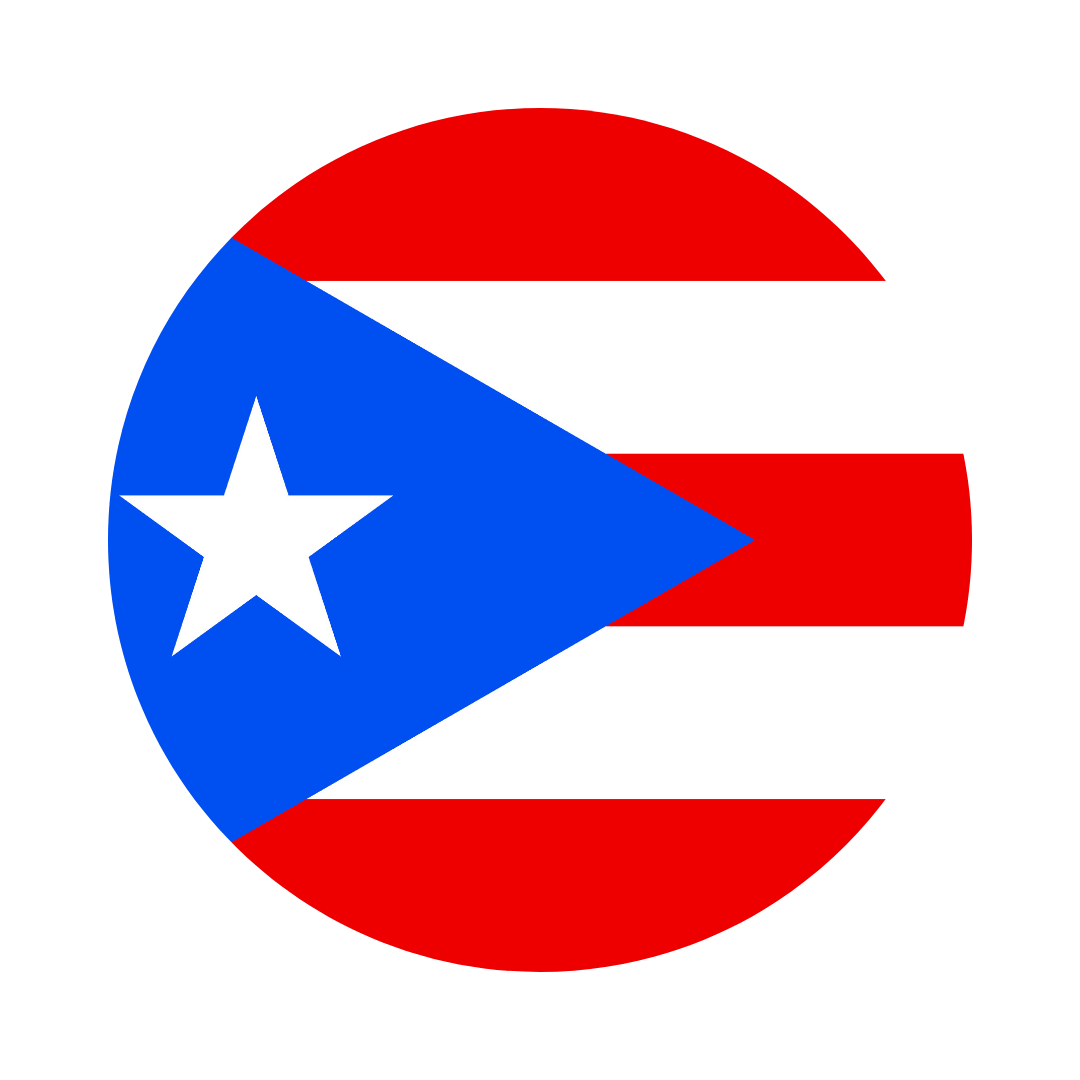
Understanding Puerto Rico FIFA Membership and Its Impact
Puerto Rico maintains a distinct and independent membership in FIFA, allowing the island to compete as a separate national entity from the United States in international soccer. This status, held since 1960, enables the Puerto Rican Fo...
Puerto Rico maintains a distinct and independent membership in FIFA, allowing the island to compete as a separate national entity from the United States in international soccer. This status, held since 1960, enables the Puerto Rican Football Federation (FPF) to govern its own leagues, receive direct FIFA funding, and participate in World Cup qualifiers independently.
Contents
The unique sporting status of Puerto Rico is often a point of confusion for those familiar with its political status as an unincorporated territory of the United States. While Puerto Ricans are U.S. citizens, the island operates its own "national" teams in several sports, most notably under the umbrellas of the International Olympic Committee (IOC) and the Fédération Internationale de Football Association (FIFA). As of 2026, this arrangement continues to shape the island’s athletic identity, professional infrastructure, and its relationship with the broader CONCACAF region.
Understanding the nuances of this membership requires an analysis of FIFA’s internal statutes, the historical precedents of territorial inclusion, and the practical implications for players who often navigate the complexities of dual eligibility between the Puerto Rican and U.S. senior squads.
The Historical Foundations of Puerto Rico’s FIFA Affiliation
The Federación Puertorriqueña de Fútbol (FPF) was founded in 1940, but it was not until 1960 that it gained official affiliation with FIFA. This era of FIFA expansion was characterized by a more flexible approach to "national" definitions than what is seen in the modern era. During the mid-20th century, FIFA frequently admitted territories, colonies, and protectorates as independent members, provided they had a functioning football association and the blessing of their "parent" nation’s governing body.
Puerto Rico’s entry into FIFA followed its established presence in the Olympic movement. The Puerto Rico Olympic Committee (COPUR) was recognized by the IOC in 1948, creating a precedent for the island to compete under its own flag. For FIFA, admitting Puerto Rico was consistent with its goal of globalizing the sport. By the time the United States Soccer Federation (USSF) and FIFA formalized the arrangement, Puerto Rico was firmly positioned as a Caribbean football entity, joining the Confederation of North, Central America and Caribbean Association Football (CONCACAF) shortly after its formation in 1961.
The impact of this early admission cannot be overstated. Because Puerto Rico was "grandfathered" into the system, it avoided the much stricter sovereignty requirements implemented by FIFA in the late 20th and early 21st centuries. Today, new applicants generally must be independent states recognized by the international community (specifically the United Nations), with very few exceptions.
Legal Framework: FIFA Statutes and Territorial Rights
The primary mechanism allowing Puerto Rico to remain a FIFA member is found within the FIFA Statutes, specifically under the regulations governing the admission of new members and the rights of existing ones. Article 11 of the FIFA Statutes (as of recent revisions) generally mandates that only one association shall be recognized in each country. However, there are critical exceptions for associations in regions that have not yet gained independence.
For a territory like Puerto Rico to maintain its status, it relies on two main pillars:
- Authorization from the Parent Association: The USSF (U.S. Soccer) recognizes the FPF as the sole governing body for football within the borders of Puerto Rico. Without this recognition and the continued "prior authorization" mentioned in FIFA regulations, Puerto Rico’s independent standing would be legally vulnerable.
- Autonomous Governance: The FPF must demonstrate that it is a self-governing body capable of managing its own internal affairs, from grassroots development to the administration of professional leagues, without direct interference from the U.S. government or the USSF.
This legal distinction allows Puerto Rico to function as a "football nation" despite not being a "sovereign nation." It places Puerto Rico in a category similar to the four Home Nations of the United Kingdom (England, Scotland, Wales, and Northern Ireland), Hong Kong, and the Faroe Islands—entities that possess a distinct sporting identity recognized by international law within the context of global sports federations.
The Relationship Between the FPF and the USSF
While Puerto Rico is independent in the eyes of FIFA, its geographical and political proximity to the United States creates a symbiotic yet complex relationship with the United States Soccer Federation (USSF). This is not a hierarchical relationship where the USSF dictates terms to the FPF; rather, it is a peer-to-peer relationship within CONCACAF.
The two federations frequently collaborate on coaching education, referee development, and occasionally youth scouting. However, on the pitch, they are competitors. During World Cup qualification cycles, Puerto Rico and the United States can theoretically be drawn into the same group, though their vastly different FIFA rankings usually keep them in different tiers of the qualifying structure.
One of the most significant impacts of this relationship is the "brain drain" or talent migration. Because the U.S. has a more robust professional infrastructure (Major League Soccer and the USL), many of Puerto Rico's top prospects move to the mainland. This creates a scenario where the FPF must actively recruit players from the U.S. collegiate and professional systems who qualify for the Puerto Rican national team via their heritage or birthplace.
Player Eligibility and the "Home Nations" Dynamic
The most practical impact of Puerto Rico’s FIFA membership is felt in player eligibility. Because Puerto Ricans are U.S. citizens by birth, the eligibility rules are governed by FIFA's regulations regarding players who hold the nationality of a country that has multiple member associations.
The Criteria for Representing Puerto Rico
To play for the Puerto Rican national team (the Huracán Azul), a player must meet at least one of the following criteria under FIFA's current eligibility rules:
- The player was born on the territory of Puerto Rico.
- The player’s biological mother or father was born on the territory of Puerto Rico.
- The player’s grandmother or grandfather was born on the territory of Puerto Rico.
- The player has lived on the territory of Puerto Rico for a specific period (usually five years) after reaching the age of 18.
The "One-Time Switch" and Competitive Ties
A common point of confusion is whether a player can represent both the U.S. and Puerto Rico. Under FIFA rules, a player can represent one association at the youth level and still switch to the other for their senior career, provided they haven't played in a "competitive" senior international match.
In 2020, FIFA amended its rules to be more flexible, allowing players to switch associations even after playing up to three competitive senior matches, provided those matches were played before the age of 21 and were not in a major tournament like the World Cup. This has been a boon for the FPF, allowing them to recruit talented players who may have had a brief stint with the U.S. national team setup but realize their path to consistent international play lies with Puerto Rico.
Governance and Infrastructure Comparison
To understand the scale of operations, it is useful to compare how soccer is governed in Puerto Rico versus the mainland United States.
| Feature | Puerto Rican Football Federation (FPF) | U.S. Soccer Federation (USSF) |
|---|---|---|
| FIFA Entry Year | 1960 | 1913 |
| Confederation | CONCACAF (Caribbean Zone) | CONCACAF (North American Zone) |
| Primary National Team | El Huracán Azul | USMNT / USWNT |
| Primary Funding Source | FIFA Forward, CONCACAF, Government | Commercial Partnerships, FIFA, TV Rights |
| Citizenship of Players | United States | United States |
| Status in FIFA 2026 | Active Member / Qualifier Participant | Host Nation (Automatic Qualifier) |
| Professional Leagues | Liga Puerto Rico (LPR) | MLS, USL, NWSL |
Economic and Development Impacts of Membership
Being a full member of FIFA provides Puerto Rico with access to the FIFA Forward program. This is a crucial developmental fund that provides millions of dollars in grants to member associations for infrastructure, women's football, and youth academies.
For Puerto Rico, this funding has been essential in rebuilding facilities after natural disasters, such as Hurricane Maria in 2017. If Puerto Rico were merely a regional branch of U.S. Soccer, it would have to compete with 50 states for a share of the USSF’s internal budget. As an independent FIFA member, the FPF receives its own direct allotment from Zurich, ensuring that funds are specifically earmarked for the development of Puerto Rican soccer.
Furthermore, membership allows Puerto Rico to host sanctioned international matches. These events bring in tourism revenue, increase the visibility of the sport locally, and provide a platform for local players to be scouted by international clubs. The "impact" here is both financial and aspirational; it keeps the dream of professional football alive for thousands of young players on the island who see a direct path to the world stage.
Challenges and Prospects in the 2026 Cycle
As we navigate the 2026 calendar, the impact of FIFA membership is at the forefront of the FPF’s strategy. With the 2026 FIFA World Cup being hosted in North America (USA, Mexico, and Canada), the qualification dynamics in CONCACAF have shifted. Since the three giants of the region have qualified automatically, there are more slots available for Caribbean and Central American nations.
Puerto Rico has historically struggled to reach the final stages of qualification, but the independent membership allows them to participate in the CONCACAF Nations League, which provides a consistent schedule of competitive matches. This "impact" is vital for the growth of the national team. Previously, small nations like Puerto Rico would play two matches in a World Cup qualifier, lose, and then have no competitive fixtures for years. The Nations League, facilitated by their FIFA and CONCACAF membership, ensures they play multiple times a year against evenly matched opponents.
However, challenges remain:
- Infrastructure: While FIFA funding helps, the island still lacks the high-performance centers found in larger nations.
- Dual-League Competition: Professional soccer in Puerto Rico must compete with the massive popularity of baseball and basketball.
- Talent Retention: Ensuring that top-tier talent born in Puerto Rico chooses to represent the island rather than waiting for a potential U.S. call-up remains a primary hurdle for FPF scouts.
The Sociocultural Impact of the National Team
Beyond the legalities and economics, Puerto Rico’s FIFA membership serves as a powerful symbol of national identity. In international sports, the appearance of the Puerto Rican flag and the playing of the La Borinqueña (the national anthem) foster a sense of "sporting sovereignty."
For many residents, the football team represents the island's ability to stand on its own feet in the global arena. This is particularly evident during the Caribbean Cup or Nations League matches against other island nations. In these moments, the political nuances of being an "unincorporated territory" fade, and the identity of being a "FIFA nation" takes precedence. This sociocultural impact is perhaps the most enduring legacy of the 1960 decision to seek independent affiliation.
Frequently Asked Questions
Why doesn't Puerto Rico just play as part of the U.S. National Team?
While Puerto Rican players are eligible for the U.S. team due to their citizenship, the FPF is an independent member of FIFA. This allows Puerto Rico to have its own developmental programs and a national team that specifically represents the island's culture and people. Historically, this separate status was sought to preserve the island's unique sporting identity.
Can a player who played for the USMNT play for Puerto Rico?
Yes, under specific conditions. If the player has Puerto Rican heritage (parents or grandparents born there) and has not played a "competitive" senior match for the U.S., they can represent Puerto Rico. If they have played competitive matches, they may still be able to switch under the 2020 FIFA eligibility reform, provided they meet the age and match-count requirements.
Does FIFA membership mean Puerto Rico is an independent country?
No. FIFA membership is a sporting designation, not a political or diplomatic one. FIFA recognizes many "non-sovereign" entities. Puerto Rico remains a territory of the United States, but in the world of international soccer governance, it is treated as an autonomous association.
How does Puerto Rico fund its soccer programs?
The FPF receives significant funding from the FIFA Forward program and CONCACAF grants. They also generate revenue through sponsorships, ticket sales for home matches, and government subsidies aimed at promoting sports and health on the island.
Can Puerto Rico qualify for the 2026 World Cup?
Yes. As a full member of FIFA and CONCACAF, Puerto Rico participates in the World Cup qualification process. While they face stiff competition from other regional powers, they have an equal legal right to qualify for the tournament as any other member nation.
Why is the U.S. Soccer Federation okay with Puerto Rico being separate?
The USSF benefits from the FPF managing soccer in that region, as it would be logistically difficult for the Chicago-based USSF to oversee grassroots football in the Caribbean. Furthermore, the historical precedent is well-established, and there is no significant political or sporting movement within either federation to merge the two.
Strategic Recommendation for Stakeholders
For players, coaches, and administrators involved in Puerto Rican soccer, the focus must remain on leveraging the 2026 World Cup's regional presence to boost local infrastructure. The FPF should prioritize the recruitment of dual-eligible players early in their careers and continue to utilize FIFA Forward funds for the development of "Canchas" (pitches) and youth academies. For fans and researchers, understanding that Puerto Rico’s FIFA status is a "grandfathered" right highlights the importance of protecting this sporting autonomy, as current FIFA rules would make gaining such status nearly impossible today.
Image Gallery