Understanding Neuter Surgery Cost: A Comprehensive Guide for Pet Owners
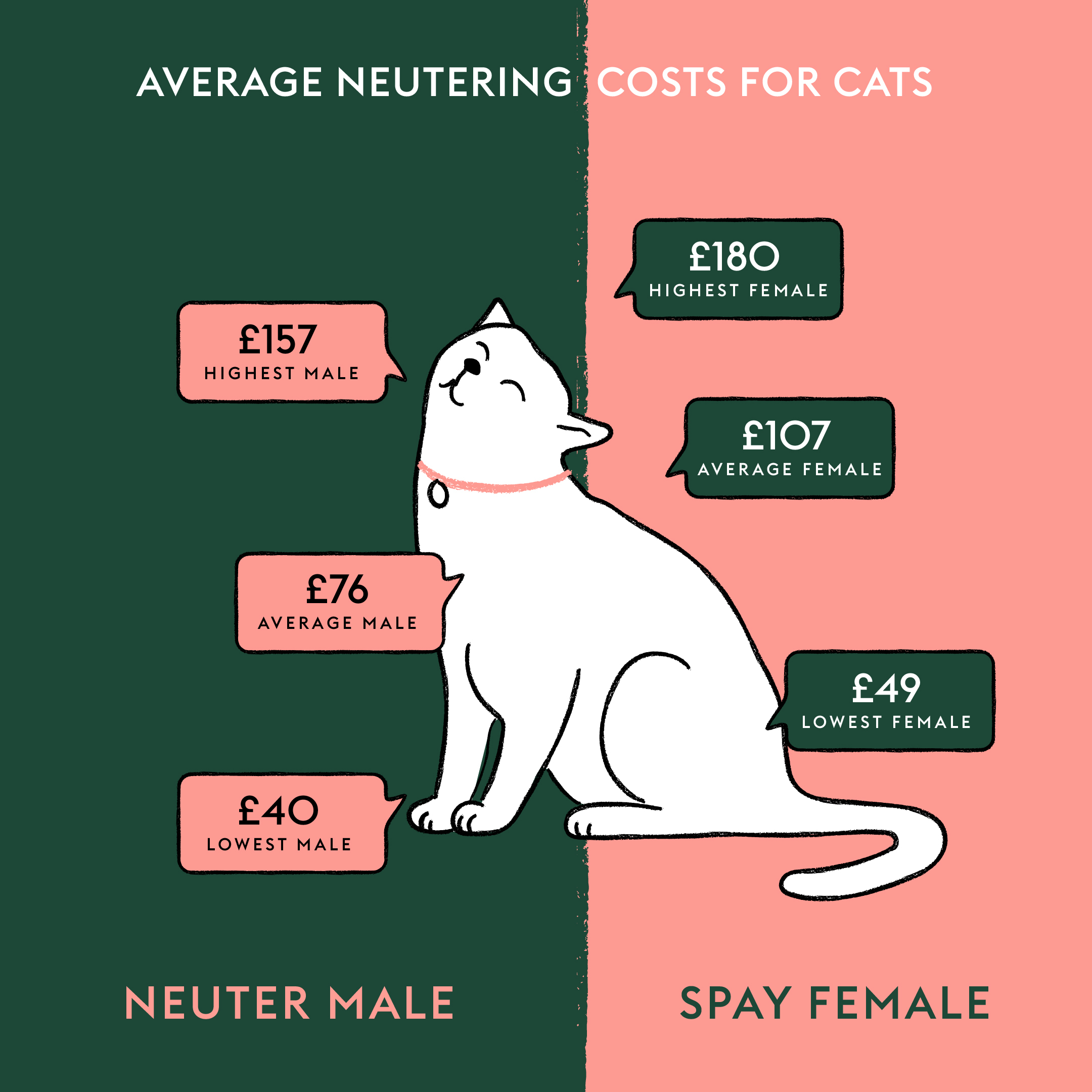
The cost of neuter surgery—the surgical removal of a male animal’s testicles—typically ranges from $100 to over $800 depending on the animal’s species, size, geographic location, and the level of medical infrastructure at the chosen ve...
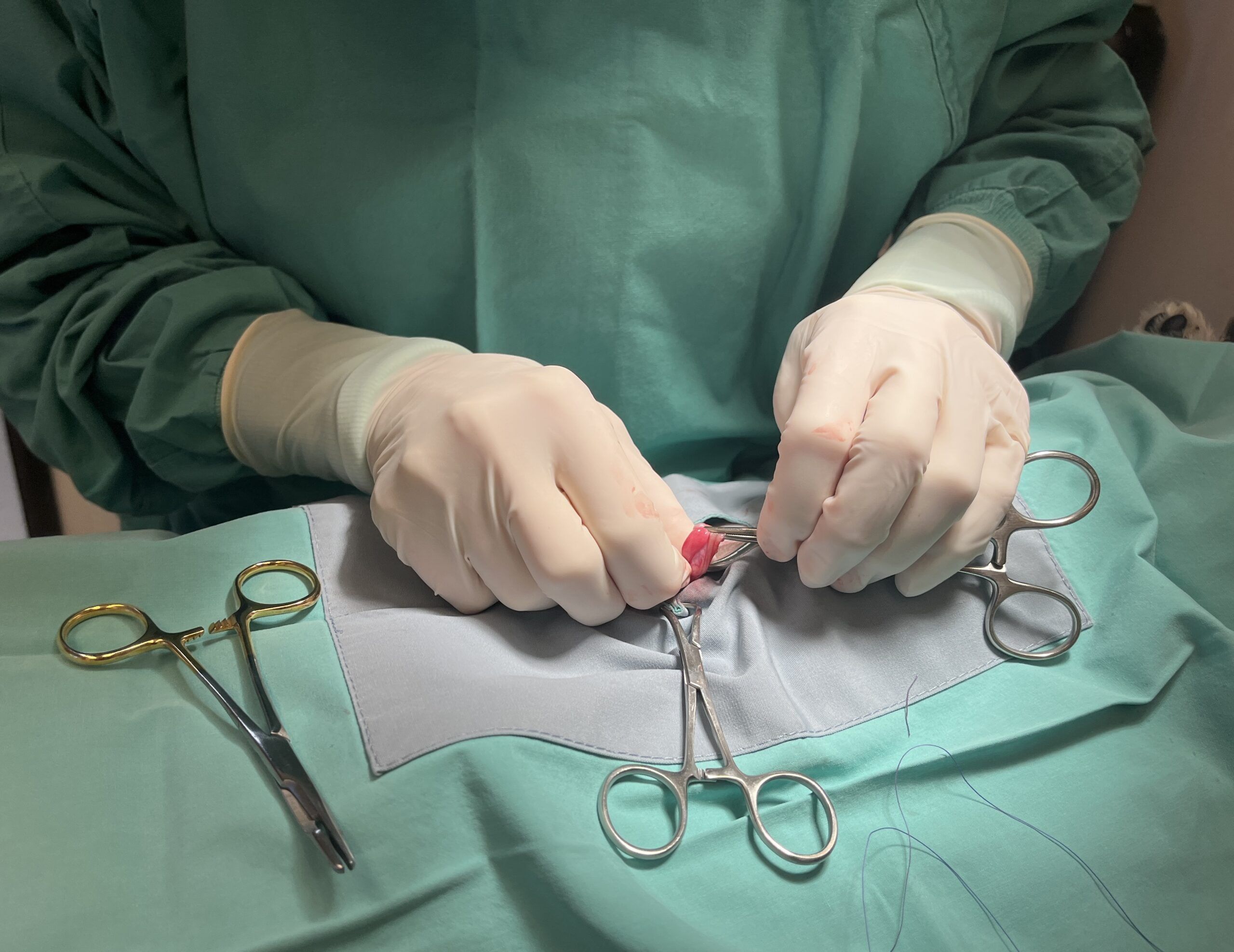
The cost of neuter surgery—the surgical removal of a male animal’s testicles—typically ranges from $100 to over $800 depending on the animal’s species, size, geographic location, and the level of medical infrastructure at the chosen veterinary facility. Because neutering is a major surgical procedure requiring general anesthesia, sterile environments, and specialized veterinary labor, total costs reflect a bundle of essential services rather than just the operation itself.
Contents
Factors Influencing Surgical Pricing
Veterinary clinics do not typically charge a single, flat fee for "neutering." Instead, the bill represents a composite of several distinct medical necessities. Understanding these components helps pet owners distinguish between a low-cost, high-volume clinic and a private veterinary hospital.
Pre-Surgical Diagnostic Testing
Before administering anesthesia, a veterinarian must verify that your pet is healthy enough to metabolize drugs and undergo surgery. This almost always includes a pre-anesthetic blood panel. This screening checks kidney and liver function, which are vital for processing the anesthesia and antibiotics used during the procedure. While some lower-cost clinics may categorize this as optional for young, healthy pets, many full-service hospitals make it mandatory, which increases the baseline cost.
Anesthesia and Monitoring
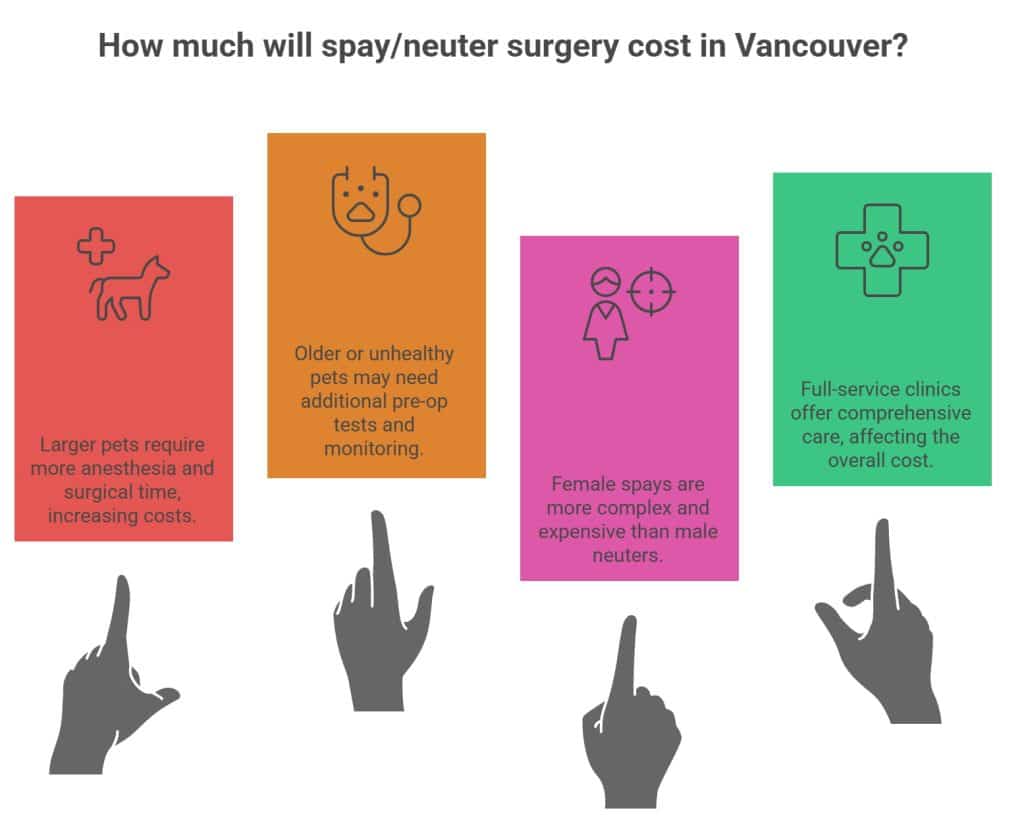
The most significant safety expense in any surgical procedure is anesthesia. Modern veterinary standards utilize gas anesthesia (such as isoflurane or sevoflurane) delivered via an endotracheal tube. This equipment requires ongoing maintenance, and the patient must be continuously monitored by a dedicated veterinary technician using pulse oximetry, capnography, and blood pressure monitoring. Clinics that prioritize high-level monitoring may charge more, but they offer increased safety, especially for older or brachycephalic (short-nosed) breeds.
Surgical Complexity and Surgeon Expertise
The complexity of the surgery varies based on the patient’s physical attributes. A juvenile cat requires a shorter, less invasive procedure than an adult dog with undescended testicles (cryptorchidism). Cryptorchidism is a condition where one or both testicles remain in the abdomen rather than descending into the scrotum. This requires an abdominal incision, significantly increasing surgical time, risks, and post-operative recovery requirements.
Facility Overhead and Location
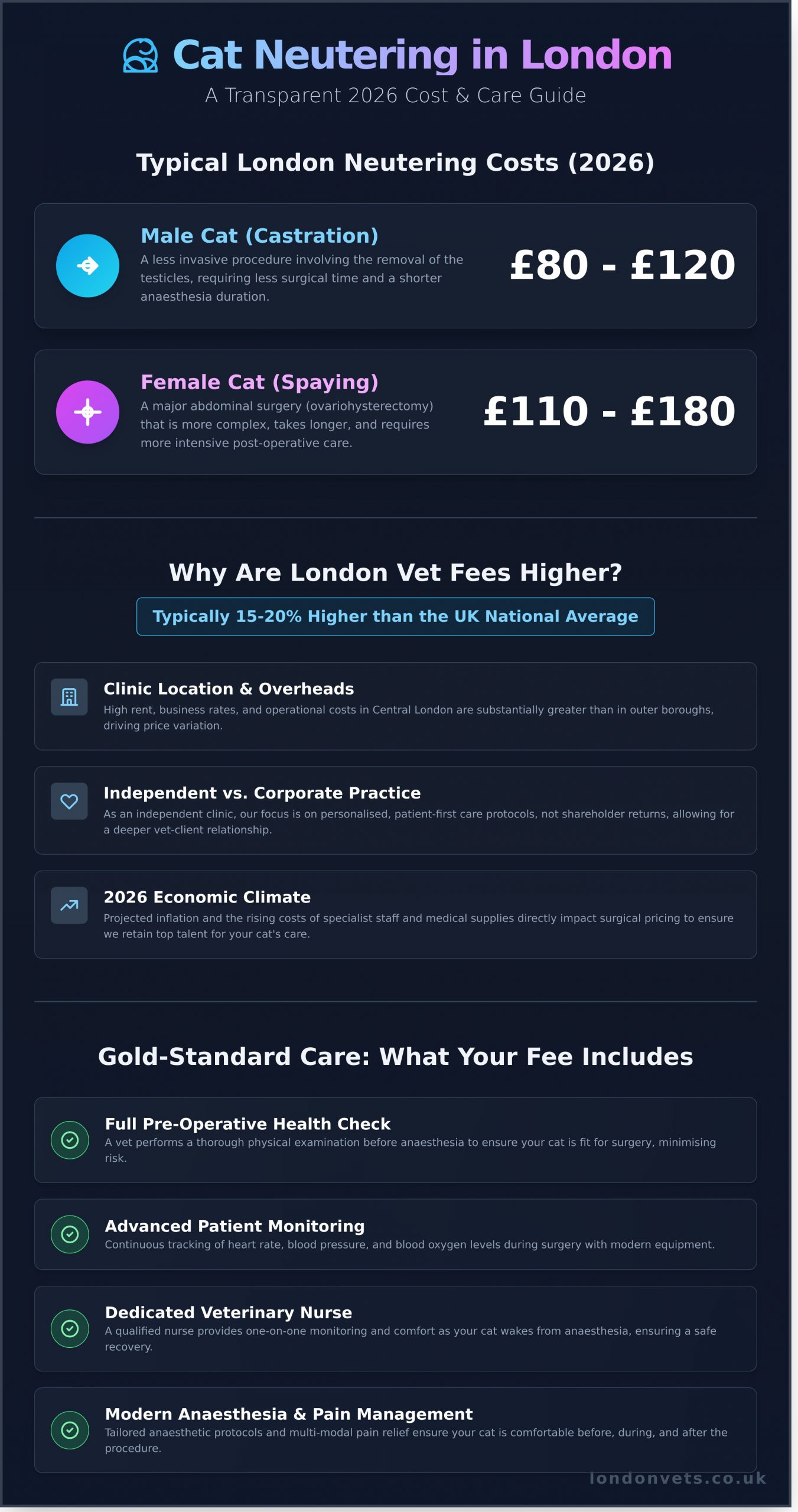
Geographic location plays a massive role in veterinary pricing. Clinics in urban areas with high commercial rents and higher payroll requirements for skilled staff will naturally charge more than rural, low-overhead facilities. Additionally, a specialized veterinary hospital equipped with advanced diagnostic imaging and surgical suites will have higher operating costs than a basic outpatient clinic.
Typical Cost Comparison by Provider Type
The variance in costs often correlates with the business model of the service provider. Pet owners should evaluate their specific needs—such as the animal’s age and health status—against the provider types below.
| Provider Type | Expected Price Range | Typical Inclusions | Best Suited For |
|---|---|---|---|
| High-Volume/Non-Profit Clinic | $50 – $250 | Base surgery, anesthesia | Healthy kittens and puppies |
| Private General Practice | $300 – $600 | Pre-op bloodwork, IV fluids, pain meds | General needs, established patients |
| Veterinary Specialty Hospital | $600 – $1,200+ | Full monitoring, board-certified care | Senior pets, complex/cryptorchid cases |
Note: These ranges are estimates based on standard 2026 veterinary pricing structures. Prices vary significantly by region.
Hidden and Essential Ancillary Costs
Beyond the "quoted" price, pet owners must account for ancillary services that are often necessary for a safe recovery. Failure to plan for these can lead to unexpected billing at checkout.
Pain Management
Effective pain control is an ethical and medical standard. This usually includes a pre-operative injection of an opioid or NSAID (non-steroidal anti-inflammatory drug), followed by oral pain medication for the pet to take home for the first few days of recovery. Ensure your quote clarifies whether these medications are included or billed as "take-home" extras.
E-Collars and Recovery Gear
The "cone of shame," or Elizabethan collar (E-collar), is a non-negotiable expense. It prevents the pet from licking or chewing at the incision site, which is the primary cause of post-operative complications like infections and wound dehiscence (reopening of the stitches). If the clinic does not provide a high-quality, comfortable collar, you may need to purchase one separately.
Post-Operative Complications
While complications are rare when standard procedures are followed, they can occur. If a pet manages to remove its stitches or develops a site infection, the cost of a "re-check" exam or secondary repair surgery will be incurred. It is standard practice to ask the clinic about their policy regarding post-operative complications arising shortly after the primary surgery.
Preparing for the Procedure
To manage costs effectively, preparation is key. Owners should schedule a consultation prior to the surgery day to get an itemized estimate.
- Request a Detailed Estimate: Always ask for a written, itemized breakdown. If a clinic provides a "lump sum" quote, ask for the specific components included.
- Inquire About Requirements: Ask if the clinic requires specific vaccinations (such as rabies) to be up to date before surgery. If they are not, you will face an additional vaccination fee on the day of the procedure.
- Check for "All-Inclusive" Packages: Some clinics offer "neuter packages" that bundle the exam, bloodwork, surgery, and pain medication. These can sometimes offer a slight discount compared to paying for every line item individually.
Frequently Asked Questions
Does pet insurance cover the cost of neuter surgery?
Generally, no. Most standard pet insurance policies classify neutering as a "routine" or "preventative" procedure. Unless you have purchased an optional "wellness" or "preventative care" rider for your policy, the surgery will likely be an out-of-pocket expense.
Why do some clinics charge significantly more for larger dogs?
Weight-based pricing is standard because larger animals require more anesthesia, higher dosages of pain medication, and increased effort from staff to safely transport and position the animal on the operating table.
What is a cryptorchid neuter and why does it cost more?
A cryptorchid neuter is a surgery performed on a male animal whose testicles have not descended into the scrotum. This is considered a more complex, abdominal surgery that carries higher risks and requires more time in the operating room.
Are low-cost clinics less safe than private hospitals?
Not necessarily, but they operate differently. High-volume, low-cost clinics often focus on efficiency to provide access to care. While they are usually proficient at routine surgeries, they may lack the individual monitoring or advanced emergency equipment found in a private specialty hospital.
Can I bring my own pain medication to save money?
Most veterinary hospitals will not permit this. Licensed clinics have strict protocols for controlled substances and post-operative medications to ensure quality control and safety. They must be able to verify the source and safety of all drugs administered to their patients.
How soon after the surgery can I resume normal activities?
Most veterinarians recommend a 10 to 14-day "rest period." This means no running, jumping, or swimming. While the surgery cost is a one-time fee, the "cost" to the owner also includes the time required to supervise the pet and ensure the incision heals properly.
Final Actionable Recommendation
To ensure you are making the best financial and medical decision for your pet, call two to three local veterinary clinics and ask for an itemized estimate for a "routine neuter." When comparing these, verify that all three include the exact same services—specifically pre-anesthetic bloodwork, IV fluid support, and at least three days of post-operative pain medication. By standardizing the comparison, you will ensure that you are comparing identical services rather than just the lowest "base" price, which often excludes necessary care. If your pet is a senior or has pre-existing health conditions, prioritize a facility that offers high-level anesthetic monitoring over the lowest available price.
Image Gallery