How Standard Units Save Money on Porta Potty Rentals in Portland, Oregon
Standard units provide the most economical sanitation solution in Portland because they have lower manufacturing costs, require less specialized maintenance, and allow for high-density transport. For 2026 projects, opting for these bas...
Standard units provide the most economical sanitation solution in Portland because they have lower manufacturing costs, require less specialized maintenance, and allow for high-density transport. For 2026 projects, opting for these basic models over flushable or luxury alternatives can reduce total rental expenses by 30% to 50% while still meeting essential health and safety requirements.
Contents
Understanding the Technical Specifications of Standard Units
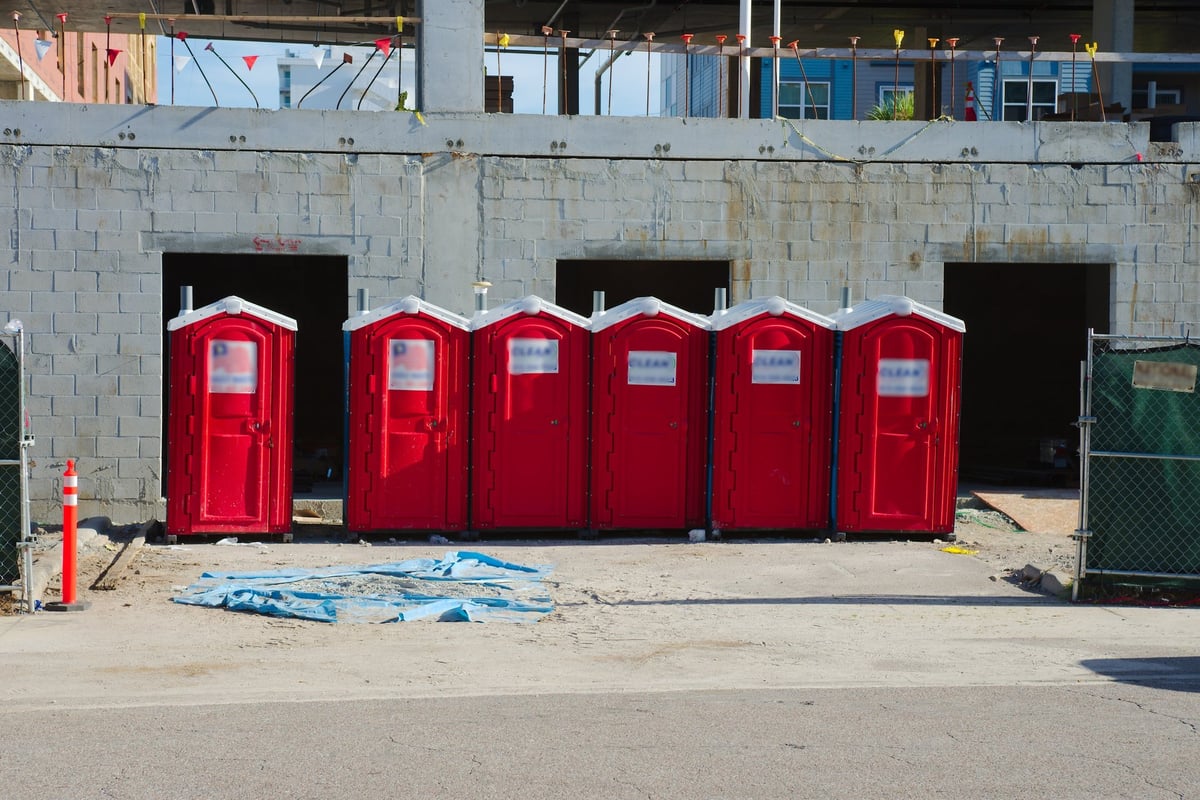
A standard portable toilet, often referred to in the industry as a "static" or "basic" unit, is the workhorse of the sanitation industry. In 2026, these units are typically constructed from high-density polyethylene (HDPE), a durable plastic that resists odors and withstands the variable weather conditions common in the Pacific Northwest. The engineering of these units is focused on simplicity and durability.
Standard units generally feature a footprint of approximately 44 inches by 48 inches and a height of roughly 88 inches. Inside, they house a static holding tank with a capacity of 50 to 60 gallons, a toilet seat, a non-slip floor, and a high-capacity paper dispenser. Most 2026 models also include a standard integrated vent pipe to facilitate airflow and reduce odor buildup. Because they do not include internal plumbing, pumps, or freshwater reservoirs for flushing, the manufacturing and acquisition costs for rental companies remain low, a saving that is passed directly to the consumer in Portland’s competitive market.
Why Standard Units are the Most Cost-Effective Choice
The primary reason standard units save money is the absence of complex mechanical components. Flushable units and luxury trailers require foot pumps, freshwater tanks, and more intricate waste-separation systems. These components are prone to mechanical failure or freezing during Portland’s occasional winter cold snaps, leading to repair costs that inflate rental premiums.
Logistically, standard units are also more efficient for providers to manage. Because they are lighter and have standardized dimensions, a single service truck can transport more units at once compared to heavier ADA-compliant units or large towable trailers. This "density of transport" reduces fuel consumption and labor time per unit delivered. In 2026, with fluctuating fuel prices and the emphasis on carbon footprint reduction in Multnomah County, the logistical efficiency of standard units plays a significant role in keeping rental rates stable for construction sites and large-scale public events.
Furthermore, the servicing process for a standard unit is streamlined. A vacuum truck operator can pump out, sanitize, and restock a standard unit in a fraction of the time it takes to service a unit with complex flushing mechanisms or multi-station sinks. Lower labor requirements translate to lower weekly or monthly service fees.
Comparing Costs: Standard vs. Specialized Units in 2026
When planning a budget for a project in Portland, understanding the price delta between unit types is essential. The following table provides an estimate of average rental costs based on 2026 market trends in the Portland metropolitan area, including Beaverton, Gresham, and Hillsboro.
| Unit Type | Average Weekly Rental (Est. 2026) | Average Monthly Rental (Est. 2026) | Primary Cost Driver | Best Use Case |
|---|---|---|---|---|
| Standard Unit | $95 – $135 | $160 – $210 | Low maintenance, high durability | Construction sites, marathons |
| Flushable Unit | $140 – $185 | $240 – $310 | Internal plumbing, water refills | Weddings, corporate retreats |
| ADA Compliant | $175 – $225 | $290 – $380 | Large footprint, structural steel | Public events (required by law) |
| Luxury Trailer | $800 – $1,500+ | $2,500 – $4,000+ | Climate control, power, water | VIP areas, film sets |
Note: Prices include one standard weekly cleaning. Prices may vary based on delivery distance and local permit requirements.
Navigating Portland’s Permit and Regulatory Requirements
In Portland, the cost of a porta potty rental isn't just the unit itself; it also involves compliance with local regulations. The Portland Bureau of Transportation (PBOT) requires specific permits if a unit is placed on a public right-of-way, such as a sidewalk or a parking lane. These "Street Use" permits carry their own fees, which can add up quickly.
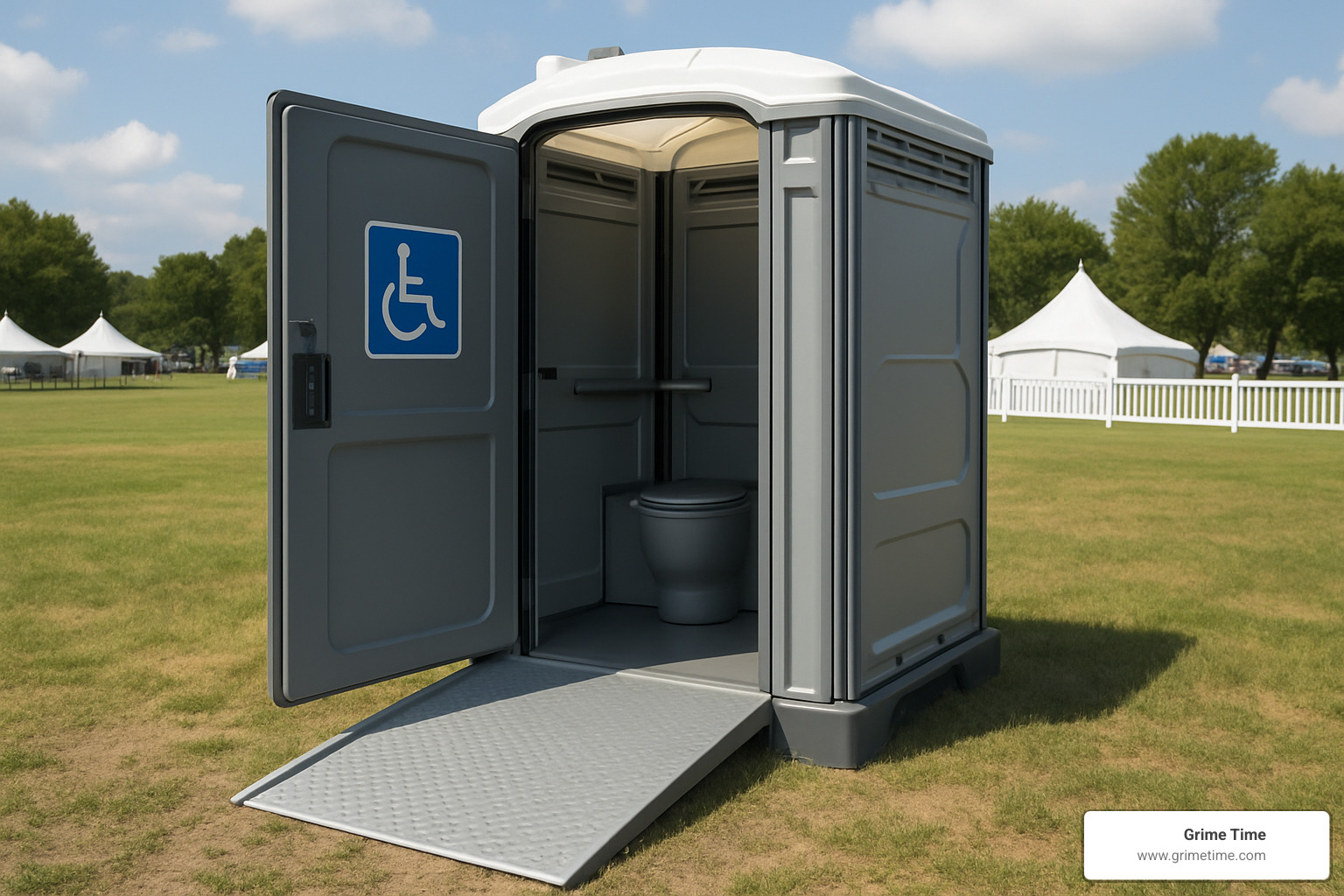
Standard units help mitigate these ancillary costs because of their compact size. An ADA-compliant unit has a much larger footprint (roughly 5 feet by 5 feet or larger), which might necessitate a more expensive permit or the closure of more parking spaces. By using standard units wherever legally permissible, project managers can minimize the square footage occupied on public property, thereby reducing permit expenses.
Additionally, the Oregon Department of Environmental Quality (DEQ) oversees waste disposal standards. Standard units used by reputable Portland vendors are designed to meet these stringent environmental codes, ensuring that waste is contained securely and transported to approved treatment facilities without the risk of leaks that could lead to heavy fines.
Strategic Placement to Minimize Service Fees
One of the most overlooked ways standard units save money is through ease of placement. In the densely packed neighborhoods of Portland, such as the Pearl District or Southeast Hawthorne, space is at a premium. Standard units can be tucked into smaller areas that larger trailers or ADA units cannot access.
To keep costs low, it is vital to place units in a location that is easily accessible for service trucks. A service truck typically needs to get within 15 to 25 feet of the unit to operate the vacuum hose effectively. If a unit is placed in a hard-to-reach spot, the rental company may charge a "long-hose" fee or a "difficult access" premium. Because standard units are relatively light when empty, they can be manually positioned into optimal spots after being offloaded, allowing for better access and avoiding these extra surcharges.
Maintenance and Servicing Schedules in the Portland Climate
Portland’s climate, characterized by significant rainfall for much of the year, impacts how portable toilets are maintained. Standard units are particularly well-suited for this environment. Their simple, sealed design prevents rainwater from entering the holding tank, which would otherwise increase the volume of waste and potentially lead to more frequent—and costly—pump-outs.
In 2026, most rental agreements in Portland include one service visit per week. This service includes:
- Pumping out the waste tank.
- Sanitizing all interior surfaces with hospital-grade cleaners.
- Refilling hand sanitizer dispensers.
- Restocking dual-roll toilet paper.
- Adding deodorizing "blue" solution to the tank.
For high-traffic construction sites, it is often cheaper to rent an additional standard unit than to increase the service frequency of a single unit. Doubling the number of units reduces the "usage load" on each, potentially allowing you to stick to a standard weekly schedule rather than paying for bi-weekly or daily emergency cleanings.
Common Mistakes When Renting Standard Units
While standard units are budget-friendly, poor planning can lead to unexpected expenses. One common mistake is underestimating the number of units required. The Occupational Safety and Health Administration (OSHA) provides clear guidelines for construction sites: one toilet for every 20 employees. Failing to meet these ratios can result in fines and lost productivity.
Another mistake is neglecting to rent at least one ADA-compliant unit for public events. While standard units save money, Oregon law and the Americans with Disabilities Act require accessible facilities for any event open to the public. Attempting to save money by renting only standard units for a public festival in Waterfront Park will result in legal non-compliance and potential lawsuits, far outweighing the initial savings. The most cost-effective strategy is a "hybrid fleet"—one or two ADA units paired with a larger number of standard units.
Frequently Asked Questions
How many standard units do I need for a 100-person event in Portland?
For a four-hour event with 100 attendees where no alcohol is served, two standard units are typically sufficient. However, if alcohol is served or the event lasts longer than four hours, you should increase this to three or four units. Proper estimation prevents "over-capacity" issues that lead to emergency cleaning fees.
Do standard units include hand-washing stations?
Standard units generally include a hand sanitizer dispenser but do not have an internal sink. To save money, many Portland contractors rent separate standalone hand-washing stations or "dual-sink" units that can serve multiple people. This is often more cost-effective than upgrading every single porta potty to a unit with an integrated sink.
Can standard units be used during Portland’s winter months?
Yes. Standard units are made of durable plastics that can withstand freezing temperatures. In 2026, most local vendors use specialized anti-freeze additives in the deodorizing solution to ensure the units remain functional even when temperatures drop below freezing in the Willamette Valley.
Is there a difference between "standard" and "construction" units?
In most cases, these terms are used interchangeably. Both refer to the basic, non-flushing model. However, some companies may offer a "deluxe" standard unit for events that includes a mirror or a slightly nicer interior finish while maintaining the same basic plumbing-free design.
How much lead time is needed for a rental in Portland?
For standard units, a lead time of 48 to 72 hours is usually sufficient. However, during the peak summer festival season in Portland (June through August), it is advisable to book at least two to three weeks in advance to ensure availability and to lock in the best 2026 pricing.
Final Recommendation for Portland Renters
To maximize savings on your next rental, evaluate your site’s specific needs against the simplicity of the standard unit. If you are managing a construction site or a restricted-access industrial zone, the standard unit is undoubtedly the most logical financial choice. Ensure you place the units on a level, hard surface within 20 feet of truck access to avoid "reset" or "difficult service" fees. By focusing on the high-density polyethylene standard models, you leverage the best balance of durability, regulatory compliance, and low overhead available in the 2026 Portland market.
Image Gallery