Understanding the SC Driver’s License Process: A Comprehensive Guide for 2026
Navigating the South Carolina driver’s license process involves meeting specific age requirements, passing vision and knowledge tests, and providing verified documentation to the South Carolina Department of Motor Vehicles (SCDMV). By...
Navigating the South Carolina driver’s license process involves meeting specific age requirements, passing vision and knowledge tests, and providing verified documentation to the South Carolina Department of Motor Vehicles (SCDMV). By 2026, the process heavily emphasizes REAL ID compliance and online appointment scheduling to streamline the transition from a beginner’s permit to a full Class D license.
Contents
The process of obtaining or upgrading a South Carolina driver’s license is governed by a combination of state safety regulations and federal security standards. Whether you are a teenager entering the Graduated Driver’s Licensing (GDL) program, a new resident transferring an out-of-state credential, or an adult seeking a first-time license, understanding the sequence of requirements is essential to avoid multiple trips to the SCDMV. In 2026, the SCDMV continues to prioritize digital integration, though physical visits remain mandatory for skills testing and initial identity verification.
The Graduated Driver’s Licensing (GDL) Program
South Carolina utilizes a Graduated Driver’s Licensing (GDL) system designed to give younger drivers the opportunity to gain experience in low-risk environments before obtaining full driving privileges. This tiered approach is mandatory for all applicants under the age of 18.
Step 1: The Beginner’s Permit
At age 15, an individual is eligible to apply for a beginner’s permit. To obtain this, the applicant must pass a vision screening and a knowledge test based on the SCDMV Driver's Manual. The knowledge test consists of questions regarding South Carolina traffic laws, road signs, and safe driving practices.
If you are under 18, a parent or legal guardian must sign the application. While holding a beginner's permit, you must be accompanied by a licensed driver who is at least 21 years old and has at least one year of driving experience. This supervisor must sit in the front passenger seat. In 2026, permits are valid for 12 months, and you must hold the permit for at least 180 days before moving to the next phase.
Step 2: The Conditional Driver’s License
Once a driver turns 15 and a half and has held their beginner’s permit for at least 180 days, they may apply for a Conditional License. This stage requires passing a road skills test. Additionally, the applicant must submit a certification (Form PDLA) confirming they have completed at least 40 hours of driving practice, including 10 hours at night, and have completed a state-approved driver’s education course.
The Conditional License comes with specific restrictions:
- Daylight Driving: You may drive alone from 6:00 AM to 6:00 PM (or 8:00 PM during Daylight Saving Time).
- Nighttime Restrictions: You may drive until midnight if accompanied by a licensed parent or guardian.
- Passenger Limits: You may not transport more than two passengers under the age of 21 unless accompanied by a licensed adult, except for immediate family members.
Step 3: The Special Restricted License
At age 16, a driver who has held a Conditional License for one year without any traffic violations or "at-fault" accidents may transition to a Special Restricted License. This license has the same time restrictions as the Conditional License, but the driver can apply for a waiver if they need to drive for work or school activities during restricted hours.
Documentation and the REAL ID Standard
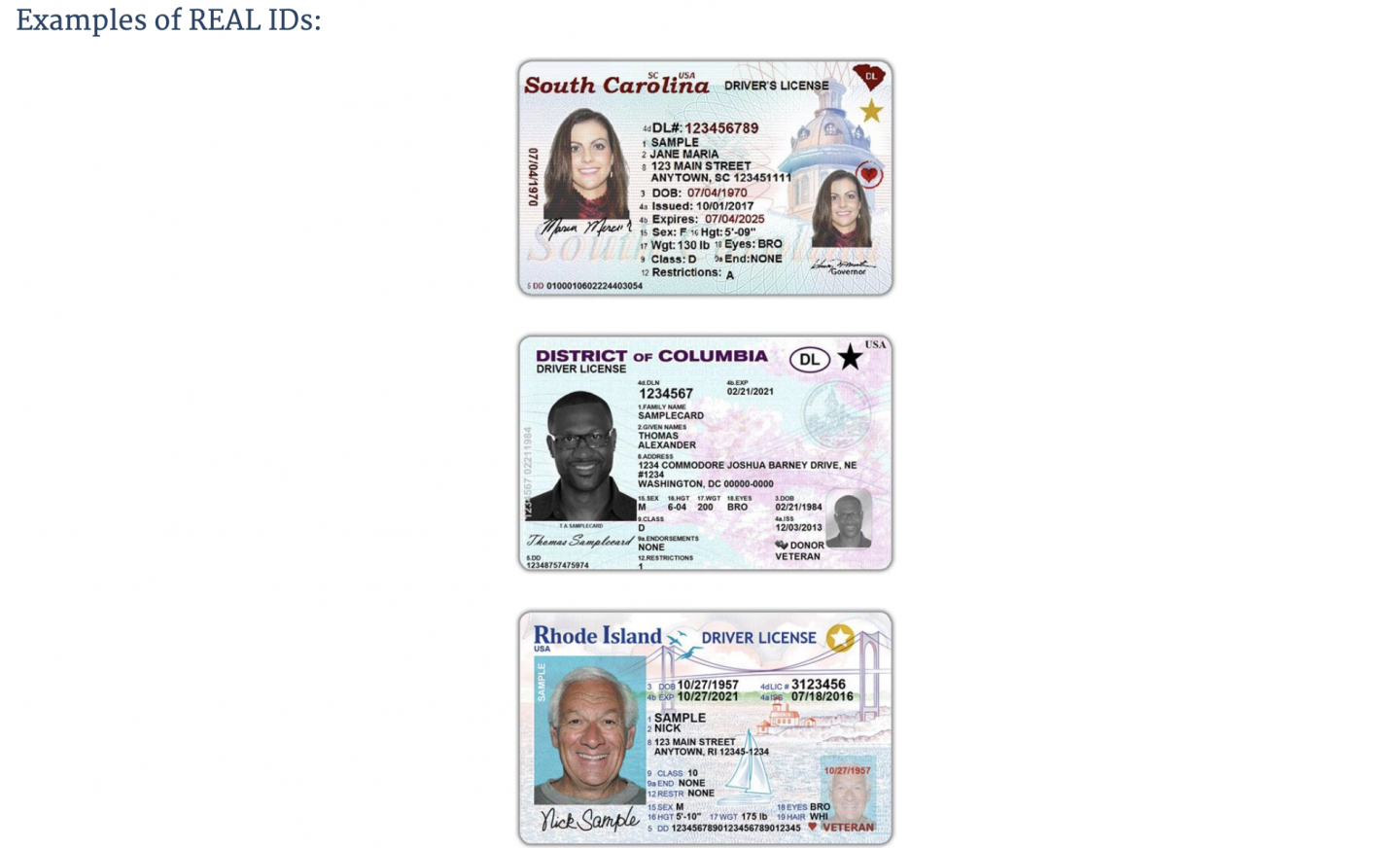
By 2026, the REAL ID Act is fully enforced for all federal purposes, including boarding domestic flights and entering secure federal facilities. The SCDMV issues both "Standard" licenses and "REAL ID" licenses. While the standard license allows you to drive, most South Carolinians opt for the REAL ID to avoid needing a passport for domestic travel.
To secure a license, you must provide original versions or certified copies of the following:
- Proof of Identity and Citizenship: A government-issued birth certificate or a valid U.S. Passport.
- Social Security Number: Your Social Security card or a formal document (like a W-2) that displays your full SSN.
- Two Proofs of South Carolina Residency: These must be physical address documents dated within the last 90 days. Acceptable examples include utility bills, mortgage statements, or employment records. Handwritten documents or "junk mail" are generally not accepted.
- Proof of Legal Name Change: If your current name differs from your birth certificate, you must provide a marriage license, divorce decree, or court order.
The Social Security Administration provides guidance on obtaining replacement cards if you lack the necessary SSN documentation for the SCDMV.
Knowledge and Road Skills Testing
The testing phase is the most critical hurdle in the SC driver’s license process. In 2026, the SCDMV encourages applicants to schedule these tests online to reduce wait times at local branches.
The Knowledge Test
The written exam is administered via computer at SCDMV locations. It covers right-of-way rules, signaling, speed limits, and the effects of alcohol on driving. A score of 80% or higher is typically required to pass. If you fail the knowledge test, you must wait at least two days before attempting it again and pay a re-test fee.
The Road Skills Test
The road test evaluates your ability to operate a vehicle safely in real-world conditions. You must provide a vehicle that is in safe working order (functional lights, brakes, and horn) and has valid registration and insurance. The examiner will grade you on:
- Basic Maneuvers: Three-point turns, parallel parking, and reversing in a straight line.
- Traffic Interaction: Proper lane changes, observation of traffic signals, and yielding the right-of-way.
- Vehicle Control: Smooth braking, acceleration, and steering.
If you fail the road test, the waiting period to retake it varies. For a first-time failure, the wait is typically two days; subsequent failures may require a waiting period of up to 60 days to allow for further practice.
New Residents and Out-of-State Transfers
If you move to South Carolina from another state, you have 90 days to obtain a South Carolina driver’s license. If your out-of-state license is valid or has been expired for less than nine months, the SCDMV will generally waive the knowledge and road skills tests. However, you must still pass the vision screening.
When transferring your license, you must surrender your out-of-state credential. You are also required to register your vehicle in South Carolina within 45 days of establishing residency. This involves paying the Infrastructure Maintenance Fee (IMF), which is 5% of the vehicle’s purchase price, capped at $500 as of 2026.
Summary of Fees and Validity
The cost of a South Carolina driver's license is relatively low compared to the national average, but fees are subject to periodic adjustments.
| License Type | Validity Period | Estimated Fee (2026) | Requirements |
|---|---|---|---|
| Beginner's Permit | 12 Months | $2.50 | Knowledge & Vision Tests |
| Class D (Standard/REAL ID) | 8 Years | $25.00 | Full Testing or Transfer |
| Class D (Alternative) | 4 Years | $12.50 | Full Testing or Transfer |
| Knowledge Test Fee | Per Attempt | $2.00 | Appointment Recommended |
| Road Skills Test Fee | Per Attempt | Free (Initial) | Vehicle & Insurance Proof |
Note: All fees are subject to change. Some branches may charge a convenience fee for third-party services.
Frequently Asked Questions
Do I need a REAL ID to drive in South Carolina in 2026?
No, a standard South Carolina license is sufficient for legal driving. However, because the federal REAL ID enforcement deadline passed in 2025, a standard license will not be accepted for boarding domestic commercial flights or entering military bases. If you do not have a passport, obtaining the REAL ID version of the SC license is highly recommended.
Can I renew my South Carolina license online?
In 2026, many drivers are eligible for online renewal if their previous license was a REAL ID and their vision is still within legal limits. However, if you are upgrading from a standard license to a REAL ID for the first time, or if your license has been expired for more than nine months, you must visit an SCDMV branch in person.
What happens if I fail the road test three times?
If you fail the road skills test three times, the SCDMV requires a significant waiting period—usually 60 days—before you can attempt it again. This period is intended to ensure the applicant seeks professional instruction or extensive supervised practice to address the safety deficiencies identified during the failed attempts.
Are there medical requirements for an SC driver’s license?
All applicants must pass a vision screening with or without corrective lenses. If you have a physical or mental condition that might impair your ability to drive safely, the SCDMV may require a Medical Report (Form DL-63) completed by a licensed physician. Common conditions requiring disclosure include epilepsy, significant cardiovascular issues, or vision impairment that cannot be corrected to 20/40.
How do I replace a lost or stolen South Carolina license?
If your license is lost or stolen, you can order a replacement online through the SCDMV website if your address is current and your license is not suspended. There is a fee for the replacement. If you need to change your address or legal name during this process, you must visit a branch with the appropriate residency or name-change documentation.
Final Recommendations for Applicants
To ensure a smooth experience with the South Carolina driver's license process, applicants should prioritize the gathering of "Gold Standard" documents early. Ensure your birth certificate is a long-form certified copy and that your residency documents (like utility bills) are printed and recent.
Before heading to the SCDMV, use the online document checklist tool provided on the official SCDMV website to verify you have the correct items. Finally, if you are taking a road test, perform a "pre-trip" inspection on your own vehicle to ensure all bulbs and safety features are operational, as many applicants are turned away before the test even begins due to vehicle equipment failures.
Image Gallery