Taylor Sheridan: The Cinematic Blueprint of Modern Americana and Western Dramas
Taylor Sheridan has redefined contemporary television by transforming the modern Western genre into a dominant cultural force, anchoring massive franchises through meticulous world-building, gritty realism, and high-stakes character co...
Taylor Sheridan has redefined contemporary television by transforming the modern Western genre into a dominant cultural force, anchoring massive franchises through meticulous world-building, gritty realism, and high-stakes character conflicts. While the proper spelling of the entity is Taylor Sheridan, audiences frequently search for variations when tracking his prolific output as a writer, director, showrunner, and actor.
Contents
Understanding the mechanics of Taylor Sheridan's creative ecosystem requires examining his distinct writing philosophy, his multi-layered production slates, and the specific narrative structures that drive his massive commercial success. From his early days as an indie screenwriter to orchestrating a sprawling multi-series universe for Paramount, Sheridan operates with a rare autonomy in Hollywood, writing nearly every episode of his television series himself rather than relying traditional writers' rooms.
The Evolution of a Modern Auteur
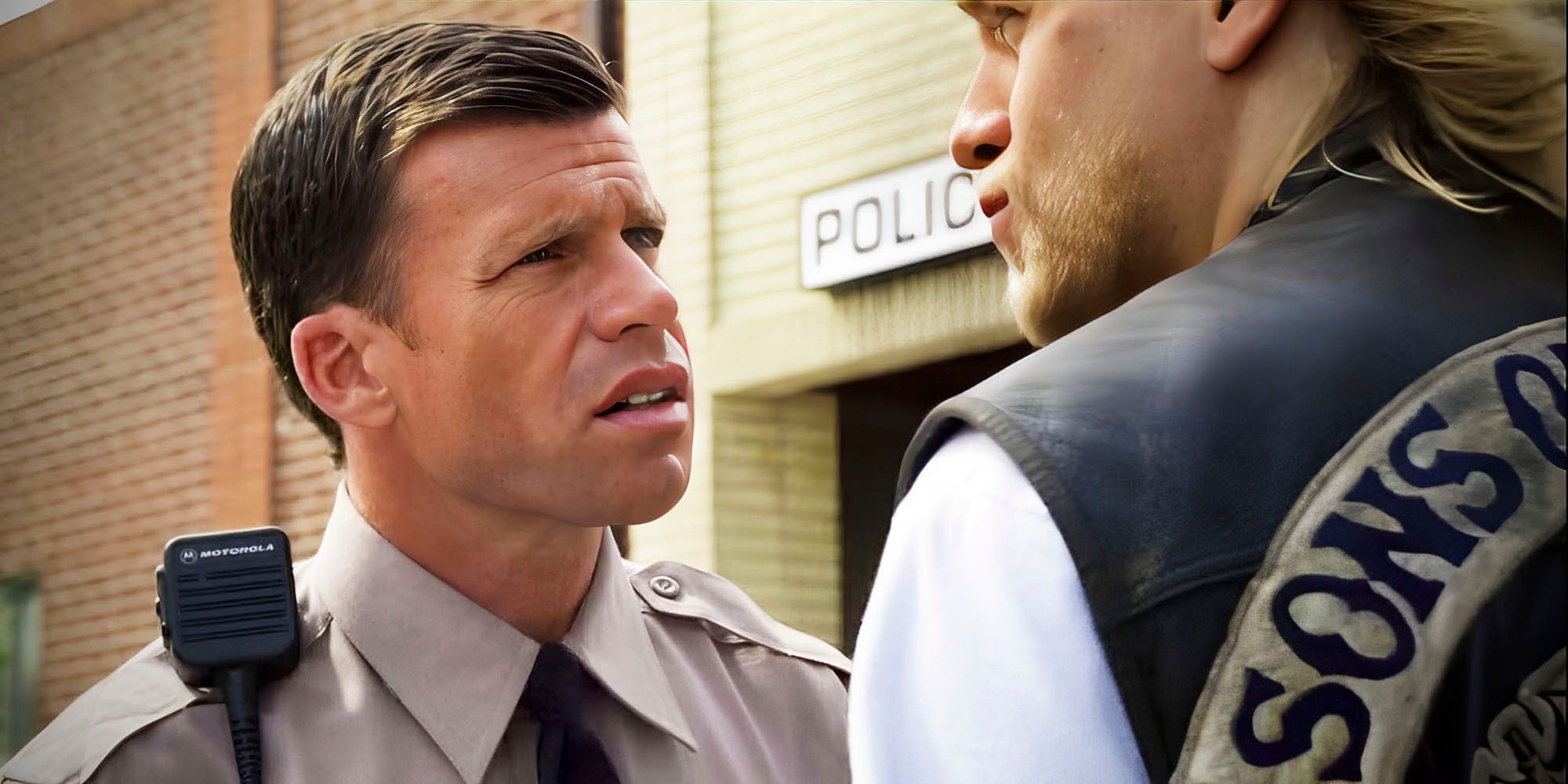
Sheridan's entry into the entertainment industry did not follow a conventional Hollywood trajectory. After spending years working as a jobbing actor on television series such as Sons of Anarchy and Veronica Mars, he transitioned to screenwriting in his early forties. This late-career shift provided him with a distinct perspective on narrative pacing, character motivation, and the economic realities of modern rural America.
His breakthrough arrived as a screenwriter with a trilogy of modern American frontier films that explored the shifting cultural and economic landscapes of the American West:
- Sicario (2015): Directed by Denis Villeneuve, this intense thriller examined the moral ambiguities and systemic violence of the United States-Mexico drug war through the eyes of an idealistic FBI agent.
- Hell or High Water (2016): Directed by David Mackenzie, this modern neo-Western crime drama focused on two brothers executing a series of bank robberies to save their family ranch from foreclosure, earning Sheridan an Academy Award nomination for Best Original Screenplay.
- Wind River (2017): Marking his feature directorial debut, this stark murder mystery set on a remote Wyoming Native American reservation highlighted the systemic neglect and jurisdictional challenges facing Indigenous communities.
These cinematic projects established the thematic foundation of his later television work: the erosion of traditional ways of life, the conflict between corporate greed and generational land ownership, and the harsh compromises required to maintain justice on the fringes of society.
Decoding the Television Empire
Transitioning from feature films to serialized television, Sheridan leveraged his cinematic sensibility to create high-budget, star-studded dramas that appeal to audiences traditionally underserved by coastal-centric network programming. His partnership with Paramount Global resulted in the creation of a vast production universe anchored by flagship properties and ambitious prequels.
The Yellowstone Universe and Prequels
The flagship series Yellowstone, which premiered in 2018, follows the Dutton family, owners of the largest contiguous cattle ranch in the United States. The narrative explores constant conflicts with land developers, an Indian reservation, and America's first national park. Rather than concluding with the flagship series, Sheridan expanded the intellectual property backward in time to explain the origins of the family's land acquisition:
- 1883: A gritty, ten-episode limited series following the Dutton family's perilous wagon train journey across the Great Plains to settle in Montana.
- 1923: Starring Harrison Ford and Helen Mirren, this series examines the family battling historical hardships including Prohibition, the Great Depression, and early modernization in the mountain West.
Contemporary Expansion and Crime Dramas
Beyond the ranching epics, Sheridan diversified his portfolio with contemporary dramas set in distinct geographical and industrial milicues:
- Mayor of Kingstown: Set in a Michigan company town where the sole remaining industry is federal, state, and private incarceration, this gritty drama examines systemic corruption and the brutal brokerage required to keep institutional peace.
- Tulsa King: A fish-out-of-water mob drama starring Sylvester Stallone as a New York mafia capo exiled to Oklahoma after serving a lengthy prison sentence, where he builds a new criminal empire from scratch.
- Lioness: A geopolitical espionage thriller series inspired by a real-life CIA program, focusing on undercover operatives embedding themselves within terror networks.
- Landman: Set in the booming, high-stakes world of West Texas oil rigs, this series explores roughnecks, corporate billionaires, and the environmental and economic volatility of the petroleum industry.
Key Creative Characteristics and Production Style
Sheridan's work is defined by several consistent technical and narrative trademarks that set his productions apart from standard network and streaming fare.
The Solo-Writing Methodology Unlike standard television production models that utilize large writers' rooms to break stories and draft scripts collaboratively, Sheridan writes the vast majority of his episodes entirely by himself. This unconventional approach ensures absolute tonal consistency, rapid production turnaround times, and distinct authorial voice across multiple concurrent series.
Narrative Mechanics and Thematic Priorities
- The Land as a Character: Geography is never merely a backdrop in a Sheridan production; the physical terrain dictates the economic survival, moral choices, and eventual fate of the characters.
- Pragmatic Dialogue: Characters typically speak in spare, deliberate cadences, favoring understated pragmatism and philosophical observations over exposition-heavy dialogue.
- Moral Gray Areas: Heroes and villains rarely fit clean archetypes. Law enforcement officers, criminals, ranchers, and corporate executives frequently operate across ethical boundaries to protect their interests.
- A-List Cinematic Talent: Sheridan routinely attracts major film stars—including Kevin Costner, Harrison Ford, Helen Mirren, Jeremy Renner, Sylvester Stallone, and Nicole Kidman—to episodic television through rich character arcs and high production values.
Comparing the Major Taylor Sheridan Series
To understand the scope of his television footprint, it is helpful to compare the primary series across setting, core conflict, and stylistic focus.
| Series Title | Primary Setting | Core Conflict | Tone & Style |
|---|---|---|---|
| Yellowstone | Montana Ranch Country | Land preservation vs. corporate development and political expansion | Epic melodrama, modern Western, family saga |
| Mayor of Kingstown | Michigan Prison Town | Institutional corruption and systemic criminal management | Gritty, bleak, urban crime thriller |
| 1923 | Montana / Global Expeditions | Generational survival through historical economic and social crises | Historical epic, rugged frontier survivalism |
| Tulsa King | Tulsa, Oklahoma | Traditional organized crime adapting to a modern Midwestern market | Dark comedy, mob drama, fish-out-of-water |
| Landman | West Texas Oil Fields | Corporate greed, environmental volatility, and roughneck culture | High-stakes industrial drama, modern frontier |
Production Logistics and Industry Impact
Sheridan's influence extends beyond creative output to reshape regional production economics. By establishing major production hubs in Texas, Oklahoma, and Montana, his projects have channeled hundreds of millions of dollars into local economies, creating permanent infrastructure and training programs for regional film crews outside traditional coastal hubs like Los Angeles and New York.
Furthermore, his series have demonstrated the commercial viability of targeting demographic segments that major streaming services historically ignored. By prioritizing rural aesthetics, blue-collar trades, and traditional American iconography, Sheridan proved that prestige-level production values can successfully merge with mass-market appeal.
Frequently Asked Questions
Who is Taylor Sheridan and what is he best known for?
Taylor Sheridan is an American filmmaker, writer, and showrunner best known for creating the hit television franchise Yellowstone and writing Academy Award-nominated screenplays like Hell or High Water. He has become one of the most prolific and influential creators in modern television.
Does Taylor Sheridan write all of his own television episodes?
Yes, unlike conventional television showrunners who manage large writers' rooms, Sheridan personally writes the vast majority of scripts for his series, including Yellowstone, Mayor of Kingstown, and Tulsa King. This practice allows him to maintain complete creative control and rapid production schedules.
What are Taylor Sheridan's most notable feature films?
His most notable feature film credits include screenwriting the modern frontier trilogy comprising Sicario (2015), Hell or High Water (2016), and directing and writing Wind River (2017). These projects established his reputation for gritty realism and incisive explorations of the American landscape.
How does the Yellowstone prequel series timeline function?
The Yellowstone universe uses historical prequels to explain the founding and defense of the Dutton family ranch. 1883 explores the family's initial migration across the American frontier, while 1923 follows a subsequent generation battling the Great Depression and early modernization.
Where are Taylor Sheridan's television series typically filmed?
While earlier productions were primarily based in Utah and Montana, Sheridan has increasingly shifted physical production to permanent studios and locations in Texas and Oklahoma, aligning with the settings of his contemporary series like Tulsa King and Landman.
Practical Strategy for Aspiring Writers and Industry Analysts
For writers studying contemporary screenwriting or industry analysts evaluating modern media conglomerates, examining Sheridan's career offers clear lessons in vertical integration and personal branding. His success stems from identifying underserved audiences, maintaining absolute artistic autonomy, and delivering consistent tonal execution across multiple platforms. Whether analyzing his feature film scripts for structural tightness or studying his television slate for franchise scalability, Sheridan's body of work remains a defining blueprint for modern entertainment production.
Image Gallery