Mold Inspection and Remediation Services: Complete Guide to Testing, Removal, and Prevention
Mold inspection and remediation services diagnose indoor moisture problems, identify fungal contamination, and safely eliminate active mold growth from residential and commercial properties. Certified environmental professionals use mo...
Mold inspection and remediation services diagnose indoor moisture problems, identify fungal contamination, and safely eliminate active mold growth from residential and commercial properties. Certified environmental professionals use moisture meters, infrared thermography, air sampling, and negative-pressure containment to isolate spores, remove contaminated building materials, and restore safe indoor air quality according to established industry standards.
Contents
Understanding Mold Growth and Indoor Health Risks
Mold spores exist naturally in both outdoor and indoor environments. However, indoor mold growth becomes a serious structural and health issue when indoor relative humidity levels exceed 60% or when unaddressed water intrusion occurs. Fungal organisms require three core components to colonize: moisture, oxygen, and an organic nutrient source. Common building materials such as drywall cellulose, wood framing, ceiling tiles, carpet padding, and paper-faced insulation provide an ideal substrate for fungal growth once saturated.
When mold colonies mature, they release microscopic reproductive spores, volatile organic compounds (VOCs), and, in certain species, secondary toxic metabolites known as mycotoxins into the indoor air supply. Common fungal genera identified during residential and commercial inspections include:
- Aspergillus / Penicillium: Frequently discovered in indoor air samples following chronic humidity elevation or water damage; capable of spreading rapidly through HVAC systems.
- Cladosporium: A widespread indoor and outdoor fungus that colonizes wood structural members, textiles, and fiberglass duct liners.
- Stachybotrys chartarum: Commonly referred to as "black mold," this greenish-black species thrives on cellulose-rich building materials exposed to prolonged, severe water damage.
- Alternaria: A common outdoor allergen that propagates indoors on damp surfaces such as window sills, drywall, and bathroom tiles.
Exposure to elevated indoor spore levels can trigger upper respiratory irritation, sinus congestion, coughing, exacerbation of asthma, and skin reactions. Immunocompromised individuals and those with chronic respiratory conditions face heightened vulnerability to fungal infections. Beyond health concerns, persistent fungal growth compromises structural integrity by breaking down wood fibers and deteriorating drywall cores over extended periods.
Disclaimer: This guide provides technical and operational details regarding property inspection and environmental remediation. Property owners experiencing adverse health symptoms suspected to stem from indoor mold exposure should consult a qualified medical professional or clinical allergist.
For official guidance on environmental health risks associated with dampness and fungal exposure, consult the Centers for Disease Control and Prevention guidance on mold exposure.
Mold Inspection vs. Mold Remediation: Key Differences
Understanding the operational distinction between a mold inspection (assessment) and mold remediation (cleanup) is critical when evaluating professional services.
- Mold Assessment & Testing
- Visual Inspection & Moisture Mapping (Infrared / Hygrometers)
- Air & Surface Sampling (Spore Traps / Swabs / Tape Lifts)
- Laboratory Analysis (AIHA-Accredited Fungal Quantification)
- Generation of Remediation Scope of Work (Protocol Document)
- Physical Mold Remediation
- Moisture Source Repair & Structural Drying
- Isolation Containment Setup (6-Mil Poly Sheeting & HEPA Air)
- Removal of Non-Salvageable Porous Materials (Drywall, Carpet)
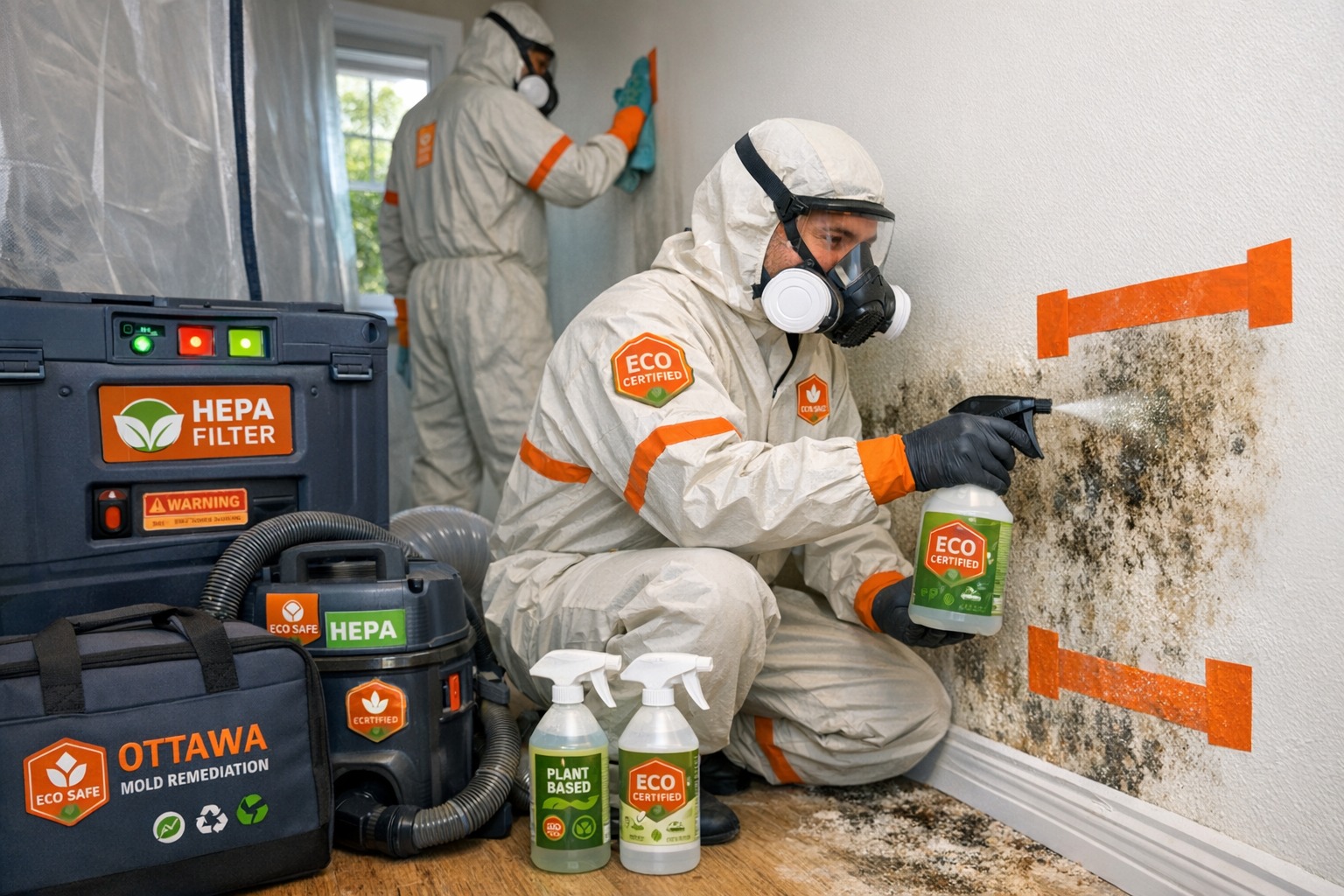
- HEPA Vacuuming, Wire Brushing, & Antimicrobial Application
- Third-Party Post-Remediation Clearance Testing (PRCT)
Mold Inspection and Assessment
A mold inspection is an investigative, diagnostic evaluation performed to determine the presence, location, extent, and cause of fungal growth. Certified mold inspectors conduct visual examinations, analyze moisture patterns using specialized tools, collect air and surface samples, and author a detailed scope of work (remediation protocol). The primary objective of an inspection is to establish whether an abnormal indoor fungal ecology exists and to define the precise boundary of affected zones.
Mold Remediation
Mold remediation is the physical execution of containment, cleanup, structural drying, and material removal based on the assessment findings. Remediators isolate contaminated zones using plastic barriers and negative air filtration, physically remove damaged porous substrates, sanitize non-porous elements, and apply EPA-registered antimicrobial sealants to inhibit recurrent fungal development.
Conflict of Interest Regulations
To protect consumers from predatory practices, several states—including Florida, New York, and Texas—have enacted statutory regulations prohibiting the same company from performing both the initial mold assessment/testing and the subsequent remediation work on the same property. Maintaining independence between the assessor and the contractor ensures that the remediation protocol is unbiased and that post-remediation clearance testing remains objective.
The Professional Mold Inspection Process
A thorough mold assessment follows a structured diagnostic protocol to uncover visible and hidden moisture sources. Professional inspectors execute four primary stages during a standard evaluation:
1. Visual Examination and Moisture Mapping
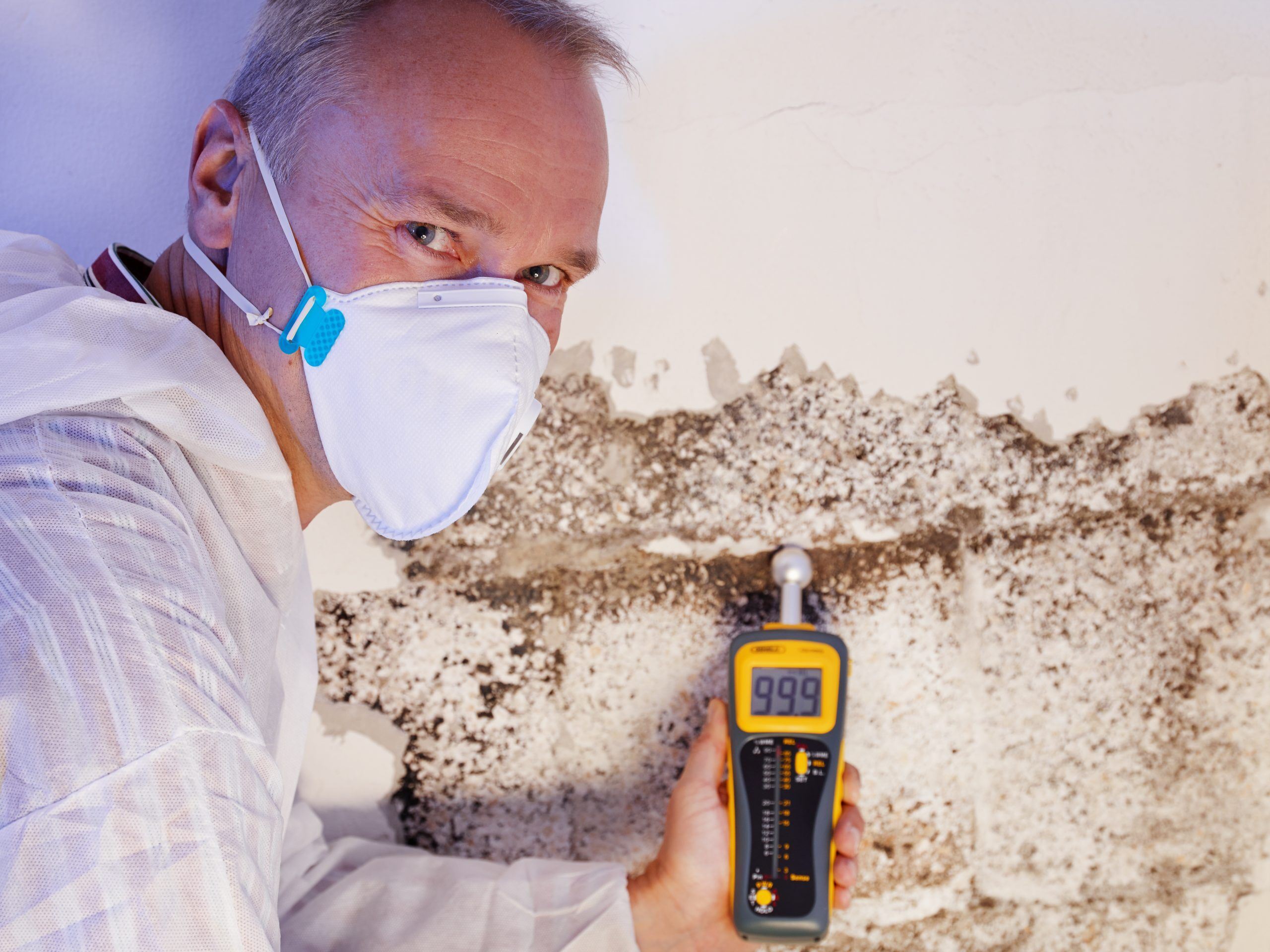
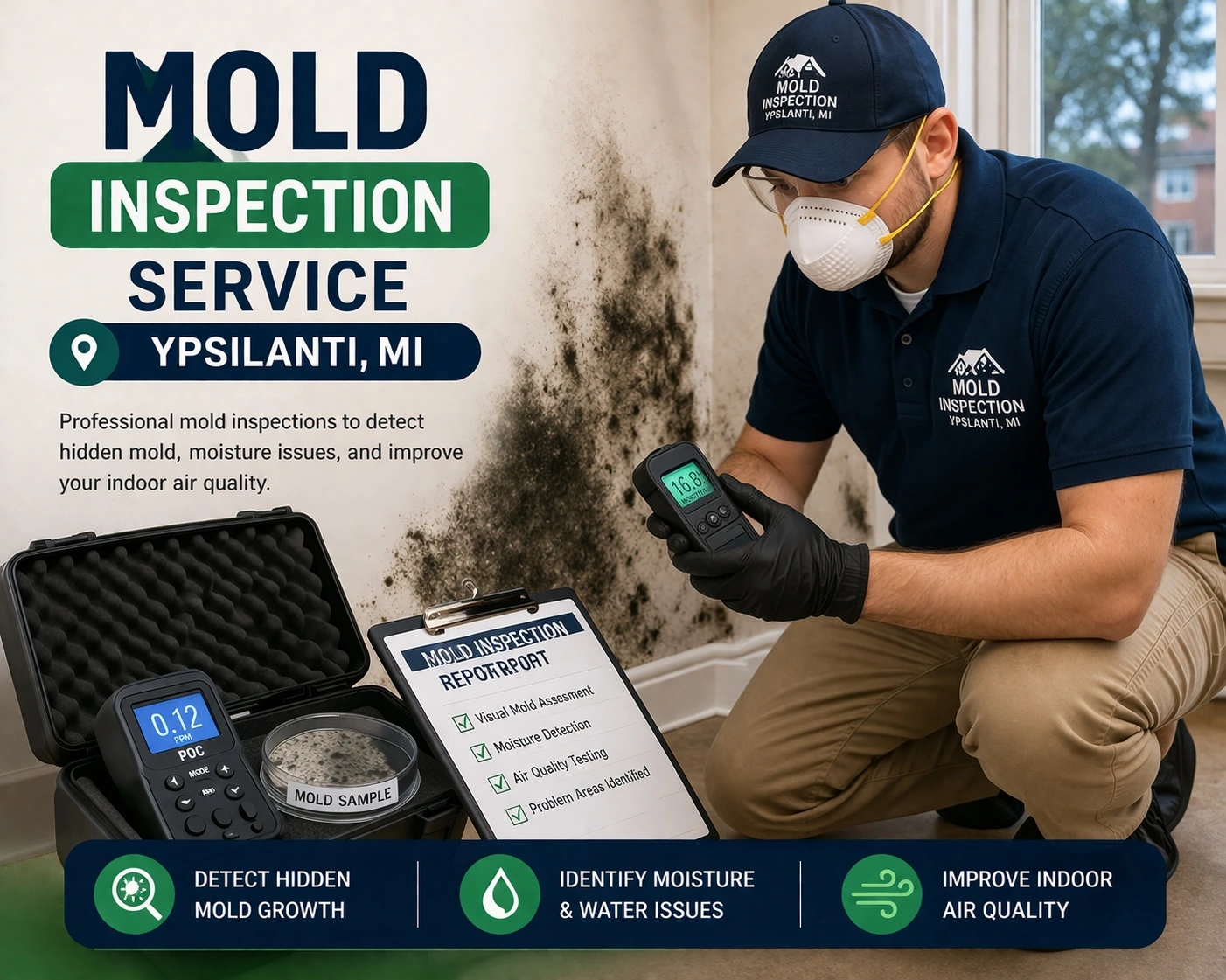
Inspectors examine accessible areas, focusing on high-risk locations such as basements, crawlspaces, attics, beneath sink vanities, and surrounding HVAC air handlers. Professionals deploy diagnostic instruments to identify hidden moisture:
- Pin-Type and Pinless Moisture Meters: Measure the percentage of moisture content (%MC) within building materials like timber, subflooring, and sheetrock.
- Hygrometers: Assess ambient air temperature and relative humidity levels to identify microclimates prone to condensation.
- Infrared Thermal Imaging Cameras: Detect subtle temperature differentials across wall cavities and ceiling structures, pinpointing hidden water leaks and wet insulation behind intact drywall.
2. Environmental Sampling Methodologies
When fungal growth is hidden or air quality concerns exist, inspectors collect representative samples for laboratory quantification:
- Spore Trap Air Sampling: Calibrated air sampling pumps draw a precise volume of air (typically 15 liters per minute over a 5-minute interval) through an impactor cassette (such as an Air-O-Cell). Spores adhere to a glass slide coated with a viscous collection medium.
- Outdoor Baseline Sampling: Inspectors take at least one outdoor baseline sample concurrently with indoor samples. Outdoor fungal concentrations serve as a comparative control to determine whether indoor spore counts exceed ambient outdoor levels.
- Surface Sampling: Swabs, tape lifts, or direct bulk material samples are collected from visible growth to verify fungal genera and confirm active colonization versus dust accumulation.
3. Accredited Laboratory Analysis
Samples are dispatched to an independent environmental laboratory accredited by the American Industrial Hygiene Association (AIHA) under the Environmental Microbiology Laboratory Accreditation Program (EMLAP). Microscopists analyze cassettes using direct microscopic examination at $400\times$ to $1000\times$ magnification, quantifying fungal spores per cubic meter of air ($\text{spores/m}^3$) and classifying species down to the genus level.
4. Remediation Protocol Generation
If testing confirms abnormal fungal ecology (classified under industry standards as Condition 3), the assessor generates a formal written protocol. This document outlines safety requirements, containment limits, pressure differentials, material disposal guidelines, and specific engineering controls required for the remediation contractor.
The Professional Mold Remediation Workflow
Qualified remediation contractors adhere to strict containment and cleanup workflows defined by the Institute of Inspection, Cleaning and Restoration Certification (IICRC) S520 Standard for Professional Mold Remediation.
- Step 1: Moisture Elimination & Structural Repair
- Step 2: Negative-Pressure Containment Setup
- Step 3: Demolition & HEPA-Filtered Material Removal
- Step 4: Antimicrobial Cleaning & Encapsulation
- Step 5: Independent Post-Remediation Clearance Testing
Step 1: Source Elimination and Moisture Control
Remediation cannot succeed if water intrusion continues. Contractors verify that roof leaks, plumbing breaches, groundwater seepage, or HVAC condensation issues are permanently repaired before beginning containment or structural drying.
Step 2: Isolation and Containment
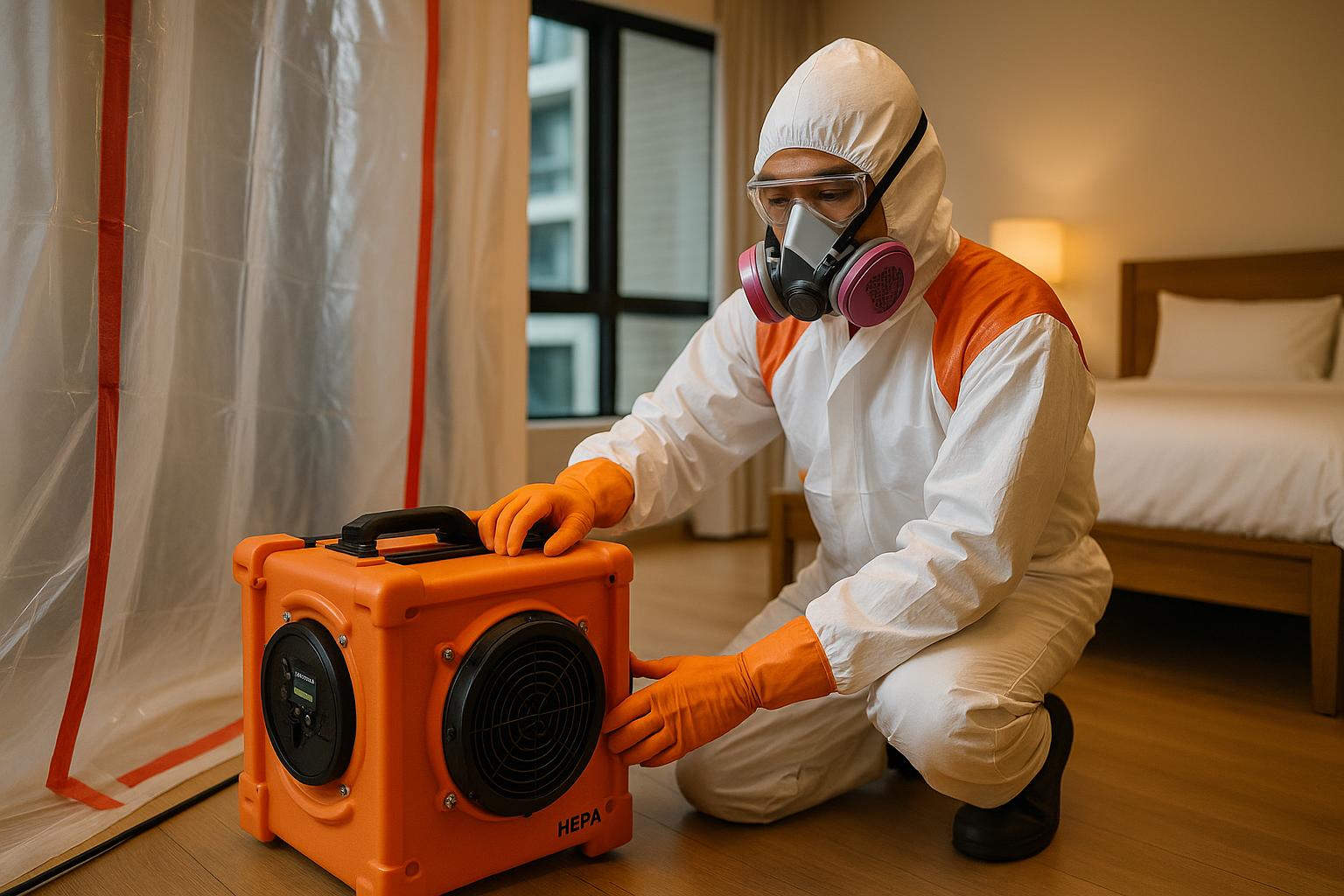
To prevent cross-contamination of uncontaminated living spaces, technicians construct physical barriers using 6-mil flame-retardant polyethylene sheeting sealed with heavy-duty tape and spray adhesive.
- Negative Air Pressure: HEPA-filtered air scrubbing machines run continuously inside the containment zone. By exhausting filtered air outside the structure, workers create negative pressure, ensuring air flows inward into the containment zone rather than leaking outward into clean areas.
- Decontamination Chambers: Multi-stage airlock entries allow technicians wearing Personal Protective Equipment (PPE)—including N95 or P100 respirators, Tyvek suits, and nitrile gloves—to enter and exit without releasing airborne spores.
Step 3: Material Removal and Decontamination
Remediators handle building materials according to their porosity:
- Porous Materials: Drywall, carpet, ceiling tiles, cardboard, and fiberglass insulation holding active mold growth cannot be effectively sanitized. These materials are cut out, sealed in heavy-duty 6-mil poly bags within containment, and safely disposed of.
- Semi-Porous and Non-Porous Materials: Solid wood framing, structural concrete, and masonry are remediated on-site. Technicians clean surfaces using wire brushing, HEPA-vacuuming, or abrasive media blasting (such as dry ice blasting) to physically detach fungal hyphae from structural substrate pores.
Step 4: Antimicrobial Application and Encapsulation
Once physical growth is removed, remaining structural surfaces are scrubbed with EPA-registered fungicides and antimicrobials. After thorough drying, technicians apply specialized fungal-resistant coatings (encapsulants) to wood framing to seal in trace microscopic particles and inhibit future mold colonization in the event of minor future moisture contact.
Step 5: Post-Remediation Clearance Testing (PRCT)
Before containment barriers are dismantled, an independent third-party mold inspector performs a final evaluation. The inspector conducts a rigorous visual verification to confirm the absence of dust, debris, and moisture, followed by indoor air quality sampling within the containment zone. A passing clearance report certifies that indoor spore counts and fungal species are equal to or lower than the outdoor baseline control, indicating the space is safe for reconstruction and re-occupancy.
Cost Factors and Service Pricing Overview
The total investment required for mold inspection and remediation varies significantly based on property size, accessibility, contamination severity, and geographical location.
| Service Category | Typical Price Range (USD) | Key Deliverables Included | Common Project Scenarios |
|---|---|---|---|
| Basic Visual Mold Inspection | $300 – $600 | Visual walk-through report, moisture readings, infrared thermal scan | Pre-purchase home inspection, evaluating minor localized dampness |
| Full Mold Assessment & Lab Testing | $500 – $1,200 | Written report, 3–5 lab air/surface samples, detailed remediation protocol | Post-water-loss claims, hidden leak investigations, health concerns |
| Minor Localized Remediation | $500 – $1,500 | Localized poly barrier, HEPA vacuuming, removal of <10 sq ft affected material | Small bathroom leak, isolated vanity cabinet mold, small closet wall |
| Moderate Structural Remediation | $1,500 – $5,000 | Full containment, negative air, drywall/insulation removal, framing scrubbing | Attic roof leak contamination, crawlspace mold, single room flood |
| Extensive / Whole-House Remediation | $5,000 – $20,000+ | Multi-zone containment, HVAC duct cleaning, structural media blasting, drying | Long-term unaddressed flooding, widespread HVAC contamination, toxic species |
Primary Drivers of Remediation Costs
- Affected Area Extent: Cleanup costs scale directly with square footage and the volume of demolition materials requiring sealed removal and disposal.
- Location Accessibility: Working in tight crawlspaces, unfloored attics, or behind built-in cabinetry increases labor hours, safety gear requirements, and equipment setup complexity.
- HVAC System Contamination: If fungal spores enter central air handlers and ductwork, complete mechanical system cleaning and sanitization add substantial cost to the scope.
- Structural Repair Requirements: Demolition work requires subsequent drywall installation, painting, flooring replacement, and carpentry, which are typically estimated separately from environmental cleanup.
Industry Standards, Certifications, and Licensing
Selecting qualified environmental professionals requires verifying adherence to recognized national standards and state regulatory frameworks.
Governing Industry Standards
- IICRC S520: The primary standard governing professional mold remediation. It establishes procedural standards for assessing Condition 1 (normal background), Condition 2 (settled spores/unaffected structure), and Condition 3 (actual fungal growth/active contamination).
- EPA Guidelines: Technical guidance provided in the U.S. Environmental Protection Agency guidelines on mold remediation offers standard protocols for managing water damage and fungal growth in commercial buildings and schools.
Credentialing Bodies and Certifications
When evaluating inspectors and remediation contractors, verify certifications awarded by recognized independent accredited bodies:
ACAC (American Council for Accredited Certification): Offers board-awarded credentials including Certified Microbial Inspector (CMI), Certified Microbial Consultant (CMC), Certified Microbial Remediation Supervisor (CMRS), and Certified Microbial Remediator (CMR). Learn more at the American Council for Accredited Certification site.
IICRC: Certifies technicians through specialized coursework, including the Applied Microbial Remediation Technician (AMRT) designation.
Qualified Mold Professional
- ACAC Certifications
- CMI (Certified Microbial Inspector)
- CMC (Certified Microbial Consultant)
- CMRS (Certified Microbial Remediation Supervisor)
- IICRC Certifications
- AMRT (Applied Microbial Remediation Technician)
- ACAC Certifications
State Licensing Regulations
Multiple jurisdictions require formal state licensing, mandatory continuing education, and proof of comprehensive insurance coverage for mold contractors. Key states with specific regulatory frameworks include New York (Article 32 of the Labor Law), Florida (Department of Business and Professional Regulation - DBPR), Texas (Texas Department of Licensing and Regulation - TDLR), and Louisiana. Always verify local licensing credentials through state contractor regulatory databases prior to signing agreements.
Selecting a Mold Service Provider and Avoiding Red Flags
Hiring a contractor without proper verification can lead to cross-contamination, incomplete cleanup, or unnecessary expenses. Use the following vetting checklist when selecting a provider:
Essential Provider Checklist
- Proof of Proper Insurance: Confirm the contractor carries standard General Liability insurance and explicit Contractor's Pollution Liability (CPL) insurance. Standard liability policies typically exclude mold and environmental pollution claims.
- Independent Assessment Agreement: Ensure the remediation firm allows independent third-party clearance testing before containment dismantling and final payment release.
- Detailed Written Estimates: The proposal should itemize containment setup, negative pressure controls, demolition boundaries, cleaning protocols, and disposal methods.
- Verifiable References: Request recent local project references involving similar structural contamination scales.
Major Red Flags to Avoid
- Conflict-of-Interest Testing: Be cautious of contractors who offer "free" initial mold testing and subsequently write their own contract to clean up the identified contamination without third-party oversight.
- Relying Solely on Chemical Fogging or Ozone: Chemical fogging or ozone generation alone does not replace the physical containment and removal of heavy mold growth on porous substrates. Dead mold spores retain allergenic and toxic properties and must be physically removed.
- Guarantees of a "100% Mold-Free" Environment: Mold spores exist naturally in all normal outdoor and indoor air environments. Professional goals focus on restoring indoor air quality to a normal baseline (Condition 1), not achieving zero spores.
- Failure to Use Containment: Contractors who begin tearing down moldy drywall using open sledgehammers without plastic containment barriers or HEPA air filtration will spread spores throughout the building.
Frequently Asked Questions
Can I perform mold remediation myself, or do I need a professional?
Small areas of surface mold covering less than 10 square feet (for example, a small patch on bathroom tile grout or vinyl baseboards) can typically be cleaned by property owners using safety goggles, gloves, an N95 mask, and appropriate household disinfectants. However, if fungal growth covers more than 10 square feet, stems from sewage backups, involves central HVAC systems, or affects high-risk individuals, professional remediation is strongly recommended to prevent spore exposure and cross-contamination.
How long does a mold inspection and remediation project take?
An initial mold inspection and moisture-mapping walk-through typically requires 1 to 3 hours, with laboratory analysis taking 24 to 48 hours for standard turnarounds. Physical remediation timelines depend on the project's complexity: localized minor containment projects usually take 1 to 2 days, while extensive structural cleanup, drying, and multi-zone containment can require 3 to 7 business days before post-remediation clearance testing.
Does property insurance cover mold inspection and remediation?
Insurance coverage depends on the policy language and the root cause of the moisture damage. Property insurance policies typically cover mold testing and remediation only if the mold directly results from a covered "sudden and accidental" peril, such as a burst plumbing supply line or appliance discharge. Mold caused by poor maintenance, ongoing deferred repairs, structural leaks, or ground surface flooding is generally excluded, or capped at low policy sub-limits ($5,000 to $10,000).
What is a normal or acceptable mold spore count during testing?
There are no universal federal or numerical threshold limits defining "safe" versus "unsafe" mold spore counts because human sensitivity varies widely. Instead, air testing data is interpreted comparatively: acceptable indoor air quality typically shows total spore counts significantly lower than outdoor baseline control samples, with indoor fungal species mirroring the outdoor ecology. Finding water-indicator species like Stachybotrys or elevated indoor concentrations of Aspergillus/Penicillium indicates active indoor contamination regardless of total counts.
What is the difference between mold removal and mold remediation?
Mold removal refers literally to wiping or washing visible surface mold off a material, which often leaves root-like structures (hyphae) intact within porous surfaces. Mold remediation is a comprehensive, scientific process that identifies and stops the underlying moisture problem, physically removes non-salvageable materials, sanitizes structural components, filters airborne spores using HEPA containment, and returns the indoor environment to a normal background ecology (Condition 1).
Recommended Next Steps for Property Owners
If you suspect active mold contamination or structural water damage in your property, follow this standard action plan:
- Stop Water Intrusion Immediately: Shut off main water valves for plumbing leaks, apply temporary roof tarps, or service malfunctioning condensation pans to prevent further water influx.
- Isolate Affected Areas: Close interior doors leading to damp areas and turn off central forced-air heating and air conditioning systems to prevent spreading airborne spores through ductwork.
- Schedule an Assessment: Hire an independent, board-certified mold inspector (ACAC or IICRC certified) to conduct moisture mapping, perform air quality sampling if necessary, and establish a formal scope of work.
- Hire an Insured Remediation Contractor: Obtain written estimates from licensed contractors who hold Contractor's Pollution Liability insurance and adhere strictly to IICRC S520 guidelines.
- Require Third-Party Clearance: Confirm in writing that final payments are contingent upon passing a post-remediation clearance test (PRCT) conducted by an independent environmental inspector before containment barriers are removed.
Image Gallery