Broward County Property Search: The Definitive 2026 Guide to Florida Real Estate Records
Navigating a Broward County property search requires accessing the official Broward County Property Appraiser (BCPA) database to review real estate ownership, parcel assessments, market values, and exemption data. Whether you are condu...
Navigating a Broward County property search requires accessing the official Broward County Property Appraiser (BCPA) database to review real estate ownership, parcel assessments, market values, and exemption data. Whether you are conducting title due diligence, researching comparative market analysis data, or verifying homestead exemptions, understanding how to query the official municipal infrastructure ensures accurate, legally sound property intelligence.
Contents
Understanding the Broward County Property Appraiser Infrastructure
The official repository for real estate data in this South Florida region is managed by the Broward County Property Appraiser's Office. This agency operates under Florida Statutes Chapter 193, which mandates the annual assessment of all real property at just value as of January 1st of each year.
For real estate professionals, prospective homebuyers, and legal researchers, utilizing the correct tools prevents costly errors derived from third-party data aggregators. The official database updates continuously with deed transfers, structural modifications, and boundary adjustments recorded through the Broward County Records, Taxes and Treasury Division.
Key data points available through official municipal portals include:
- Folio and Parcel Identification Numbers: The unique 17-digit numeric string assigned to every piece of real estate for taxation and mapping purposes.
- Just, Assessed, and Taxable Values: The triad of property valuations that dictate municipal and county millage rate impacts.
- Exemption Status: Documentation regarding active Homestead Exemptions, Senior Citizen exemptions, and Veteran disability reductions.
- Sales History: A chronological ledger of all recorded warranty deeds, quitclaim deeds, and mortgage transactions.
Core Prerequisites and System Requirements for Online Searching
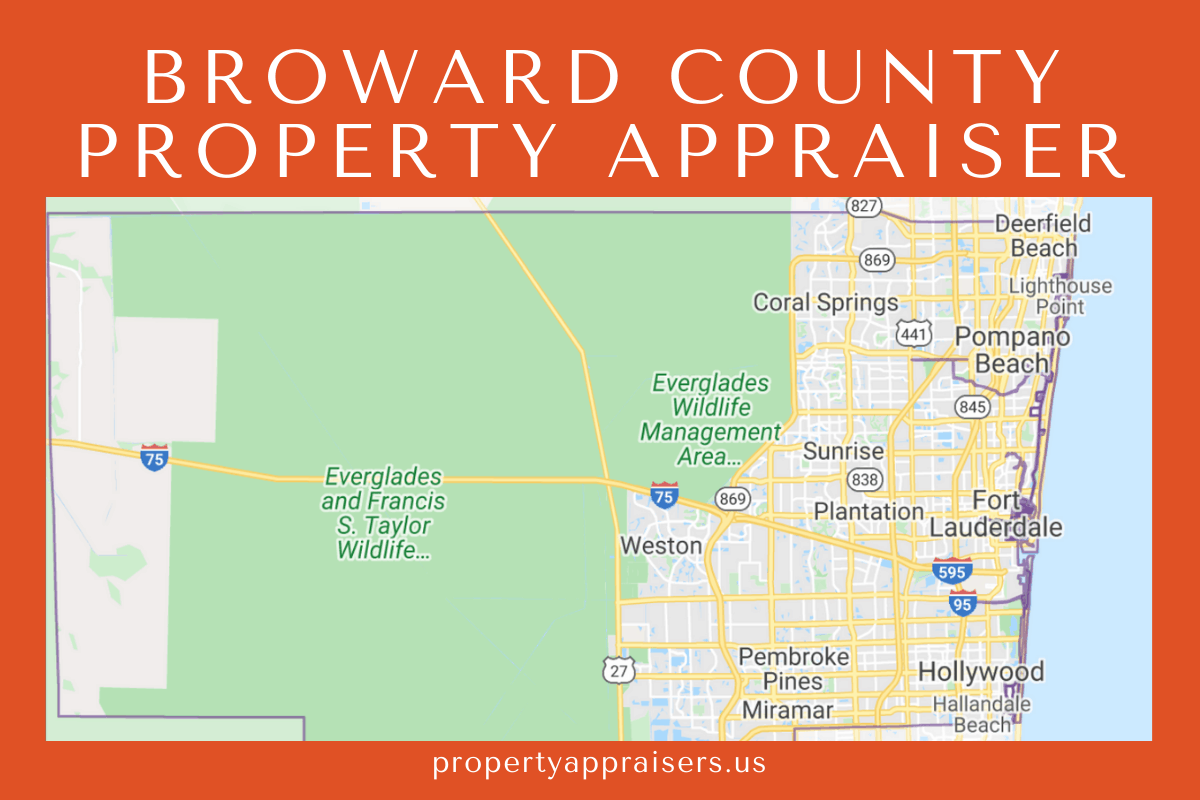
Before initiating a search within the Broward County property ecosystem, establishing a structured approach ensures you capture all relevant encumbrances and historical data. Because the county spans diverse municipalities—from coastal cities like Fort Lauderdale and Hollywood to inland communities like Coral Springs and Miramar—knowing the precise geographic or personal identifiers is critical.
Essential Data Points Needed Before You Begin
- Property Owner Name: Formatted as Last Name, First Name for individual owners, or the exact corporate entity name for commercial assets.
- Street Address: Including house numbers, street names, and directional prefixes or suffixes (e.g., N.E. 3rd Ave).
- Folio Number (Parcel ID): The most precise identifier, eliminating ambiguity caused by similar names or common addresses.
- Subdivision and Lot/Block Data: Essential for platted land parcels, condominiums, and cooperative housing developments.
Step-by-Step Guide to Executing a Broward County Property Search
Executing a precise search on the official portal requires familiarity with query filters and search string parameters. Follow this sequential workflow to isolate the correct parcel records.
Step 1: Access the Official BCPA Portal
Navigate to the official Broward County Property Appraiser website. Avoid third-party real estate marketing platforms that wrap public data in paywalls or outdated interfaces. Ensure the web address references the official county domain or verified government portal infrastructure.
Step 2: Select Your Search Parameter Type
Choose your primary search method from the available query options:
- Name Search: Input the individual or corporate name. Use wildcard characters (such as an asterisk) if you are unsure of exact spelling variations or middle initials.
- Address Search: Enter the street number and street name. Keep queries broad initially (omitting "Street" or "Avenue") to prevent formatting errors from blocking your results.
- Folio Search: Enter the exact 17-digit parcel identification number to land directly on the target property card.
Step 3: Analyze the Property Record Card (PRC)
Once you select a parcel from the search results, the system generates the Property Record Card. This document serves as the primary technical ledger for the real estate asset. Review the following sections line by line:
- General Information: Verify zoning codes, use codes (e.g., single-family residential, commercial retail, multi-family), and neighborhood numbers.
- Land Calculations: Review square footage, front footage, and unit pricing methodologies applied by county assessors.
- Building Characteristics: Check year built, total adjusted square footage, number of bedrooms, bathrooms, and structural materials.
Comparative Analysis of Broward County Property Research Methods
Different stakeholders require varying levels of depth when querying real estate records. The table below outlines the primary research methods, their target users, data accuracy levels, and primary use cases.
| Research Method | Primary Target User | Data Accuracy & Currency | Optimal Use Case |
|---|---|---|---|
| Official BCPA Portal | Homebuyers, Investors, Attorneys | 100% Authoritative / Real-Time Updates | Verifying legal ownership, tax assessments, and exemptions. |
| County Records Division | Title Examiners, Real Estate Litigators | 100% Authoritative / Official Document Archive | Pulling historical deeds, liens, mortgages, and plats. |
| Third-Party Aggregators | Casual Browsers, Marketers | Variable / Delayed by 30 to 90 Days | General neighborhood reconnaissance and visual mapping. |
| GIS Mapping Tools | Urban Planners, Developers | High / Synchronized with Spatial Databases | Analyzing lot dimensions, easements, and flood zones. |
Evaluating Valuations, Exemptions, and Tax Liabilities
A critical component of any property search in Broward County is analyzing the financial burdens and tax protections tied to the parcel. Florida's tax structure relies heavily on constitutional caps and localized millage rates.
The Save Our Homes Benefit
Under the Florida Constitution, properties with an active Homestead Exemption benefit from the "Save Our Homes" (SOH) assessment limitation. This cap restricts the annual increase of the property's assessed value to 3% or the Consumer Price Index (CPI), whichever is lower. When conducting a search on a property that has not changed ownership in decades, the assessed value may be significantly lower than the current market value. Buyers must recognize that upon sale and transfer of ownership, the property will be reassessed at full market value, potentially resulting in a dramatic property tax increase in the subsequent tax year.
Millage Rates and Non-Ad Valorem Assessments
Property taxes in Broward County are calculated by multiplying the taxable value (just value minus exemptions) by the combined millage rate levied by the county, the local municipality, the school board, and independent special districts. Additionally, review the non-ad valorem assessments section on the tax bill for charges related to local infrastructure, stormwater management, and waste collection.
Common Pitfalls and Troubleshooting Strategies
When querying public records, researchers frequently encounter obstacles that obscure property details. Applying these troubleshooting techniques resolves standard lookup errors:
- No Results Found on Address Search: Street names in Broward County frequently feature directional prefixes and suffixes. If an exact match fails, drop the directional indicators or search by the owner's last name.
- Discrepancies in Square Footage: Municipal appraisal records measure exterior dimensions (adjusted square footage), which often differ from interior living space calculations provided on commercial listing platforms.
- Corporate Ownership Obfuscation: Properties held within limited liability companies (LLCs) or trusts require cross-referencing corporate filings through the Florida Division of Corporations (Sunbiz) to identify controlling managers or registered agents.
Frequently Asked Questions
How do I find the owner of a property in Broward County?
You can find property owners by using the official Broward County Property Appraiser online search tool and querying by street address or folio number. The resulting property record card displays the current recorded owner of record.
What is a Broward County folio number?
A folio number is a unique 17-digit identification code assigned to every real property parcel in Broward County for tax assessment and geographic mapping purposes. It is the most reliable identifier for legal and financial research.
How do I check for active liens on a Broward County property?
While the Property Appraiser tracks ownership and valuation, property liens, mortgages, and judgments are recorded through the Broward County Records, Taxes and Treasury Division. You must search the official official records archive for encumbrances.
Does the Broward County property search show historic sales prices?
Yes, the official Property Record Card maintains a detailed history of prior sales transactions, including recording dates, official record book and page numbers, and recorded purchase prices for the parcel.
What is the difference between just value and assessed value in Florida?
Just value represents the estimated market value determined by the property appraiser, whereas assessed value reflects the capped value used for tax calculations after applying statutory limitations like Save Our Homes.
Professional Real Estate Due Diligence Recommendations
Executing a thorough property search protects your financial investment and prevents unforeseen legal liabilities. Always cross-reference the digital property record card with physical site inspections, professional land surveys, and comprehensive title commitments issued by a licensed title insurance agent. By relying directly on authoritative municipal databases, you ensure complete visibility into the legal and financial status of any real estate asset in Broward County.
Image Gallery