The Story Behind Past Club World Cup Winners: A Legacy of Global Dominance
The story behind past Club World Cup winners is a saga of shifting global dominance, beginning with the Intercontinental Cup’s European-South American rivalry and evolving into FIFA’s expanded 32-team format. From the tactical mastercl...
The story behind past Club World Cup winners is a saga of shifting global dominance, beginning with the Intercontinental Cup’s European-South American rivalry and evolving into FIFA’s expanded 32-team format. From the tactical masterclasses of Real Madrid to the spirited upsets by Brazilian giants like Corinthians, these winners represent the absolute pinnacle of professional club football.
Contents
The Genesis of Global Competition: The Intercontinental Cup Era
To understand the story of Club World Cup winners, one must look back to 1960, the year the Intercontinental Cup was established. This precursor was a two-legged affair (and later a single match in Japan, known as the Toyota Cup) between the winners of the UEFA Champions League and the CONMEBOL Copa Libertadores. For decades, this was the de facto world championship, though it excluded clubs from Africa, Asia, North America, and Oceania.
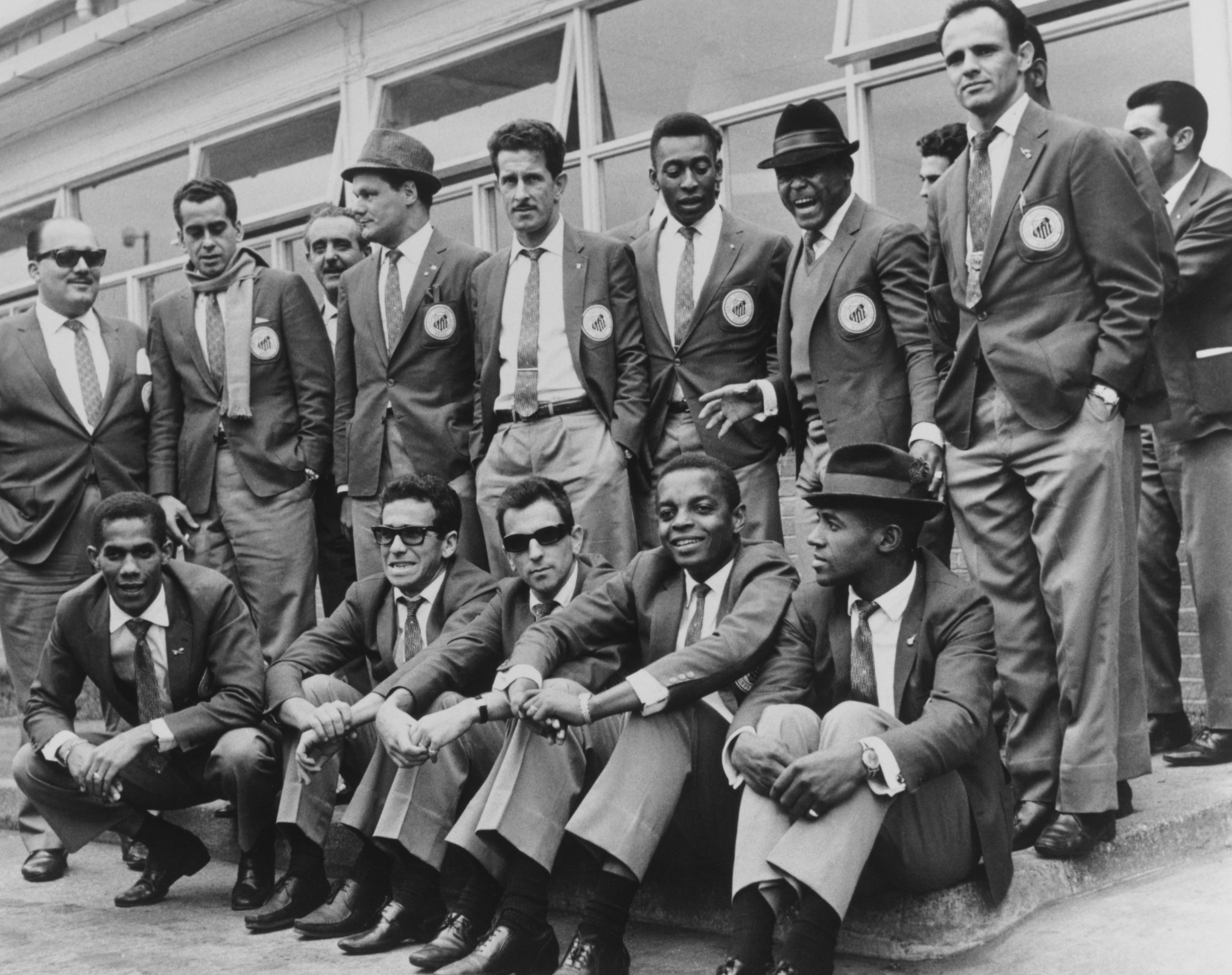
During this era, South American clubs often held the upper hand. Teams like Pelé’s Santos, Peñarol, and Boca Juniors viewed the trophy as the ultimate prize, often playing with a level of intensity that European sides, who were sometimes more focused on domestic and continental success, struggled to match. The technical flair of the South Americans clashed with the structured discipline of the Europeans, creating a legendary tactical tension that defined football in the late 20th century.
The 2000 Inaugural FIFA Club World Championship
The official FIFA-sanctioned era began in 2000 with the FIFA Club World Championship held in Brazil. This was the first attempt to create a truly global tournament by including representatives from all six continental confederations.
The story of the 2000 winner, Corinthians, is one of home-field advantage and tactical grit. They did not qualify by winning the Copa Libertadores but rather as the champions of the host nation. In a tense final at the Maracanã, they defeated fellow Brazilian side Vasco da Gama on penalties. This tournament was notable for the early exit of European giants Real Madrid and Manchester United, signaling that the global stage would be far more unpredictable than the old two-continent format.
Following a hiatus due to the collapse of FIFA’s marketing partner (ISL), the tournament returned permanently in 2005, replacing the Intercontinental Cup entirely.
The Era of the Brazilian Resistance (2005–2012)
Between 2005 and 2012, the tournament was characterized by a fierce struggle between the financial might of Europe and the collective passion of South American clubs. This period produced some of the most dramatic "David vs. Goliath" stories in the history of the sport.
São Paulo and the 2005 Masterclass
In 2005, São Paulo faced a Liverpool side that had recently completed the "Miracle of Istanbul." Despite Liverpool’s relentless pressure, São Paulo goalkeeper Rogério Ceni delivered one of the greatest individual performances in the tournament's history. A single goal from Mineiro secured a 1-0 victory, proving that South American tactical organization could still nullify European attacking stars.
Internacional’s 2006 Upset
The following year, Internacional shocked a Barcelona side featuring Ronaldinho at the height of his powers. The story behind this win was one of scouting and discipline. Substitute Adriano Gabiru’s 82nd-minute goal stunned the world, marking the second consecutive year a Brazilian side had humbled the European champions.
Corinthians and the 2012 "Invasion"
The 2012 final remains a landmark event. Corinthians traveled to Japan supported by an estimated 30,000 fans who made the 15,000-mile journey from Brazil—an event often called "The Invasion of Japan." They defeated Chelsea 1-0 thanks to a Paolo Guerrero header and the heroics of goalkeeper Cássio. As of 2026, this remains the last time a non-European club has won the title, highlighting the widening financial gap that followed.
UEFA’s Decade of Dominance (2013–2024)
Following 2012, the story of Club World Cup winners became a tale of European hegemony. As the world’s best players—regardless of their nationality—gravitated toward the massive salaries and prestige of the Premier League, La Liga, and the Bundesliga, the UEFA representative became nearly invincible.
Real Madrid’s Record-Breaking Run
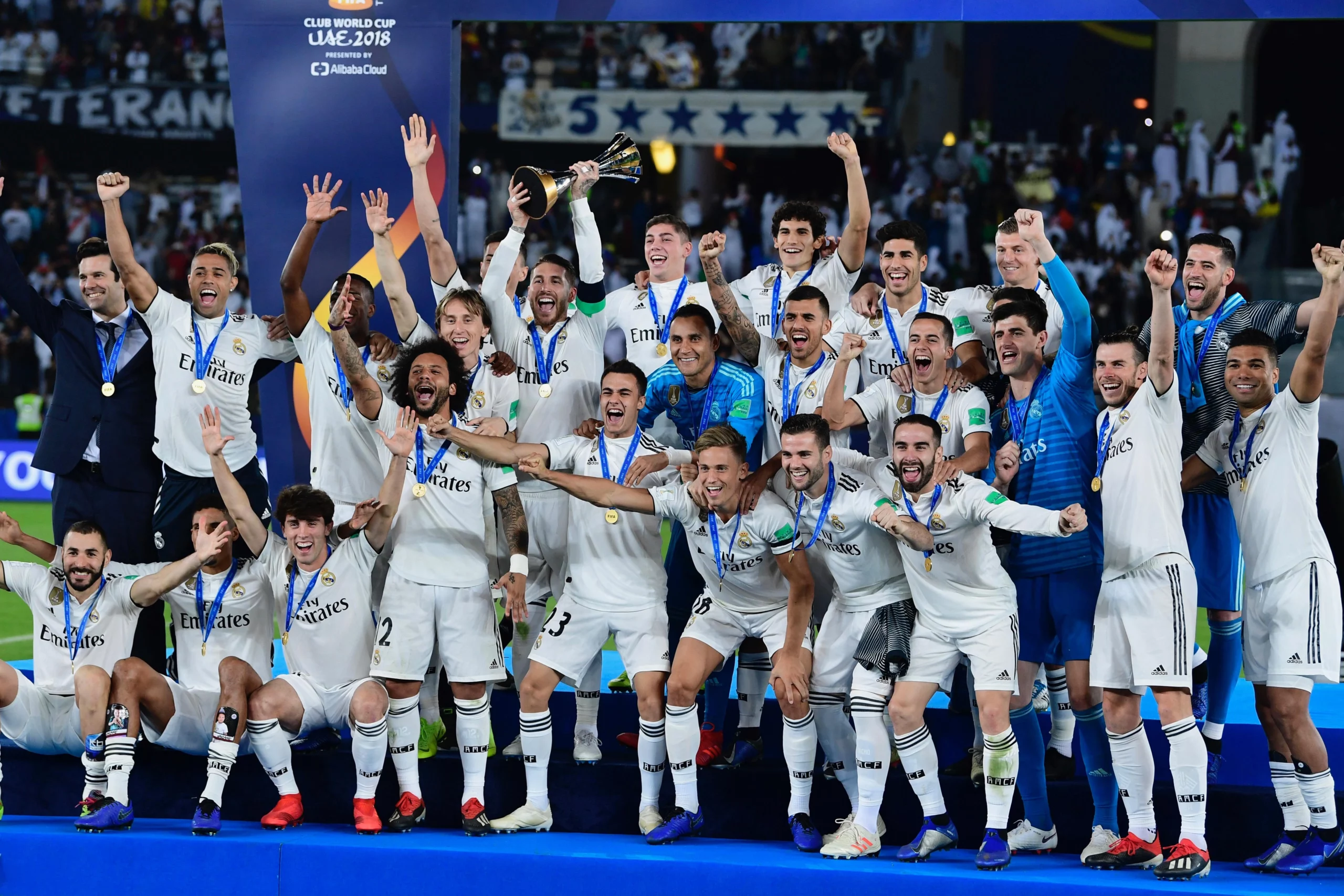
No club has defined the Club World Cup more than Real Madrid. With titles in 2014, 2016, 2017, 2018, and 2022, they are the most successful club in the competition's history. Their story is one of sheer individual quality and "big game" temperament. Whether it was Cristiano Ronaldo’s hat-trick against Kashima Antlers in 2016 or Vinícius Júnior’s brilliance against Al-Hilal in 2022, Real Madrid treated the tournament as an essential piece of their "Kings of Europe" identity.
Barcelona and the "Sextuple"
In 2009, Barcelona under Pep Guardiola completed an unprecedented feat by winning six trophies in a single calendar year, capped by the Club World Cup. The final against Estudiantes was a dramatic affair, settled by a Lionel Messi goal in extra time—famously scored with his chest. This win cemented that Barcelona team as one of the greatest of all time.
The Premier League Emergence
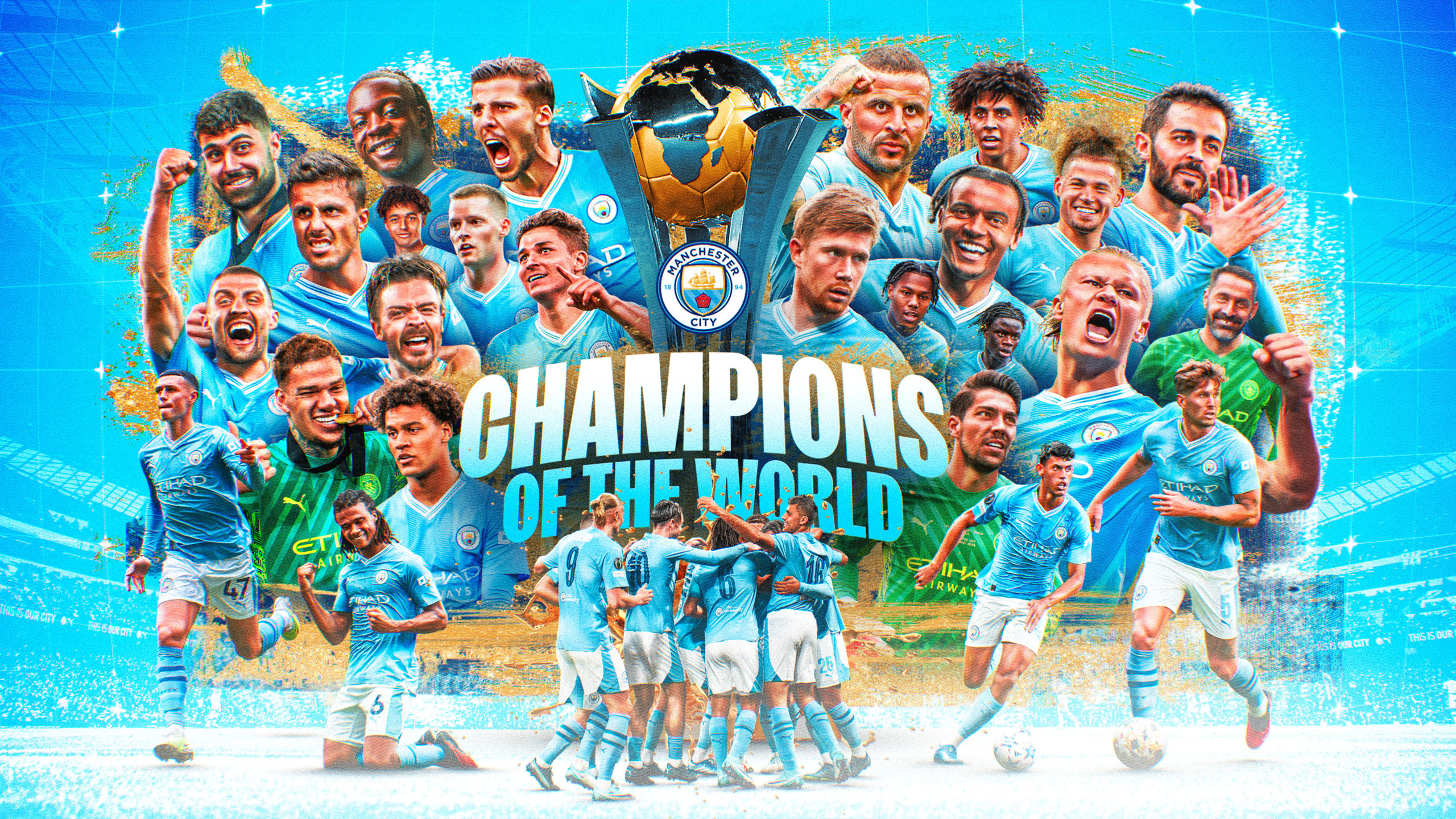
In the later years of the annual format, English clubs began to assert their dominance. Liverpool (2019), Chelsea (2021), and Manchester City (2023) all secured titles. Manchester City’s 4-0 demolition of Fluminense in the 2023 final served as a stark reminder of the technical and physical gulf that had developed between the European elite and the rest of the world.
Historical Summary of Winners and Key Stats
The following table highlights key winners and the evolution of the final scores since the tournament became an annual fixture in 2005.
| Year | Winner | Runner-up | Score | Host Nation |
|---|---|---|---|---|
| 2000 | Corinthians | Vasco da Gama | 0–0 (4–3 p) | Brazil |
| 2005 | São Paulo | Liverpool | 1–0 | Japan |
| 2006 | Internacional | Barcelona | 1–0 | Japan |
| 2009 | Barcelona | Estudiantes | 2–1 (aet) | UAE |
| 2012 | Corinthians | Chelsea | 1–0 | Japan |
| 2014 | Real Madrid | San Lorenzo | 2–0 | Morocco |
| 2017 | Real Madrid | Grêmio | 1–0 | UAE |
| 2019 | Liverpool | Flamengo | 1–0 (aet) | Qatar |
| 2021 | Chelsea | Palmeiras | 2–1 (aet) | UAE |
| 2023 | Manchester City | Fluminense | 4–0 | Saudi Arabia |
| 2025 | Real Madrid | Manchester City | 2–1 | USA |
The 2025 Revolution: A New Format for a New Era
By 2026, the landscape of club football has been fundamentally altered by the 2025 FIFA Club World Cup expansion. FIFA transitioned the tournament from a small, annual seven-team event to a massive 32-team quadrennial spectacle, held for the first time in the United States.
This change was designed to mimic the prestige of the international FIFA World Cup. The story behind the 2025 winners—Real Madrid—involved a grueling month-long tournament featuring the top clubs from every corner of the globe, including multiple entries from Europe and South America. This expansion addressed the primary criticism of the old format: that it was too short and favored the European and South American champions too heavily by giving them a bye to the semi-finals.
The 2025 edition marked a shift toward a more commercially robust and competitive model, ensuring that the "World Champion" title was earned through a group stage and knockout bracket, rather than just two matches.
Why European Teams Started Winning More Frequently
The dominance of European clubs since 2013 is not accidental. It is the result of several converging factors:
- Financial Concentration: The revenue from the UEFA Champions League allows European clubs to buy the top talent from South America and Africa before those players can lead their home clubs to a Club World Cup.
- Tactical Standardization: With the globalization of coaching, the "surprise factor" that South American teams used to enjoy has diminished. European clubs now have access to deep data and video analysis of every opponent.
- Squad Depth: The grueling schedule of modern football favors clubs with 25 world-class players. While a South American champion might have a stellar starting XI, European giants like Manchester City or Bayern Munich possess benches that could win most other leagues.
Frequently Asked Questions
Which club has won the most FIFA Club World Cup titles?
As of 2026, Real Madrid holds the record with six titles (including the 2025 expanded edition). Their success is built on a century-old culture of prioritizing international trophies and a squad that consistently features several of the world's top ten players.
Have any teams from North America, Africa, or Asia ever won?
No team from the AFC (Asia), CAF (Africa), CONCACAF (North America), or OFC (Oceania) has ever won the FIFA Club World Cup. However, several have reached the final, including TP Mazembe (Congo), Raja Casablanca (Morocco), Kashima Antlers (Japan), Al-Ain (UAE), Tigres UANL (Mexico), and Al-Hilal (Saudi Arabia).
What is the difference between the Intercontinental Cup and the Club World Cup?
The Intercontinental Cup (1960–2004) was a match specifically between the champions of Europe and South America. The FIFA Club World Cup (2000, 2005–present) includes the champions from all six global confederations. FIFA officially recognizes winners of the Intercontinental Cup as world champions.
How do teams qualify for the new 32-team format?
Qualification is now based on a four-year cycle. Teams qualify by winning their respective premier continental competitions (like the UEFA Champions League or Copa Libertadores) during the four years preceding the tournament, alongside a ranking system for clubs that showed consistent performance during that period.
Practical Recommendation for Fans and Historians
To truly appreciate the history of these winners, fans should look beyond the scorelines and study the continental context of each era. For those interested in the tactical evolution of the game, watching the 2005 and 2012 finals provides a masterclass in how underdogs can use defensive discipline to overcome superior individual talent. To stay updated on the next cycle of global champions, follow the official FIFA Club World Cup portal for live rankings and qualification updates for the 2029 tournament.
Image Gallery