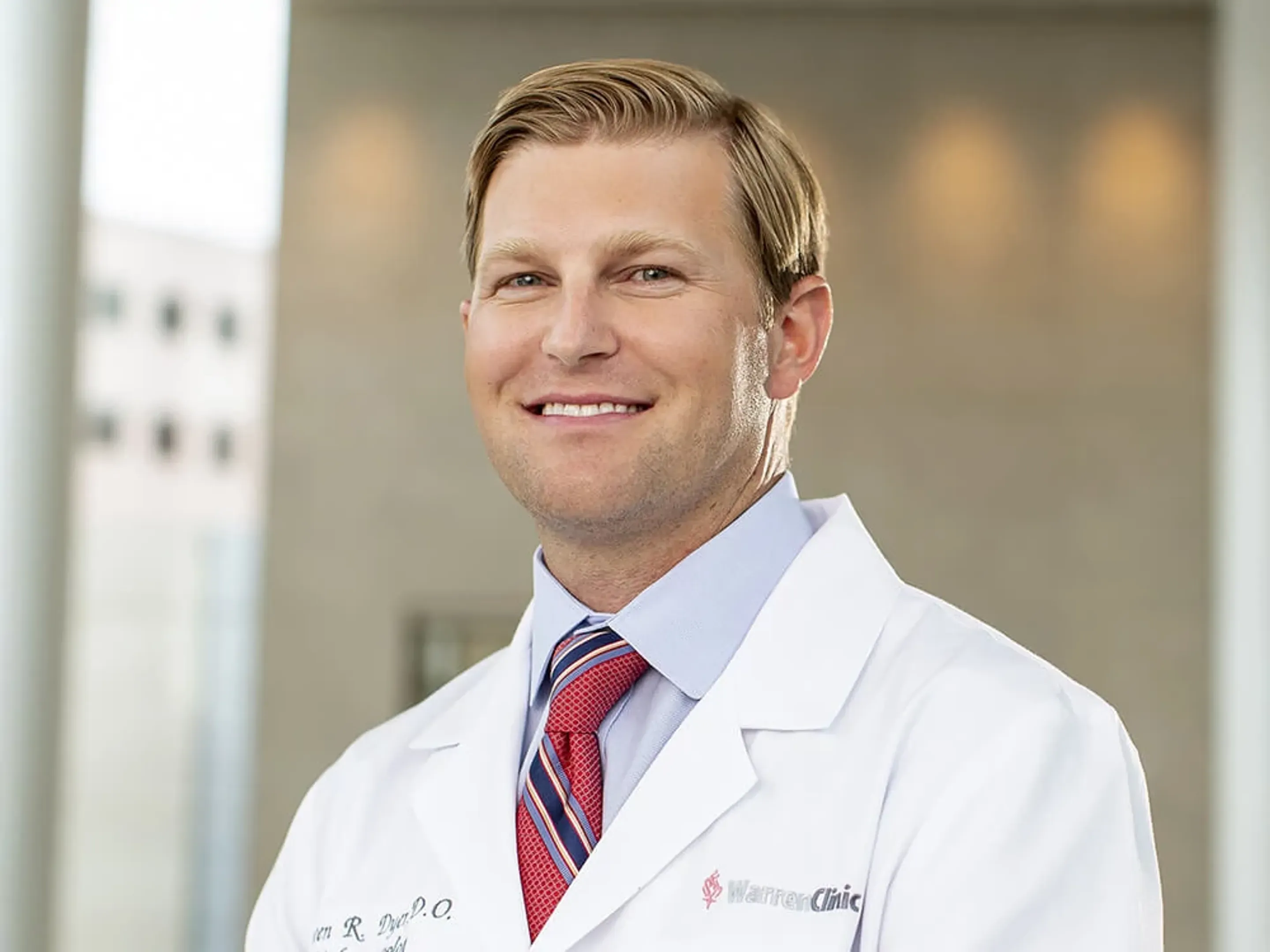
Steven Dorf the Otolaryngology Surgeon: Clinical Expertise and Patient Care
Dr. Steven Dorf is a board-certified otolaryngologist who specializes in the medical and surgical management of disorders affecting the ear, nose, and throat (ENT) as well as related structures of the head and neck. Practicing primaril...
Dr. Steven Dorf is a board-certified otolaryngologist who specializes in the medical and surgical management of disorders affecting the ear, nose, and throat (ENT) as well as related structures of the head and neck. Practicing primarily in the St. Louis metropolitan area and Southern Illinois, he is recognized for his expertise in sinus surgery, thyroid disorders, and pediatric ENT care.
Contents
As of 2026, the field of otolaryngology continues to integrate advanced minimally invasive technologies with traditional surgical excellence. Dr. Dorf’s practice at ENT Specialists of Southern Illinois represents a commitment to these evolving standards, offering patients a bridge between primary care and specialized surgical intervention. Understanding his background, clinical focus, and the scope of his surgical practice is essential for patients seeking high-level care for complex head and neck conditions.
Educational Foundation and Professional Background
The path to becoming a specialized surgeon in otolaryngology is one of the most rigorous in the medical field. Dr. Steven Dorf’s professional journey began with a solid academic foundation that prepared him for the complexities of head and neck surgery. He earned his medical degree from the Southern Illinois University School of Medicine, an institution known for its strong emphasis on clinical skills and community-integrated health.
Following medical school, Dr. Dorf completed a comprehensive residency in otolaryngology—head and neck surgery at the Saint Louis University School of Medicine. An ENT residency typically spans five years and covers a vast array of subspecialties, including rhinology, laryngology, otology, and facial plastic surgery. During this time, surgeons-in-training must master the delicate anatomy of the head and neck, where vital structures such as the optic nerves, carotid arteries, and various cranial nerves are concentrated in a very small space.
Dr. Dorf is board-certified by the American Board of Otolaryngology – Head and Neck Surgery. This certification is a critical indicator of a surgeon's proficiency, requiring the successful completion of rigorous written and oral examinations. In 2026, maintaining this certification involves continuous medical education (CME) and regular assessments to ensure the practitioner remains current with the latest surgical techniques, safety protocols, and pharmacological advancements.
Primary Areas of Clinical Specialization
Otolaryngology is a diverse field that treats patients of all ages, from newborns to the elderly. Dr. Dorf’s practice encompasses several core pillars of the specialty, each requiring a distinct set of diagnostic and surgical skills.
Rhinology and Sinus Management
Chronic sinusitis is one of the most common health complaints in the United States. Dr. Dorf focuses on the medical and surgical management of the paranasal sinuses and nasal cavity. For patients who do not respond to traditional medical therapies—such as saline irrigations, nasal steroids, or antibiotics—surgical intervention may be necessary.
Modern sinus surgery often involves Functional Endoscopic Sinus Surgery (FESS). This technique utilizes high-definition endoscopes to visualize the sinus ostia (openings) and remove obstructions while preserving as much healthy tissue as possible. In 2026, these procedures are frequently augmented by image-guided navigation systems, which act like a "GPS" for the surgeon, providing real-time tracking of surgical instruments relative to the patient’s preoperative CT scan.
Thyroid and Parathyroid Surgery
The thyroid and parathyroid glands play a pivotal role in regulating the body's metabolism and calcium levels. Dr. Dorf treats conditions ranging from thyroid nodules and goiters to hyperparathyroidism. The surgical management of these glands requires extreme precision to protect the recurrent laryngeal nerves (which control the vocal cords) and to ensure the patient’s endocrine balance is maintained postoperatively.
Pediatric Otolaryngology
Children often require ENT intervention for recurrent infections or airway issues. Dr. Dorf provides specialized care for common pediatric conditions such as chronic otitis media (ear infections) and tonsillitis. Procedures like the placement of pressure equalization (PE) tubes and adenotonsillectomies are among the most frequently performed surgeries in his practice. These interventions are often life-changing for children, improving sleep quality, hearing, and speech development.
Practice Locations and Health System Affiliations
Dr. Steven Dorf is a key member of ENT Specialists of Southern Illinois. The practice is strategically located to serve the Metro East area, providing accessible specialized care to residents of Belleville, Illinois, and surrounding communities. By maintaining a localized practice, Dr. Dorf ensures that patients in Southern Illinois have access to high-quality surgical care without the necessity of traveling into the core of St. Louis for every consultation or follow-up.
His hospital affiliations are equally significant for patient care coordination. Dr. Dorf is affiliated with major regional healthcare providers, including:
- BJC HealthCare (Memorial Hospital): This affiliation allows him to utilize state-of-the-art operating rooms and coordinate with a broad network of specialists. BJC HealthCare is recognized for its comprehensive medical services and academic partnerships.
- St. Elizabeth’s Hospital: Another critical facility in the Metro East, providing a secondary hub for surgical procedures and inpatient consultations.
These affiliations ensure that Dr. Dorf’s patients benefit from a multidisciplinary approach. For instance, a patient with a complex head and neck tumor might have their care coordinated between Dr. Dorf, medical oncologists, and radiation therapists within the BJC network.
Diagnostic Procedures and the Patient Experience
A visit to an otolaryngologist like Dr. Dorf typically begins with a thorough diagnostic workup. Because many ENT disorders involve structures that are deep within the head and neck, specialized tools are required for a proper evaluation.
- Fiberoptic Endoscopy: This involves a thin, flexible tube with a light and camera that is inserted into the nose or throat. It allows the surgeon to view the vocal cords, the back of the nasal cavity, and the entrance to the sinuses in real-time.
- Audiometric Testing: For patients experiencing hearing loss or balance issues (vertigo), an on-site audiologist often performs comprehensive hearing evaluations.
- Imaging Review: Dr. Dorf meticulously reviews CT and MRI scans to plan surgical interventions, particularly for sinus disease and neck masses.
Patient philosophy in 2026 emphasizes "shared decision-making." Dr. Dorf is known for explaining the "why" behind a recommended treatment plan. Whether a patient is deciding between long-term medication or a surgical procedure like balloon sinuplasty, the goal is to align the clinical recommendation with the patient’s lifestyle and health goals.
Comparison of Common ENT Surgical Interventions
The following table outlines common procedures performed by otolaryngologists like Dr. Dorf, highlighting their purpose and what patients can generally expect regarding recovery.
| Procedure | Primary Indication | Approach | Typical Recovery |
|---|---|---|---|
| Tonsillectomy | Recurrent strep throat or sleep apnea | Transoral (through the mouth) | 7–14 days; requires pain management |
| Myringotomy (PE Tubes) | Chronic ear infections or fluid buildup | Microscopic ear incision | 1–2 days; immediate hearing improvement |
| Septoplasty | Deviated septum causing nasal obstruction | Internal nasal incision | 5–7 days; no external bruising usually |
| Thyroidectomy | Thyroid nodules, goiter, or cancer | Small neck incision | 1–2 weeks; monitoring of calcium levels |
| FESS (Sinus Surgery) | Chronic Sinusitis | Endoscopic (no external cuts) | 3–5 days for return to light activity |
The Evolving Role of Technology in ENT Surgery
By 2026, the technology available to surgeons like Dr. Steven Dorf has significantly refined the safety and efficacy of ENT procedures. One of the most notable advancements is the widespread adoption of office-based procedures. For certain patients, techniques like balloon sinuplasty—where a small balloon is used to dilate sinus openings—can be performed under local anesthesia in the clinic setting rather than a hospital operating room. This reduces recovery time and healthcare costs.
Furthermore, the use of nerve monitoring during thyroid and parathyroid surgeries has become a standard safety protocol. This technology provides real-time acoustic feedback to the surgeon regarding the proximity and health of the laryngeal nerves, significantly reducing the risk of postoperative hoarseness or vocal cord paralysis. Dr. Dorf’s integration of these technologies into his practice at ENT Specialists of Southern Illinois ensures that patients receive care that is both modern and evidence-based.
Frequently Asked Questions
Do I need a referral to see Dr. Steven Dorf?
In most cases, whether a referral is needed depends on your specific insurance plan (HMO vs. PPO). However, because otolaryngologists are specialists, many primary care physicians will provide a referral after an initial evaluation of ear, nose, or throat symptoms that have not responded to standard treatment. It is always recommended to check with your insurance provider and the office of ENT Specialists of Southern Illinois before scheduling.
What should I bring to my first appointment with an ENT surgeon?
Patients should bring a list of current medications, any relevant imaging (CDs or digital access to CT scans or MRIs), and previous allergy testing results. Because Dr. Dorf treats many chronic conditions, having a clear timeline of your symptoms and previous treatments (such as which antibiotics or nasal sprays you have tried) is invaluable for an accurate diagnosis.
Does Dr. Dorf perform surgery for sleep apnea?
Yes, otolaryngologists are primary providers for the surgical treatment of Obstructive Sleep Apnea (OSA). While CPAP therapy is the first line of treatment, Dr. Dorf can evaluate patients for anatomical obstructions in the nose, palate, or tongue base. Procedures can range from uvulopalatopharyngoplasty (UPPP) to newer, minimally invasive options depending on the site of the obstruction.
Is pediatric ENT care different from adult care in his practice?
While the anatomical structures are the same, the approach to pediatric care is specialized. Dr. Dorf and his team focus on making the environment comfortable for children and use smaller, pediatric-sized instruments. The focus is often on developmental milestones, ensuring that issues like hearing loss or chronic infection do not interfere with a child's learning and social growth.
How are thyroid nodules evaluated before surgery is considered?
Not all thyroid nodules require surgery. Dr. Dorf typically follows a protocol involving an ultrasound and, if necessary, a Fine Needle Aspiration (FNA) biopsy. Only nodules that show suspicious features on biopsy, are causing compression symptoms (difficulty swallowing/breathing), or are producing excess hormones are usually recommended for surgical removal.
Final Recommendations for Patients
When seeking care from an otolaryngologist like Dr. Steven Dorf, it is important to be an active participant in your healthcare journey. If you are experiencing persistent symptoms—such as a hoarse voice lasting more than three weeks, chronic sinus pressure, or a new lump in the neck—you should seek a specialist's evaluation promptly.
For residents of the St. Louis and Metro East area, Dr. Dorf offers a combination of localized access and high-tier surgical expertise. Patients are encouraged to prepare for their consultation by documenting the frequency and severity of their symptoms and being open to both medical and surgical possibilities. The goal of ENT care in 2026 remains the restoration of function and the improvement of quality of life through precise, patient-centered intervention.
Image Gallery