The Alec Baldwin Crash Video Explained: Analyzing the Incident and Legal Consequences
The search term "Alec Baldwin crash video" refers to the highly publicized on-set incident that occurred on October 21, 2021, during the filming of the Western movie Rust at the Bonanza Creek Ranch in New Mexico. The incident involved...
The search term "Alec Baldwin crash video" refers to the highly publicized on-set incident that occurred on October 21, 2021, during the filming of the Western movie Rust at the Bonanza Creek Ranch in New Mexico. The incident involved the discharge of a live round from a reproduction Pietta Long Colt .45 revolver held by Alec Baldwin, which resulted in the death of cinematographer Halyna Hutchins and the wounding of director Joel Souza. Contrary to occasional internet misinterpretations involving vehicle accidents, there is no verified "crash video" associated with Alec Baldwin; the term is widely understood to refer to the tragic shooting incident and the subsequent distribution of forensic evidence and body camera footage released during the long-running criminal and civil legal proceedings.
Contents
Contextualizing the Rust Incident
The Rust film set incident is one of the most scrutinized industrial safety and legal cases in the history of modern cinema. To understand why public interest remains high as of 2026, it is essential to distinguish between the various forms of "video" associated with the event. While there is no footage of the actual discharge that killed Hutchins, the legal proceedings resulted in the release of:
- Police Body Camera Footage: These videos show the immediate aftermath of the shooting, capturing first responders arriving at the scene, interviews with crew members, and the initial confusion regarding the presence of live ammunition.
- On-Set Interviews: Evidence presented during the trial of the film's armorer, Hannah Gutierrez-Reed, included various digital files and video recordings of set safety briefings or lack thereof.
- Forensic Reconstructions: Throughout the legal process, experts and prosecution teams utilized digital modeling to explain the mechanics of the revolver and the nature of the misfire.
The primary confusion regarding a "crash" video likely stems from the high-velocity nature of the projectiles involved and the chaotic, high-stakes reporting that followed the event. In the public consciousness, the word "crash" may be conflated with the sudden collapse of production and the violent nature of the incident, though no vehicle accident occurred.
The Role of the Armorer and Safety Protocols
The core of the legal and investigative analysis has focused on the breakdown of firearm safety protocols. In the film industry, the armorer is solely responsible for the custody, maintenance, and handling of all weapons on set.
Industry standards, often guided by the Industry-Wide Labor-Management Safety Committee (Safety Bulletin #1), dictate that firearms must be checked by the armorer immediately before being handed to an actor. The investigation revealed that live ammunition—strictly prohibited on film sets—had entered the prop supply chain.
| Aspect of Safety | Standard Procedure | Reported Deviation |
|---|---|---|
| Ammunition | Only "dummy" or "blank" rounds allowed. | Live rounds were found on set. |
| Weapon Custody | Armorer must control the weapon at all times. | Weapon was reportedly handed over by an assistant director. |
| Inspection | The weapon must be cleared by a qualified professional. | The weapon was checked by non-armorer personnel. |
Understanding the Legal Proceedings
The tragedy spawned a complex web of legal actions, both criminal and civil, that persisted for years following the 2021 incident.
The Criminal Case Against the Armorer
In March 2024, Hannah Gutierrez-Reed was found guilty of involuntary manslaughter. The prosecution successfully argued that she failed to perform her duties as an armorer, specifically by allowing live ammunition to remain on set and failing to follow standard safety checks. This verdict was a landmark moment, as it emphasized the personal criminal liability of film crew members in maintaining set safety.
The Criminal Case Against Alec Baldwin
Alec Baldwin, who served as both the lead actor and a producer on the film, faced charges of involuntary manslaughter. The legal defense focused on the "chain of custody," arguing that Baldwin had been informed the firearm was "cold" (unloaded or containing dummy rounds) by crew members tasked with safety supervision.
In July 2024, the case against Baldwin was dismissed with prejudice by Judge Mary Marlowe Sommer. The dismissal occurred after the defense uncovered that the prosecution had withheld exculpatory evidence—specifically, bullets turned over to the Santa Fe County Sheriff’s Office that were not disclosed to the defense team. Because the dismissal was "with prejudice," the charges cannot be refiled.
Civil Litigation and Industry Impact
Beyond the criminal courts, numerous civil lawsuits were filed by the family of Halyna Hutchins and other crew members. These cases generally focused on negligence, arguing that production companies and specific crew members failed to maintain a safe environment. Most of these civil matters reached settlements, aiming to provide for the family of the deceased and resolve claims of systemic safety failures on the Rust production.
The industry-wide impact has been significant. Major studios and independent production companies have since implemented stricter guidelines regarding the use of functional firearms. There is a growing trend toward using digital visual effects (VFX) to add muzzle flashes and gunfire sounds in post-production, effectively replacing the need for live-fire prop weapons on set to mitigate risk entirely.
Clarifying Common Misconceptions
Because of the sensational nature of the incident, several myths have circulated online. Addressing these is vital for anyone researching the incident:
- "There is a video of the shooting": There is no publicly released video footage of the exact moment the gun fired. The footage that exists is entirely post-incident or related to the trial.
- "Alec Baldwin committed a crime": While he was charged, the criminal case was dismissed by the court. Legally, he was not found guilty of any crime related to the death of Halyna Hutchins.
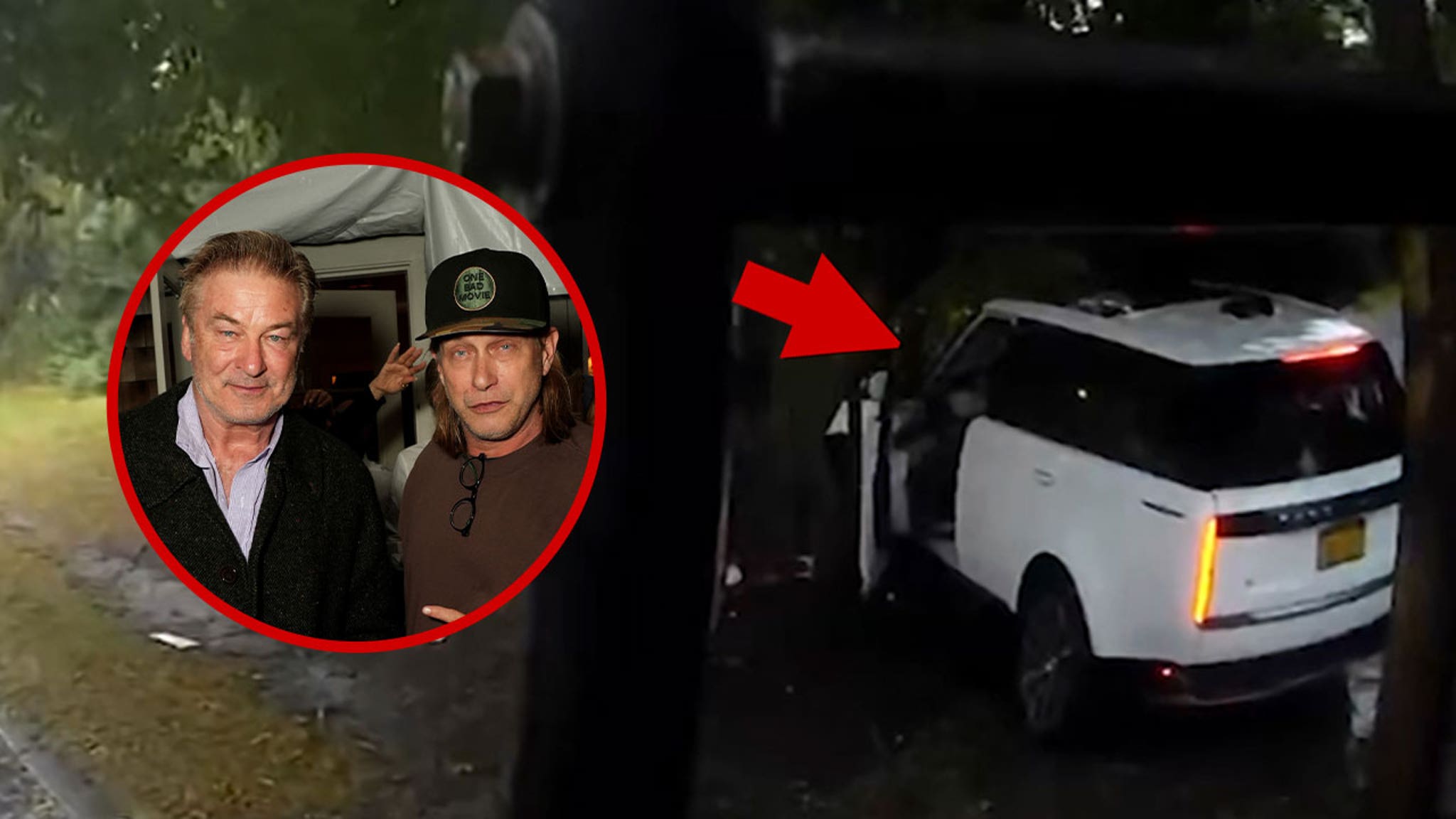
- "It was a car crash": This is a misnomer. The incident was a workplace safety failure involving a firearm. There was no vehicular involvement.
Future of Set Safety
As of 2026, the Rust tragedy remains a benchmark for safety regulations. The Producers Guild of America and various union organizations have updated their safety manuals to mandate that an armorer must be present for any scene involving a weapon, and "cold gun" protocols have been tightened to require a secondary check by the actor. These changes ensure that the "chain of custody" is not just an industry buzzword, but a verified, documented process that protects both the crew and the performers.
Frequently Asked Questions (FAQ)
Is there an actual video of the Alec Baldwin incident? No. There is no video recording of the moment the firearm discharged on the set of Rust. The videos available online consist of police body-worn camera footage from the aftermath and courtroom proceedings.
Why was the Alec Baldwin case dismissed? The case was dismissed with prejudice in 2024 after the defense discovered that prosecutors had failed to disclose evidence—specifically, ammunition turned over to the police—that the defense argued was relevant to their case. The judge ruled this a violation of due process.
What is the "chain of custody" in film production? It refers to the strict protocol where a firearm is controlled, inspected, and documented as it moves from the armorer to the assistant director or directly to the actor. If this chain is broken, it creates an opportunity for error, such as the introduction of live ammunition.
What happened to the film Rust? Despite the tragedy, production eventually resumed, and the film was completed. It serves as a somber case study in the industry regarding the balance between artistic production and workplace safety.
Can live rounds ever be used on a movie set? No. Standard safety protocols in the motion picture industry strictly prohibit live ammunition. The presence of a live round on the set of Rust was a violation of all recognized safety protocols and was the primary catalyst for the tragedy.
Recommendation for Further Research
If you are researching this topic for professional reasons, such as film production safety or legal analysis, prioritize the official court documents provided by the Santa Fe County District Court. These documents provide the most accurate, unfiltered view of the forensic evidence and the specific legal arguments that defined the outcome of the case. Avoid relying on speculative commentary found on social media platforms, as these often conflate unrelated incidents or spread misinformation regarding the availability of event footage.
Image Gallery