The Best Mattress Protector for 2026: A Technical Selection Guide
The best mattress protector for most sleepers in 2026 is a fitted-sheet style protector featuring a high-quality Thermoplastic Polyurethane (TPU) membrane and a breathable top surface like Tencel or organic cotton. This combination ens...
The best mattress protector for most sleepers in 2026 is a fitted-sheet style protector featuring a high-quality Thermoplastic Polyurethane (TPU) membrane and a breathable top surface like Tencel or organic cotton. This combination ensures a 100% waterproof barrier against spills and sweat while maintaining silent movement and effective heat dissipation.
Contents
Understanding the Primary Function of a Mattress Protector
A mattress protector serves as the primary defensive layer between the sleeper and the mattress core. Unlike a mattress pad, which is designed for comfort and cushioning, or a mattress topper, which alters the firmness of the bed, a protector is a thin, functional barrier. In 2026, the technology behind these barriers has advanced to prioritize three distinct goals: liquid exclusion, allergen mitigation, and thermal regulation.
Liquid Barriers and Membrane Technology
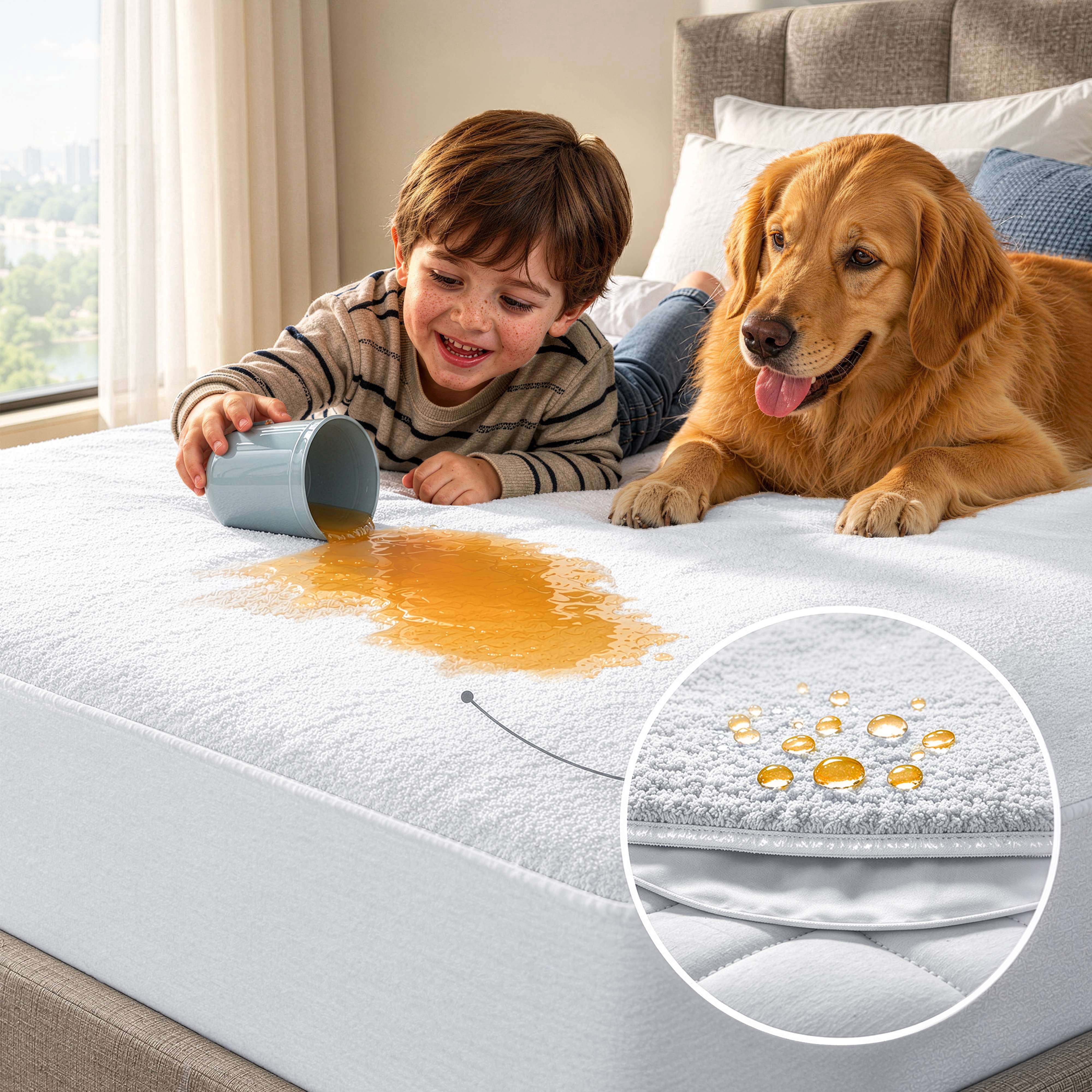
The core component of any effective protector is the waterproof membrane. Historically, manufacturers used vinyl or PVC, which were effective at stopping liquids but notoriously loud and heat-trapping. Modern standards in 2026 focus almost exclusively on Thermoplastic Polyurethane (TPU). This material is "breathable" in a specific technical sense: its microscopic pores are small enough to block liquid water molecules (which have high surface tension) but large enough to allow individual water vapor molecules (humidity from body heat) to pass through. This prevents the "sauna effect" common in older, cheaper protectors.
Allergen and Dust Mite Mitigation
For those suffering from asthma or allergies, a mattress protector is a medical necessity rather than a luxury. Dust mites thrive in the dark, humid environment of mattress foams and fibers, feeding on shed skin cells. To effectively block these allergens, a protector must have a pore size of less than 10 microns. High-end encasements often achieve pore sizes as low as 3 to 5 microns, ensuring that neither the mites nor their waste products can migrate from the mattress to the sleeper.
Categories of Mattress Protectors
Choosing the "best" protector depends heavily on the specific threat you are trying to mitigate. The market is generally divided into three structural designs, each serving a different use case.
Five-Sided Fitted Protectors
The most common design resembles a fitted sheet. It covers the top and the four sides of the mattress but leaves the bottom exposed.
- Pros: Extremely easy to remove and wash; provides excellent breathability through the sides; usually more affordable.
- Cons: Does not protect against bed bugs, as the bottom of the mattress remains accessible; can occasionally shift if the pocket depth is not matched to the mattress.
Six-Sided Encasements
An encasement fully surrounds the mattress and is secured with a zipper. This is the gold standard for total protection.
- Pros: Offers 360-degree protection; essential for bed bug prevention and treatment; prevents any allergen buildup within the mattress.
- Cons: Difficult to install and remove, often requiring two people to lift the mattress; can trap air inside, creating a "balloon" effect if the fabric is not sufficiently breathable.
Specialized Cooling Protectors
In 2026, cooling technology has become a major differentiator. These protectors incorporate Phase Change Materials (PCM) or high-density polyethylene fibers (like Ver-Tex or cooling nylon). These materials work by absorbing excess body heat and conducting it away from the sleeper, which is particularly useful for those using memory foam mattresses that tend to retain heat.
Key Material Specifications and Performance Metrics
When evaluating the technical quality of a protector, look beyond the marketing claims and focus on the material specifications.
Fabric Weight and GSM
The "Gram per Square Meter" (GSM) indicates the density and durability of the surface fabric. A higher GSM (typically 250–350) usually indicates a more durable, absorbent, and plush surface that feels like a premium bed sheet. Lower GSM fabrics (under 200) may feel "plasticky" or thin and are more prone to tearing after multiple wash cycles.
TPU Quality and Micron Ratings
Not all TPU membranes are created equal. Premium protectors use a "bonded" membrane process rather than a "laminated" one. Bonding ensures the waterproof layer does not delaminate or peel away after being exposed to the agitation of a washing machine. In terms of protection, look for certifications from organizations like ASTM International, specifically ASTM F1670/F1670M, which tests for resistance to penetration by synthetic blood—a benchmark for liquid barrier integrity.
Comparison of Mattress Protector Types
| Feature | Fitted (TPU Membrane) | Encasement (6-Sided) | Cooling (PCM/PE) | Organic (Cotton/Wool) |
|---|---|---|---|---|
| Waterproof Level | High (Top only) | Maximum (All sides) | Moderate to High | Low to Moderate |
| Bed Bug Proof | No | Yes | No | No |
| Breathability | High | Moderate | Maximum | High |
| Noise Level | Silent | Low | Silent | Silent |
| Ease of Care | High | Low | Moderate | Moderate |
| Primary Use | General households | Allergies/Bed bugs | Hot sleepers | Eco-conscious/Infants |
Maintenance and Longevity for 2026 Standards
A mattress protector is only effective as long as its membrane remains intact. Improper care is the leading cause of protector failure.
- Temperature Control: High heat is the enemy of TPU. Washing in hot water or drying on high heat can cause the membrane to melt, crack, or lose its waterproof properties. Always wash on "Cool" or "Warm" and tumble dry on "Low."
- Detergent Selection: Avoid using bleach or harsh solvents. These chemicals can degrade the bonding agents used to attach the waterproof layer to the surface fabric.
- The "Tennis Ball" Trick: When drying a protector, especially a six-sided encasement, adding a few clean tennis balls or wool dryer balls helps prevent the protector from clumping together, ensuring even drying of the membrane without hot spots.
Common Pitfalls and Selection Mistakes
One of the most frequent errors consumers make is confusing a water-resistant protector with a waterproof one. Water-resistant fabrics (like treated polyester) will repel light spills for a few minutes but will eventually allow liquid to soak through under the pressure of a sleeper's body weight. True waterproof protectors must have a physical membrane layer.
Another mistake is ignoring the pocket depth. If you have a 14-inch mattress and buy a protector designed for a 12-inch profile, the elastic will be under constant tension, leading to premature failure of the seams and potentially causing the protector to pop off the corners during the night. Conversely, a protector that is too deep will bunch up, creating uncomfortable ridges under your sheets.
Frequently Asked Questions
Does a mattress protector change the feel of the mattress?
A high-quality protector with a thin TPU membrane and a jersey-knit or Tencel top should have a negligible impact on the feel of your mattress. However, very thick protectors or those with heavy quilting can slightly firm up the surface feel. If you have a soft memory foam bed, look for a "highly elastic" protector that allows the foam to contour to your body without "bridge-loading" (where the fabric spans across the indentation rather than dipping into it).
How often should I wash my mattress protector?
For general hygiene, wash your mattress protector every 1-2 months. However, if you suffer from severe allergies, a bi-weekly wash is recommended to eliminate accumulated dust mites and dander. Always wash it immediately following any significant spill to prevent odors from setting into the fabric surface.
Can I use a mattress protector with a heated blanket?
Most modern TPU protectors are compatible with heated blankets, provided the blanket is placed on top of the protector and the heat is kept to a moderate setting. You should never place the protector over the heated blanket, as the trapped heat could reach temperatures high enough to damage the waterproof membrane.
Will a mattress protector void my mattress warranty?
On the contrary, using a protector is often necessary to maintain your warranty. Most mattress manufacturers will void a warranty if the mattress has even a small stain, regardless of whether the stain caused the structural defect you are claiming. A waterproof protector is the cheapest insurance policy for your mattress investment.
Are "cooling" protectors actually effective?
Yes, but they work through conduction and heat capacity rather than active refrigeration. Materials like high-molecular-weight polyethylene (PE) feel cool to the touch because they draw heat away from your skin faster than cotton. They are highly effective for the first few hours of sleep, which is the critical window for falling asleep as your core body temperature drops.
Final Recommendation
When purchasing the best mattress protector in 2026, prioritize a fitted-sheet style with a TPU backing and a Tencel surface. This configuration offers the best balance of liquid protection, noise-free sleep, and moisture-wicking properties. If you are dealing with an active bed bug infestation or have severe dust mite allergies, opt for a certified six-sided encasement with a locking zipper. Always verify the pocket depth against your mattress height to ensure a secure, wrinkle-free fit that preserves the comfort of your bed.
Image Gallery