Choosing the Best Soft Top Land Rover for Your Needs
Choosing the best soft top Land Rover requires balancing your desire for open-air heritage with practical requirements for reliability, safety, and climate control. For most enthusiasts, the Classic Defender 90 offers the ideal mix of...
Choosing the best soft top Land Rover requires balancing your desire for open-air heritage with practical requirements for reliability, safety, and climate control. For most enthusiasts, the Classic Defender 90 offers the ideal mix of iconic styling and off-road capability, while the Series III suits collectors seeking a raw, vintage experience. Modern buyers seeking luxury should focus on the Range Rover Evoque Convertible.
Contents
The appeal of a soft top Land Rover is undeniable. It represents the ultimate expression of the brand's "go anywhere" ethos, stripped of the barriers between the driver and the environment. However, the transition from a permanent hardtop to a canvas or fabric roof introduces a specific set of engineering challenges and maintenance responsibilities. As we look at the market in 2026, the availability of high-quality aftermarket conversions and the rising value of original factory soft tops have made the selection process more nuanced than ever.
Understanding the Three Eras of Soft Top Land Rovers
To choose the right vehicle, you must first identify which "era" of Land Rover engineering aligns with your mechanical aptitude and intended use. The experience of driving a 1960s Series IIA is fundamentally different from a late-model Defender or a luxury-oriented Evoque.
The Heritage Era: Series I, II, and III (1948–1985)
These are the foundational vehicles. In this era, soft tops (often referred to as "canvas hoods") were the standard for utility. The roofs are supported by a simple galvanized steel hoop set.
- The Experience: Loud, slow, and mechanically honest. You will feel every bump and hear every gear whine.
- Best For: Weekend coastal drives, farm work, and collectors who enjoy DIY maintenance.
- Technical Note: These vehicles use leaf-spring suspension, which provides a stiff ride. If you plan on driving more than 30 miles at a time, this may not be the choice for you.
The Classic Utility Era: Defender 90 and 110 (1984–2016)
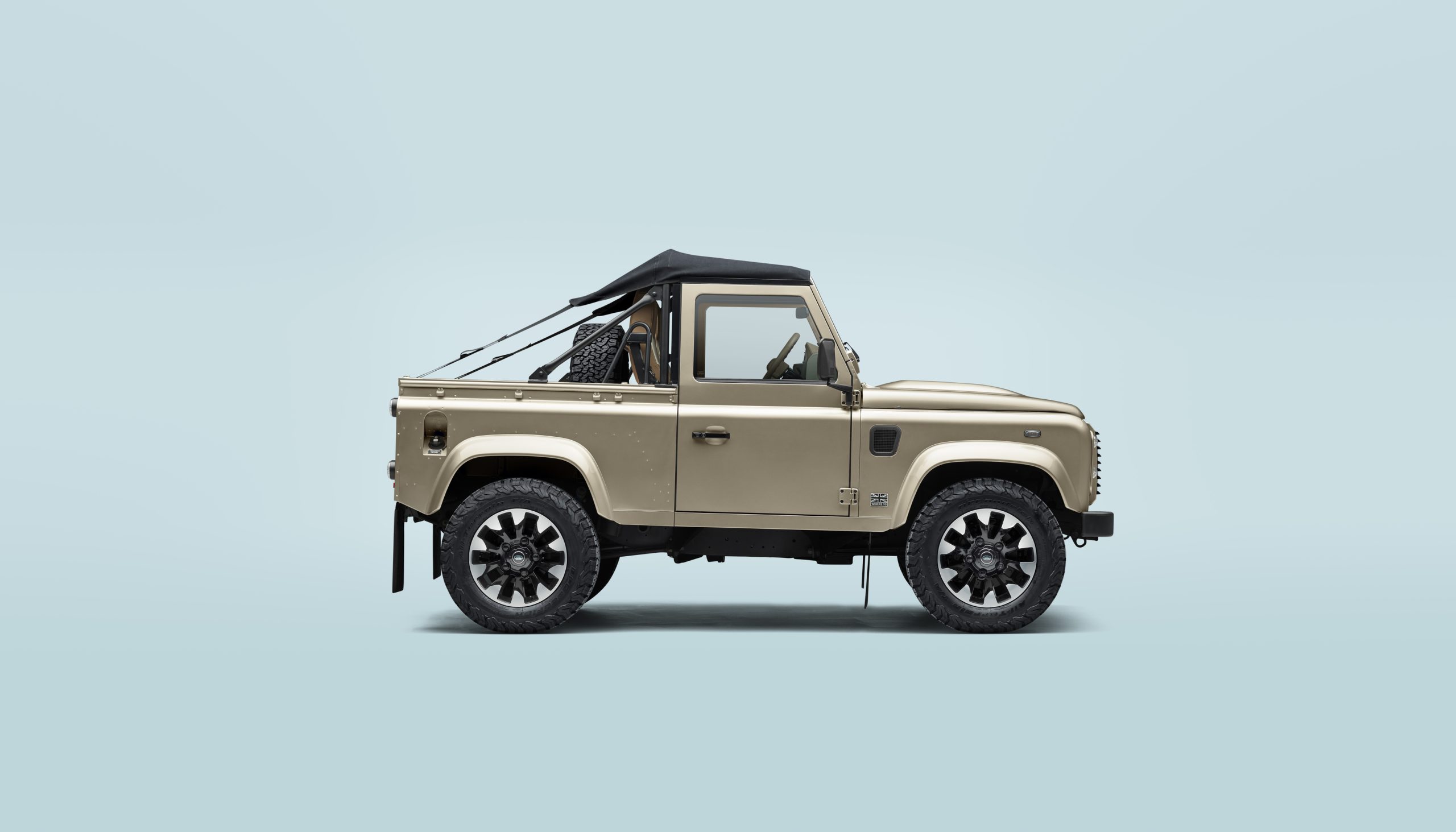
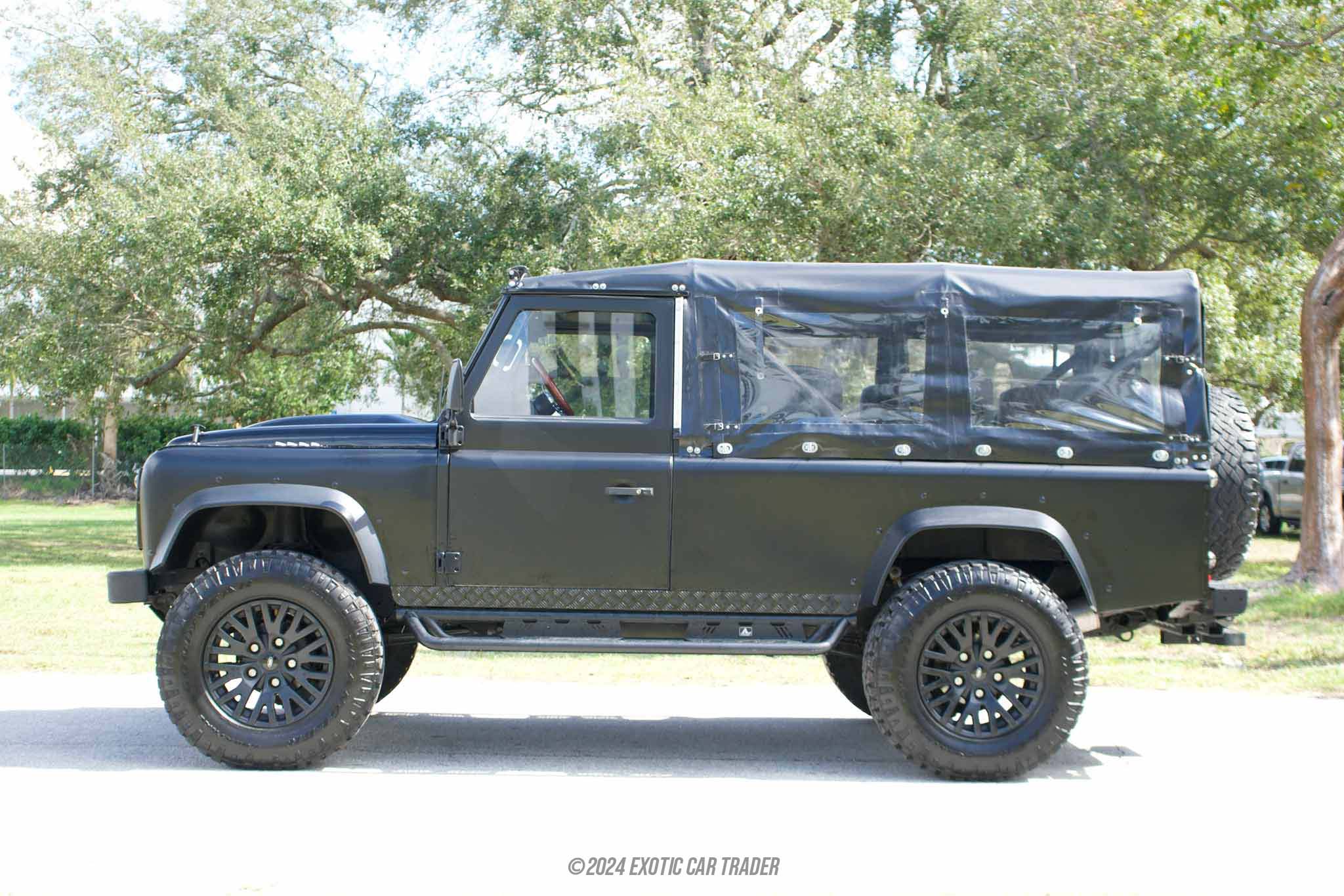
The classic Defender moved to coil springs, making the soft top a much more viable "daily" driver. The soft top variants, particularly the North American Spec (NAS) and the later "Heritage" editions, are among the most sought-after Land Rovers in existence.
- The Experience: Rugged and capable, with significantly better road manners than the Series models.
- Best For: Serious off-roading, beach lifestyle, and those who want the "iconic" Land Rover silhouette.
- Technical Note: Look for models with the 300Tdi or Td5 engines for the best balance of reliability and torque.
The Modern Luxury Era: Range Rover Evoque Convertible (2017–2019)
While discontinued years ago, the Evoque Convertible remains the only factory-built modern luxury soft top in the Land Rover lineage. In 2026, these are popular in the pre-owned market for drivers who want the badge and the breeze without the agricultural noise.
- The Experience: Refined, quiet (with the top up), and packed with technology.
- Best For: Urban environments and drivers who prioritize heated seats and infotainment over wading depth.
- Technical Note: The Z-fold fabric roof is a complex piece of machinery. Ensure the hydraulic pumps have been serviced.
Key Factors When Evaluating a Soft Top
1. Security and Practicality
A soft top offers zero security against a determined intruder with a pocket knife. If you live in a high-crime urban area and do not have a secure garage, a soft top Land Rover may be a liability. Furthermore, insulation is minimal. While modern "Stayfast" or Mohair fabrics are better than traditional cotton canvas, they still struggle to retain heat in sub-zero temperatures. In 2026, many owners opt for "thermal liners" which can be buttoned inside the canopy to improve cabin acoustics and heat retention.
2. The Frame and Roll Cage Systems
The safety of a soft top Land Rover depends heavily on what lies beneath the fabric.
- Standard Hoops: These are simple tubes designed to hold the shape of the canvas. They offer no rollover protection.
- Internal/External Roll Cages: If you intend to use the vehicle for off-roading or family trips, a full roll cage (such as those from Safety Devices or Exmoor Trim) is essential. These cages replace the standard hoop set and provide a structural skeleton that protects occupants in the event of an accident.
3. Fabric Materials: Canvas vs. Mohair vs. PVC
The material you choose affects both the look and the longevity of the vehicle:
- Cotton Canvas: The traditional choice. It looks "correct" on vintage models but is prone to shrinking, fading, and mildew if not treated regularly.
- Mohair (Stayfast): A premium, synthetic-blend fabric used on high-end convertibles. It is darker, more color-fast, and offers superior weather resistance.
- PVC/Vinyl: Often found on older military surplus vehicles. It is easy to clean but can become brittle and crack in extreme cold or intense UV light.
Comparing Popular Soft Top Models
The following table compares the three most common paths for buyers in 2026 looking for an open-air Land Rover experience.
| Feature | Series III (88") | Defender 90 Soft Top | Range Rover Evoque Conv. |
|---|---|---|---|
| Production Years | 1971–1985 | 1984–2016 | 2017–2019 |
| Suspension | Leaf Springs | Coil Springs | Independent/Adaptive |
| Top Speed | ~65 mph | ~85 mph | ~130 mph |
| Roof Operation | Manual (15-30 mins) | Manual (10-20 mins) | Power (18 seconds) |
| Off-Road Ability | High (Mechanical) | Extreme | Moderate (Trail-rated) |
| Maintenance Level | High (DIY friendly) | Moderate | Professional Required |
| 2026 Market Value | $25,000 - $60,000 | $50,000 - $150,000 | $35,000 - $55,000 |
Technical Considerations for Conversions
In 2026, many "Soft Top Defenders" on the market started life as hardtop station wagons or panel vans. If you are looking at a conversion, you must verify the quality of the workmanship. A proper conversion involves more than just cutting the roof off.
The Tailgate Requirement
A standard hardtop Defender has a full-height rear door that swings sideways. A factory-style soft top requires a "drop-down" tailgate or a specialized half-door. Ensure the conversion includes a properly reinforced tailgate hinge system, as the spare tire often puts immense stress on the rear body tub.
Door Tops and Seals
Classic Land Rovers use two-piece doors (a bottom skin and a removable top window frame). For a true soft top experience, you want the removable door tops. However, these are notorious for leaking. Check the "waist rail" seals where the soft top meets the body of the car. If these seals are degraded, water will pool in the footwells, leading to the dreaded chassis and bulkhead rust.
Bulkhead and Chassis Integrity
Because a soft top lacks the structural rigidity of a steel roof, the vehicle's chassis and bulkhead must be in pristine condition. Any "flex" in the frame caused by rust will manifest as doors that don't latch properly or a soft top that flaps excessively at speed. Always inspect the "dumb irons" (the front-most part of the chassis) and the footwells for oxidation.
Living with a Soft Top: Maintenance Tips
Maintaining a soft top in 2026 requires more diligence than a modern SUV. To ensure your investment lasts:
- UV Protection: Apply a fabric protectant (like 303 Marine) every six months to prevent the sun from breaking down the fibers and the clear plastic windows.
- Window Care: Never use a scraper on the plastic windows in winter; it will scratch them permanently. Use lukewarm water to de-ice.
- Zipper Lubrication: Soft top windows often zip out. Use a specialized zipper wax or silicone spray to prevent the salt air (if near the coast) from corroding the teeth.
- Dry Storage: Never fold a canvas top while it is wet. This is the fastest way to invite mold and permanent staining.
Frequently Asked Questions
Are soft top Land Rovers loud on the highway?
Yes. Even with a high-quality Mohair top, the wind noise is significant compared to a hardtop. Above 50 mph, conversation becomes difficult, and the "buffeting" effect can be tiring on long trips. Heavy-duty acoustic floor mats and engine bay insulation are common 2026 upgrades to mitigate this.
Can I convert my modern L663 Defender to a soft top?
There is no factory soft top for the modern (2020–present) Defender. However, by 2026, several high-end coachbuilders, such as Heritage Customs, offer convertible conversions. These are extremely expensive (often exceeding $80,000 for the conversion alone) and involve significant structural reinforcement.
How do I stop a soft top from leaking?
Total water tightness is rarely achieved in classic Land Rovers. You can minimize leaks by ensuring the "gutter" drains are clear and using closed-cell foam tape where the door tops meet the windscreen frame. Most owners accept a small amount of ingress as part of the vehicle's character.
Is the Evoque Convertible a "real" Land Rover?
While it lacks the heavy-duty live axles of its siblings, it features Land Rover's Terrain Response system and can handle sand, snow, and moderate trails with ease. It is a "real" Land Rover in terms of capability relative to its class, though it is designed for a different lifestyle.
Which engine is best for a soft top Defender?
The 300Tdi (1994–1998) is widely considered the best for a soft top because it is purely mechanical, making it easy to fix if you get it wet during a rainstorm with the top down. The Td5 is also excellent but features more electronics that require protection from the elements.
Final Recommendation
If you are looking for the best all-around soft top Land Rover in 2026, seek out a 1990s Defender 90 with a 300Tdi engine and a modern Mohair hood. This configuration offers the best balance of investment value, legendary off-road capability, and a mechanical simplicity that allows you to enjoy the open air without the constant fear of electronic failure. For those who prioritize safety and family use, ensure the vehicle is fitted with a full external roll cage, which provides the necessary peace of mind for modern road conditions.
Image Gallery