Understanding the Garage Opener Repair Cost for Homeowners in 2026
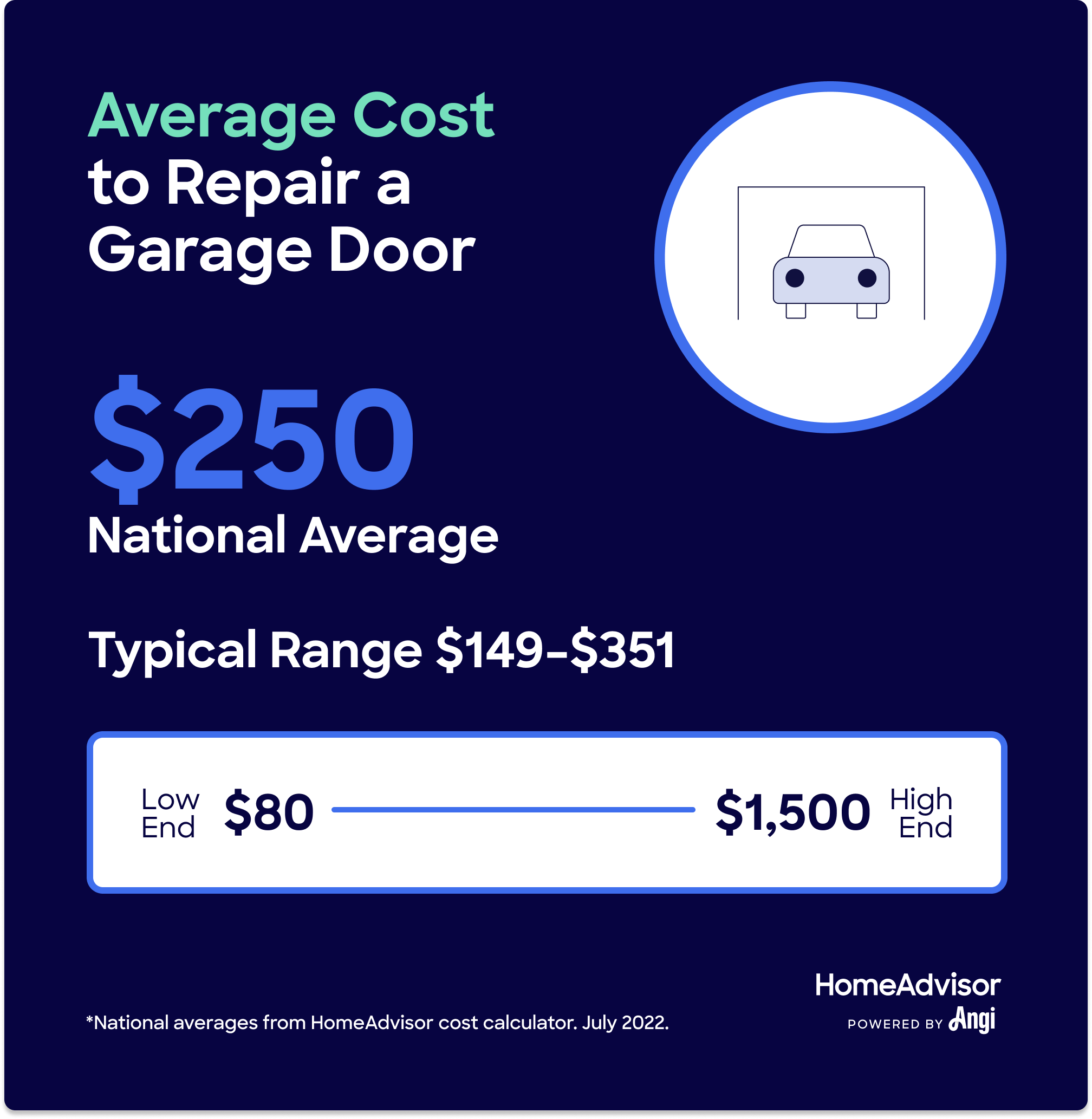
In 2026, homeowners typically pay between $150 and $550 for professional garage door opener repairs, with a national average of approximately $245. While minor adjustments like sensor realignment may cost as little as $75 to $125, majo...
In 2026, homeowners typically pay between $150 and $550 for professional garage door opener repairs, with a national average of approximately $245. While minor adjustments like sensor realignment may cost as little as $75 to $125, major component failures such as circuit board replacements or motor assemblies can exceed $600 including labor.
Contents
The garage door opener is the motorized heart of your home’s primary entry point. When it fails, it is rarely just a matter of convenience; it is a significant security and safety concern. As we move through 2026, the integration of sophisticated smart-home technology and advanced safety sensors into these units has slightly increased repair complexity and hardware costs compared to previous decades. Understanding the breakdown of these expenses helps homeowners determine whether a quick fix is viable or if the unit has reached the end of its functional lifespan.
Primary Factors Influencing Repair Costs
Several variables dictate the final invoice when a technician arrives at your driveway. These range from the specific mechanical failure to the geographic economic climate.
Labor Rates and Service Call Fees
In the current 2026 economic landscape, professional labor remains the most significant portion of a repair bill. Most reputable garage door service companies charge a flat service call fee ranging from $85 to $150. This fee typically covers the travel time and a 30-to-60-minute diagnostic period.
If the repair requires more than an hour, hourly labor rates usually range from $75 to $130 per hour. In high-cost-of-living metropolitan areas, these rates may be 20% higher. It is important to note that many companies will apply the initial service call fee toward the total cost of the repair if you choose to proceed with their services.
The Type of Drive System
The mechanism that moves the door significantly impacts the cost of parts and the difficulty of the labor involved:
- Chain-Drive Openers: These are the most common and generally the least expensive to repair. Replacing a broken chain or a drive gear kit usually costs between $150 and $250.
- Belt-Drive Openers: Favored for their quiet operation, these use a rubber-reinforced belt. While highly durable, a snapped or slipping belt is more expensive to replace than a chain, often ranging from $200 to $350.
- Screw-Drive Openers: These units use a threaded steel rod. They have fewer moving parts but require specific lubrication. Repairs to the trolley or the screw itself typically fall between $175 and $300.
- Wall-Mount (Jackshaft) Openers: These high-end units sit beside the door rather than overhead. Due to their complexity and the specialized parts required, repairs often start at $250 and can climb quickly.
Common Component Failures and Specific Pricing
To accurately budget for a repair, homeowners should recognize which specific part has failed. Below is a breakdown of the most frequent repair scenarios encountered in 2026.
Safety Sensors (Photo Eyes)
If your garage door starts to close and then immediately reverses, the safety sensors are the likely culprit. These sensors project an invisible beam across the door opening. If they are misaligned, dirty, or the wiring has frayed, the system fails to operate for safety reasons.
- Realignment: $75 – $125 (often covered by the base service fee).
- Replacement: $100 – $175 (including parts and labor).
Logic Boards and Circuitry
The logic board is the "brain" of the opener. It manages signals from remotes, handles the "learn" functions, and controls the motor's force. These boards are sensitive to power surges. With the 2026 standard for Wi-Fi-enabled and AI-integrated openers, these boards have become more expensive.
- Average Cost: $200 – $450. In many cases, if a logic board fails on a unit older than 10 years, technicians will recommend a full replacement of the opener.
Drive Gears and Sprockets
In chain and belt-driven units, the internal plastic gears can strip over time, especially if the door is not properly balanced. You will often hear the motor running, but the door will not move.
- Average Cost: $150 – $225. This is a labor-intensive repair as it requires disassembling the motor housing.
Remote Controls and Wall Stations
Sometimes the issue isn't the motor at all, but the peripheral devices.
- Universal Remotes: $40 – $90.
- Smart Wall Stations: $100 – $180.
- Keypad Replacement: $60 – $120.
2026 Comparison Table: Garage Opener Repair vs. Replacement
| Component/Service | Average Repair Cost (2026) | Estimated Lifespan | Recommendation |
|---|---|---|---|
| Safety Sensor Replacement | $125 - $175 | 10+ Years | Repair |
| Gear & Sprocket Kit | $150 - $250 | 8 - 12 Years | Repair (if unit is <8 years old) |
| Logic Board / Motherboard | $250 - $450 | 10 - 15 Years | Consider Replacement |
| Motor Assembly | $350 - $600 | 15+ Years | Replace Full Unit |
| Remote/Keypad Issues | $50 - $150 | N/A | Repair/Replace Part |
| Full Opener Installation | $450 - $950 | 15 - 20 Years | New Investment |
Repair vs. Replacement: Making the Decision
A common dilemma for homeowners is deciding whether to sink money into an aging unit or invest in a new installation. In 2026, the "50% Rule" remains the industry standard: if the cost of the repair exceeds 50% of the cost of a new unit, replacement is the more economical long-term choice.
When to Repair
Repairing is generally the best route if the unit is less than 7 years old and the issue is localized to a peripheral component like a sensor, a remote, or a simple gear. If the motor itself is strong and the rail system is in good condition, a $200 repair is a sound investment to gain another five or more years of service.
When to Replace
Homeowners should strongly consider a full replacement in the following scenarios:
- Age: If the unit was manufactured before 2012, it may lack modern rolling-code technology, making it vulnerable to "code grabbing" by intruders.
- Safety Compliance: Older units may not meet the current UL 325 safety standards, which require specific auto-reverse mechanisms.
- Noise Levels: If a chain-drive motor is becoming excessively loud, upgrading to a modern 2026 belt-drive or DC motor unit offers significantly quieter operation and smoother "soft start/stop" cycles.
- Smart Features: Many 2026 models come standard with integrated cameras, battery backups (required by law in some jurisdictions like California), and advanced encryption.
Additional Costs and "Hidden" Fees
Beyond the direct repair of the opener, other factors can inflate the final bill.
Emergency and After-Hours Services
Garage doors rarely fail at convenient times. If you require a technician on a weekend, holiday, or late at night because your car is trapped inside, expect an emergency surcharge of $100 to $200 on top of the standard labor rates.
Door Balance and Spring Issues
A garage opener is only designed to lift a "balanced" door. If your door's torsion or extension springs are worn or broken, the opener has to work significantly harder, which often leads to motor failure. A technician will usually perform a balance test. If the springs need adjustment or replacement, this can add $200 to $400 to the total invoice. It is critical to address these issues, as a new or repaired opener will fail prematurely if forced to lift an unbalanced door.
Warranty Considerations
Before paying out of pocket, check if your unit is still under manufacturer warranty. While most warranties do not cover labor after the first year, parts like the motor or the rail are often covered for 5, 10, or even 20 years. Using a certified technician who can file a warranty claim on your behalf can save you hundreds of dollars in hardware costs.
Safety Warnings for Homeowners
While it may be tempting to attempt a DIY repair to save on labor costs, garage door systems involve high-tension springs and high-voltage electrical components.
Electrical Hazards: Always disconnect the power before inspecting the internal components of an opener. Spring Tension: Never attempt to adjust the torsion springs (the large springs above the door) without professional training. These components are under extreme tension and can cause severe injury or death if they snap or are released improperly.
For most homeowners, DIY efforts should be limited to:
- Wiping sensor lenses with a clean cloth.
- Checking the batteries in remotes and keypads.
- Applying a manufacturer-approved silicone-based lubricant to the tracks and rollers.
- Tightening loose nuts and bolts on the door hardware.
Frequently Asked Questions
Why is my garage door opener making a humming noise but not moving?
This usually indicates a seized motor or a capacitor failure. In chain or belt-drive units, it could also mean the drive gear is stripped. If the motor is humming, it is receiving power but cannot overcome the resistance to turn the drive shaft. This repair typically costs between $150 and $250.
Is it worth repairing a 15-year-old garage door opener?
Generally, no. The average lifespan of a garage door opener is 10 to 15 years. At this age, other components are likely to fail soon, and the unit lacks modern security features and energy efficiency. Investing $200 in a 15-year-old machine is often "throwing good money after bad."
How much does it cost to replace garage door opener sensors?
Professional replacement of safety sensors usually costs between $100 and $175. The parts themselves are relatively inexpensive ($40–$70), but the cost includes the labor of wiring them correctly to the head unit and ensuring they are perfectly aligned to meet safety regulations.
Does a new garage door opener increase home value?
While it may not drastically increase the appraised value of a home, a modern, quiet, and smart-enabled garage door opener is a strong selling point. In 2026, buyers expect integrated smart-home features and reliable security, making an updated opener a significant "curb appeal" and functional advantage during a home inspection.
Can I use my old remotes with a new opener?
In most cases, no. Modern openers use updated frequencies and encryption (such as Security+ 2.0) that are not compatible with older remotes. However, most new openers come with at least two remotes and a keypad, and many allow you to use your smartphone as a primary controller via an app.
Final Recommendation
When faced with a garage opener malfunction in 2026, the most cost-effective path is a professional diagnostic. If the repair quote is under $250 and your unit is less than a decade old, proceed with the repair. However, if the unit is aging or requires a new logic board or motor, upgrading to a modern, energy-efficient model will provide better security, quieter operation, and a fresh warranty, offering better value for your investment over the next 15 years.
Image Gallery