Finding Your Look Alike: Facial Recognition Technology and Genetic Doppelgängers in 2026
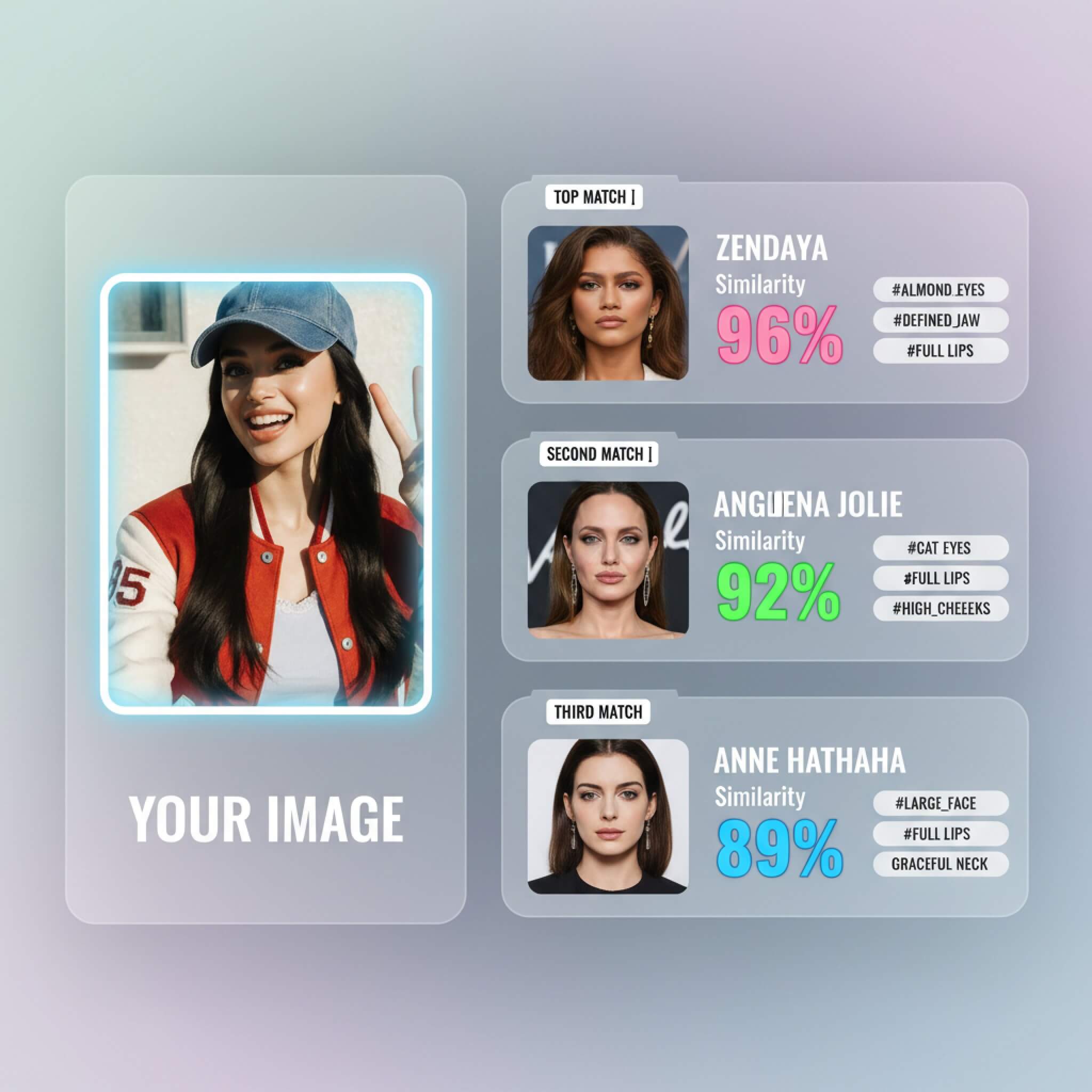
Discovering your look alike in 2026 involves utilizing advanced facial recognition algorithms, computer vision biometric mapping, and global genetic ancestry databases. Whether you are exploring entertainment apps, investigating algori...
Discovering your look alike in 2026 involves utilizing advanced facial recognition algorithms, computer vision biometric mapping, and global genetic ancestry databases. Whether you are exploring entertainment apps, investigating algorithmic twin matching, or researching the scientific reality of genetic doppelgängers, understanding how these digital systems analyze facial geometry is essential for protecting your privacy while satisfying your curiosity.
Contents
The quest to find someone who shares your facial structure has evolved from simple photo comparisons into a sophisticated digital science. As neural networks become more refined, platforms can analyze thousands of facial landmarks to find structural similarities across massive databases. However, navigating these technologies requires an awareness of privacy regulations, data security protocols, and the fundamental difference between digital facial matching and true biological twins.
The Science of Facial Geometry and Biometric Mapping
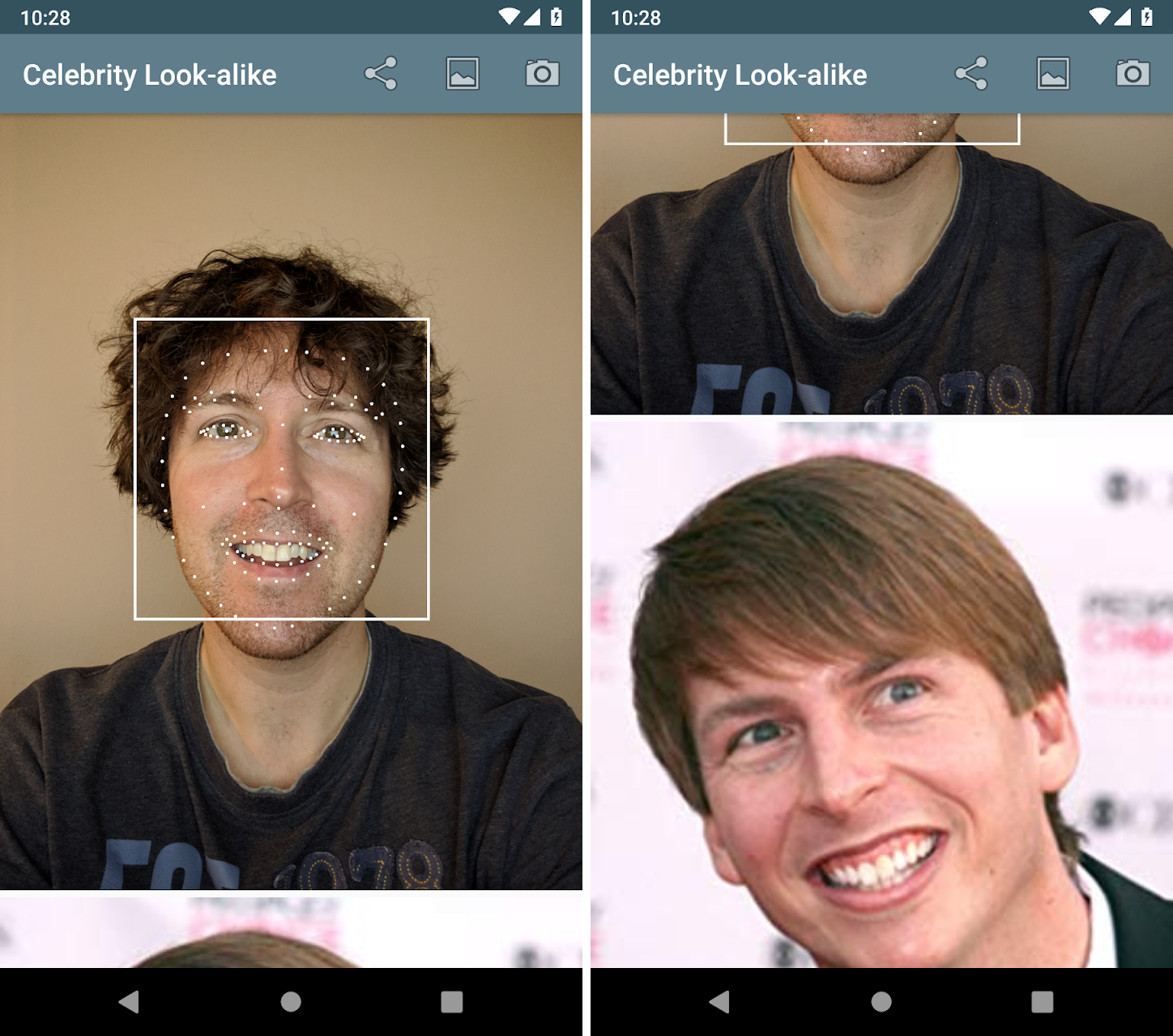
Modern look alike applications rely heavily on computer vision and machine learning models trained on millions of facial images. Instead of looking at a face as a single picture, algorithms break down facial features into quantifiable metrics known as biometric vectors. This process maps the distances between key facial landmarks, such as the pupils, the tip of the nose, the corners of the mouth, and the jawline contour.
When you upload an image to a twin-finding platform, the system generates a numerical representation of your face. This vector is then compared against an indexed database of other user submissions or public domain images using cosine similarity calculations.
- Nodal Point Analysis: Measuring the distance between eyes, the width of the nose, and the depth of the eye sockets.
- Texture Mapping: Analyzing skin patterns, freckle distributions, and micro-features that remain stable over time.
- Deep Learning Embeddings: Utilizing convolutional neural networks (CNNs) to extract abstract features that human eyes might miss, such as bone structure asymmetries.
While these algorithms can generate remarkably close visual matches, they measure pixel and geometric data rather than biological lineage. A high match score indicates structural geometry alignment, not a shared family tree.
Popular Methods and Platforms for Finding Your Twin
Several distinct digital avenues exist for individuals looking to find their visual counterpart. Choosing the right method depends on whether you prefer casual entertainment, deep ancestry research, or artistic portrait comparisons.
| Method / Platform Type | Primary Technology | Privacy Risk Level | Best Use Case |
|---|---|---|---|
| Entertainment Apps | Convolutional Neural Networks | Moderate to High | Quick, casual fun and social media sharing |
| Genetic Genealogy Databases | DNA Sequencing & Relative Matching | Low (Regulated Bioethics) | Finding biological family and genetic relatives |
| Open-Source Face Search | Reverse Image Indexing | High | Locating public images across the web |
| Portrait Art Comparisons | Museum Facial Recognition | Low | Matching historical paintings and sculptures |
Entertainment applications are widely accessible via mobile app stores, but users must review terms of service regarding data retention. Many free tools store uploaded biometric data for algorithmic training, making data privacy policies a critical review point before submission.
Genetic Doppelgängers: Science Versus Digital Matching
The phenomenon of physical look-alikes without a direct family relation has fascinated scientists for centuries. Recent genetic studies indicate that human facial structure is governed by a finite set of genetic variations. With billions of people inhabiting the earth, statistical probability dictates that random individuals will inherit similar DNA sequences affecting bone structure and fat distribution.
Researchers publishing in biological journals have analyzed unrelated look-alikes using comprehensive DNA testing and biometric scoring. Their findings suggest that individuals who share striking visual similarities often share common genetic variants, even if they have no recent genealogical connection.
- Finite Genetic Building Blocks: Facial development depends on specific genetic pathways that repeat across diverse global populations.
- Epigenetic Factors: Environmental influences, lifestyle choices, and aging can amplify or diminish perceived visual similarities.
- The Illusion of Exactness: Human brains are hardwired for facial recognition, often making us perceive an exact match when structural alignment is merely high in specific focal areas like the jaw or brow.
Step-by-Step Guide to Safely Searching for Your Look Alike
If you want to explore digital twin finders or image-matching tools, following a structured methodology ensures you protect your personal data while achieving accurate results.
- Audit Your Source Image: Select a clear, high-resolution, front-facing photograph with neutral lighting and minimal obstruction from hair or glasses. Avoid heavy filters that alter facial geometry.
- Review Privacy Policies: Check how the platform handles biometric data. Ensure the service explicitly states they do not sell your facial vectors to third-party data brokers or use your images for unregulated facial recognition surveillance databases.
- Select Reputable Tools: Opt for established applications with transparent data deletion policies rather than obscure, unverified third-party mobile downloads.
- Execute the Search: Upload your image and allow the neural network to process the biometric vector mapping against its permitted database.
- Analyze the Results: Review the top matches critically, looking past hair color and makeup to evaluate foundational bone structure and facial proportions.
- Purge Data: Once you have completed your search, utilize the platform's account deletion or data wipe feature to remove your uploaded images from their servers.
Potential Risks, Privacy Concerns, and Mitigation
Engaging with facial recognition technology carries inherent digital footprint risks. Unregulated platforms may harvest biometric data to train commercial surveillance systems or AI models without explicit, informed consent.
To mitigate these risks, users should never upload sensitive identification documents alongside their look-alike photos. Furthermore, avoiding platforms that require full social media profile integration prevents unauthorized harvesting of your extended friend lists and personal metadata. Adhering to strict digital hygiene ensures that your exploratory search for a visual twin does not compromise your online security.
Frequently Asked Questions About Look Alikes
How accurate are look-alike apps at finding a real twin?
Look-alike apps measure mathematical geometry rather than biological relationships, meaning high matches are purely coincidental structural similarities. These algorithms calculate pixel distances and contour vectors, which often result in uncanny visual comparisons without any actual genetic ties.
Is it safe to upload my photo to facial matching platforms?
Safety depends entirely on the specific platform's data privacy policy and regulatory compliance. Reputable services encrypt data and delete user photos after processing, while unregulated apps may store biometric vectors for commercial training datasets or third-party sharing.
Can DNA testing help me find my genetic doppelgänger?
DNA testing services cannot directly match you with a look-alike based on facial features alone, but they connect you with biological relatives who may share inherited facial traits. Genetic genealogy platforms focus strictly on chromosomal segments rather than photographic biometric profiling.
Why do unrelated people look so much alike?
Given the vast global population and finite genetic variations controlling human skeletal structure, statistical probability creates unrelated individuals with matching facial geometries. These genetic doppelgängers share random alignments of DNA sequences that dictate nose shape, jaw width, and eye spacing.
Do look-alike apps keep ownership of my uploaded photos?
Most terms of service agreements include clauses granting the platform a license to process your uploaded images for algorithmic improvement. Reading the fine print before uploading ensures you understand whether your likeness is being retained or permanently deleted.
Conclusion and Recommendations
Exploring look-alike technology offers an entertaining glimpse into the capabilities of modern computer vision and the fascinating science of human genetics. While digital twin finders provide engaging results, prioritizing data privacy and understanding the limitations of biometric matching remain paramount. Approach these tools with caution, select privacy-compliant platforms, and enjoy the journey of discovering structural similarities across the globe.
Image Gallery