Does Red Yeast Rice Cause Constipation? Understanding Side Effects and Digestive Health
Red yeast rice can cause constipation, as it contains monacolin K, a compound chemically identical to the prescription statin lovastatin. While not the most common side effect, gastrointestinal issues including constipation, gas, and b...
Red yeast rice can cause constipation, as it contains monacolin K, a compound chemically identical to the prescription statin lovastatin. While not the most common side effect, gastrointestinal issues including constipation, gas, and bloating affect a significant percentage of users who take red yeast rice to manage cholesterol levels.
Contents
As we move through 2026, red yeast rice (RYR) remains one of the most popular natural alternatives for cardiovascular support. However, its "natural" label often leads consumers to believe it is free from the side effects associated with pharmaceutical interventions. Because RYR functions through the same biological pathways as prescription medications, it carries a similar risk profile for digestive disturbances. Understanding why this happens, how to identify the symptoms, and what steps you can take to mitigate discomfort is essential for anyone incorporating this supplement into their heart-health regimen.
The Biological Link Between Red Yeast Rice and Digestive Health
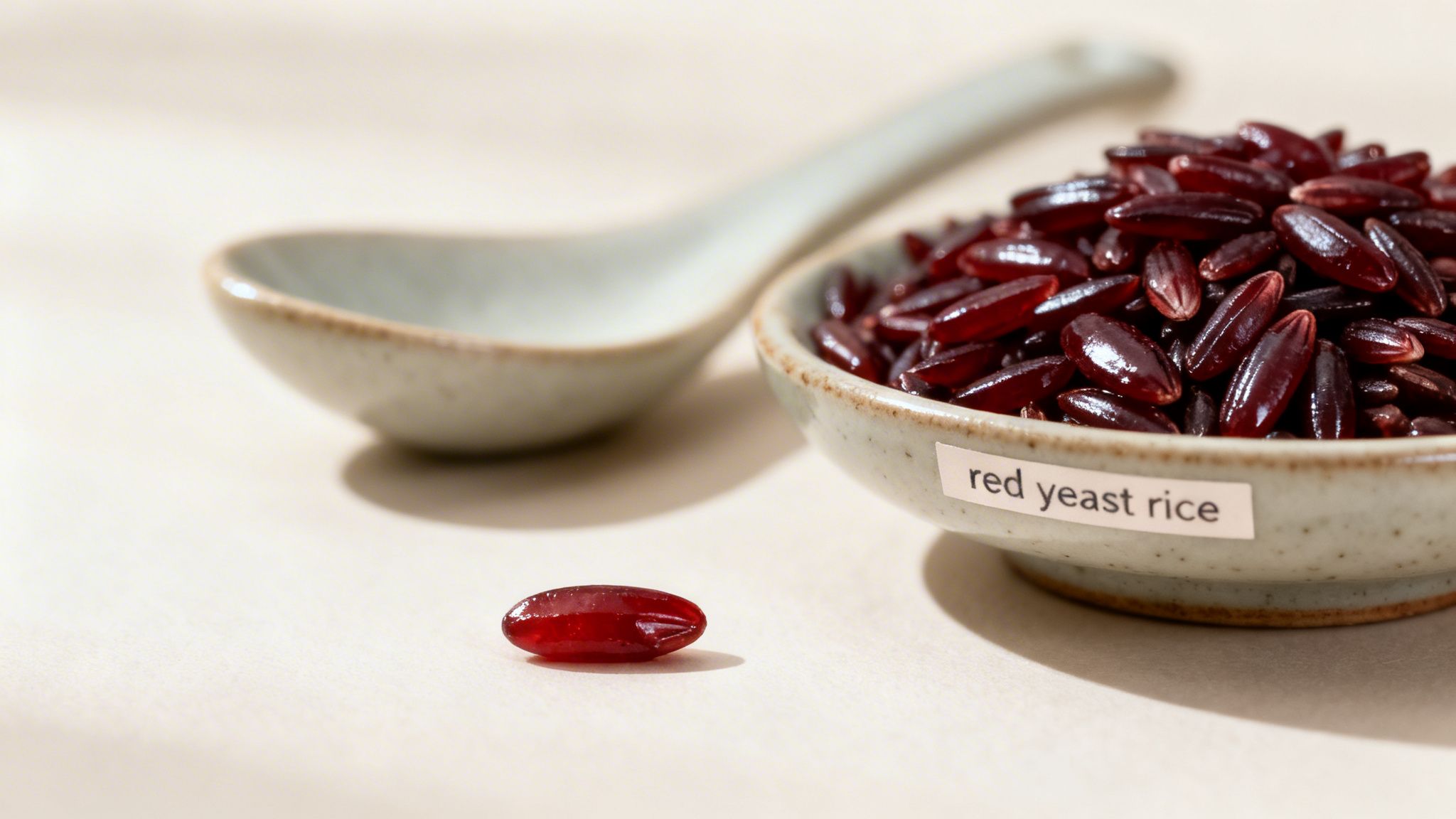
To understand why red yeast rice causes constipation, one must look at its active component: monacolin K. During the fermentation process of rice with the yeast Monascus purpureus, several monacolins are produced. Monacolin K is the most potent and is structurally identical to the statin drug lovastatin.
Statins work by inhibiting the enzyme HMG-CoA reductase, which plays a critical role in the liver’s production of cholesterol. While this inhibition is highly effective for lowering LDL (low-density lipoprotein) cholesterol, it does not act exclusively on the liver. The presence of statin-like compounds in the systemic circulation can affect the smooth muscles of the gastrointestinal tract.
The Impact on Gut Motility
The gastrointestinal tract relies on a process called peristalsis—the rhythmic contraction and relaxation of muscles—to move waste through the colon. Some research suggests that HMG-CoA reductase inhibitors can subtly alter the signaling pathways that govern these muscle movements. When gut motility slows down, the colon has more time to absorb water from the stool, leading to the harder, drier stools characteristic of constipation.
Furthermore, cholesterol is a precursor to bile acids. Bile is essential not only for the digestion of fats but also for stimulating movement in the small and large intestines. By altering the cholesterol synthesis pathway, red yeast rice may indirectly influence the volume or composition of bile entering the digestive tract, further contributing to a sluggish digestive system.
Identifying Symptoms of RYR-Induced Constipation
Constipation caused by red yeast rice rarely occurs in isolation. It is typically part of a broader spectrum of gastrointestinal side effects. If you have recently started an RYR supplement or increased your dosage, you should monitor for the following symptoms:
- Reduced Frequency: Having fewer than three bowel movements per week, or a significant departure from your established personal "normal" frequency.
- Straining and Hard Stools: The requirement of excessive effort during defecation or the passage of "lumpy" or "pebble-like" stools.
- Abdominal Bloating and Gas: A feeling of fullness or distension in the abdomen that often accompanies slowed transit time.
- Sensation of Incomplete Evacuation: The feeling that not all waste has been cleared from the rectum after a bowel movement.
It is important to distinguish these symptoms from more severe reactions. While constipation is uncomfortable, it is generally considered a "mild" side effect. However, if constipation is accompanied by severe abdominal pain, nausea, or a total inability to pass gas, it could indicate a more serious bowel obstruction and requires immediate medical attention.
Red Yeast Rice vs. Prescription Statins: A Side Effect Comparison
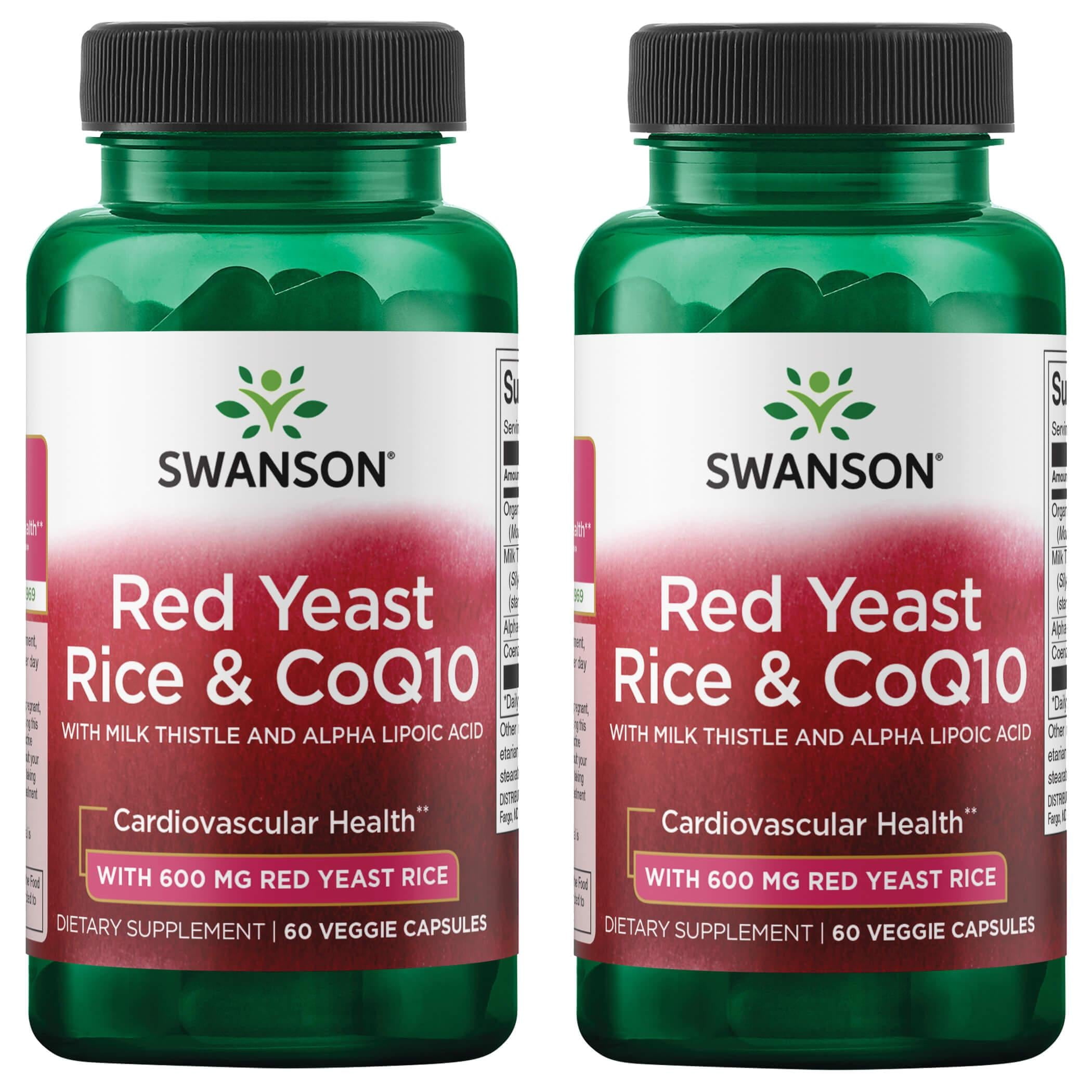
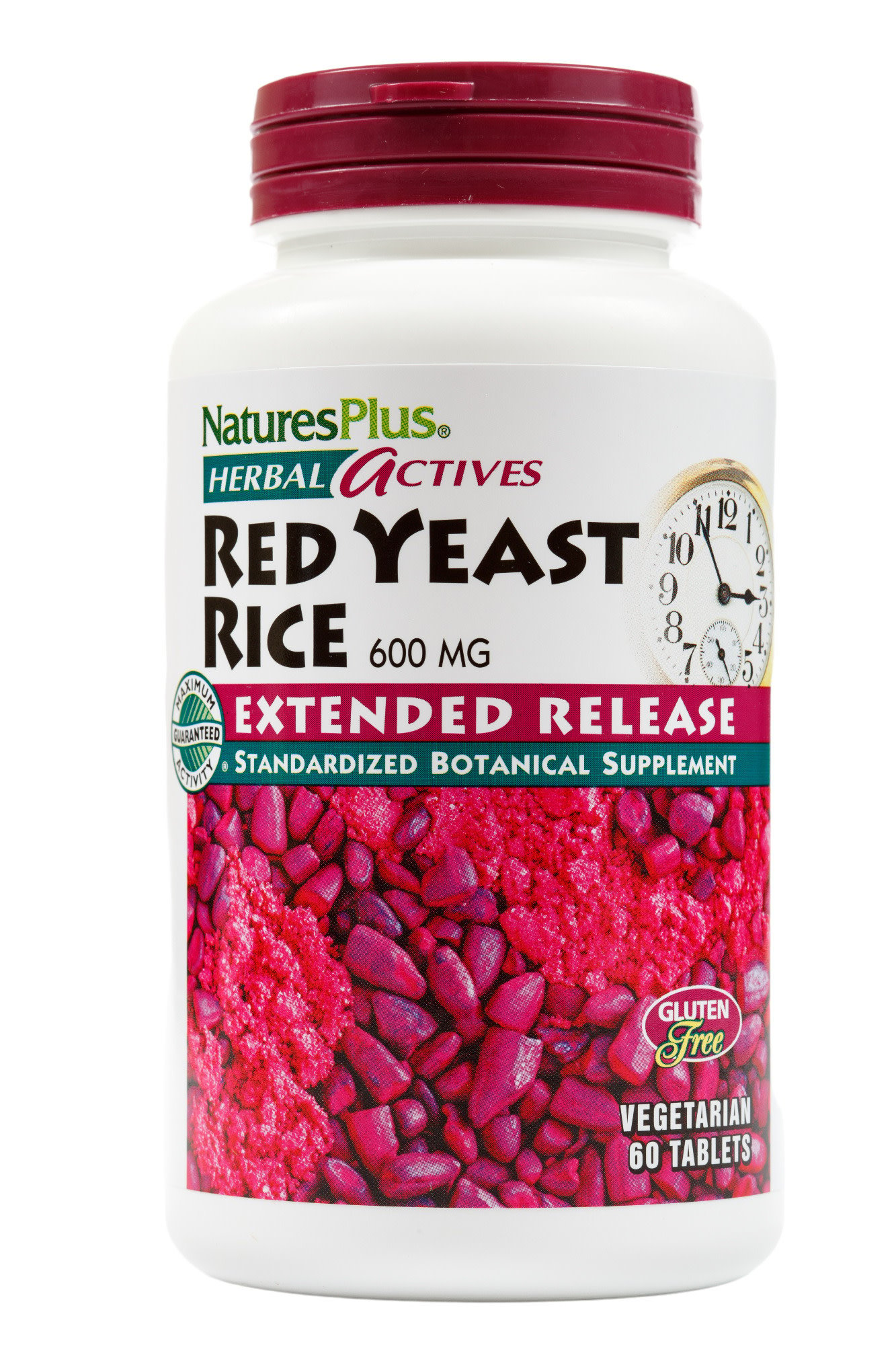
Because red yeast rice is sold as a dietary supplement, its potency can vary wildly between brands. Some products contain negligible amounts of monacolin K, while others contain doses equivalent to prescription strength. This variability often dictates the severity of side effects like constipation.
| Feature | Red Yeast Rice (RYR) | Prescription Statins (e.g., Lovastatin) |
|---|---|---|
| Active Ingredient | Monacolin K (Variable) | Pure Statin (Standardized) |
| Common GI Side Effects | Constipation, gas, bloating | Constipation, diarrhea, nausea |
| Regulatory Oversight | Dietary Supplement (FDA regulated as food) | Prescription Drug (Strict FDA oversight) |
| Purity Concerns | Potential for Citrinin contamination | High purity, pharmaceutical grade |
| Typical Dosage | 600mg to 2,400mg of powder | 10mg to 80mg of active statin |
| Muscle Pain Risk | Moderate to High (Dose dependent) | Moderate to High |
As the table illustrates, the side effect profile is nearly identical because the mechanism of action is the same. The primary difference lies in standardization. A consumer taking RYR may be getting a higher or lower dose of the active "statin" than they realize, which can make managing side effects like constipation more difficult than with a controlled prescription.
Managing and Preventing Constipation While Taking RYR
If you find that red yeast rice is effectively lowering your cholesterol but causing digestive discomfort, you do not necessarily have to discontinue use. There are several evidence-based strategies to improve gut motility and alleviate constipation.
1. Optimize Hydration
Slowed gut motility allows the colon to pull more water out of the waste. To counter this, you must increase your daily water intake. Aim for at least 8 to 10 glasses of water per day, especially if you are also increasing your fiber intake. Without adequate water, fiber can actually worsen constipation by creating a "plug" in the digestive tract.
2. Gradual Fiber Integration
Fiber adds bulk to the stool and speeds up transit time. However, many people make the mistake of adding too much fiber too quickly, which leads to gas and cramping.
- Soluble Fiber: Found in oats, beans, and apples. It turns into a gel-like substance that helps soften stool.
- Insoluble Fiber: Found in whole grains and vegetables. It acts like a "broom" to move waste through the system.
- Supplementation: If dietary changes are insufficient, consider a psyllium husk supplement. Note that fiber supplements should be taken at a different time of day than your red yeast rice to prevent interference with absorption.
3. The Role of Magnesium
Magnesium is a natural osmotic laxative, meaning it draws water into the intestines to soften the stool. Many people who take statins or red yeast rice find that a mild magnesium citrate or magnesium glycinate supplement helps maintain regularity. Consult with a healthcare provider before starting magnesium, as it can interact with certain kidney conditions or other medications.
4. Physical Activity
Movement of the body encourages movement of the bowels. Regular aerobic exercise, such as brisk walking or swimming, stimulates the natural contractions of the intestinal muscles. Even 20 minutes of daily activity can significantly reduce the transit time of waste through the colon.
Critical Safety Considerations: Beyond Constipation
While constipation is a primary concern for many, red yeast rice users must be aware of other potential risks. Because RYR is a fermentation product, the manufacturing process must be strictly controlled.
The Citrinin Risk
In poorly managed fermentation environments, the yeast Monascus purpureus can produce a toxic byproduct called citrinin. Citrinin is a mycotoxin that has been linked to kidney damage (nephrotoxicity) in animal studies. In 2026, reputable supplement manufacturers utilize rigorous third-party testing to ensure their products are citrinin-free. Always look for certifications from organizations like NSF International or USP (U.S. Pharmacopeia) on the label to verify purity.
Muscle Pain and Liver Function
Like prescription statins, red yeast rice can cause myalgias (muscle pain) and, in rare cases, rhabdomyolysis (breakdown of muscle tissue). It can also elevate liver enzymes. If your constipation is accompanied by dark urine, yellowing of the skin (jaundice), or unexplained muscle weakness, stop taking the supplement and consult a doctor immediately.
For more information on the safety profile of red yeast rice, the National Center for Complementary and Integrative Health (NCCIH) provides comprehensive clinical summaries.
Frequently Asked Questions
Does constipation from red yeast rice go away over time?
In many cases, the body adjusts to the supplement within two to four weeks. As the digestive system acclimates to the changes in bile production and muscle signaling, constipation may resolve on its own. However, if symptoms persist beyond a month, it is likely that the dosage is too high or the supplement is not compatible with your digestive system.
Can I take a stool softener with red yeast rice?
Yes, stool softeners like docusate sodium are generally safe to use alongside red yeast rice. Unlike stimulant laxatives, stool softeners do not force contractions in the bowel but rather help moisture penetrate the waste. However, these should be used as a short-term solution while you address the root causes through diet and hydration.
Is red yeast rice safer for the stomach than synthetic statins?
Not necessarily. Because RYR is less regulated, some batches may contain impurities or inconsistent levels of monacolin K. Some users find they tolerate RYR better because the dosage of the active ingredient is often lower than the starting dose of a prescription drug, but the "natural" origin does not inherently protect the stomach from irritation or slowed motility.
Should I take red yeast rice with food to prevent constipation?
Taking red yeast rice with a meal can help reduce general stomach upset and nausea, but it has a negligible effect on preventing constipation. Constipation is a systemic issue related to how the compound affects the gut's muscle movement and bile acids, rather than a direct irritation of the stomach lining.
Can red yeast rice cause diarrhea instead of constipation?
Yes. While constipation is more commonly reported with statin-type compounds, some individuals experience the opposite effect. Changes in gut flora or the way the small intestine processes fats can lead to loose stools or diarrhea in a minority of users.
Practical Recommendation
If you are experiencing constipation while taking red yeast rice, your first step should be to verify your dosage. Many "extra strength" RYR supplements provide a dose of monacolin K that exceeds what is necessary for moderate cholesterol management. Reducing the dose by half for one week may reveal if the side effect is dose-dependent.
Secondly, ensure you are using a product that has been independently verified for purity. Contaminants can cause a wide array of digestive issues that have nothing to do with the monacolin K itself.
Finally, always inform your primary care physician or cardiologist about your use of red yeast rice. Since it acts like a medication, it must be managed like one. If lifestyle adjustments (water, fiber, exercise) do not alleviate the constipation within two weeks, professional medical guidance is necessary to determine if a different cholesterol-lowering strategy is required.
Medical Disclaimer: This article is for informational purposes only and does not constitute medical advice. Always consult with a qualified healthcare professional before starting any new supplement, especially if you have pre-existing health conditions or are taking other medications.
Image Gallery