Understanding Toyota Hybrid Fuel Economy: Technology, Performance, and 2026 Standards
Toyota hybrid fuel economy represents the efficiency benchmark of vehicles equipped with Toyota’s Hybrid Synergy Drive (HSD). In 2026, these vehicles typically achieve between 35 and 57 miles per gallon (MPG) combined. This efficiency...
Toyota hybrid fuel economy represents the efficiency benchmark of vehicles equipped with Toyota’s Hybrid Synergy Drive (HSD). In 2026, these vehicles typically achieve between 35 and 57 miles per gallon (MPG) combined. This efficiency is achieved by intelligently balancing a gasoline internal combustion engine with one or more electric motors to minimize fuel waste during idling, deceleration, and low-speed transit.
Contents
The Engineering Behind Toyota’s Hybrid Efficiency
To understand what Toyota hybrid fuel economy is, one must look at the Hybrid Synergy Drive (HSD) system. Unlike mild hybrids that merely assist the engine, Toyota utilizes a "full hybrid" series-parallel system. This means the vehicle can be powered by the gasoline engine alone, the electric motor alone, or a seamless combination of both.
The heart of this system is the Power Split Device, a sophisticated planetary gear set that replaces a traditional geared transmission or belt-based CVT. This device manages the distribution of power from the engine and the two motor-generators (MG1 and MG2). By constantly adjusting the ratio, the system keeps the gasoline engine in its "sweet spot"—the most efficient RPM range—as often as possible. In 2026, Toyota’s fifth-generation hybrid systems have further refined this by using lighter, more compact transaxles and redesigned lithium-ion battery packs that offer higher power density, allowing for more frequent electric-only operation even at higher speeds.
Furthermore, Toyota engines used in these hybrids operate on the Atkinson Cycle. While a standard Otto cycle engine prioritizes power density, the Atkinson cycle delays the closing of the intake valves, allowing for a higher expansion ratio than compression ratio. This significantly improves thermal efficiency—often exceeding 40%—which is a primary driver of the high fuel economy ratings seen across the Toyota lineup.
2026 Toyota Hybrid Fuel Economy by Model
As of 2026, Toyota has transitioned several of its core nameplates to hybrid-only configurations. The fuel economy varies based on vehicle weight, aerodynamics, and drivetrain (Front-Wheel Drive vs. All-Wheel Drive).
| 2026 Toyota Model | Drive Type | Est. Combined MPG | Est. Range (Total Miles) |
|---|---|---|---|
| Toyota Prius | FWD | 57 MPG | 640+ Miles |
| Toyota Corolla Hybrid | FWD | 50 MPG | 560+ Miles |
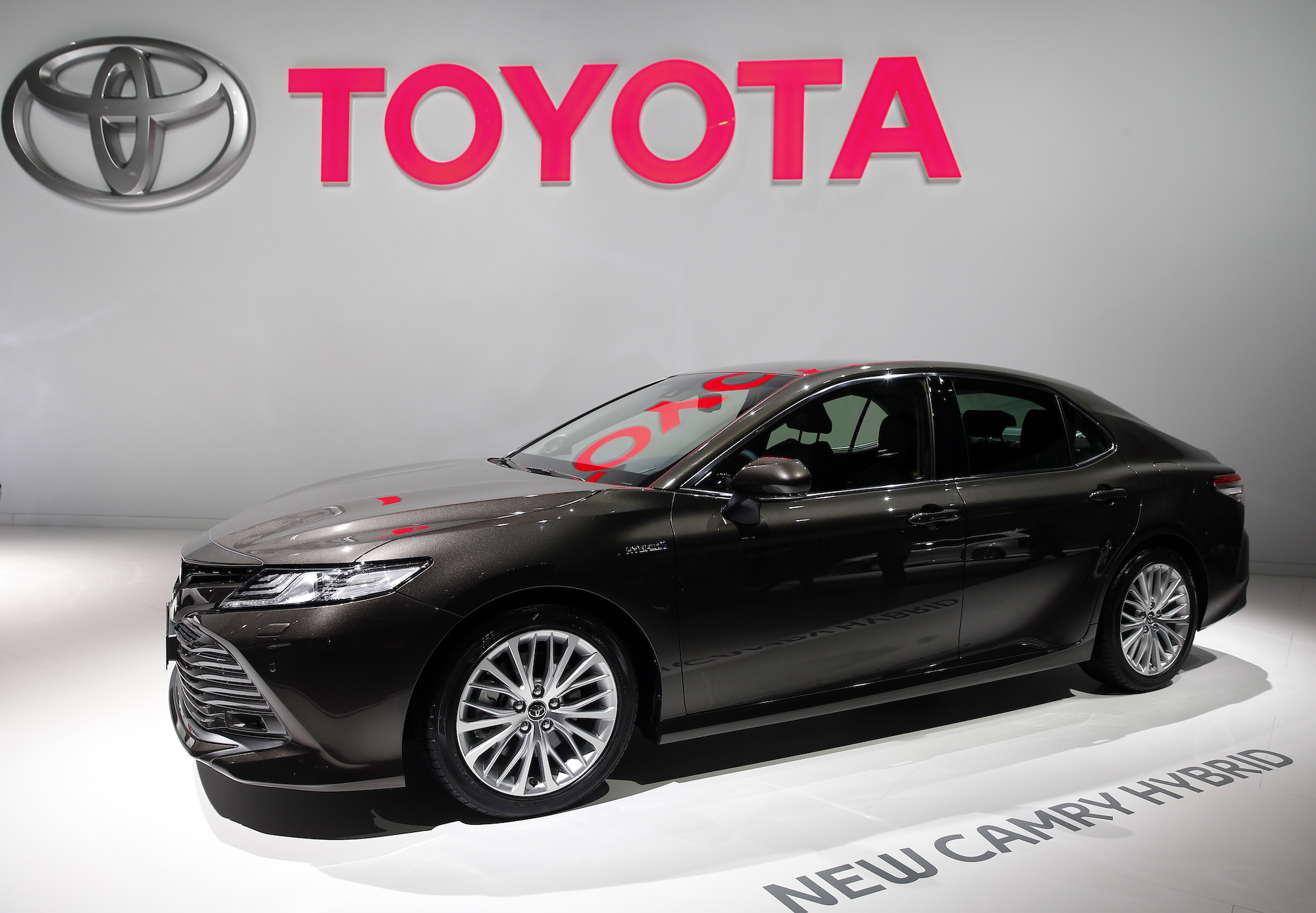
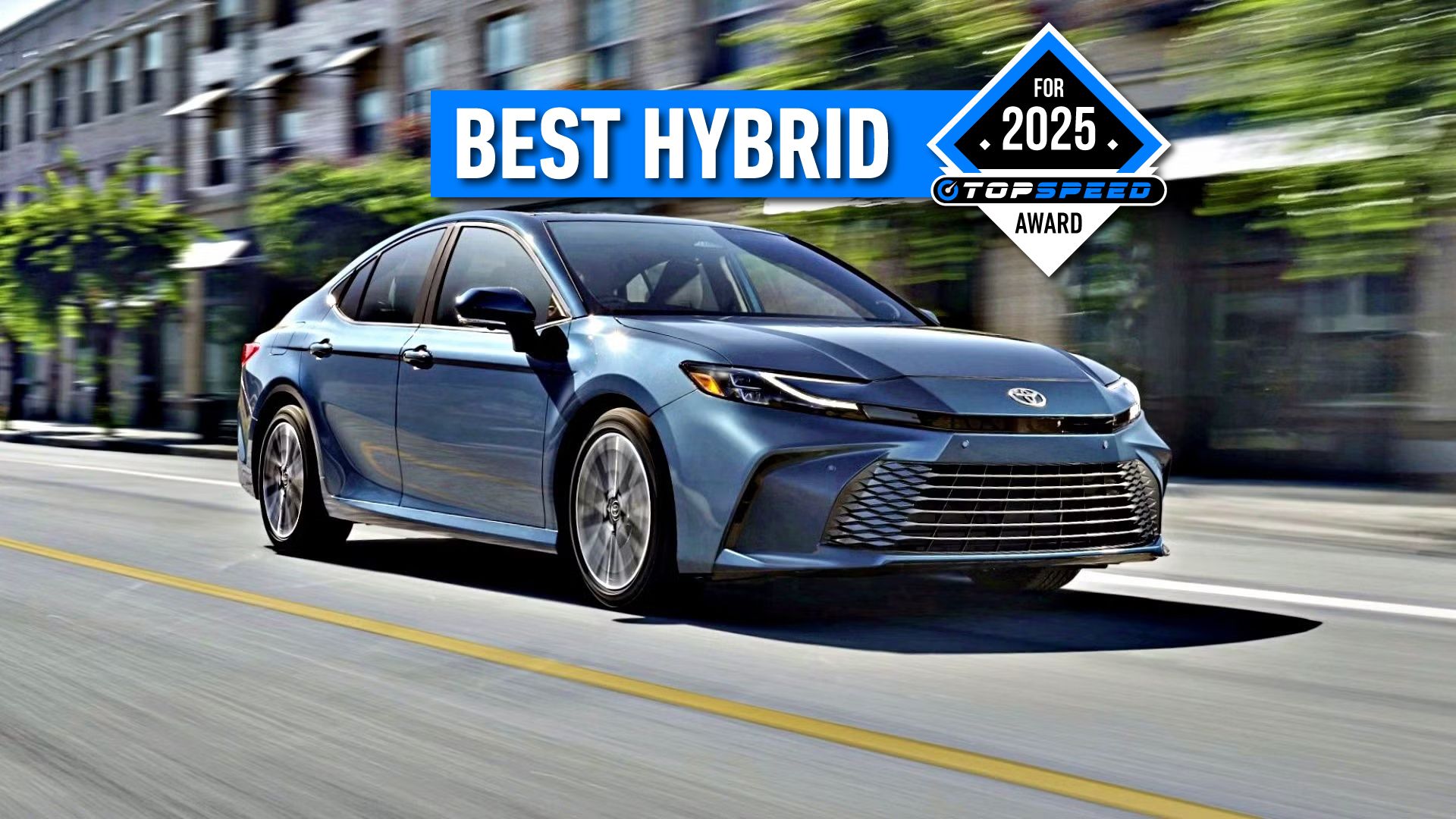
| Toyota Camry Hybrid | FWD | 51 MPG | 660+ Miles |
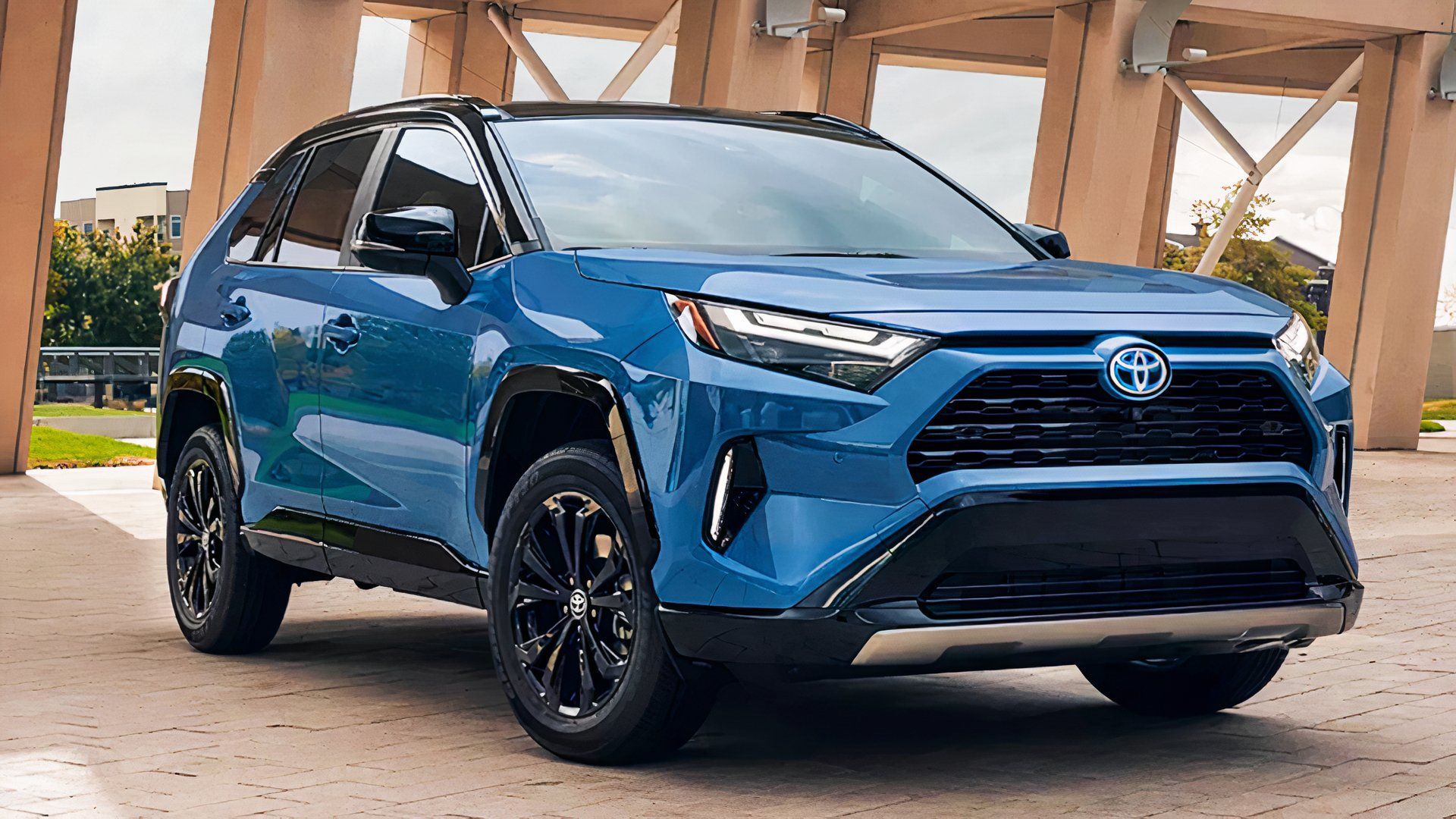
| Toyota RAV4 Hybrid | AWD | 41 MPG | 580+ Miles |
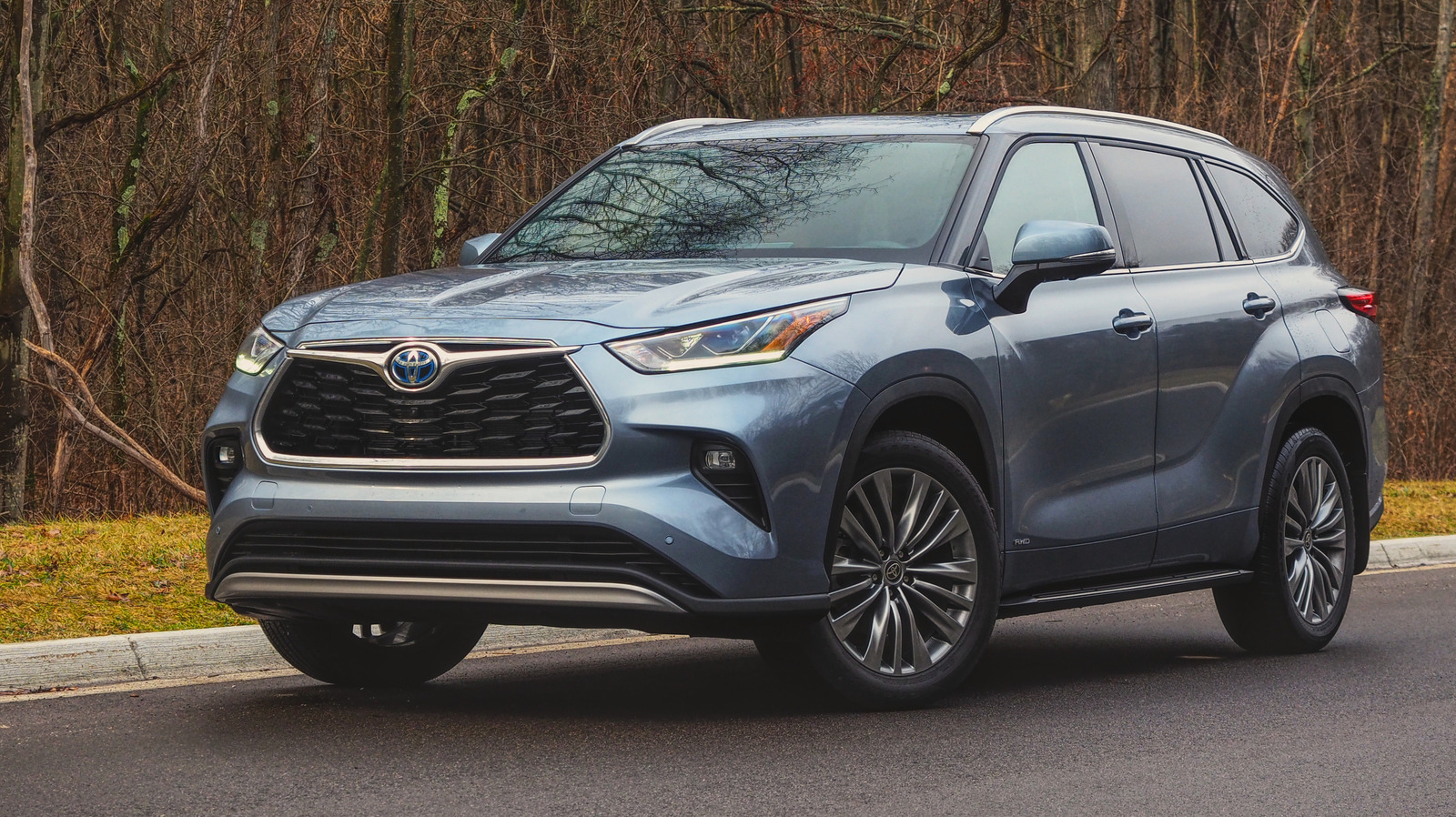
| Toyota Highlander Hybrid | FWD/AWD | 36 MPG | 600+ Miles |
| Toyota Grand Highlander Hybrid | AWD | 34 MPG | 580+ Miles |
| Toyota Tundra i-FORCE MAX | 4WD | 20 MPG | 640+ Miles |
| Toyota Sienna | FWD | 36 MPG | 640+ Miles |
Note: These figures are based on standard EPA-cycle testing. Real-world results vary based on driving behavior and environmental conditions.
City vs. Highway: Why Hybrids Excel in Traffic
Traditional gasoline vehicles are most efficient at steady highway speeds and least efficient in stop-and-go traffic. Toyota hybrids flip this dynamic. In a city environment, fuel economy often stays equal to or higher than highway ratings. This is due to Regenerative Braking and the EV Mode capability.
When you apply the brakes or coast in a Toyota hybrid, the electric motor operates in reverse, acting as a generator. It captures the kinetic energy that would otherwise be lost as heat in the brake pads and stores it in the hybrid battery. In heavy traffic, the vehicle can often move using only this stored electricity, keeping the gasoline engine completely off.
On the highway, the fuel economy remains high due to the aerodynamic design and the engine’s ability to shut down or "glide" during slight descents or steady-state cruising. However, because wind resistance increases exponentially with speed, driving at 75 MPH will significantly reduce the MPG compared to driving at 65 MPH, a factor that affects hybrids more visibly because their baseline efficiency is so high.
Factors That Impact Real-World Fuel Economy
While the window sticker provides a standardized estimate, several technical and environmental factors influence the actual fuel economy a driver will experience in 2026.
1. Temperature and Seasonal Chemistry
Hybrid batteries are chemical devices. In extreme cold, the battery's ability to accept and discharge a charge is diminished. Additionally, the gasoline engine must run more frequently in the winter to generate heat for the cabin. Conversely, high heat requires the electric air conditioning compressor to draw more power from the hybrid battery, which eventually forces the engine to turn on to recharge the pack.
2. Wheel and Tire Selection
Larger wheels (e.g., 19-inch vs. 17-inch) often result in lower fuel economy. For example, the 2026 Prius in the XLE or Limited trim typically sees a 3-5 MPG drop compared to the LE trim specifically because of the increased rolling resistance and weight of the larger alloy wheels.
3. Fuel Quality and Ethanol Content
Toyota hybrids are designed to run on 87-octane unleaded gasoline. However, the percentage of ethanol in the fuel (E10 vs. E15) affects energy density. Pure gasoline contains more energy per gallon than ethanol; therefore, using fuels with higher ethanol content can result in a slight but measurable decrease in total MPG.
Advanced Efficiency: HEV vs. PHEV (Prime Models)
It is important to distinguish between the standard Toyota Hybrid Electric Vehicle (HEV) and the Plug-in Hybrid Electric Vehicle (PHEV), branded as Toyota Prime.
The RAV4 Prime and Prius Prime utilize a much larger battery pack and more powerful electric motors. In 2026, the Prius Prime offers an estimated 44 miles of pure electric driving range. When the battery is depleted, it operates as a standard hybrid. To measure the fuel economy of these models, the EPA uses MPGe (Miles Per Gallon Equivalent). When running in hybrid mode, the fuel economy is similar to the standard hybrid versions, but the "total" efficiency is vastly higher for users who can charge daily and complete most of their trips without burning any gasoline.
Technical Maintenance for Peak MPG
To maintain the fuel economy of a Toyota hybrid over its lifespan, specific maintenance protocols must be followed. The efficiency of the HSD system relies on the thermal management of the hybrid battery. Most Toyota hybrids feature a battery air filter located near the rear seats or under the seat cushions. If this filter becomes clogged with dust or pet hair, the battery can overheat, causing the system to limit electric-only operation and rely more on the gasoline engine, which drastically lowers MPG.
Furthermore, keeping the tires inflated to the manufacturer’s recommended PSI is critical. Because hybrids use low-rolling-resistance tires, even a small drop in pressure can create enough drag to negate the efficiency gains of the hybrid system.
How to Maximize Your Toyota Hybrid MPG
Experienced hybrid drivers often use a technique called "Pulse and Glide." This involves accelerating moderately to the target speed (the Pulse) and then lifting off the accelerator briefly to encourage the system to enter EV mode before gently depressing it again to maintain speed using electric power (the Glide).
In 2026, many Toyota models include a "Predictive Efficient Drive" system. By using the onboard navigation, the car learns your frequent routes and predicts where traffic or hills will occur. It then optimizes the battery's state of charge—discharging more before a long descent where it can be recharged via braking—to ensure maximum fuel economy without driver intervention.
Frequently Asked Questions
Does the hybrid battery need to be replaced to keep high fuel economy?
Generally, no. Toyota’s hybrid batteries are designed to last the life of the vehicle. In 2026, Toyota continues to offer a 10-year/150,000-mile warranty on the hybrid battery. While capacity may slightly degrade after a decade, the impact on fuel economy is usually minimal (often less than 2-3 MPG) unless a specific cell fails.
Why is my Toyota hybrid fuel economy lower in the winter?
Cold temperatures affect battery chemistry and require the gasoline engine to run more often to provide cabin heat. Additionally, "winter blend" gasoline used in many regions has lower energy density, and colder air is denser, increasing aerodynamic drag.
Is the fuel economy of a Toyota Hybrid AWD lower than FWD?
Yes, typically by 1 to 3 MPG. Toyota’s Electronic On-Demand AWD uses a dedicated electric motor for the rear wheels rather than a heavy mechanical driveshaft. While this is more efficient than traditional AWD systems, the extra weight and the power draw of the rear motor do slightly decrease the overall efficiency.
Does "Eco Mode" actually save fuel?
Yes, but primarily by modifying driver behavior. Eco Mode dulls the throttle response, making it easier to stay in the "Eco" zone of the power meter. It also reduces the energy consumption of the HVAC system. If you drive aggressively in Eco Mode, you will not see significant gains.
Final Recommendation
If your primary goal is the highest possible fuel economy, the 2026 Toyota Prius (LE trim) remains the industry leader. For those requiring more utility, the RAV4 Hybrid offers a balance of 40+ MPG with significant cargo space. To ensure you achieve the rated figures, focus on smooth braking to maximize energy recovery and ensure the hybrid battery cooling vents remain unobstructed.
For more information on official ratings, visit the U.S. Department of Energy’s Fuel Economy site or the Toyota Newsroom for the latest technical specifications on 2026 models.
Image Gallery