Asha Bonsle the Legendary Indian Singer: A Comprehensive Legacy of Versatility
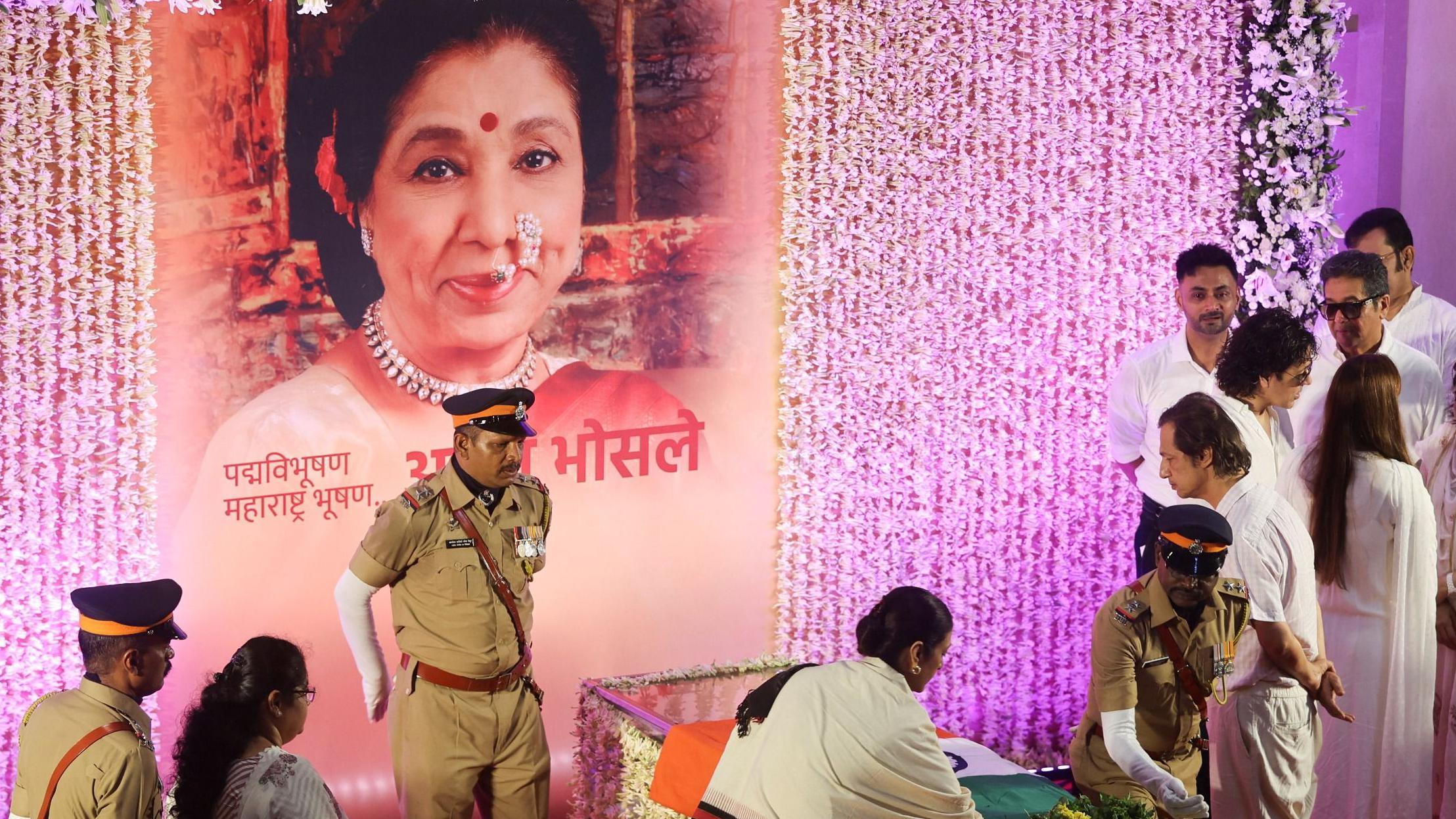
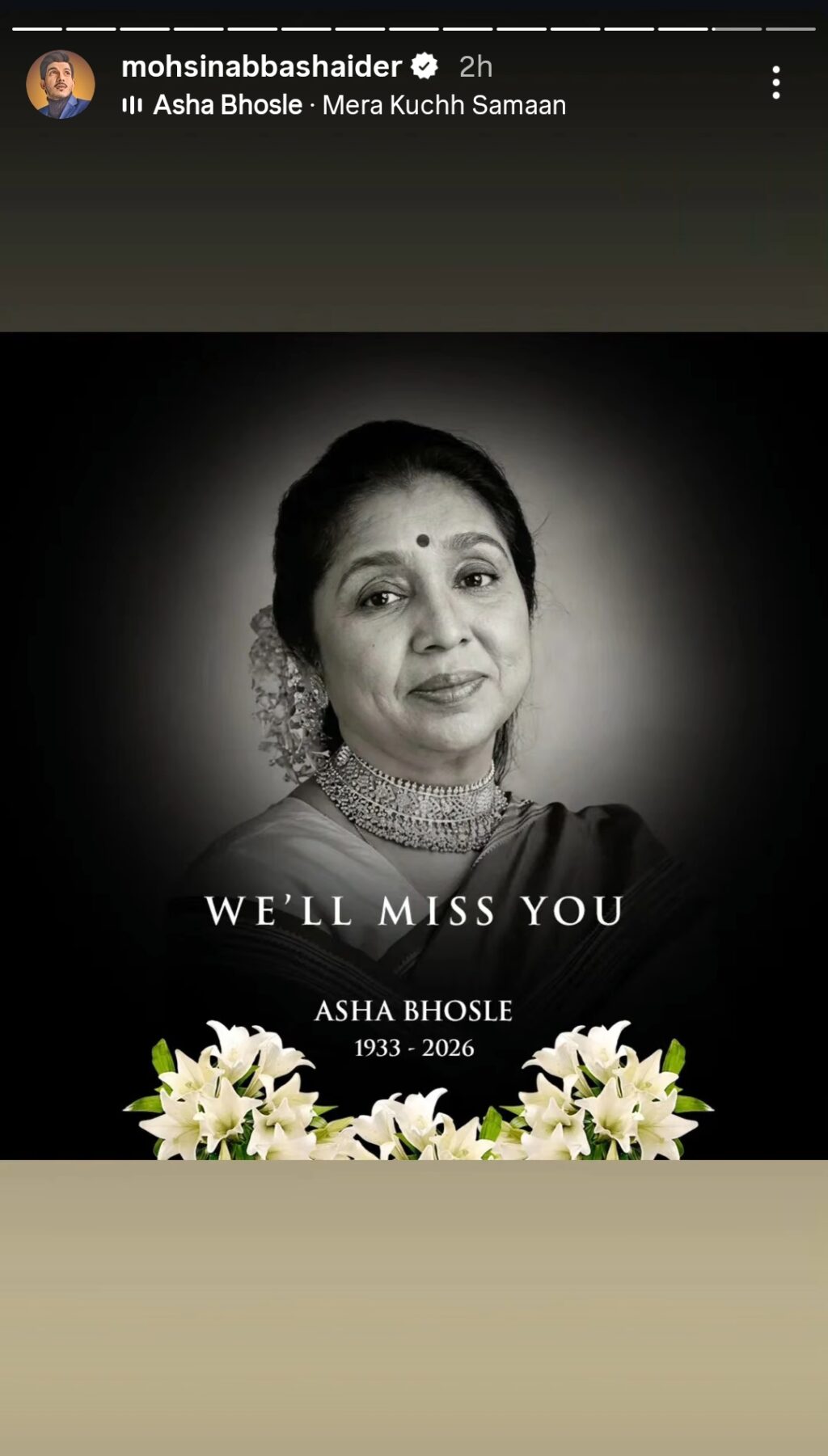
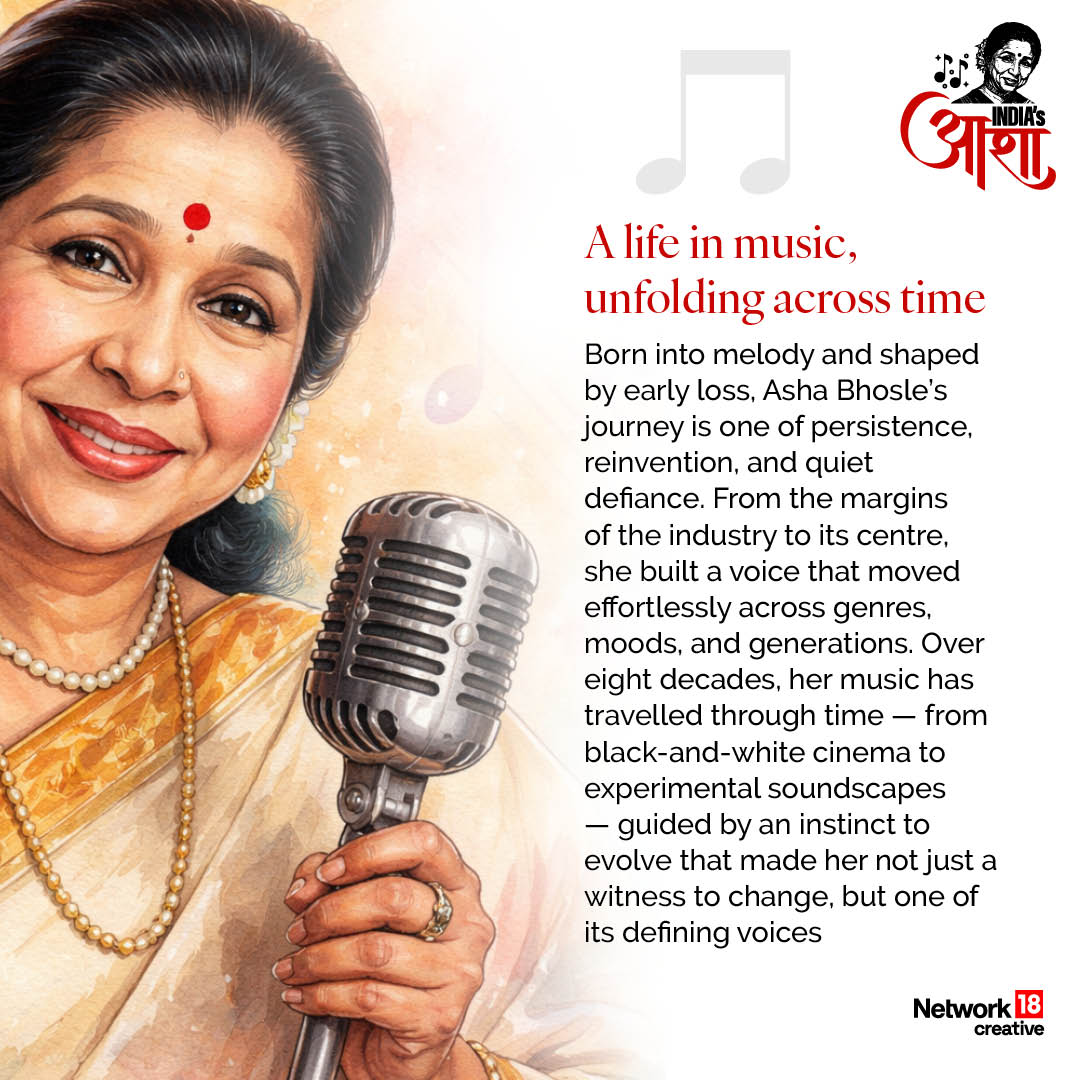
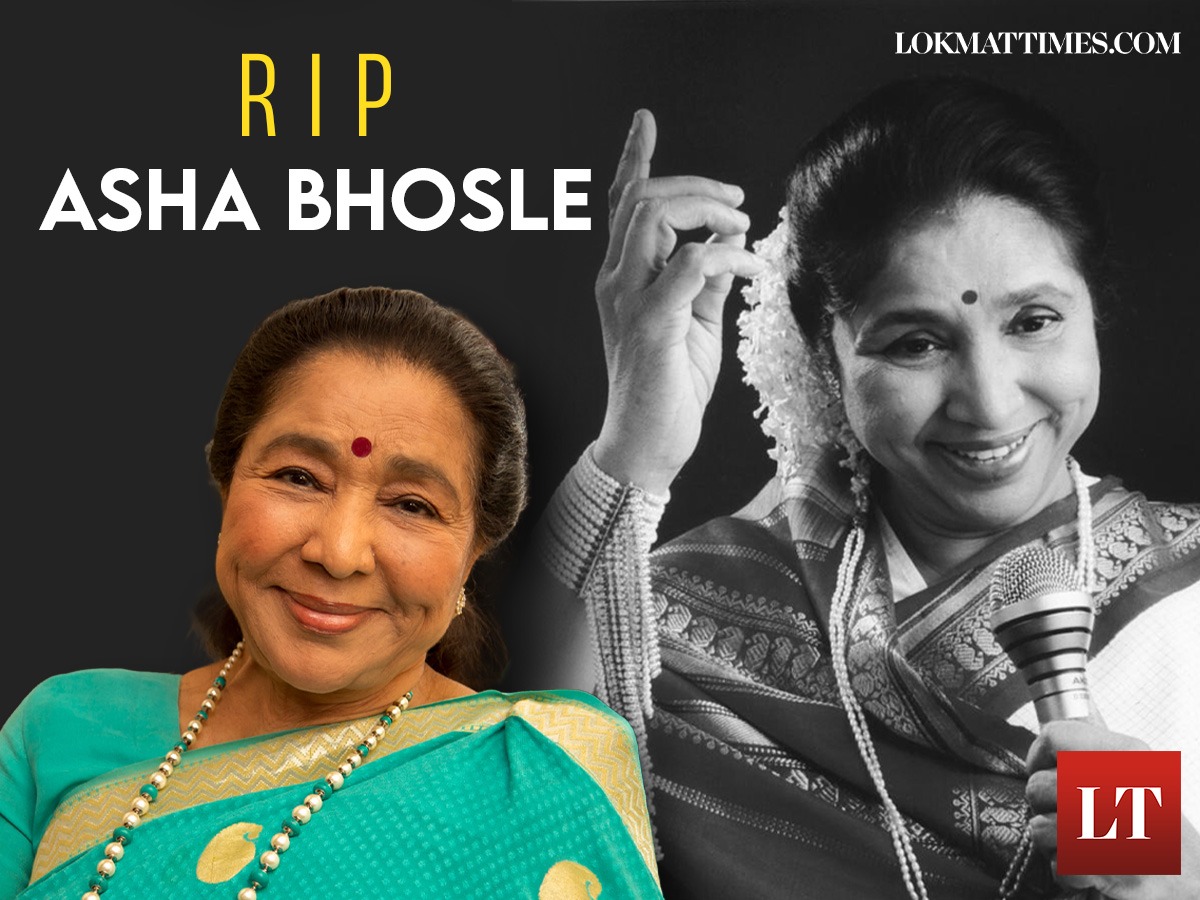
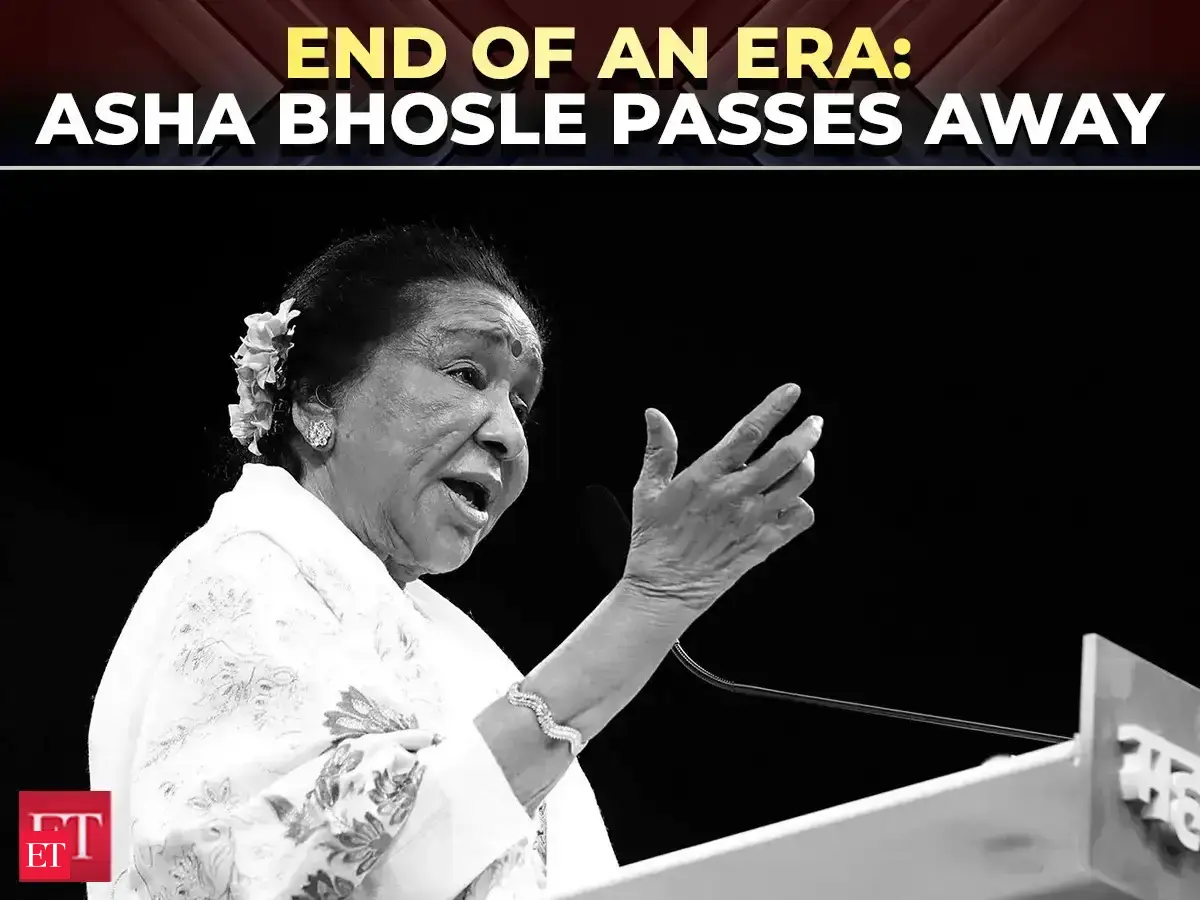
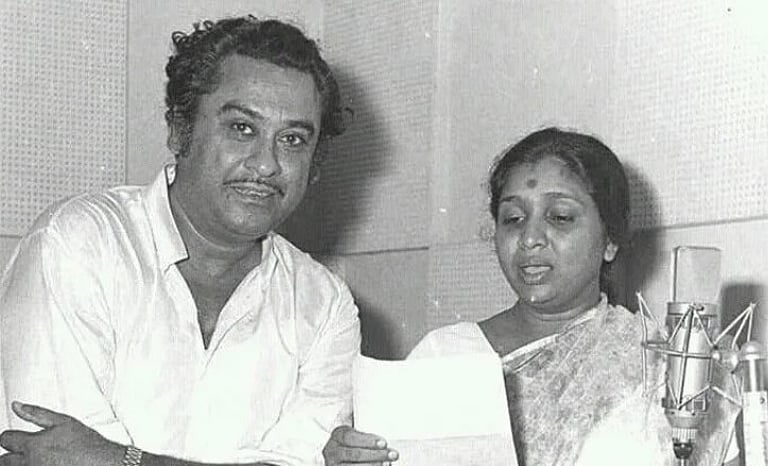
Asha Bonsle is a globally celebrated Indian playback singer whose career spans over eight decades, making her one of the most prolific recording artists in music history. Known for her incredible vocal range and ability to adapt to any...
Asha Bonsle is a globally celebrated Indian playback singer whose career spans over eight decades, making her one of the most prolific recording artists in music history. Known for her incredible vocal range and ability to adapt to any musical genre, she has recorded thousands of songs across twenty languages, defining the sound of Indian cinema.
Contents
As of 2026, Asha Bonsle—often spelled as Bhosle—remains an unparalleled icon in the global music industry. Her journey is not merely a chronicle of a singer but a testament to the evolution of the Indian cultural landscape. From the golden era of Bollywood to the experimental sounds of the 21st century, her voice has been the bridge between tradition and modernity. Understanding her impact requires a look at her technical mastery, her ability to break social stereotypes through song, and her relentless pursuit of artistic reinvention.
The Early Foundations and the Mangeshkar Legacy
Born on September 8, 1933, in the small hamlet of Goar in Sangli, Asha Bonsle was born into a family where music was the very lifeblood of existence. Her father, Deenanath Mangeshkar, was a classical singer and theater actor. The family’s move to Mumbai following his untimely death in 1942 forced the siblings into the professional world of music at a very young age to support the household.
While her elder sister, Lata Mangeshkar, quickly rose to become the "Nightingale of India," Asha’s path was more arduous. In the early 1940s and 50s, she was often relegated to singing for the "vamps" or secondary characters in films, as the lead roles were reserved for the more traditional, soprano-like voices of her sister or Geeta Dutt. This early period was crucial for her development; it forced her to experiment with styles that were considered "edgy" or unconventional at the time, eventually becoming her signature strength.
The Technical Mastery of Asha Bonsle
What distinguishes Asha Bonsle from her contemporaries is her immense technical flexibility. While many playback singers found a "comfort zone" in terms of pitch and genre, Bonsle actively sought to disrupt her own patterns.
Vocal Range and Textural Control
Bonsle possesses a mezzo-soprano range that she can manipulate with surgical precision. She is famous for her "breathiness" in cabaret numbers, a technique that requires immense diaphragm control to maintain pitch while exhaling more air than usual. Conversely, in her classical renditions, such as those in the film Umrao Jaan (1981), she demonstrates a low-register richness and a mastery of murkis (short, fast melodic flourishes) that rival the best classical vocalists of the era.
Rhythmic Complexity
Unlike many singers who rely on the beat provided by the percussionist, Asha often anticipates or lags behind the beat—a technique known as "swing" in Western jazz—to provide emotional depth to a track. This made her the preferred choice for composers like O.P. Nayyar and R.D. Burman, who introduced complex, syncopated rhythms to Indian film music.
Key Eras of Her Musical Journey
To understand the breadth of her work, one must examine the specific partnerships that defined different segments of her career. Each collaborator brought out a different facet of her multifaceted voice.
The O.P. Nayyar Phase: The Vivacious Rebel
In the 1950s and 60s, composer O.P. Nayyar famously never recorded with Lata Mangeshkar, choosing instead to make Asha Bonsle his primary muse. Together, they created a sound that was distinctively "rhythmic and Punjabi." Songs like "Aao Huzoor Tumko" and "Uden Jab Jab Zulfein Teri" showcased a playful, flirtatious, and high-energy Asha that the public had never heard before. This era established her as the voice of the modern, spirited Indian woman.
The R.D. Burman Revolution: The Queen of Pop
Her collaboration with R.D. Burman (whom she later married) changed the trajectory of Indian music. Burman was influenced by global trends—Latin beats, rock and roll, and jazz. Asha was the only singer capable of executing his vision. The 1971 hit "Dum Maro Dum" from Hare Rama Hare Krishna became an anthem for an entire generation. It wasn't just a song; it was a vocal performance that utilized grunts, gasps, and a psychedelic tone that was decades ahead of its time.
The Khayyam Phase: Classical Sophistication
Just as she was being labeled the "Queen of Pop," Asha pivoted in the early 1980s. Working with composer Khayyam for the film Umrao Jaan, she lowered her pitch by two notes to capture the soulful, melancholic essence of a 19th-century courtesan. Ghazals like "In Aankhon Ki Masti Ke" and "Dil Cheez Kya Hai" proved that her classical training was as robust as her pop sensibilities.
Record-Breaking Achievements and Global Impact
In 2011, the Guinness World Records officially acknowledged Asha Bonsle as the most recorded artist in music history. While the numbers are often debated due to the sheer volume of regional and uncredited recordings, the consensus is that she has recorded over 12,000 songs.
Beyond the numbers, her global impact is significant. She was the first Indian singer to be nominated for a Grammy Award (for Legacy with Ustad Ali Akbar Khan in 1997). Her collaboration with the British band Cornershop on the track "Brimful of Asha" became an international chart-topper, cementing her status as a cultural icon who transcended the borders of the Indian subcontinent.
| Category | Details/Milestones | Impact on Career |
|---|---|---|
| Total Languages | Over 20 (including Russian, English, Malay) | Established global versatility |
| National Awards | Won for Umrao Jaan (1981) and Ijaazat (1986) | Validated her as a serious classical talent |
| Filmfare Awards | 7 Wins; moved to Lifetime Achievement to give others a chance | Demonstrated dominance over the industry |
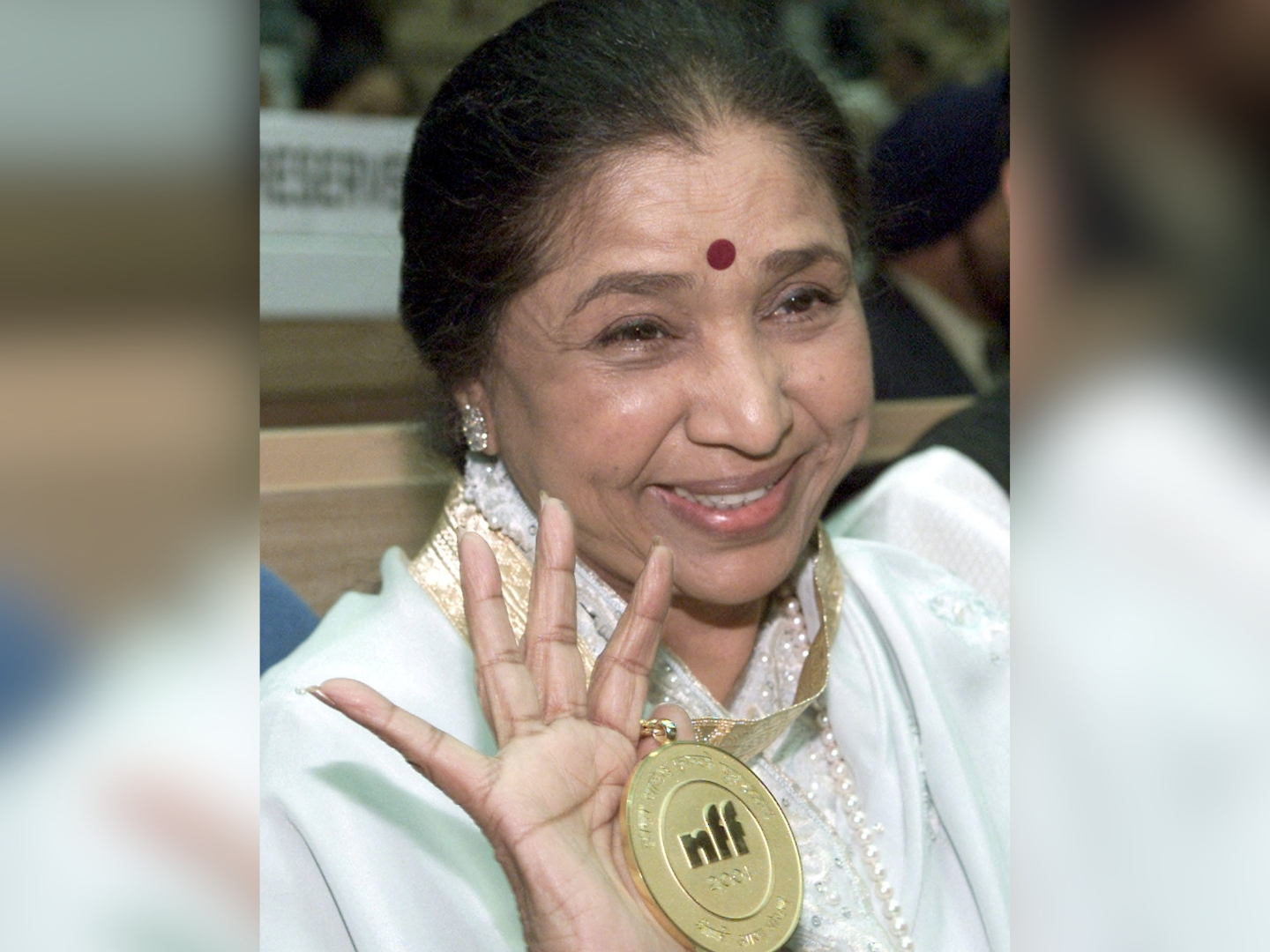
| Dadasaheb Phalke | Awarded in 2000 | Highest honor in Indian Cinema |
| Padma Vibhushan | Awarded in 2008 | India's second-highest civilian honor |
The Business of Music: Asha’s Restaurants
In her later years, Asha Bonsle successfully transitioned into the world of entrepreneurship, proving her acumen extends beyond the recording studio. She launched "Asha’s," a chain of successful Indian restaurants located in Dubai, Kuwait, Birmingham, and Manchester. The restaurants are not merely celebrity-endorsed ventures; she personally curated the menu, integrating family recipes that have been passed down through the Mangeshkar lineage. This venture reflects her philosophy: that music and food are the two universal languages of the soul.
Asha Bonsle in 2026: A Living Legend
In 2026, Asha Bonsle continues to be a guiding light for the Indian music fraternity. Even as artificial intelligence and auto-tune dominate modern production, her recordings are used as the gold standard for vocal training. She remains active in social causes and occasionally lends her voice to special projects that celebrate the heritage of Indian music. Her presence in the industry serves as a reminder of an era where vocal prowess was built through rigorous riyaz (practice) and emotional authenticity.
She has successfully navigated the shift from gramophone records to digital streaming, and her catalog remains among the most streamed across platforms like Spotify and Apple Music. For a singer who began her career before India gained independence, her relevance in the high-tech landscape of 2026 is nothing short of miraculous.
Common Myths and Misconceptions
Despite her transparency, several myths persist about her life and career. It is often rumored that there was a deep-seated "rivalry" between her and her sister, Lata Mangeshkar. While professional competition was inevitable in an industry that only had room for a few top voices, both sisters consistently maintained that their personal bond remained intact. Another misconception is that she only sang "item numbers" or fast-paced songs. A deep dive into her discography reveals a treasure trove of bhajans (devotional songs) and complex Marathi Natya Sangeet that showcase her spiritual and traditional roots.
Frequently Asked Questions
How many songs has Asha Bonsle recorded?
While the Guinness World Record cited over 11,000 solo, duet, and chorus-backed songs in 2011, some estimates suggest the number exceeds 12,000 when including regional films and private albums. Her career started in 1943, giving her over 80 years of active recording time.
What is her most famous song?
It is difficult to pinpoint one, but "Dum Maro Dum" (1971), "Piya Tu Ab To Aaja" (1971), "Chura Liya Hai Tumne" (1973), and "In Aankhon Ki Masti" (1981) are considered her most defining tracks. Each represents a different genre where she excelled.
Is Asha Bonsle still performing in 2026?
As of 2026, she has stepped back from full-time playback singing for films but remains an active figure in the cultural sphere. She occasionally performs at prestigious galas, participates in musical workshops, and oversees her global restaurant empire.
Did she ever win a Grammy?
Asha Bonsle was nominated for a Grammy Award in 1997 in the Best World Music Album category for Legacy, a collaboration with sarod virtuoso Ustad Ali Akbar Khan. While she did not win, the nomination was a landmark moment for Indian music.
What was her relationship with R.D. Burman?
Asha Bonsle and R.D. Burman shared a legendary professional and personal partnership. They married in 1980. Together, they revolutionized the Bollywood soundscape by integrating Western musical elements like rock, disco, and jazz into traditional Indian structures.
Final Recommendation for Enthusiasts
For those looking to truly understand the genius of Asha Bonsle, a chronological listening session is highly recommended. Start with her early 1950s collaborations with O.P. Nayyar to hear her rhythmic energy, then move to the 1970s R.D. Burman hits for a taste of her versatility, and finally, listen to the Umrao Jaan soundtrack to appreciate her classical depth. To witness her modern relevance, explore her 21st-century collaborations with A.R. Rahman, such as the songs from the movie Rangeela. Her discography is more than a collection of songs; it is an auditory history of modern India.
Image Gallery