Comprehensive Guide to Blood Plasma Donation in 2026: Eligibility, Process, and Compensation
Blood plasma donation is a specialized medical procedure where the liquid portion of the blood is separated from cellular components, which are then returned to the donor. In 2026, this process remains essential for manufacturing life-...
Blood plasma donation is a specialized medical procedure where the liquid portion of the blood is separated from cellular components, which are then returned to the donor. In 2026, this process remains essential for manufacturing life-saving therapies for individuals with rare chronic diseases, immune deficiencies, and severe trauma. While often confused with standard whole blood donation, plasma donation specifically targets the protein-rich fluid that carries nutrients, hormones, and antibodies throughout the body.
Contents
The Critical Role of Plasma in Modern Medicine
As we move through 2026, the global demand for plasma-derived medicinal products (PDMPs) continues to rise. Unlike many synthetic medications, the complex proteins found in human plasma—such as immunoglobulins, albumin, and clotting factors—cannot be fully replicated in a laboratory setting. This makes human donors the only source for these vital treatments.
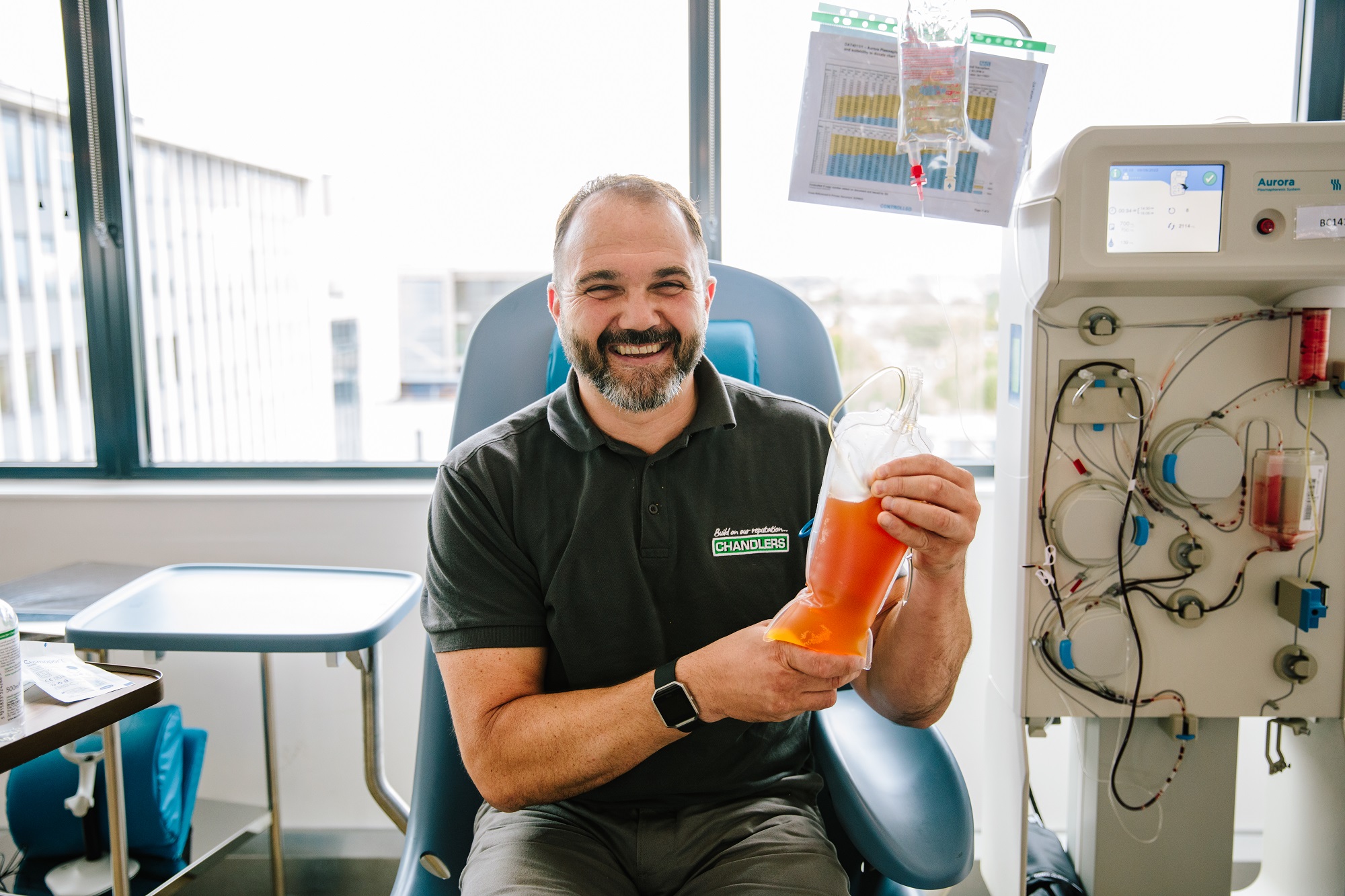
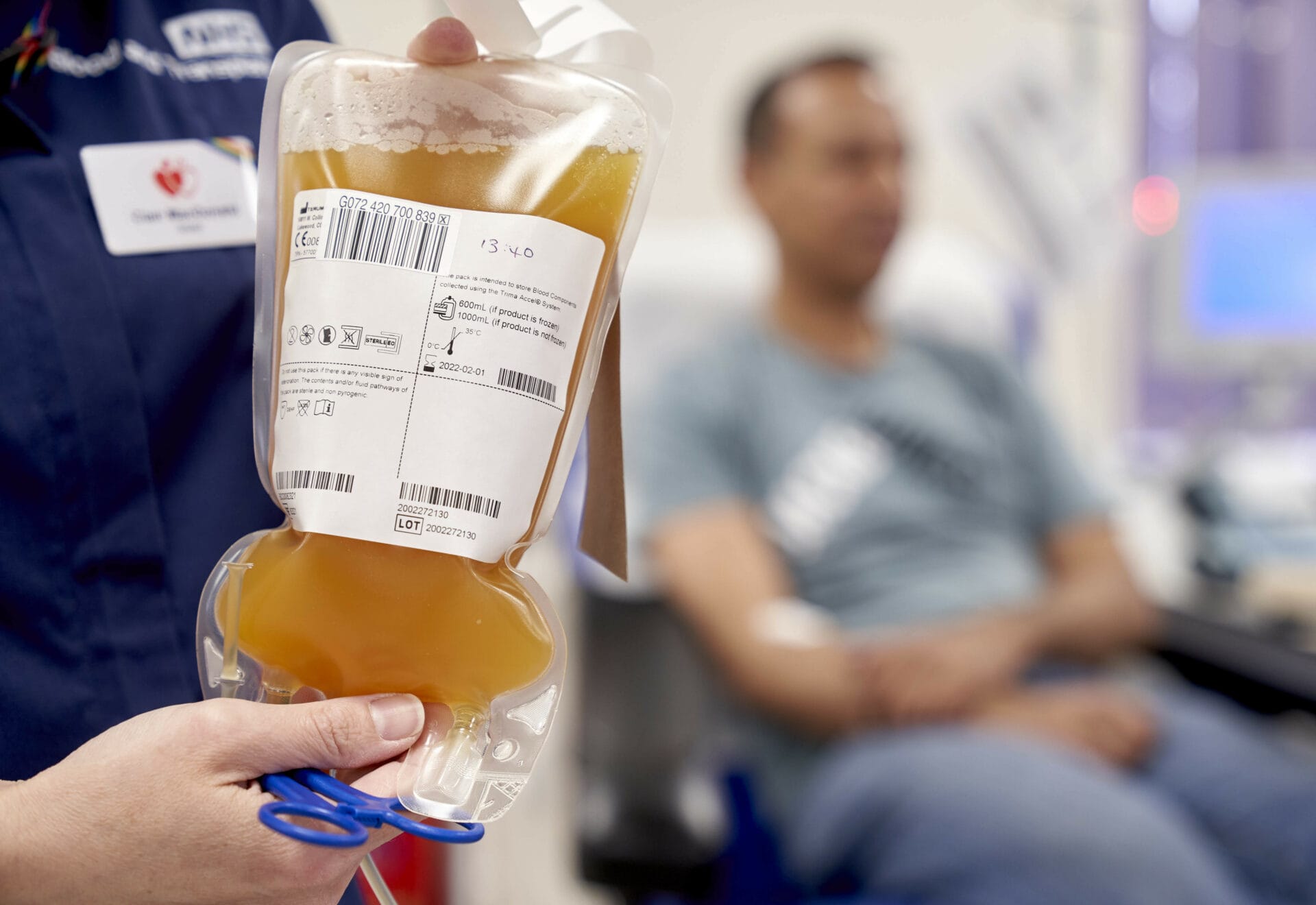
Plasma is often referred to as "liquid gold" due to its straw-colored appearance and its immense value in the healthcare ecosystem. It constitutes approximately 55% of total blood volume. The proteins harvested through donation are used to treat a variety of conditions, including:
- Primary Immunodeficiency (PI): Patients with PI lack the necessary antibodies to fight off infections. Regular infusions of immunoglobulin (Ig) derived from plasma allow these individuals to lead healthy lives.
- Hemophilia and Bleeding Disorders: Clotting factor concentrates are essential for preventing life-threatening internal bleeding in patients whose blood does not clot properly.
- Alpha-1 Antitrypsin Deficiency: A genetic condition that can lead to severe lung and liver disease, treated with plasma-derived protein replacement.
- Trauma and Critical Care: Albumin and other plasma proteins are used to treat shock, severe burns, and major surgical complications to maintain fluid balance and blood pressure.
Eligibility Requirements for Plasma Donors in 2026
To ensure both donor safety and the purity of the plasma supply, regulatory bodies such as the FDA (Food and Drug Administration) and the PPTA (Plasma Protein Therapeutics Association) maintain strict eligibility criteria. In 2026, these standards are integrated into digital health screening tools used across all major donation networks.
Basic Qualifications
Before you can donate, you must meet several foundational requirements:
- Age: Most centers require donors to be between 18 and 69 years old. Some jurisdictions allow donation at 16 or 17 with parental consent, provided local laws and center policies align.
- Weight: A minimum weight of 110 pounds (50 kg) is mandatory. This ensures that the donor has a sufficient blood volume to safely undergo the plasmapheresis process.
- Identification: You must provide a valid government-issued photo ID, proof of Social Security or a permanent resident number, and proof of a current local address.
- Health Status: Donors must be in good general health. This includes being free from active infections, such as the flu or COVID-26 variants, and not having tested positive for blood-borne pathogens like HIV or Hepatitis.
The Medical Screening Process
Every donation involves a mini-physical and a health history screening. Medical staff will check your vital signs, including blood pressure, pulse, and temperature. Furthermore, a finger-stick test is performed to measure:
Hematocrit Levels The percentage of red blood cells in your blood must fall within a specific range to ensure you are not anemic and can safely donate plasma.
Total Protein Levels Since plasma is rich in proteins, your baseline protein levels must be adequate. If your protein is too low, you will be deferred until your levels stabilize through diet and rest.
The Plasmapheresis Procedure: Step-by-Step
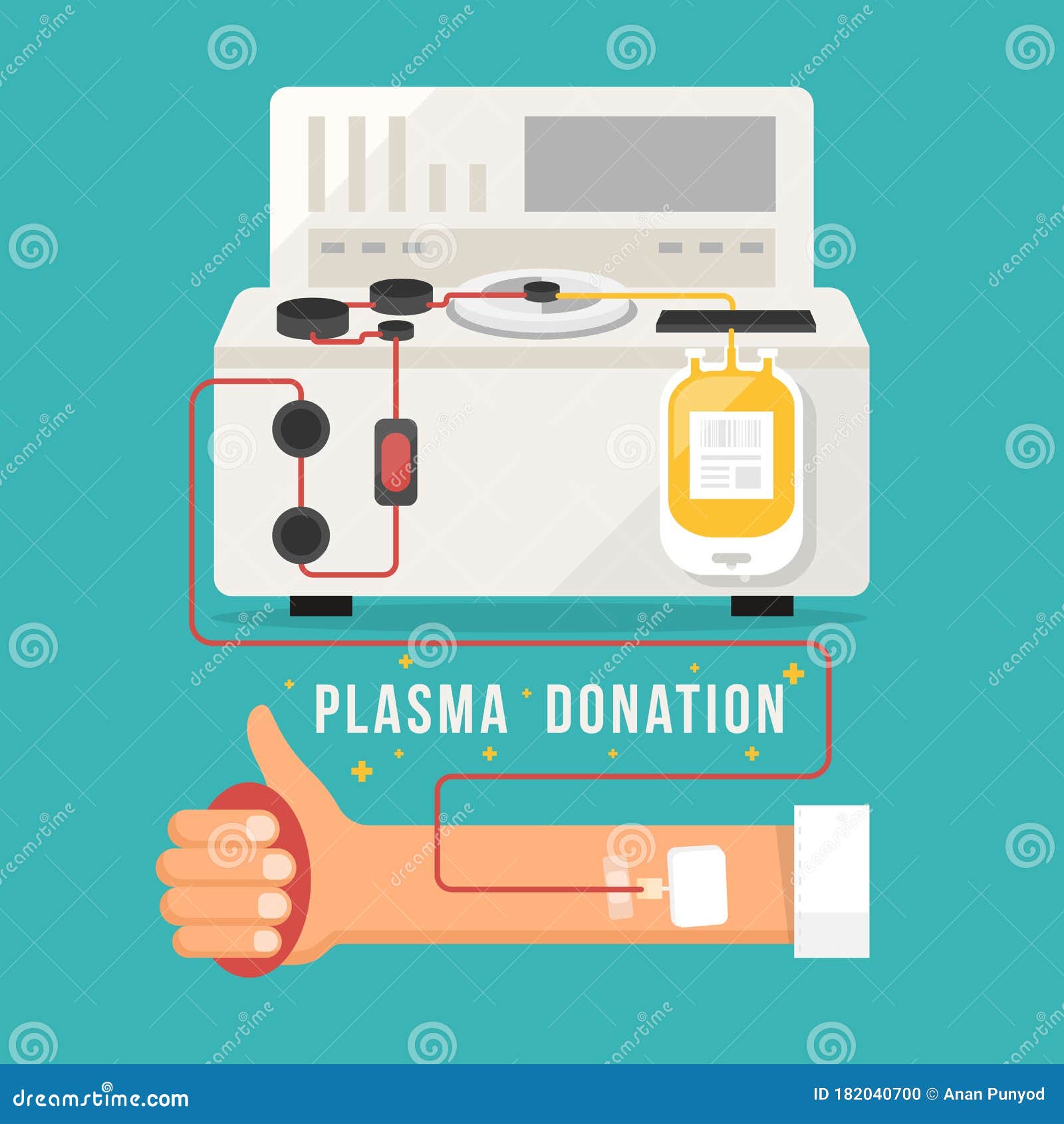
The method used to collect plasma is called plasmapheresis. This is a sophisticated "closed-loop" process where a machine separates the plasma from other blood components in real-time.
Phase 1: Registration and Screening (30–45 Minutes)
Upon arrival at a center like CSL Plasma, BioLife, or Grifols, you will check in via a digital kiosk. For your first visit, the medical history questionnaire is extensive. Subsequent visits involve a shorter version of this screening to verify no health changes have occurred since your last donation.
Phase 2: The Donation (45–90 Minutes)
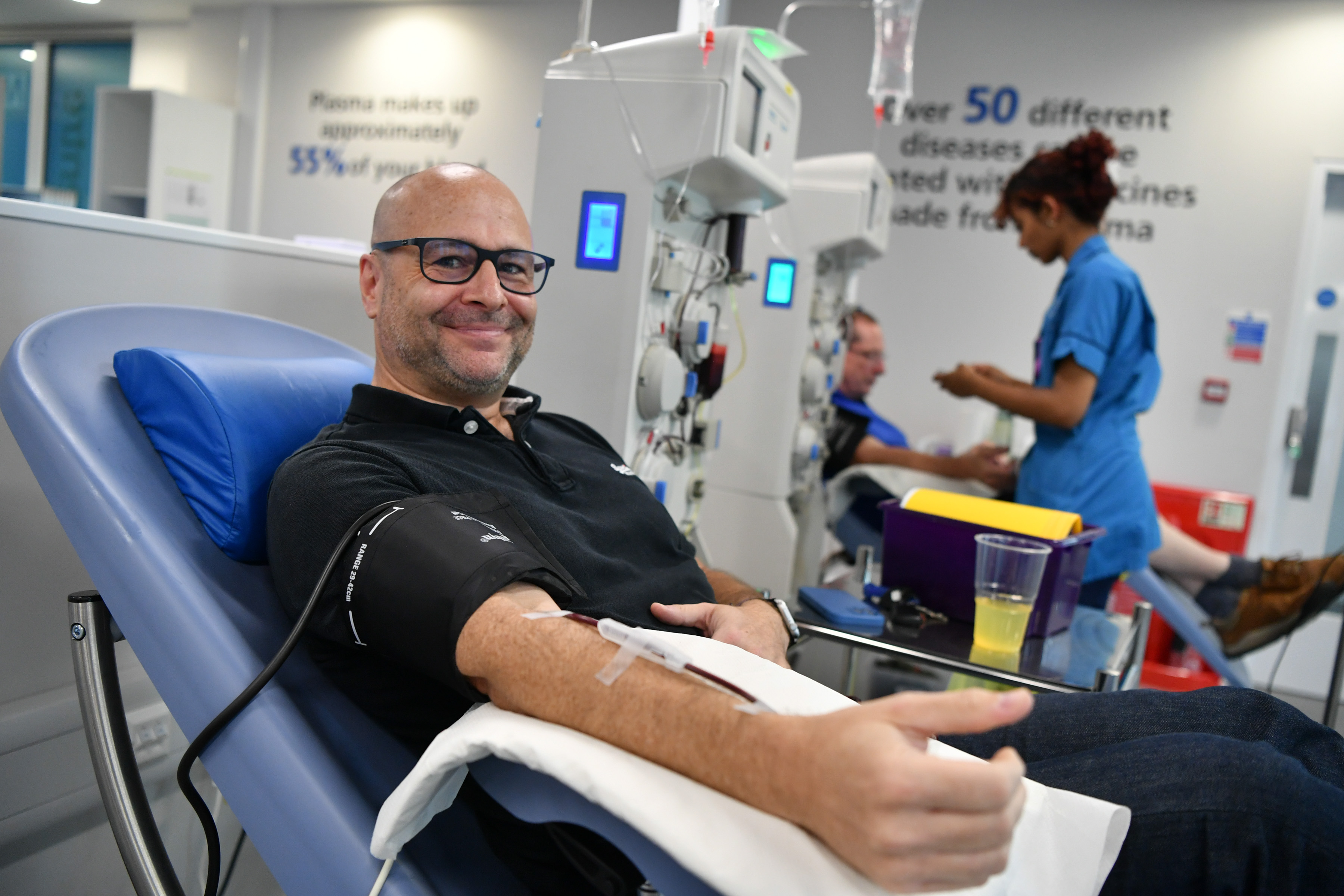
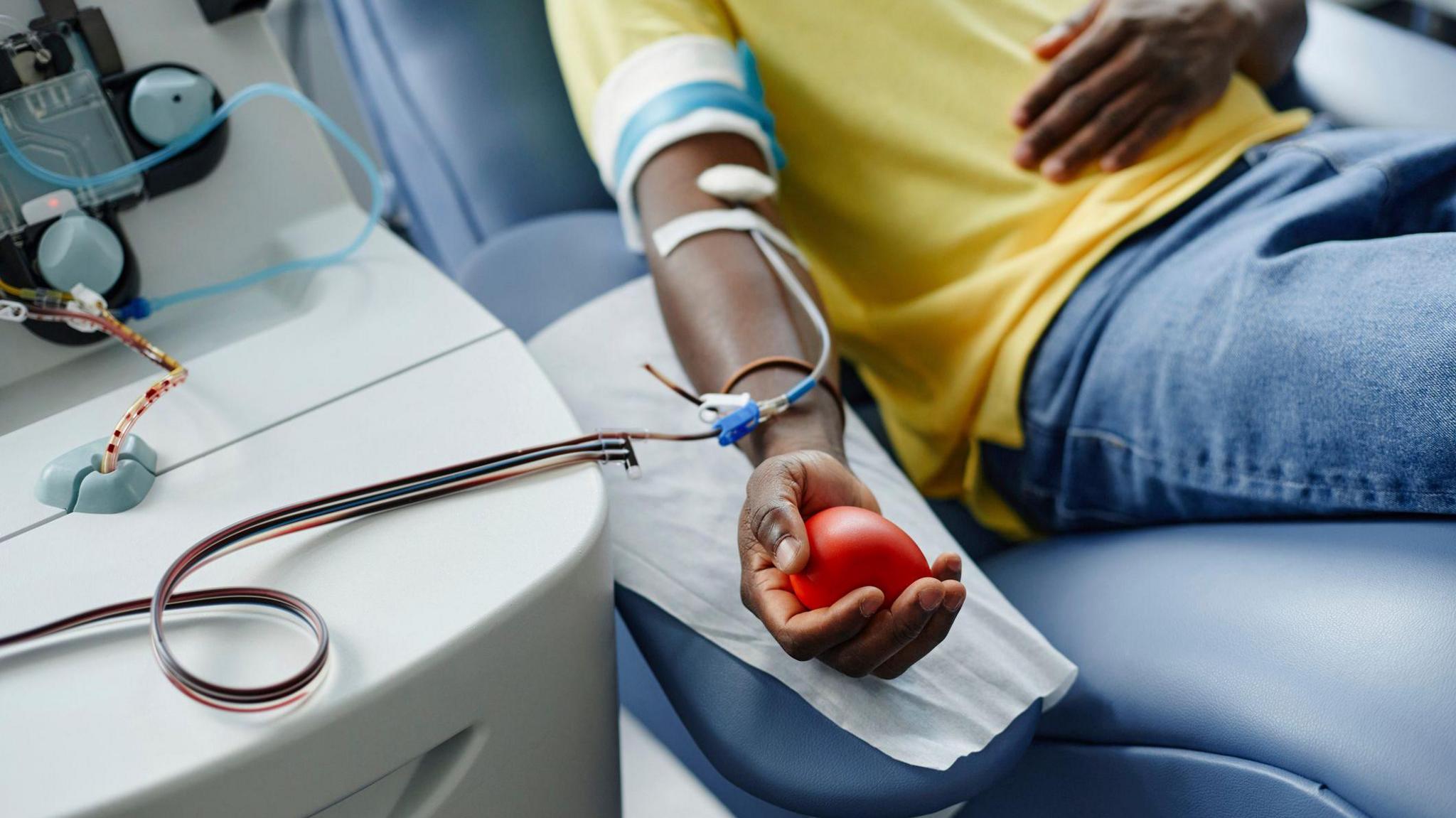
Once cleared, you are seated in a comfortable recliner. A sterile, single-use needle is inserted into a vein in your arm. The plasmapheresis machine draws whole blood, spins it in a centrifuge to separate the plasma, and collects the plasma in a sterile bottle. The remaining red blood cells, white blood cells, and platelets are mixed with a saline solution and returned to your body.
Phase 3: Post-Donation Recovery (15 Minutes)
After the collection is complete, you are encouraged to rest in a designated observation area. You should consume fluids and a light snack provided by the center to help your body begin the replenishment process. Most donors find that they can return to their normal activities immediately, though strenuous exercise should be avoided for 24 hours.
Comparing Whole Blood vs. Plasma Donation
It is important to understand the technical and operational differences between these two types of donation, as they serve different medical needs and have different frequencies.
| Feature | Whole Blood Donation | Plasma Donation (Plasmapheresis) |
|---|---|---|
| Components Collected | Red cells, white cells, platelets, plasma | Plasma only (cells are returned) |
| Duration | 10–15 minutes (plus screening) | 45–90 minutes (plus screening) |
| Frequency | Once every 56 days (8 weeks) | Up to twice in 7 days (min. 48 hours apart) |
| Primary Use | Surgery, trauma, anemia | Chronic disease therapies, burns, shock |
| Compensation | Usually voluntary/incentives | Often provides financial compensation |
| Recovery Time | Several weeks for red cell replacement | 24–48 hours for liquid/protein replacement |
Compensation and Financial Incentives in 2026
In 2026, the compensation model for plasma donation is categorized as a "time-based incentive." Because plasma donation takes significantly longer than whole blood donation and can be done more frequently, centers provide payments to compensate donors for their commitment and time.
Current 2026 Payment Trends
Compensation varies by location, donor weight (which determines how much plasma can be safely collected), and "donor status" (new vs. returning).
- New Donor Bonuses: To encourage new participants, many centers offer enhanced payment plans for the first month. In 2026, a new donor can often earn between $600 and $900 during their first 30 days, provided they complete all scheduled appointments.
- Lapsed/Returning Donors: Centers frequently offer "reactivation bonuses" for donors who have not visited in over 30 days.
- Loyalty Programs: Regular donors often earn points through mobile apps that can be redeemed for gift cards, merchandise, or additional cash bonuses.
Payments are typically loaded onto a branded debit card (such as those issued by North Lane or Wirecard) immediately following the donation session. These cards can be used anywhere major credit cards are accepted.
Safety Protocols and Potential Side Effects
While plasma donation is an FDA-regulated, safe procedure, there are minor risks associated with any venipuncture and the use of anticoagulants during the process.
Common Side Effects
Most donors experience no significant issues, but some may encounter:
- Dizziness or Faintness: Usually caused by a drop in blood pressure or dehydration.
- Bruising at the Needle Site: Occurs if blood leaks into the surrounding tissue.
- Citrate Reaction: During the return of red blood cells, a small amount of anticoagulant (citrate) is introduced. This can cause a tingling sensation in the fingers or around the mouth. In 2026, centers provide calcium-rich snacks or supplements to quickly neutralize this effect.
Long-Term Safety
Regulatory standards require that no donor gives plasma more than twice in any seven-day period, with at least 48 hours between sessions. This 2026 guideline ensures that the body has sufficient time to regenerate the proteins lost during the procedure. Periodic protein and silver-level testing are conducted to monitor the long-term health of high-frequency donors.
Expert Tips for a Successful Donation Experience
To maximize your comfort and ensure a smooth collection process, follow these professional recommendations:
Hydration Protocol Drink at least 16 to 24 ounces of water or juice in the two hours leading up to your appointment. Proper hydration makes your veins more accessible and speeds up the separation process in the machine.
Nutritional Preparation Eat a protein-rich, healthy meal within four hours of your visit. Avoid high-fat foods like fried chicken or pizza, as excess lipids in the blood can make the plasma "cloudy" (lipemic), which may lead to the donation being rejected by the lab.
Avoid Dehydrants Refrain from consuming alcohol 24 hours before donating and limit caffeine intake on the day of your appointment, as both can lead to dehydration and increased heart rate.
Frequently Asked Questions
How long does it take for my body to replace the donated plasma?
The liquid portion of your plasma is usually replaced within 24 to 48 hours if you maintain proper hydration. The specific proteins and antibodies may take slightly longer to reach baseline levels, which is why the 48-hour waiting period between donations is strictly enforced in 2026.
Can I donate plasma if I have been vaccinated?
Yes, most vaccinations—including those for the seasonal flu and the latest 2026 respiratory virus boosters—do not disqualify you from donating. However, there may be a short deferral period (typically 24 to 72 hours) depending on the type of vaccine and whether you experienced any side effects like a fever.
Does donating plasma hurt?
The only significant discomfort is the initial "pinch" of the needle during insertion. Once the process begins, you should not feel any pain. Many donors use the time to read, watch streaming services, or listen to podcasts using the center's high-speed Wi-Fi.
Is the compensation considered taxable income?
In many jurisdictions, the money received for plasma donation is considered "miscellaneous income." If you earn over $600 in a calendar year from a single donation network, you may receive a Form 1099-NEC for tax reporting purposes in 2026. You should consult with a tax professional regarding your specific situation.
Can I donate plasma if I have a tattoo or piercing?
In 2026, most centers allow donation if the tattoo or piercing was performed in a state-regulated facility using sterile needles. If the tattoo was done in an unregulated environment or abroad, a deferral period of 3 to 6 months is typically required to ensure no blood-borne pathogens were contracted.
Conclusion and Next Steps
Blood plasma donation is a unique opportunity to contribute to the global healthcare infrastructure while receiving compensation for your time and effort. By adhering to the 2026 health and safety guidelines, you can ensure a safe experience that provides life-saving resources to those with chronic and acute medical needs.
To begin, locate a certified plasma center in your area—such as those operated by CSL Plasma, BioLife Plasma Services, or Kedplasma—and schedule your initial screening. Your contribution is vital, as thousands of patients depend on the generosity of donors to sustain their quality of life.
Image Gallery