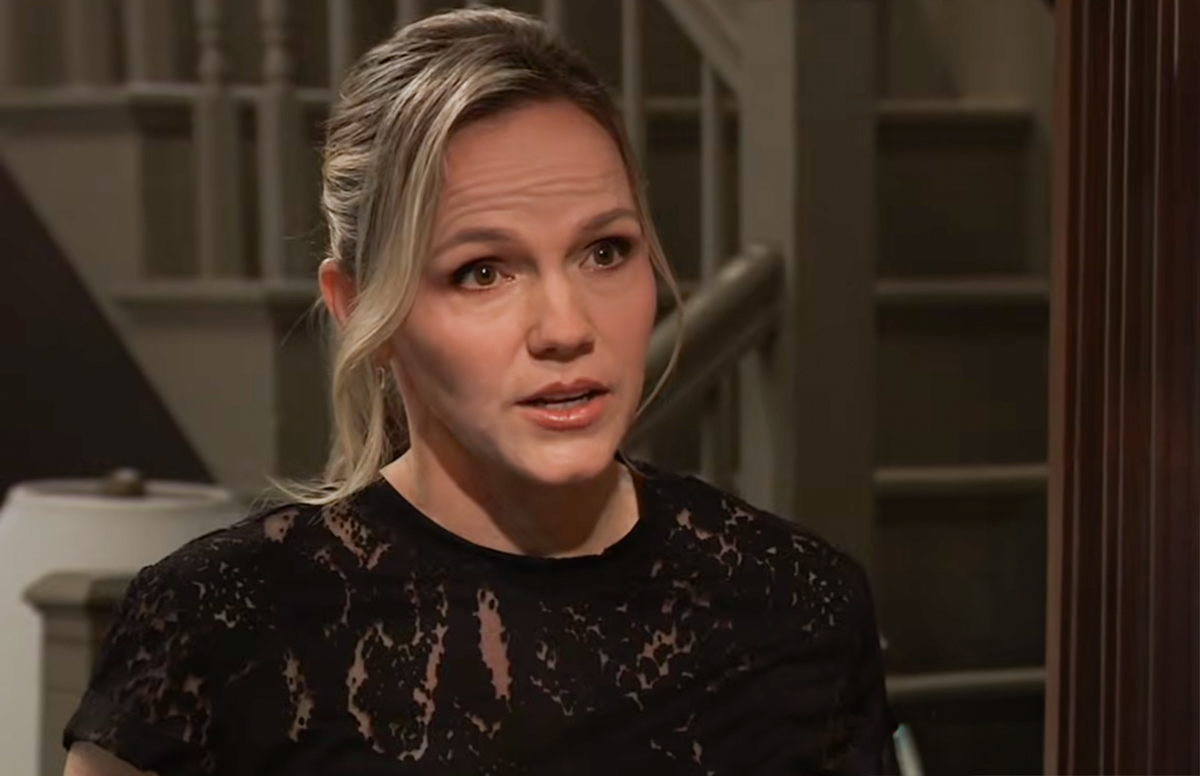
Unraveling the Drama: General Hospital, Celebrity Culture, and the Appeal of Scandal
The cultural fascination surrounding "General Hospital celebrity dirty" highlights the public appetite for behind-the-scenes drama, soap opera lore, and Hollywood-style scandals involving daytime television stars. This query typically...
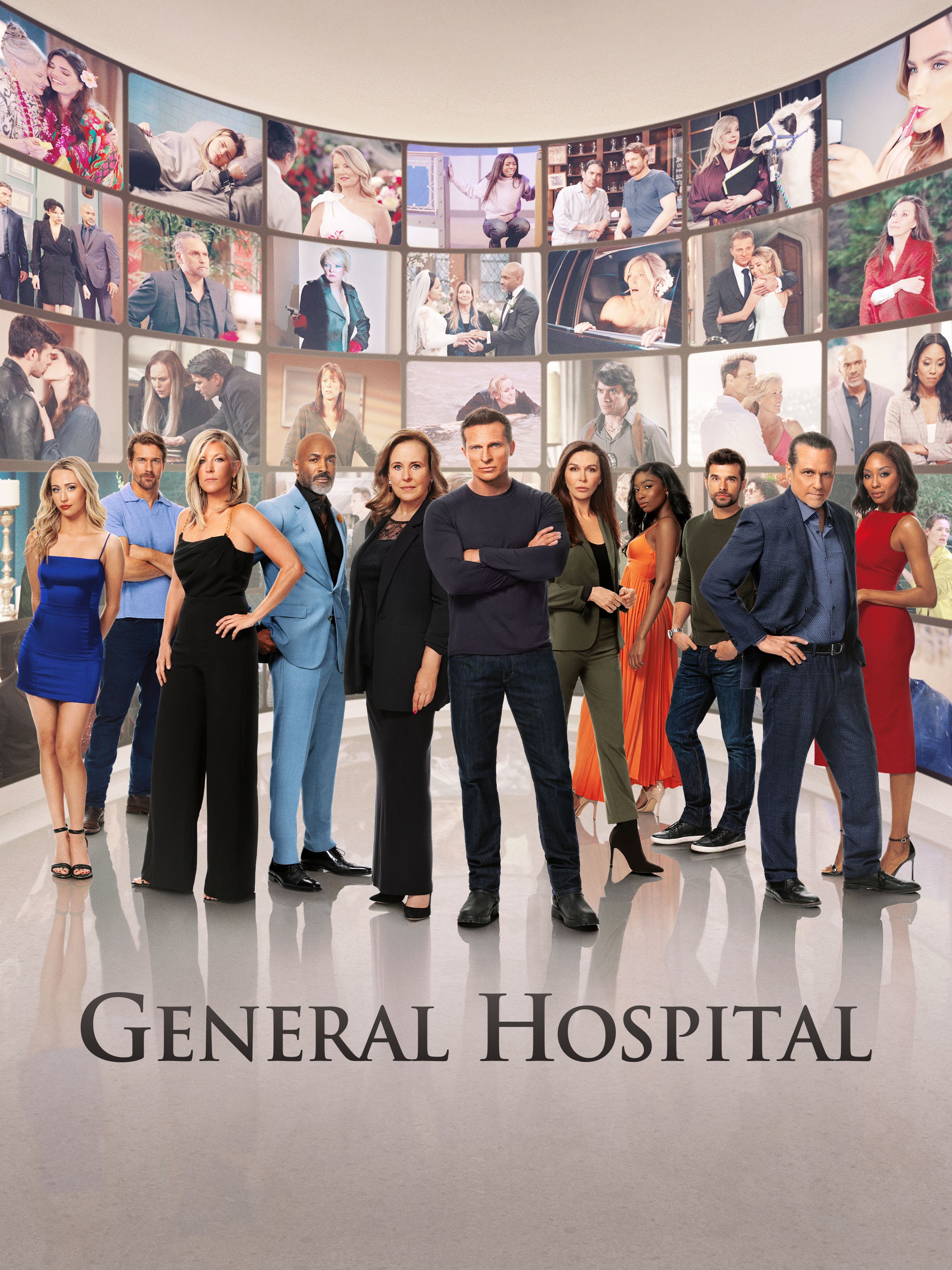
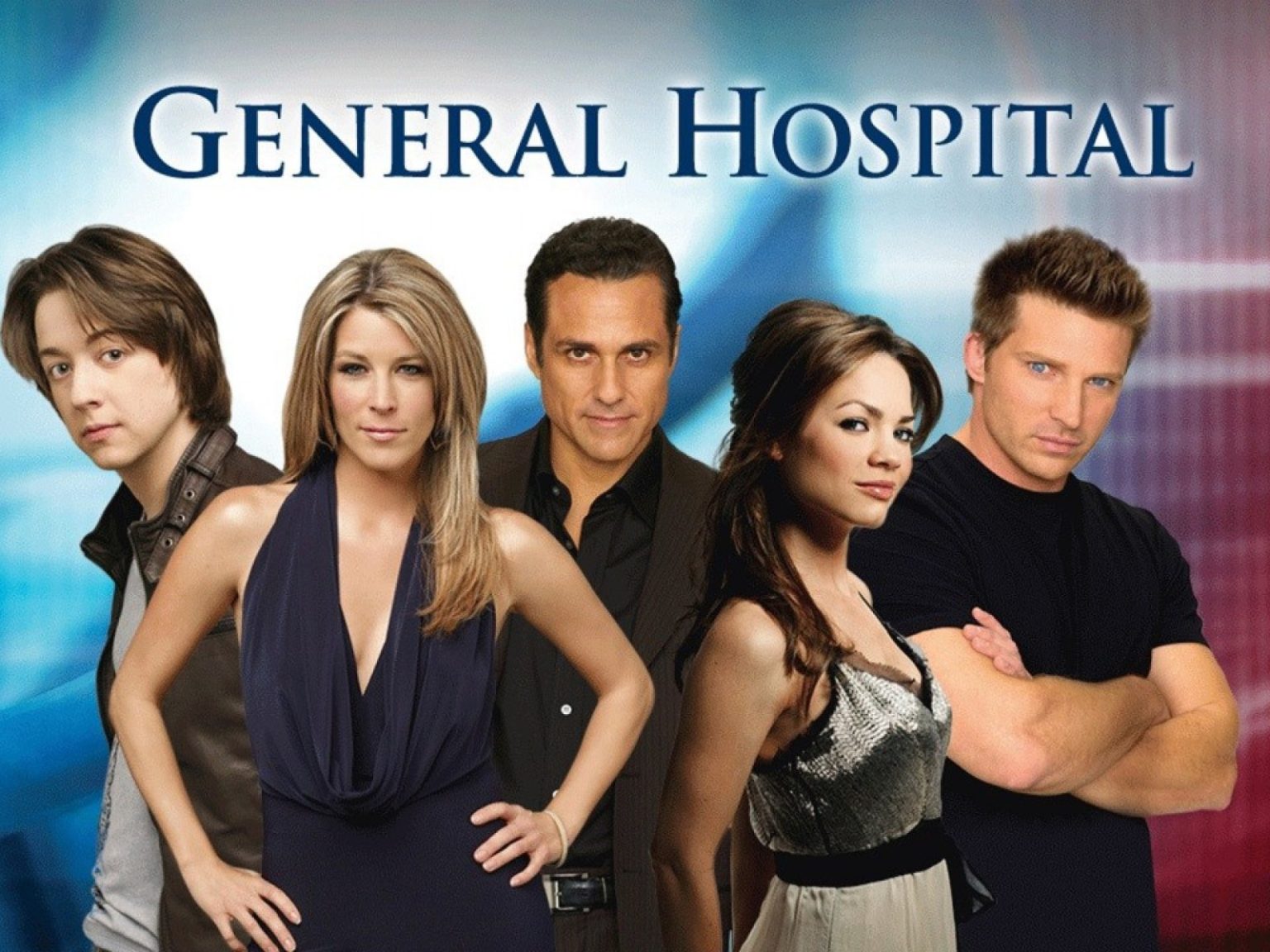
The cultural fascination surrounding "General Hospital celebrity dirty" highlights the public appetite for behind-the-scenes drama, soap opera lore, and Hollywood-style scandals involving daytime television stars. This query typically reflects searches for tabloid reports, on-set rumors, off-screen controversies, and sensationalized media coverage involving actors from the long-running ABC medical drama General Hospital.
Contents
The Intersection of Daytime Television and Celebrity Gossip
Daytime drama actors occupy a unique space in the entertainment industry. Unlike streaming or feature film stars who alternate between projects, daytime television actors appear in millions of households five days a week for years or even decades. This constant presence creates a powerful sense of intimacy with viewers, making any off-screen controversy, contract dispute, or personal scandal feel intensely personal to the fan base.
When terms like "dirty" or "scandal" enter search queries alongside a prominent soap opera and its cast, it usually points to a few recurring drivers of digital traffic:
- Tabloid journalism and sensationalized headlines designed to capture attention through shock value.
- Actual industry news, such as sudden cast terminations, legal battles, or contract disputes.
- Fan-driven rumor mills operating on social media platforms like TikTok, X (formerly Twitter), and dedicated soap opera message boards.
- Personal lives of actors intersecting with public scrutiny, ranging from social media controversies to legal challenges.
Historical Context of Scandal in Daytime Television
Scandal is not a modern invention of the internet age; it has accompanied the soap opera genre since its inception on radio in the 1930s and television in the 1950s. General Hospital, which premiered in 1963 on ABC, has weathered numerous real-world controversies involving its cast and crew over its decades-long run.
Historically, production companies and networks maintained tight control over public relations, utilizing studio-managed publicity departments to shield actors from damaging press. In the contemporary media landscape, however, social media bypasses traditional PR gates. Actors now post directly to millions of followers, creating immediate visibility for both positive milestones and accidental controversies. This shift has accelerated how quickly a minor disagreement or misinterpreted statement can transform into a trending viral topic.
Analyzing the Types of Off-Screen Controversies
To understand what viewers look for when searching for celebrity gossip related to General Hospital, it helps to categorize the types of incidents that generate the most digital engagement.
| Category of Controversy | Description | Typical Outcome |
|---|---|---|
| Contract and Casting Disputes | Sudden firing, unexpected exits, or salary negotiations spilling into trade publications. | Character recasting, public statements from agents, or peaceful resolution. |
| Social Media Backlash | Actors posting polarizing personal opinions, political commentary, or insensitive remarks online. | Public apologies, temporary social media blackouts, or network reprimands. |
| Personal Legal Issues | Arrests, divorces, custody battles, or lawsuits involving cast members. | Court proceedings, tabloid coverage, and occasional temporary leave from the show. |
| On-Set Friction | Unverified rumors regarding interpersonal conflicts between co-stars or production staff. | Industry silence, denial by representatives, or gradual cast departures. |
The Mechanics of Tabloid Culture and Clickbait
Search terms containing sensational adjectives often lead users down a rabbit hole of clickbait websites. These platforms utilize aggressive search engine optimization and provocative headlines to monetize curiosity. Understanding how these systems operate helps media consumers separate verified journalism from manufactured outrage.
Red Flags of Sensationalized Gossip
- Vague Headlines: Headlines that promise explosive revelations without naming specific sources or events.
- Anonymous Insiders: Reliance on unnamed sources claiming to have direct knowledge of an actor's private life.
- Circular Referencing: Multiple websites citing each other without pointing back to an original, verifiable primary source.
- Out-of-Context Quotes: Old interviews or social media posts resurrected and framed as current events.
Comparing Traditional Media and Modern Digital Rumor Mills
The ways fans consume information about their favorite soap opera stars have transformed radically over the past two decades. The shift from print magazines to decentralized digital platforms has changed both the speed and accuracy of celebrity news.
| Feature | Traditional Print Tabloids | Modern Digital & Social Media |
|---|---|---|
| Publication Speed | Weekly or monthly print cycles, allowing for basic fact-checking. | Instantaneous publishing within minutes of an event. |
| Source Verification | Editorial oversight and legal review teams. | Minimal oversight on social platforms, high reliance on user-generated content. |
| Fan Interaction | Passive reading with occasional letters to the editor. | Active participation through comments, shares, and algorithmic amplification. |
| Longevity | Physical copies discarded; limited searchability. | Permanent digital archives indexed by search engines for years. |
Frequently Asked Questions
Why do General Hospital stars frequently make headlines for off-screen drama?
The daily broadcast schedule and intense public attachment make daytime stars prime targets for media scrutiny. Any significant life event or professional change is often amplified by digital media outlets seeking high web traffic.
Are all online rumors about General Hospital actors true?
No. A significant portion of online gossip originates from unverified social media speculation, fan fiction treated as news, or intentionally misleading clickbait headlines designed to generate advertising revenue.
How do General Hospital producers handle actor controversies?
Network executives and casting directors evaluate each situation individually, balancing public relations impact, legal realities, and the creative needs of ongoing storyline arcs. Serious legal issues often result in swift dismissals or immediate character recasting.
Where can fans find accurate, verified news about the cast?
Reliable updates come from established entertainment trade publications like Variety, Deadline, and The Hollywood Reporter, alongside official announcements from ABC and the actors' verified social media channels.
What should viewers do when they encounter sensationalized claims online?
Readers should check for corroboration from mainstream entertainment news outlets and verify whether quotes or photographs are presented within their original chronological context.
Navigating Entertainment News Responsibly
Engaging with celebrity culture and soap opera fandom is a popular form of entertainment, but maintaining perspective is essential. Separating verified reporting from sensationalized rumors protects consumers from misinformation while allowing them to appreciate the dramatic storytelling on screen without letting digital noise overshadow the craft of daytime television production.
Image Gallery