The Role of a Mold Removal Microbial Remediation Specialist
A mold removal microbial remediation specialist is a highly trained professional responsible for identifying, containing, and removing fungal growth while addressing the underlying moisture sources to prevent recurrence. They utilize s...
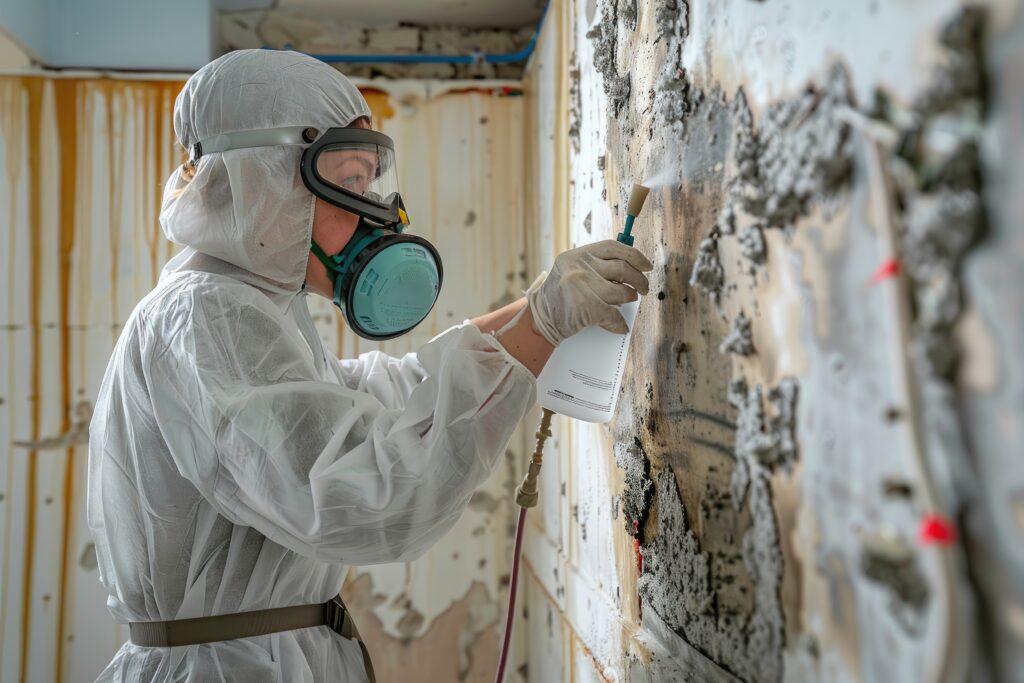
A mold removal microbial remediation specialist is a highly trained professional responsible for identifying, containing, and removing fungal growth while addressing the underlying moisture sources to prevent recurrence. They utilize specialized equipment, such as HEPA filtration and negative air pressure, to ensure that mold spores do not cross-contaminate unaffected areas during the cleanup process.
Contents
The presence of mold in a residential or commercial building is more than an aesthetic or structural concern; it is a complex biological issue that requires a scientific approach to resolve. In 2026, the industry has shifted away from the simple concept of "mold removal" toward a more comprehensive "microbial remediation" framework. This shift recognizes that mold is a symptom of a larger environmental imbalance, usually involving moisture, ventilation, or temperature control. A specialist in this field does not merely clean surfaces; they manage an entire ecosystem to restore indoor air quality (IAQ) and protect the health of the building's occupants.
Defining the Scope of Microbial Remediation
The distinction between a general cleaner and a microbial remediation specialist lies in the "Standard of Care." Professionals in this field adhere to rigorous guidelines, most notably the ANSI/IICRC S520 Standard for Professional Mold Remediation. This document provides a procedural framework based on reliable health and safety principles, integrated with physical science and mycology.
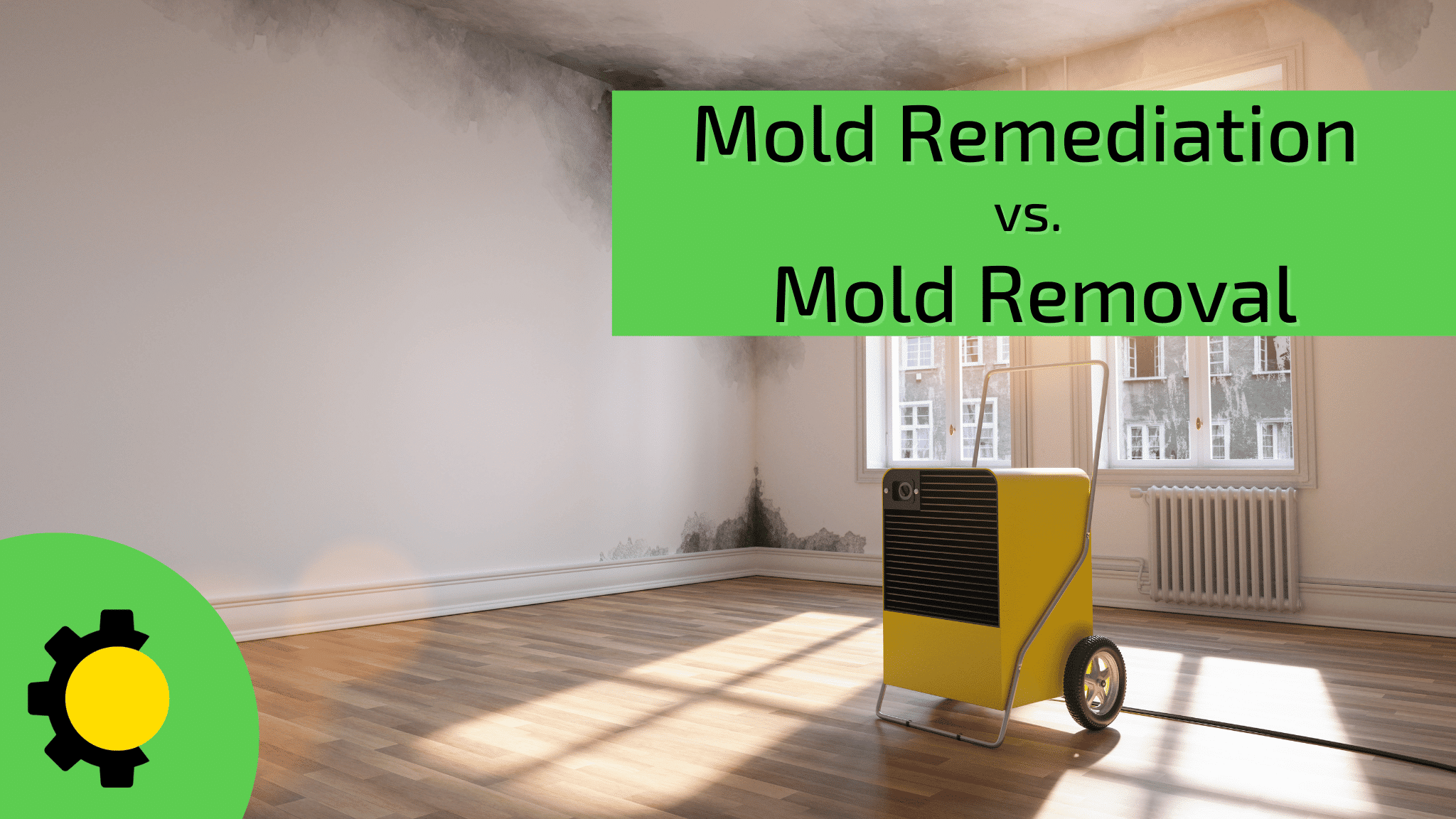
While "mold removal" suggests simply taking the mold away, "remediation" involves a multi-step process:
- Assessment and Documentation: Evaluating the extent of the damage.
- Containment: Isolating the contaminated area.
- Filtration: Purifying the air to capture airborne spores.
- Physical Removal: Discarding contaminated porous materials and cleaning semi-porous/non-porous surfaces.
- Moisture Correction: Identifying and fixing the water source that allowed the mold to thrive.
- Verification: Proving the area is returned to a "Condition 1" (Normal) status.
The Specialist’s Primary Responsibilities
A specialist’s role begins long before the first piece of drywall is cut. Their expertise is required to navigate the complexities of fungal ecology and building science.
Initial Site Assessment and Strategy
Upon arrival, a specialist conducts a visual inspection and utilizes advanced diagnostic tools such as thermal imaging cameras, moisture meters, and hygrometers. In 2026, many specialists also use AI-assisted moisture mapping to predict subsurface water migration. The goal is to categorize the contamination according to IICRC standards:
- Condition 1 (Normal): An indoor environment that may contain settled spores or fragments, but is representative of a normal fungal ecology.
- Condition 2 (Settled Spores): An environment contaminated with settled spores that were dispersed from a Condition 3 area.
- Condition 3 (Actual Growth): An environment with active or dormant visible or invisible fungal growth.
Implementation of Engineering Controls
The most critical part of a specialist's role is preventing cross-contamination. When mold is disturbed, it releases millions of microscopic spores and fragments into the air. If these are not managed, a small localized problem can become a building-wide catastrophe. The specialist sets up Negative Air Pressure zones using High-Efficiency Particulate Air (HEPA) air scrubbers. These machines ensure that air flows into the contaminated zone from the clean zone, and that exhausted air is filtered to remove 99.97% of particles down to 0.3 microns.
Controlled Demolition and Cleaning
Materials like drywall, insulation, and carpet that have been colonized by mold (Condition 3) are typically considered "non-salvageable" because fungal hyphae (root-like structures) penetrate deep into the substrate. The specialist performs "controlled demolition," which involves misting materials to prevent dust and bagging them in 6-mil poly bags before they leave the containment area. For structural wood or masonry, specialized cleaning methods such as HEPA vacuuming, wire brushing, or media blasting (using dry ice or soda) are employed to physically remove the fungal mass.
Essential Equipment and Technical Proficiency
The role requires mastery over a specific suite of technical tools. Without these, a specialist cannot guarantee the safety or efficacy of the remediation.
| Tool/Equipment | Primary Function in Remediation | Why It Is Essential |
|---|---|---|
| HEPA Air Scrubber | Filters indoor air during the remediation process. | Captures airborne spores that are invisible to the naked eye. |
| Infrared (Thermal) Camera | Detects temperature differentials behind walls. | Identifies hidden moisture sources without invasive demolition. |
| Negative Air Machine (NAM) | Creates a pressure vacuum within the containment. | Prevents spores from migrating to "clean" areas of the building. |
| Hygrometer | Measures Relative Humidity (RH) and temperature. | Ensures the environment is below the 60% RH threshold for mold growth. |
| HEPA Vacuum | Final cleaning of surfaces and structures. | Unlike standard vacuums, it does not exhaust spores back into the room. |
| Antimicrobial Coatings | Applied to structural elements after cleaning. | Provides a moisture-resistant barrier to inhibit future growth. |
The Science of Fungal Ecology and Indoor Air Quality
A microbial remediation specialist must understand the biology of the organisms they are fighting. Mold requires four things to grow: food (cellulose-based materials like paper or wood), moisture, oxygen, and a temperature between 40°F and 100°F. Since we cannot easily remove oxygen or cellulose from a building, the specialist focuses entirely on moisture management.
They are trained to recognize various types of mold and their behaviors. For instance, Stachybotrys chartarum (often called "black mold") is a slow-growing, moisture-heavy mold often found after long-term leaks, whereas Aspergillus/Penicillium species can grow in lower humidity environments and stay airborne for longer periods. Understanding these differences allows the specialist to tailor the containment and air filtration strategy to the specific threat present.
Furthermore, the specialist is aware of mycotoxins—chemical byproducts produced by some molds—and Microbial Volatile Organic Compounds (mVOCs), which are responsible for the "musty" odor associated with damp buildings. Their role is to ensure these chemical contaminants are removed along with the physical spores.
Qualifications, Certifications, and Ethics
The microbial remediation industry is regulated differently depending on the jurisdiction. However, high-level specialists typically hold certifications from recognized international bodies. As of 2026, the primary credentials include:
- IICRC Applied Microbial Remediation Technician (AMRT): Focuses on the practical application of remediation techniques.
- ACAC Certified Microbial Remediation Supervisor (CMRS): A higher-level certification that requires years of field experience and a deep understanding of project management.
- Council-certified Indoor Environmentalist (CIE): Often held by those who focus on the testing and assessment side of the industry.
The Conflict of Interest Rule
A hallmark of a professional specialist is the adherence to ethical boundaries regarding testing. In many states and under IICRC guidelines, the company performing the remediation should not be the same company that performs the final "clearance" or Post-Remediation Verification (PRV) testing. This ensures an unbiased assessment of whether the specialist's work was successful. The role of the specialist is to execute the remediation plan, while an independent Indoor Environmental Professional (IEP) verifies the results.
Post-Remediation Verification (PRV)
The specialist’s job is not finished until the environment passes a PRV. This process involves a visual inspection of the containment area to ensure it is "white glove" clean—free of dust and debris—and air or surface sampling.
The criteria for success usually include:
- Visual Inspection: No visible mold or dust remains on structural surfaces.
- Moisture Content: All building materials have been dried to their "dry standard" (usually below 15-16% for wood).
- Air Quality: The indoor spore count is lower than, or significantly similar in composition to, the outdoor (baseline) air.
If the PRV fails, the specialist must reclean the area and re-filter the air until the standards are met. This accountability is what separates a professional microbial remediation specialist from a general contractor.
Frequently Asked Questions
Can I perform mold removal myself, or do I always need a specialist?
While small areas of mold (less than 10 square feet) can often be handled by homeowners using proper PPE and EPA-registered cleaners, anything larger requires a specialist. Professional remediation is necessary when mold is caused by contaminated water (sewage), when it is hidden behind walls, or when occupants have compromised immune systems. Specialists have the containment tools to prevent making the problem worse through improper handling.
How long does a typical microbial remediation project take?
The timeframe varies based on the extent of the damage, but most residential projects take between 3 to 7 days. This includes time for the setup of containment, the actual cleaning/removal process, and at least 24 to 48 hours of "air scrubbing" to ensure the air is clear of suspended particulates before final testing occurs.
Why can't I just use bleach to kill the mold?
Bleach is generally ineffective on porous materials like wood and drywall. The chlorine in bleach remains on the surface, while the water content in the bleach soaks into the material, potentially feeding the mold roots (hyphae) deeper inside. A specialist uses surfactants and professional-grade antimicrobials that are designed to penetrate surfaces and neutralize spores without introducing excessive moisture.
Does homeowners insurance cover the cost of a specialist?
Coverage depends entirely on the "peril" that caused the mold. If the mold resulted from a sudden and accidental water discharge (like a burst pipe), it is often covered. However, if the mold is a result of long-term neglect, humidity issues, or a lack of maintenance, insurance companies frequently deny the claim. It is important to have the specialist document the source of the moisture to assist in the insurance process.
What is the difference between a mold inspector and a remediation specialist?
A mold inspector (or Indoor Environmental Professional) is a neutral third party who identifies the type and concentration of mold and writes the "remediation protocol." The remediation specialist is the professional who follows that protocol to physically remove the mold. To avoid a conflict of interest, it is recommended that you hire two different companies for these tasks.
Practical Recommendations for Property Owners
If you suspect a mold issue, your first action should be to identify and stop the water source. Mold cannot grow without moisture. Once the leak is stopped, do not attempt to clean large areas of mold with a standard vacuum or fans, as this will spread spores throughout your HVAC system.
Instead, contact a certified microbial remediation specialist to perform a professional assessment. Ensure they provide a written scope of work that includes the use of HEPA filtration and negative air pressure. By hiring a specialist who follows the IICRC S520 standards, you ensure that the remediation is handled as a scientific process rather than a cosmetic fix, ultimately protecting both your property value and the health of those inside.
Image Gallery