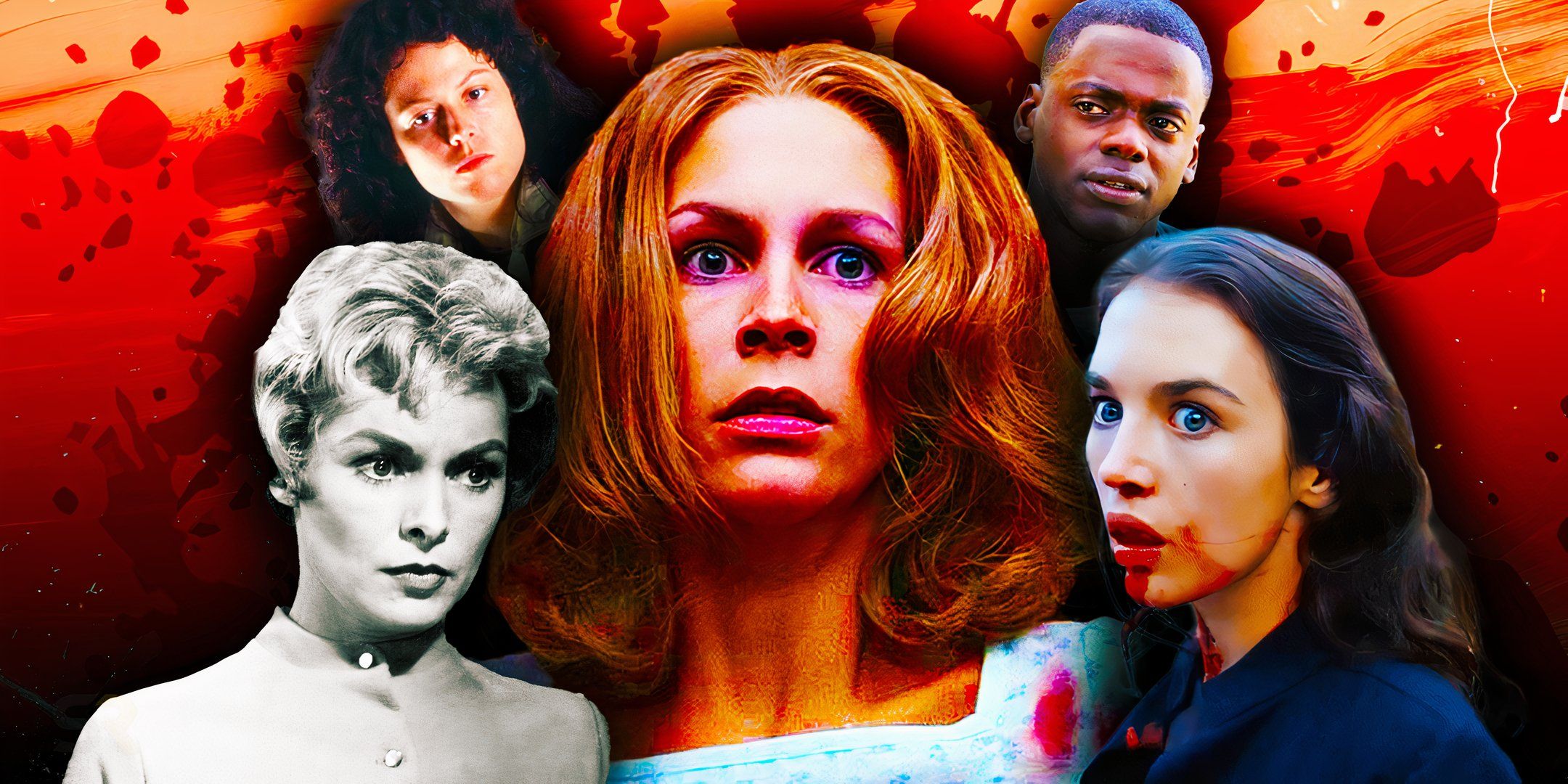
The Best New Slasher Movies Defining the Modern Genre
The best new slasher movies blend traditional tropes—such as the final girl, masked antagonists, and isolated settings—with contemporary social commentary and innovative cinematography. As of 2026, the genre has shifted toward "elevate...
The best new slasher movies blend traditional tropes—such as the final girl, masked antagonists, and isolated settings—with contemporary social commentary and innovative cinematography. As of 2026, the genre has shifted toward "elevated" horror, where psychological tension is just as critical as the practical effects and inventive kill sequences that satisfy the classic requirements of the category.
Contents
The Evolution of the Modern Slasher
The slasher genre has experienced a significant revitalization over the last few years. While the 1980s and 1990s established the rules—a relentless killer, a group of unsuspecting victims, and a rhythmic cycle of suspense—the current landscape is defined by subversion. Today’s filmmakers often utilize the established framework to explore themes of grief, digital surveillance, and class disparity.
Modern audiences demand a higher standard of technical execution. CGI has largely taken a backseat to sophisticated practical makeup and animatronics, returning to the tactile, visceral gore that made the genre a cultural phenomenon. Furthermore, the "whodunnit" element has seen a resurgence, with many 2024–2026 releases focusing on mystery-heavy narratives that keep the audience guessing until the final act.
Defining Characteristics of Top-Tier Slashers
To identify the best new slasher movies, one must evaluate them based on three pillars: atmospheric tension, creative kills, and thematic depth. A superior slasher must maintain a consistent "threat level." If the antagonist feels too easily defeated, the tension evaporates.
- Atmospheric Tension: The best films invest time in building the environment. Whether it is an abandoned high-tech facility or a claustrophobic suburban home, the setting should feel like an additional character.
- Creative Kill Sequences: While gore is expected, the execution matters more than the volume of blood. Modern directors emphasize the "how" and "why," turning simple slashes into carefully choreographed set pieces that reflect the killer’s psychological profile.
- The Final Girl (and Guy) Archetype: The modern protagonist is rarely just a survivor; they are often the primary driver of the conflict. Contemporary scripts focus on character development that makes the audience genuinely root for their survival, rather than merely waiting for their demise.
Comparison of Contemporary Slasher Approaches
The following table provides a breakdown of how recent horror films distinguish themselves within the slasher ecosystem.
| Sub-Genre Style | Primary Focus | Key Audience Expectation |
|---|---|---|
| Meta-Slasher | Self-awareness of tropes | Wit, satire, and commentary |
| Giallo-Inspired | Visual flair and mystery | Artistic cinematography, mystery |
| Home Invasion | Claustrophobia and isolation | Relatable terror, extreme tension |
| Slasher Reboot | Legacy and nostalgia | Respect for lore, upgraded kills |
Choosing a Slasher Film for Your Viewing
When selecting a film, consider your tolerance for psychological weight versus pure spectacle. If you prefer high-energy, fast-paced action, look for "Home Invasion" or "Reboot" style slashers. These typically feature an immediate catalyst and a rapid escalation of stakes. If you prefer a slow-burn experience, "Giallo-inspired" or "Meta" films offer deeper narratives that prioritize the buildup of dread over constant movement.
Prerequisites for an Optimal Experience
To fully appreciate a modern slasher, viewing conditions matter. The genre relies on sharp shifts in sound design—from pin-drop silence to jarring, percussive scores. A high-quality sound system or noise-canceling headphones is highly recommended to capture the nuance of the film's auditory landscape. Additionally, avoid spoilers; the best new entries in the genre often rely on a pivotal twist that recontextualizes the previous sixty minutes of the film.
Common Mistakes in Slasher Production and Consumption
A common mistake viewers make is assuming all "new horror" falls under the slasher label. Horror is a broad umbrella; supernatural ghost stories, psychological thrillers, and body horror films often get grouped with slashers, but they operate under different rules. A slasher must involve a tangible antagonist who uses physical weapons to dispatch victims. Knowing the difference ensures you aren't disappointed when a film provides spirits instead of a physical killer.
On the production side, some recent films fail by over-explaining the killer's motivation. A key element of the genre's longevity is the "unknowable" nature of the threat. When filmmakers provide an overly detailed backstory for a killer, the character often loses the primal, terrifying edge that made them effective in the first act.
Frequently Asked Questions
What is the difference between a slasher and a psychological thriller? A slasher requires an active antagonist who uses physical weapons against a group or individual. A psychological thriller focuses on the internal mental state of the protagonist, often using suspense and paranoia rather than physical violence as the primary vehicle for fear.
Are modern slasher movies more violent than older ones? Not necessarily. While modern cinema allows for more realistic prosthetic work, many of the most iconic films from the 1970s and 1980s set the standard for visceral imagery. The difference today is in the clarity of the cinematography, which makes the violence appear more present and detailed.
Should I watch the original series before the new reboot? While most modern reboots are designed to be standalone experiences, understanding the foundational "rules" established in the original films often enhances the viewing experience, especially when the reboot references or subverts those specific tropes.
Where can I find the latest reviews for slasher releases? Reliable sources for horror-specific criticism include established genre publications like Fangoria or industry-standard aggregators. These sources often provide deep dives into the technical aspects of the kills and the thematic intent behind the screenplay.
Is it necessary to watch slashers in chronological order? If you are watching a franchise (e.g., a multi-film saga), yes. If you are watching individual, unrelated films, order does not matter. The genre is largely episodic, making it very accessible for new viewers who want to jump into a specific sub-style.
Next Steps for Enthusiasts
If you are looking to get started, research the latest releases by production houses known for maintaining a high quality of craft. Look for trailers that emphasize practical effects over heavy digital manipulation, as this is often a litmus test for a film’s commitment to the classic slasher aesthetic. Your next step should be to identify one of the highly-rated 2026 releases and dedicate an evening to a distraction-free viewing to experience the sound design and pacing as the director intended.
Image Gallery