Structural Foundation Repair in Naples, FL: A 2026 Homeowner’s Guide
Structural foundation repair in Naples, FL, typically involves stabilizing a building's base using helical piers, resistance piles, or polyurethane foam injection to counteract soil subsidence. Professional solutions address Southwest...
Structural foundation repair in Naples, FL, typically involves stabilizing a building's base using helical piers, resistance piles, or polyurethane foam injection to counteract soil subsidence. Professional solutions address Southwest Florida’s unique challenges, such as sandy soil erosion, high water tables, and limestone dissolution, ensuring long-term structural integrity and compliance with 2026 Florida Building Codes.
Contents
The stability of a home in Naples is uniquely tied to the ground beneath it. Unlike the clay-heavy soils of the Midwest or the rocky terrain of the Northeast, Southwest Florida sits on a delicate mix of sand, organic "muck," and porous limestone. As we move through 2026, the cumulative effects of seasonal shifts, rising water tables, and historical storm surges have made structural foundation awareness a priority for local property owners.
The Unique Geological Challenges of Naples, Florida
To understand foundation repair in Naples, one must first understand the ground. The region is characterized by a high water table and a soil profile that is often inconsistent. Much of the coastal land in Naples consists of "fill" dirt placed decades ago over wetlands or mangrove estuaries.
Sandy Soil and Erosion Naples is dominated by Entisols—sandy soils that offer excellent drainage but poor structural cohesion. When heavy tropical rains occur, water moves through these sands rapidly. If a gutter system is poorly designed or if a property lacks proper grading, this water can wash away the sand supporting a concrete slab, leading to "voids."
The Limestone "Karst" Factor Florida’s peninsula is a limestone plateau. Over thousands of years, slightly acidic rainwater can dissolve this limestone, creating subterranean cavities. While full-scale sinkholes are less common in Collier County than in Central Florida, "raveling" (where surface soil falls into these limestone gaps) frequently leads to localized foundation settlement.
Hydrostatic Pressure and the Water Table In Naples, the water table can be just a few feet below the surface. During the rainy season, the soil becomes saturated, exerting upward and inward "hydrostatic pressure" against foundation walls and slabs. Conversely, during the dry winters, the soil can shrink as it loses moisture, causing the foundation to settle or shift unevenly.
Recognizing the Symptoms of Foundation Distress
Structural issues rarely appear overnight. In the Naples climate, indicators often manifest slowly, exacerbated by the extreme humidity and heat of 2026. Identifying these signs early can mean the difference between a minor stabilization project and a massive structural overhaul.
Interior Indicators
- Sticking Doors and Windows: If doors suddenly require force to close or windows become jammed in their frames, the house's "rack" or alignment has likely shifted due to foundation settlement.
- Drywall Cracks: Look for diagonal cracks radiating from the corners of door frames or windows. Horizontal cracks along the ceiling line are also common indicators of structural movement.
- Uneven Flooring: In many Naples homes with tile or luxury vinyl plank (LVP), a "hollow" sound when walking or visible "lippage" where tiles are no longer flush can indicate that the slab underneath is cracking or sinking.
Exterior Indicators
- Stucco Cracking: While some hairline "spiderweb" cracks are normal for Florida stucco, large "stair-step" cracks in the mortar joints of a concrete block (CMU) wall are a classic sign of foundation failure.
- Separation of Attachments: Observe where the chimney, patio, or garage meets the main body of the house. Gaps forming in these junctions suggest that the two structures are moving at different rates.
- Fascia and Soffit Gaps: If the roofline appears wavy or if gaps open between the wall and the soffit, the perimeter footings may be failing.
Primary Methods for Structural Foundation Repair in 2026
In 2026, foundation repair technology has shifted toward minimally invasive, high-durability solutions that account for the high salt content in the air and soil.
Helical Piers
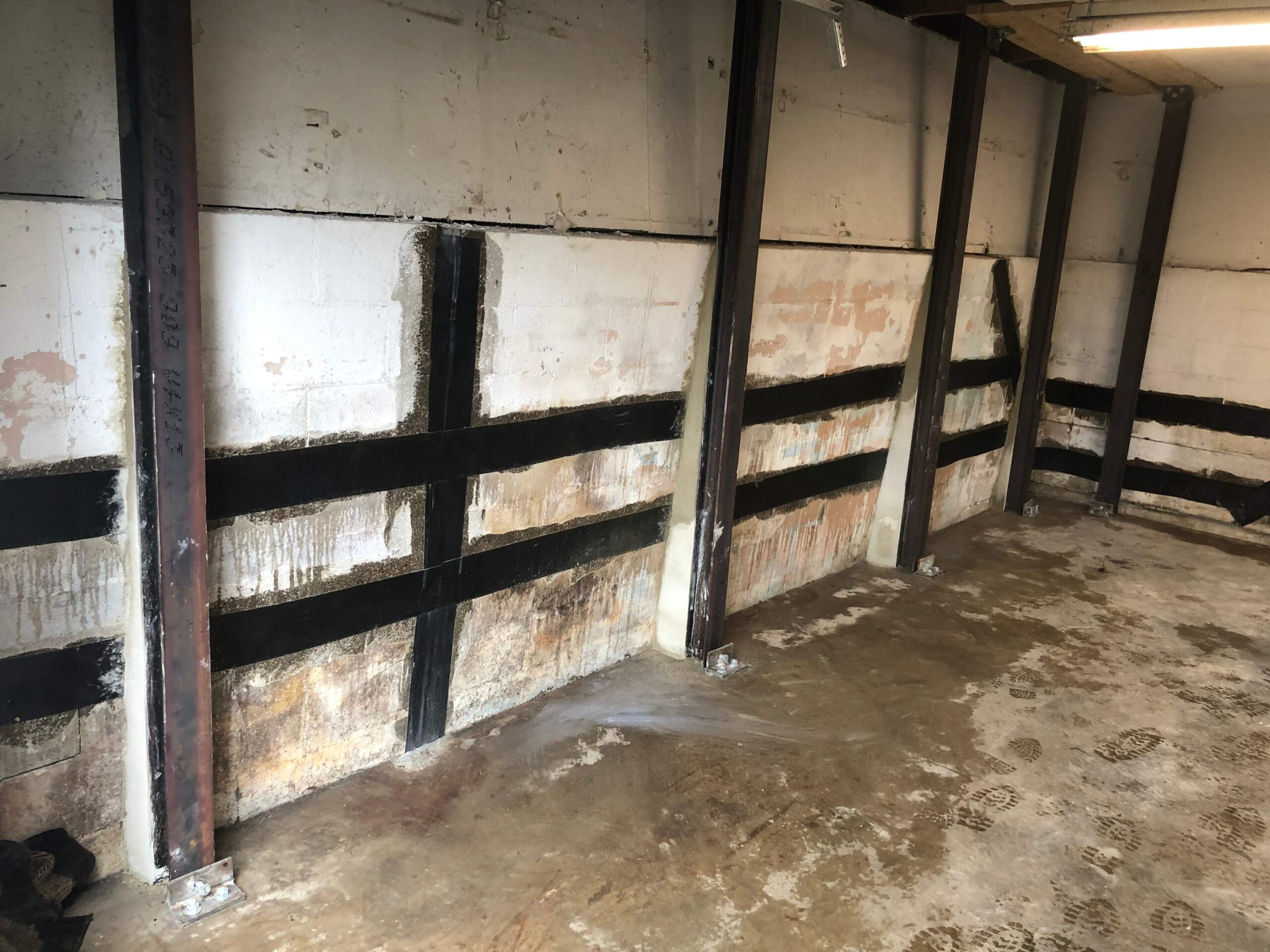
Helical piers are the "gold standard" for Naples foundation repair. These resemble large industrial screws and are driven deep into the ground using hydraulic machinery until they reach a load-bearing stratum or competent limestone.
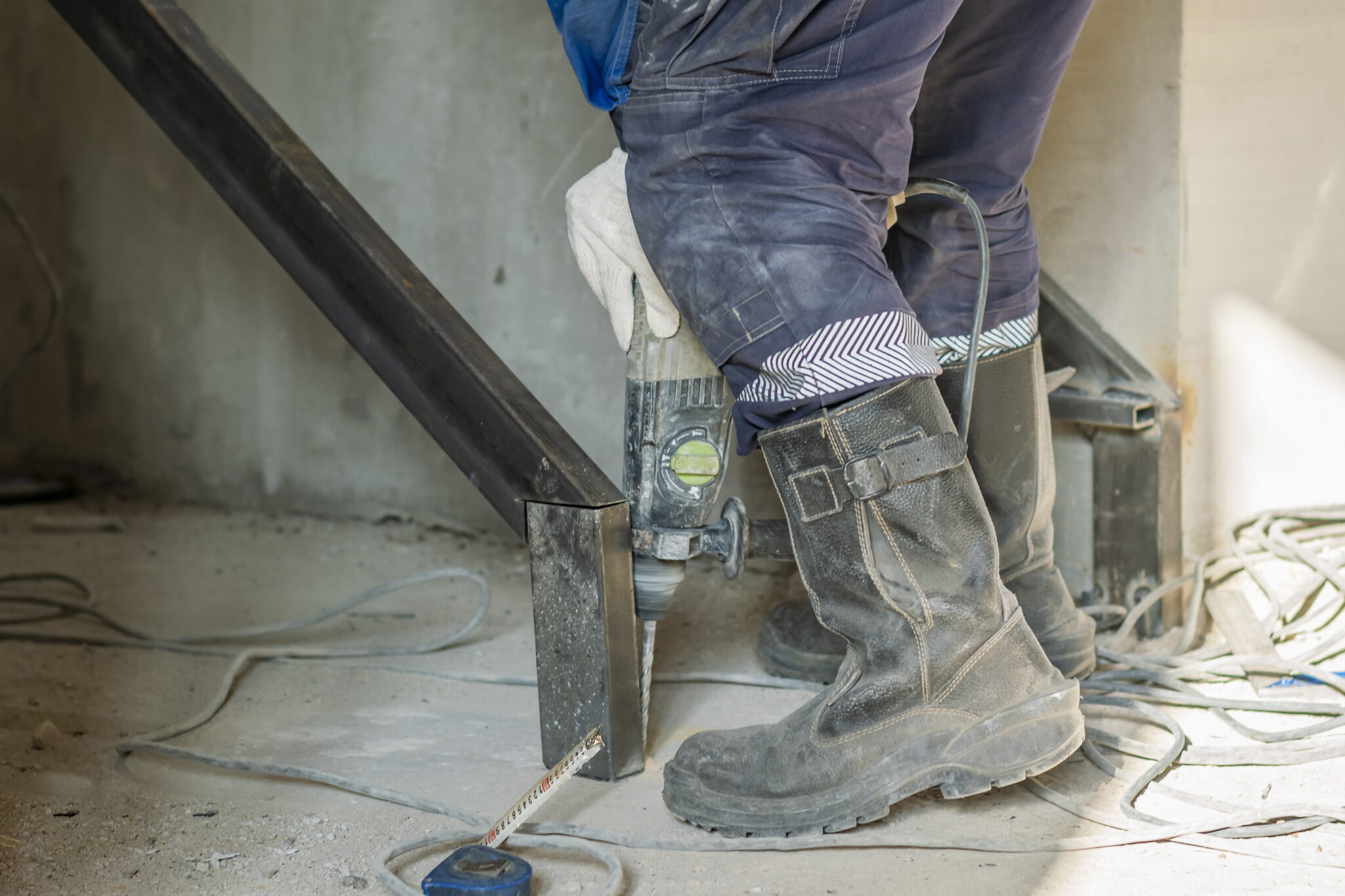
- The Process: Brackets are attached to the home's footing, and the pier is screwed into the earth. The weight of the house is then transferred from the unstable surface soil to the pier.
- Why Naples? They are ideal for the sandy soil of Southwest Florida because they do not rely on the weight of the house to be pushed into the ground, unlike resistance piers.
Polyurethane Foam Injection (Polyjacking)
For homes experiencing slab-on-grade settlement or "voids" beneath the floor, polyurethane injection is a fast and effective solution.
- The Process: Technicians drill small, penny-sized holes into the concrete and inject a high-density, waterproof resin. The resin expands, fills the void, and can even lift the concrete back to its original position.
- Advantage: It is waterproof and does not wash away, making it superior to traditional "mudjacking" in the wet Naples climate.
Resistance (Push) Piers
Resistance piers utilize the actual weight of the building to drive steel pipe segments into the soil. While effective for heavy multi-story structures or commercial buildings in Naples, they are used less frequently for lightweight single-story residential homes compared to helical options.
Chemical Grouting and Soil Stabilization
In areas near the Gulf or Gordon River, where the soil is exceptionally loose or "mucky," chemical grouting can be used to bind the soil particles together. This creates a sandstone-like mass beneath the structure, preventing further erosion or subsidence.
Comparison of Foundation Repair Solutions
| Method | Best For | Pros | Cons | Estimated Lifespan |
|---|---|---|---|---|
| Helical Piers | Heavy settlement, perimeter stabilization | Deep reach, bypasses poor soil, immediate loading | More expensive, requires specialized equipment | 75+ Years |
| Polyurethane Injection | Slab voids, sinking patios/driveways | Minimally invasive, waterproof, very fast | Not for major structural "lift," soil must be stable | 20-50 Years |
| Resistance Piers | Heavy residential or commercial buildings | Uses building weight for depth, very strong | Not suitable for light structures | 75+ Years |
| Chemical Grouting | Loose sandy soil, seawall-adjacent areas | Prevents erosion, stabilizes soil without lifting | High cost for large areas, complex application | 30-50 Years |
The Impact of Seawalls on Naples Foundations
A significant percentage of Naples real estate is located on canals or beachfronts. For these properties, the foundation is only as stable as the seawall protecting it.
If a seawall develops "weep hole" failures or cracks, the tide pulls the soil from behind the wall and out into the water. This process, known as "loss of fines," creates massive underground caverns. If your home is within 30 to 50 feet of a seawall, structural foundation issues are often a symptom of seawall failure. In 2026, many contractors offer integrated repairs that address both the seawall and the home's foundation simultaneously to ensure a permanent fix.
Cost Considerations and Permitting in Collier County
Foundation repair is an investment in the longevity of the asset. In 2026, prices reflect the rising cost of high-grade galvanized steel and specialized resins.
- Inspection and Engineering: Most repairs require a report from a licensed structural engineer. In Naples, this typically costs between $500 and $1,500.
- Permitting: The City of Naples Building Department or Collier County Growth Management Department requires permits for structural work. This ensures the repair meets the 2023/2026 Florida Building Code.
- Repair Costs:
- Helical/Push Piers: Usually priced per pier ($2,500 - $4,500 per pier). A typical corner stabilization may require 5 to 10 piers.
- Polyjacking: Often priced by the pound of resin or by the square foot, ranging from $2,500 for a small area to over $15,000 for a full garage or living room lift.
Choosing a Qualified Structural Contractor in Naples
Florida has strict licensing requirements for structural work. When vetting a contractor in 2026, ensure they hold a Certified General Contractor (CGC) or Certified Pollutant Storage Systems Contractor license if specialized grouting is involved.
- Ask for an Engineering Seal: Never hire a foundation company that "self-diagnoses" without the oversight of an independent Florida Professional Engineer (PE).
- Check for Galvanization: Due to the salt-rich environment in Naples, all steel components (piers, brackets) should be hot-dipped galvanized to prevent corrosion.
- Verify Insurance: Ensure they carry significant general liability and workers' compensation specifically for structural work.
Frequently Asked Questions
Does Florida homeowners insurance cover foundation repair?
Generally, standard homeowners insurance policies in Florida do not cover foundation repair caused by settlement, erosion, or hydrostatic pressure. Coverage is usually only triggered if the damage is a direct result of a "sinkhole loss," as defined by Florida Statute 627.706. Even then, the damage must meet specific structural failure criteria.
How long does a typical foundation repair take in Naples?
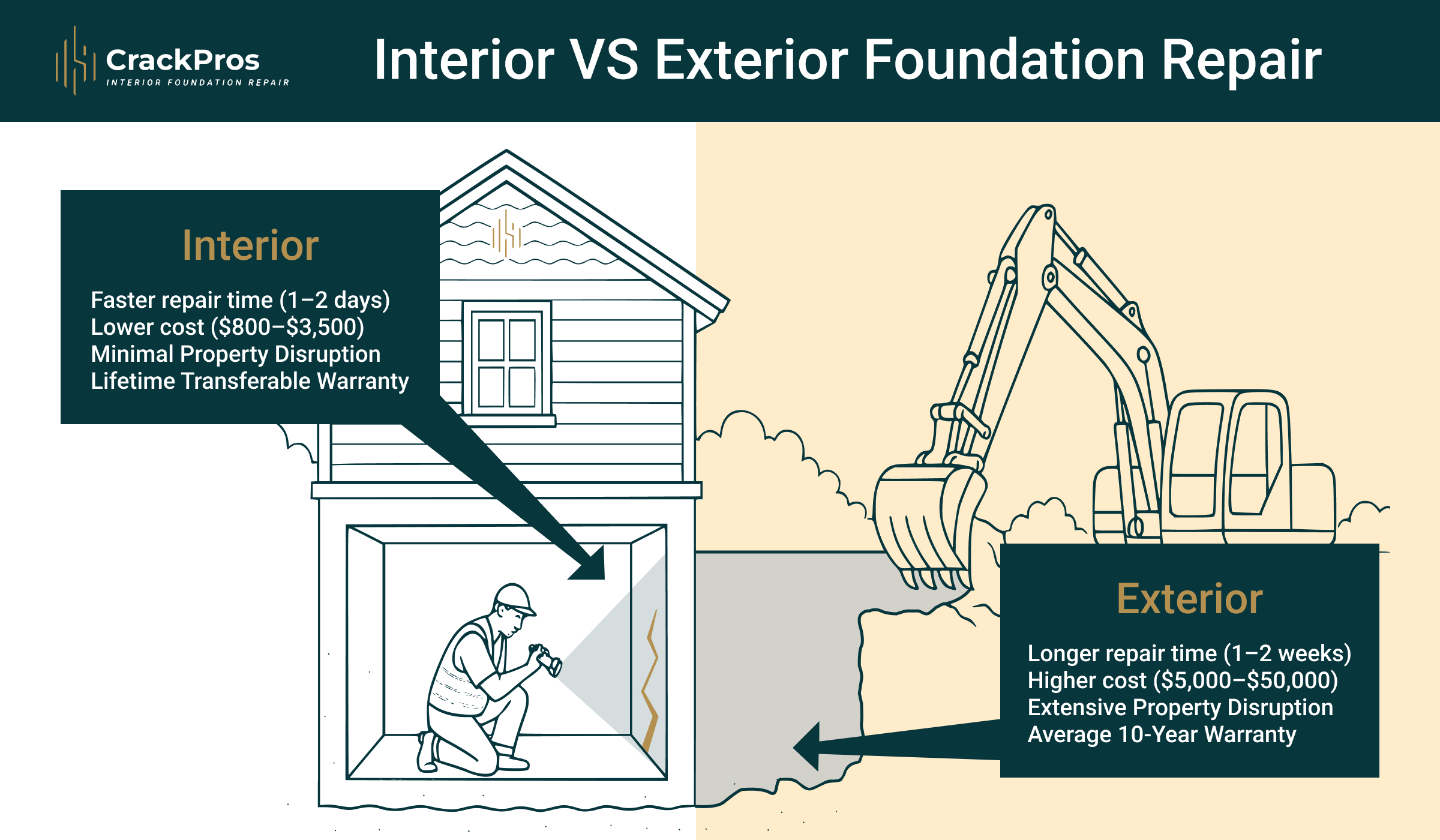
For most residential projects using helical piers or polyurethane injection, the work is completed within 3 to 5 days. Unlike traditional concrete underpinning, these modern methods do not require long curing times, allowing for immediate stabilization and minimal disruption to the household.
Will foundation repair damage my landscaping?
Modern foundation repair is designed to be "low impact." For helical piers, small sections of landscaping may need to be removed near the footer, but large excavators are rarely used. Polyurethane injection requires only tiny holes, making it virtually invisible once the project is finished.
Can I sell my Naples home if it has had foundation repairs?
Yes, provided the repairs were permitted and signed off by a structural engineer. In fact, a foundation that has been stabilized with a lifetime transferable warranty can often be a selling point in the 2026 Naples market, as it removes the "soil uncertainty" for the new buyer.
What is the difference between settlement and a sinkhole?
Settlement is the downward movement of a structure due to soil compression or erosion. A sinkhole is a specific geological event where the limestone bedrock collapses. In Naples, most issues are related to settlement and "piping" (soil erosion) rather than catastrophic sinkhole collapses.
Professional Recommendation
If you suspect your Naples property is experiencing structural movement, the first step is not to call a repair contractor, but to hire an independent structural engineer. An engineer provides an unbiased assessment and a "scope of work" that you can then use to collect comparable bids from contractors. In the 2026 real estate environment, having a sealed engineering report is the only way to guarantee that your foundation repair is both technically sound and legally compliant with Florida's rigorous building standards.
Image Gallery