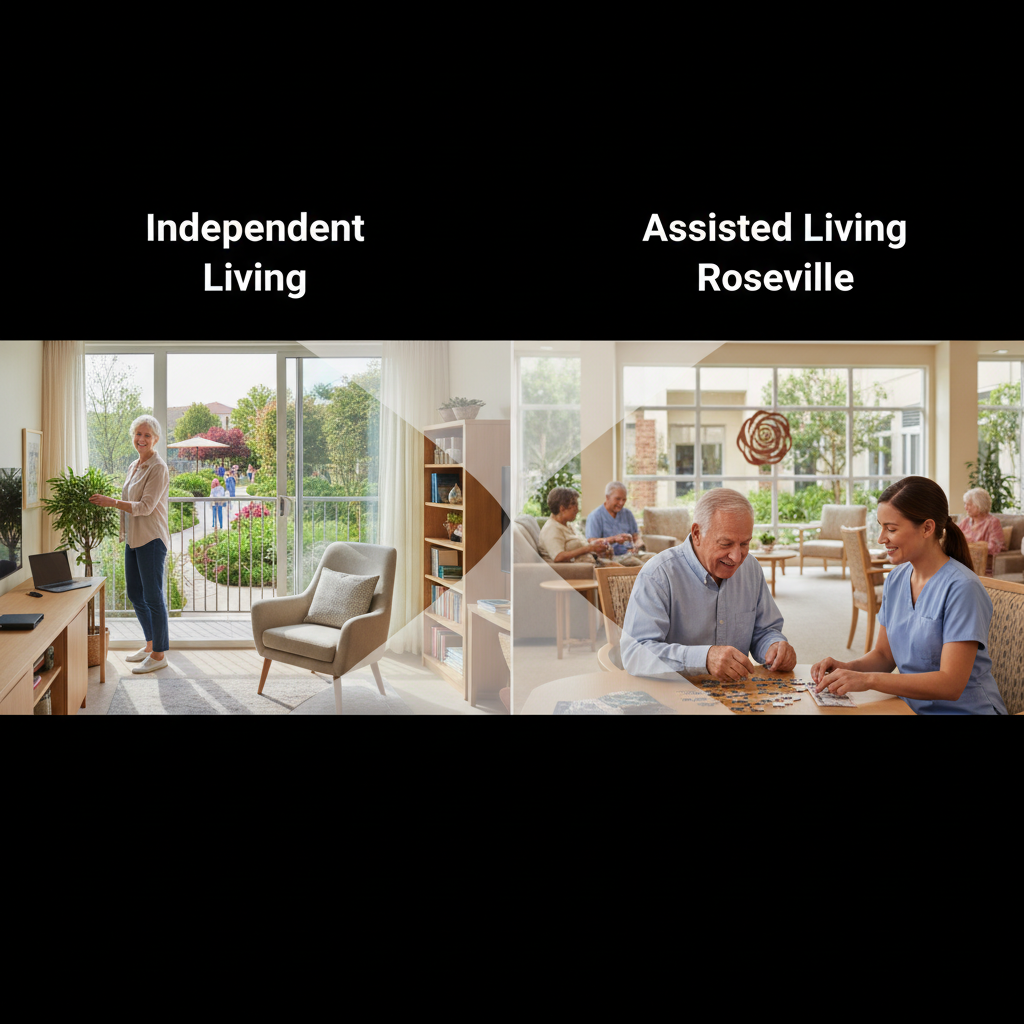
Understanding Independent Living Senior Care: A Comprehensive Guide for 2026
Independent living senior care refers to residential communities designed specifically for older adults who can manage their daily activities without professional assistance but seek a maintenance-free lifestyle. These environments pri...
Independent living senior care refers to residential communities designed specifically for older adults who can manage their daily activities without professional assistance but seek a maintenance-free lifestyle. These environments prioritize socialization, safety, and convenience, offering private accommodations alongside communal amenities such as dining, fitness centers, and organized recreational programming.
Contents
Choosing a senior living path is a significant milestone that involves balancing personal autonomy with the practicalities of aging. As we navigate 2026, the landscape of independent living has evolved to integrate sophisticated health-monitoring technologies and wellness-focused architecture, making it distinct from the clinical settings of the past. This guide explores the nuances of independent living, helping seniors and their families determine if this model aligns with their financial, social, and physical needs.
Defining Independent Living: What Sets It Apart?
Independent living is often used as an umbrella term, but it represents a specific tier in the continuum of care. Unlike assisted living or skilled nursing facilities, independent living does not provide medical care or assistance with Activities of Daily Living (ADLs), such as bathing, dressing, or medication management. Instead, it serves as a lifestyle choice for seniors who are "active" but wish to offload the burdens of homeownership.
In a typical 2026 community, residents live in private apartments, cottages, or townhomes. The primary value proposition is the "hospitality model." This includes services like professional landscaping, interior maintenance, housekeeping, and linen services. By removing these chores, residents can dedicate their time to lifelong learning, fitness, and social engagement.
The Spectrum of Independent Living Models
There are several variations of independent living, and understanding the differences is crucial for long-term planning:
- Senior Apartments: These are age-restricted (usually 55+ or 62+) market-rate rentals. They offer basic amenities like fitness centers but may not provide communal dining or transportation.
- Retirement Communities: These are more robust, offering a full suite of services including meal plans, scheduled outings, and 24-hour security.
- Continuing Care Retirement Communities (CCRCs): Also known as Life Plan Communities, these offer a tiered approach. Residents start in independent living but have guaranteed access to assisted living or nursing care on the same campus if their health declines.
- Co-housing: A more recent trend where seniors live in a cluster of private homes around a common house, sharing responsibilities and social activities in a self-governed environment.
Core Services and Amenities in 2026 Communities
The modern independent living facility functions more like a luxury resort than a traditional "retirement home." With the aging of the Baby Boomer generation, the demand for high-end amenities has pushed the industry toward greater specialization.
Nutrition and Dining
In 2026, the "cafeteria" style of the past has been replaced by diverse culinary options. Most communities now offer multiple dining venues, ranging from casual bistros and coffee shops to formal dining rooms with farm-to-table menus. Many facilities employ executive chefs and nutritionists to ensure that meals are not only palatable but also tailored to cardiac, diabetic, or anti-inflammatory diets.
Technology Integration
A hallmark of current independent living is the integration of "invisible" technology. This includes high-speed fiber-optic internet in every unit and smart-home features like voice-activated lighting and climate control. Many communities now use wearable devices that act as both an emergency pendant and a keyless entry system, providing a layer of safety without stigmatizing the resident.
Wellness and Social Programming
Engagement is the antidote to the social isolation often experienced by seniors living alone in traditional residential neighborhoods. Communities curate robust calendars that include:
- Educational Seminars: Partnerships with local universities for "audit" programs.
- Physical Fitness: On-site gyms, salt-water pools, and classes in yoga, Tai Chi, and aquatic aerobics.
- Creative Arts: Fully equipped studios for painting, woodworking, and digital media.
- Intergenerational Programs: Scheduled interactions with local schools or youth organizations to foster community ties.
Assessing the Need: Is Independent Living the Right Choice?
Determining the right time to transition to independent living is a highly personal decision. It often involves a proactive shift rather than a reactive one triggered by a medical crisis.
Signs It May Be Time to Transition
If a senior or their family notices the following trends, it may be time to evaluate community options:
- Maintenance Fatigue: The physical or financial strain of maintaining a yard, roof, and appliances becomes overwhelming.
- Social Isolation: The senior spends most of their time alone, or their social circle has diminished due to friends moving or passing away.
- Nutritional Decline: Preparing balanced meals is becoming difficult, leading to a reliance on processed foods or skipping meals.
- Safety Concerns: A large, multi-level home with stairs and high-threshold tubs poses a significant fall risk.
- Transportation Limitations: Difficulty driving at night or in heavy traffic limits the ability to attend doctor appointments or social events.
Physical vs. Cognitive Readiness
Independent living requires a baseline level of physical and cognitive health. Most communities require a functional assessment before move-in. If an individual requires daily help with mobility or suffers from significant memory impairment that causes wandering or safety risks, assisted living or memory care is likely a more appropriate and safer environment.
Financial Considerations and Cost Structures
The cost of independent living varies significantly based on geography, the size of the unit, and the specific contract model. Generally, the price reflects the combined cost of housing, utilities, services, and amenities.
Understanding the Pricing Models
Most communities operate on either a rental model or an entry-fee model. The rental model is more common in standalone independent living facilities, while the entry-fee model is the standard for CCRCs.
| Model Type | Entry Fee Range | Monthly Fee Range | Equity/Refundability |
|---|---|---|---|
| Rental Model | $0 - $5,000 (Community Fee) | $3,000 - $7,500 | None; month-to-month or annual lease. |
| Type A (LifeCare) | $100,000 - $600,000+ | $3,500 - $6,000 | Often 50-90% refundable to heirs. Covers future care. |
| Type B (Modified) | $80,000 - $400,000 | $2,500 - $5,000 | Partial refundability. Future care at a discount. |
| Type C (Fee-for-Service) | $50,000 - $250,000 | $2,000 - $4,500 | Lowest entry fees. Future care at full market rates. |
How to Fund Independent Living
Since independent living is considered a "lifestyle" choice and not "medical care," it is rarely covered by Medicare or standard health insurance. Families typically fund these costs through:
- Home Equity: Selling a long-term primary residence is the most common funding source.
- Private Income: Social Security, pensions, and RMDs (Required Minimum Distributions) from retirement accounts.
- Long-Term Care Insurance: While it primarily covers assisted living or nursing home care, some older policies may have "independent living" riders, though these are rare.
- VA Benefits: The Aid and Attendance benefit can sometimes be applied if the resident meets specific clinical and service-related criteria.
The Selection Process: How to Evaluate a Community
Choosing a community requires more than a cursory tour. It is a multi-step process of verification and "vibe-checking."
The Site Visit Checklist
When visiting potential communities, look beyond the lobby's decor. Pay attention to the following details:
- Staff Interaction: Are the staff members greeting residents by name? Does the turnover rate appear high? (Ask for the staff retention statistics).
- Resident Engagement: Do the residents look active and happy, or are they sitting in common areas with little interaction?
- Cleanliness and Maintenance: Check the corners, the smell of the hallways, and the condition of the outdoor spaces.
- Dining Quality: Always ask to eat a meal in the dining room. Check for variety, freshness, and the ability to accommodate dietary restrictions.
Financial and Legal Due Diligence
Before signing a contract, it is imperative to review the provider's financial health.
- Audited Financial Statements: For entry-fee communities, ask to see their audited financial statements and actuarial reports. You want to ensure the community has the reserves to meet future care obligations.
- The Residency Agreement: This is a legal contract. It should clearly define what is included in the monthly fee and what costs extra (e.g., guest meals, extra transportation, beauty salon services).
- Transfer of Care Policies: Understand the specific criteria that would require a resident to move from independent living to a higher level of care. Who makes that decision—the facility, the doctor, or the family?
Challenges and Transitions: Moving In
The transition to independent living is often as much an emotional journey as a physical one. Downsizing from a four-bedroom family home to a one- or two-bedroom apartment can be daunting.
The Downsizing Process
Start the downsizing process at least six months before a planned move. Focus on "right-sizing" rather than just "getting rid of things." Professional senior move managers can be invaluable during this stage; they specialize in floor planning for the new space and helping seniors decide which heirlooms to keep, sell, or donate.
The First 90 Days
Adjustment takes time. Most communities have "ambassador" programs where established residents mentor newcomers. It is recommended that new residents attend at least one social event and one communal meal per day during the first month to establish a routine and build a social network.
Frequently Asked Questions
Does Medicare pay for independent living?
No, Medicare does not cover independent living. Medicare is designed to cover acute medical care, such as hospital stays, doctor visits, and short-term rehabilitation in a skilled nursing facility. Because independent living is categorized as residential housing rather than medical care, the costs are almost entirely out-of-pocket for the resident.
Can I bring my pet to an independent living community?
Most modern independent living communities are pet-friendly, recognizing the significant mental health benefits of animal companionship. However, there are usually restrictions regarding the size, breed, and number of pets. Some communities may also require a non-refundable pet fee or a monthly "pet rent" to cover the wear and tear on communal spaces.
What happens if my health changes after I move in?
The outcome depends on the type of community. In a CCRC, you can transition to an assisted living or memory care wing on the same campus, often with a predictable cost structure. In a standalone independent living community, you may be required to hire private-duty home health aides to stay in your apartment, or you may eventually need to move to a different facility that offers higher levels of care.
Is there a minimum age for independent living?
Yes, most independent living communities have a minimum age requirement, typically 55 or 62. This is in compliance with the Housing for Older Persons Act (HOPA), which allows certain communities to legally exclude younger residents to maintain their status as senior housing. In the case of couples, often only one spouse needs to meet the age requirement.
Are the apartments furnished?
Generally, no. Independent living units are provided unfurnished so that residents can bring their own furniture, artwork, and personal belongings to make the space feel like home. The community provides the appliances (fridge, stove, microwave, dishwasher) and window treatments, but the rest of the decor is up to the resident.
Next Steps for Families
If you are considering independent living, the first step is to conduct a candid financial assessment. Determine the monthly budget based on the sale of a current home and existing income streams. Once the budget is established, schedule tours of at least three different communities to compare "culture" and amenities.
For additional resources and to verify the licensing status of facilities in your area, consult the Official U.S. Government Site for Medicare and LeadingAge, which represents non-profit providers of aging services.
Image Gallery