Understanding How Deadly Poisons Affect the Human Body
Deadly poisons disrupt critical physiological processes by interfering with cellular respiration, neurological signaling, or organ system integrity. These substances, which can be biological, chemical, or synthetic, enter the body thro...
Deadly poisons disrupt critical physiological processes by interfering with cellular respiration, neurological signaling, or organ system integrity. These substances, which can be biological, chemical, or synthetic, enter the body through ingestion, inhalation, absorption, or injection, ultimately overwhelming the body's homeostatic mechanisms and causing systemic failure or death.
Contents
The Mechanisms of Toxicity: How Poisons Disrupt Biological Systems
To understand how poisons affect the human body, one must first recognize that toxicity is often a matter of dose and target specificity. A substance becomes a "deadly poison" when it disrupts a vital biological pathway that the human body cannot bypass or repair in time. Most lethal agents function by hijacking or inhibiting specific proteins, enzymes, or ion channels.
At the cellular level, many potent toxins act as metabolic poisons. For instance, substances like cyanide inhibit cytochrome c oxidase, an enzyme essential for the electron transport chain within mitochondria. By blocking this final stage of cellular respiration, the poison prevents cells from utilizing oxygen to produce adenosine triphosphate (ATP), the primary energy carrier. Even if a person is breathing oxygen, their cells essentially "suffocate" at a microscopic level. This rapid energy depletion leads to the failure of energy-dependent organs, most notably the heart and the brain.
Other poisons function as neurotoxins, which target the nervous system by disrupting the communication between neurons. Some, like botulinum toxin, prevent the release of acetylcholine, a neurotransmitter required for muscle contraction. This results in flaccid paralysis, where the muscles involved in breathing cease to function. Conversely, excitotoxins can cause an overstimulation of neurons, leading to seizures and eventual neuronal death. The severity of the effect depends on the target site’s sensitivity and the speed at which the toxin binds to its receptor.
Primary Routes of Exposure
The pharmacokinetics of a poison—how it is absorbed, distributed, metabolized, and excreted—are heavily dictated by its route of entry. The speed and severity of a poisoning event often correlate with how quickly the agent enters the bloodstream.
- Ingestion: The most common route, where the poison is absorbed through the gastrointestinal tract. The liver serves as the first line of defense, attempting to detoxify the substance through metabolism. If the dosage exceeds the liver’s capacity, the systemic circulation carries the toxin to other organs.
- Inhalation: This route allows for rapid absorption into the blood via the large surface area of the alveoli in the lungs. Gaseous or aerosolized poisons, such as carbon monoxide or nerve agents, reach the brain and heart almost instantaneously.
- Dermal Absorption: Certain chemicals, particularly fat-soluble compounds or potent pesticides, can penetrate the skin barrier. This process is often slower than ingestion or inhalation, but it can be insidious because it may not be immediately detected.
- Injection/Intravenous: This provides the most direct path to the circulatory system. Venous, arterial, or intramuscular administration bypasses initial physiological barriers, leading to a near-immediate onset of symptoms.
Classification of Toxic Effects
Toxicologists classify the effects of poisons based on the duration of exposure and the nature of the damage. Understanding these categories is essential for identifying the necessary clinical interventions.
| Classification | Primary Mechanism | Clinical Example |
|---|---|---|
| Metabolic Inhibitors | Interruption of ATP production and cellular respiration. | Cyanide, Fluoroacetate |
| Neurotoxins | Interference with signal transduction in the CNS or peripheral nerves. | Botulinum toxin, Tetrodotoxin |
| Corrosives | Chemical destruction of tissues upon direct contact. | Concentrated acids, Alkalis |
| Systemic Organ Failure | Targeted damage to kidneys, liver, or circulatory systems. | Ricin, Heavy metals |
The Role of Metabolism and Elimination
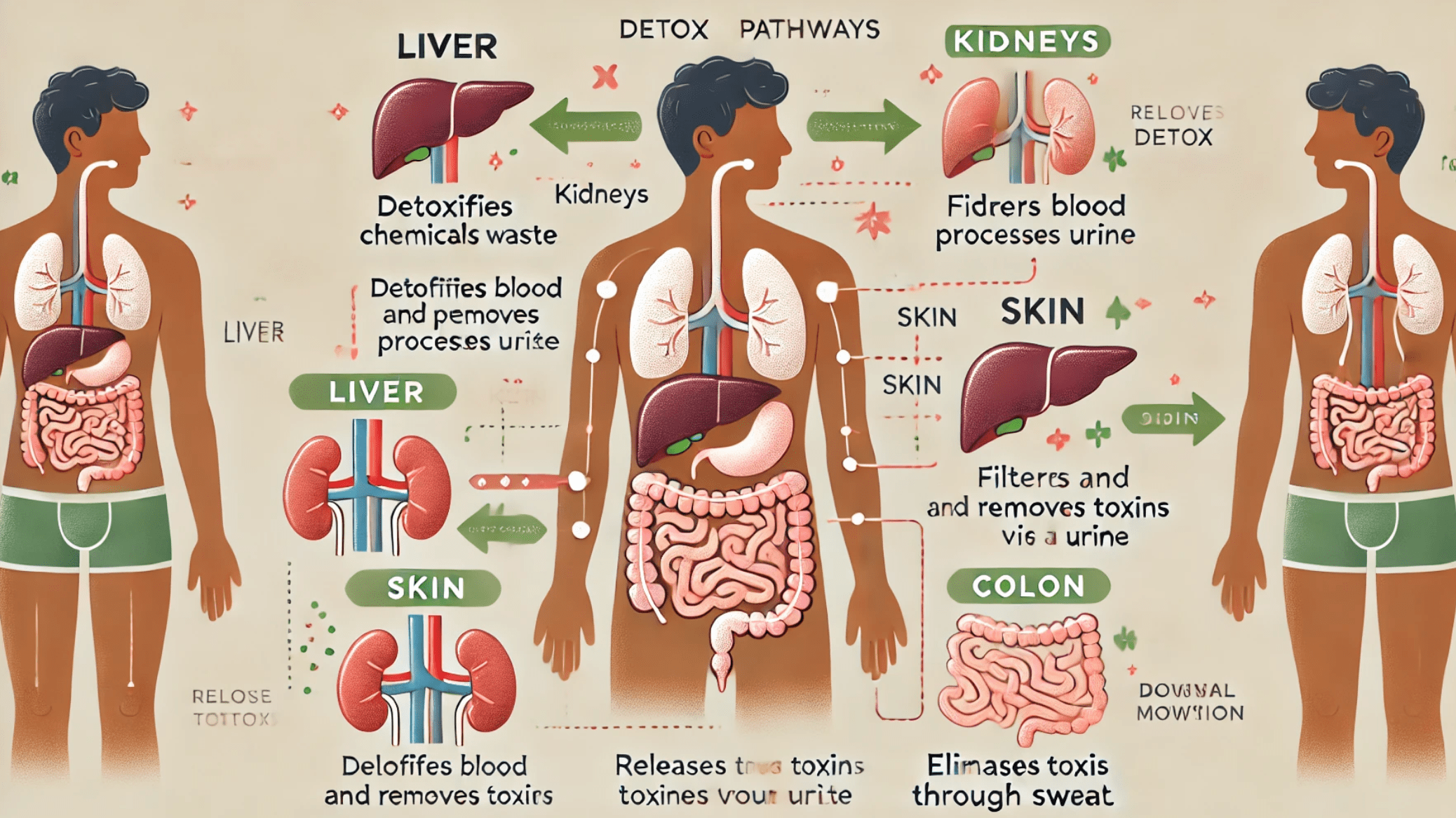
The human body is remarkably resilient, possessing sophisticated systems designed to neutralize foreign substances. The liver acts as the primary organ for biotransformation. Through Phase I and Phase II reactions—mediated largely by the cytochrome P450 enzyme system—the liver attempts to convert lipophilic (fat-soluble) toxins into hydrophilic (water-soluble) metabolites that can be excreted by the kidneys through urine or via bile into the feces.
A poison becomes particularly lethal if it circumvents these processes. Some toxins are "pro-toxins," meaning they are relatively harmless until the liver attempts to metabolize them, inadvertently converting them into highly reactive, damaging compounds. In other cases, the toxin binds so tightly to tissue receptors that the body cannot clear it faster than the damage occurs.
Clinical Management and Emergency Response
Medical management of suspected poisoning focuses on three pillars: stabilization, identification, and elimination. Because medical treatments vary wildly depending on the specific agent, clinical toxicology relies on identifying the substance before proceeding with antidotes.
- Stabilization: Priority is given to maintaining the "ABC" framework: Airway, Breathing, and Circulation. Supportive care, such as oxygen therapy or mechanical ventilation, is essential while the toxin is processed.
- Decontamination: For ingested poisons, healthcare providers may use activated charcoal to bind toxins in the stomach before they are absorbed into the bloodstream. For dermal exposure, irrigation with copious amounts of water is the standard protocol.
- Antidotal Therapy: Antidotes function in several ways: by acting as chemical antagonists (e.g., atropine for certain pesticides), by chelating agents to bind heavy metals, or by providing a substrate that the body can use to bypass the blocked pathway.
- Enhanced Elimination: In severe cases, procedures such as hemodialysis may be used to mechanically filter the blood and accelerate the removal of the toxin from the body.
Note: If you suspect a poisoning event, immediately contact emergency services or a local poison control center. Never attempt home remedies without professional medical guidance, as these can often exacerbate the toxicity or complicate the absorption of the agent.
Frequently Asked Questions
How does a poison know which organ to attack? Poisons do not "know" which organ to attack; rather, they are chemically structured to bind to specific receptors or enzymes found in high concentrations in certain tissues. For example, a neurotoxin binds to nerve endings because the toxin's molecular shape mimics the neurotransmitters that those specific nerves are designed to receive.
Are all poisons equally dangerous? No. Toxicity is measured by the LD50, which is the lethal dose required to kill 50% of a test population. A substance with a low LD50 is highly toxic, meaning only a tiny amount is required to cause death, whereas a substance with a high LD50 is significantly less dangerous.
Can the body develop an immunity to poison? The body can develop tolerance to certain substances through repeated, sub-lethal exposures—often by increasing the production of enzymes that break down the toxin. However, true "immunity" to deadly poisons is biologically impossible; even in tolerant individuals, there remains a threshold at which the physiological system will collapse.
What is the difference between a toxin and a poison? While often used interchangeably, in technical terms, a toxin is a poisonous substance produced by a living organism (like the venom of a snake or the ricin from a castor bean). A poison is a broader term encompassing any substance, whether biological, synthetic, or chemical, that causes injury or death.
Does every poison have an antidote? No. Many deadly poisons, such as certain complex biological proteins or specific synthetic chemicals, do not have a known antidote. In these cases, medical care is strictly supportive, focusing on keeping the patient alive long enough for their natural biological processes to eliminate the toxin.
Next Steps and Professional Guidance
If you are concerned about toxicological safety in your environment—whether regarding household chemicals, environmental hazards, or industrial substances—the most effective action is prevention. Review the Safety Data Sheets (SDS) for any chemical agents in your vicinity, ensure proper ventilation, and utilize appropriate personal protective equipment (PPE). For specific inquiries regarding chemical exposure, always consult the official guidelines provided by your national public health authority or a certified toxicologist.
Image Gallery