Master the Timing: The Complete Guide to Boneless Pork Roast Cooking Times
For a standard boneless pork loin roast, the cooking time is typically 20 to 30 minutes per pound in a 325°F (163°C) oven until it reaches an internal temperature of 145°F. Heavier, fat-rich boneless shoulder roasts require significant...
For a standard boneless pork loin roast, the cooking time is typically 20 to 30 minutes per pound in a 325°F (163°C) oven until it reaches an internal temperature of 145°F. Heavier, fat-rich boneless shoulder roasts require significantly longer—approximately 45 to 60 minutes per pound—to properly break down connective tissues.
Contents
Determining the exact boneless pork roast cooking time is a nuanced task that depends heavily on the specific cut of meat, the oven temperature, and the desired final texture. While weight is a helpful guideline, modern culinary standards in 2026 emphasize internal temperature as the only definitive measure of doneness and safety. This guide breaks down the timing for the two most common boneless roasts—the lean loin and the marbled shoulder—while providing the technical framework needed to achieve succulent results every time.
Understanding Your Cut: Loin vs. Shoulder
To accurately estimate cooking time, you must first identify the cut. "Boneless pork roast" is a generic term that usually refers to one of two very different muscles.
The Boneless Pork Loin Roast
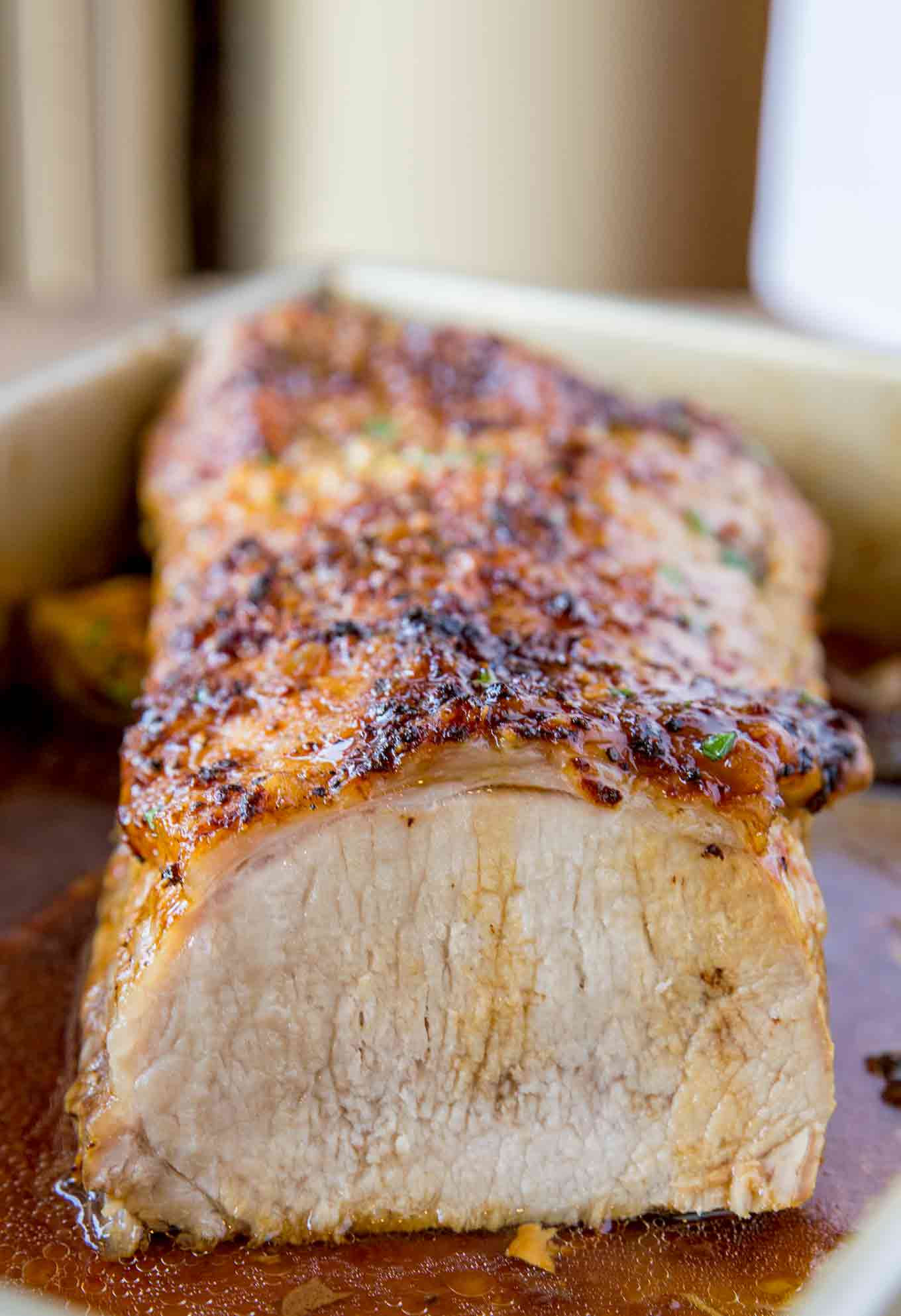
The boneless pork loin is a large, lean muscle that runs along the pig's back. It is often sold with a thin layer of fat on top (the fat cap). Because it is lean, it is prone to drying out if overcooked. In 2026, culinary professionals treat this cut like a large steak; it is best cooked quickly at moderate temperatures to a medium-rare or medium finish.
The Boneless Pork Shoulder (Boston Butt)
The boneless shoulder, often labeled as a Boston Butt or Picnic Roast, is a hardworking muscle containing significant amounts of fat and collagen. Unlike the loin, the shoulder becomes tougher if cooked quickly. It requires a "low and slow" approach to allow the collagen to melt into gelatin, which provides the characteristic succulent texture of pulled or sliced pork roast.
Essential Variables Affecting Cooking Duration
Several factors beyond simple weight will influence how long your roast stays in the oven.
- Oven Calibration: Not all ovens are accurate. A 25-degree variance can add or subtract 15 to 20 minutes from your total cooking time. Using an independent oven thermometer is recommended to verify your appliance's settings.
- Starting Temperature: Taking the roast directly from a 38°F refrigerator and placing it in the oven will increase the cooking time by roughly 10–15% compared to a roast that has sat at room temperature for 30 to 60 minutes.
- Roast Shape and Density: A long, thin loin roast will cook faster than a thick, cylindrical one of the same weight. If the roast is tied with twine or encased in netting, it will cook more evenly, but the increased density may slightly extend the time required for the center to reach the target temperature.
- Convection Settings: If you use a convection (fan-forced) oven, the cooking time will generally decrease by about 25%. You should also lower the suggested temperature by 25°F to prevent the exterior from burning before the interior is done.
Comprehensive Boneless Pork Roast Cooking Time Chart
The following table provides estimated times based on a standard oven temperature of 325°F (163°C). Always use a digital meat thermometer to verify doneness.
| Cut Type | Weight (lbs) | Oven Temp | Approx. Time per Pound | Total Estimated Time | Target Internal Temp |
|---|---|---|---|---|---|
| Boneless Loin | 2–3 lbs | 325°F | 25–30 mins | 50–90 mins | 145°F (63°C) |
| Boneless Loin | 4–5 lbs | 325°F | 20–25 mins | 80–120 mins | 145°F (63°C) |
| Boneless Shoulder | 3–4 lbs | 325°F | 45–50 mins | 2.5–3.5 hours | 180°F–195°F* |
| Boneless Shoulder | 5–7 lbs | 325°F | 40–45 mins | 3.5–5 hours | 190°F–205°F** |
| Boneless Shoulder | 3–5 lbs | 250°F | 60–80 mins | 5–7 hours | 200°F–205°F** |
*Temperature for slicing. **Temperature for pulling/shredding.
Detailed Timing for Boneless Pork Loin
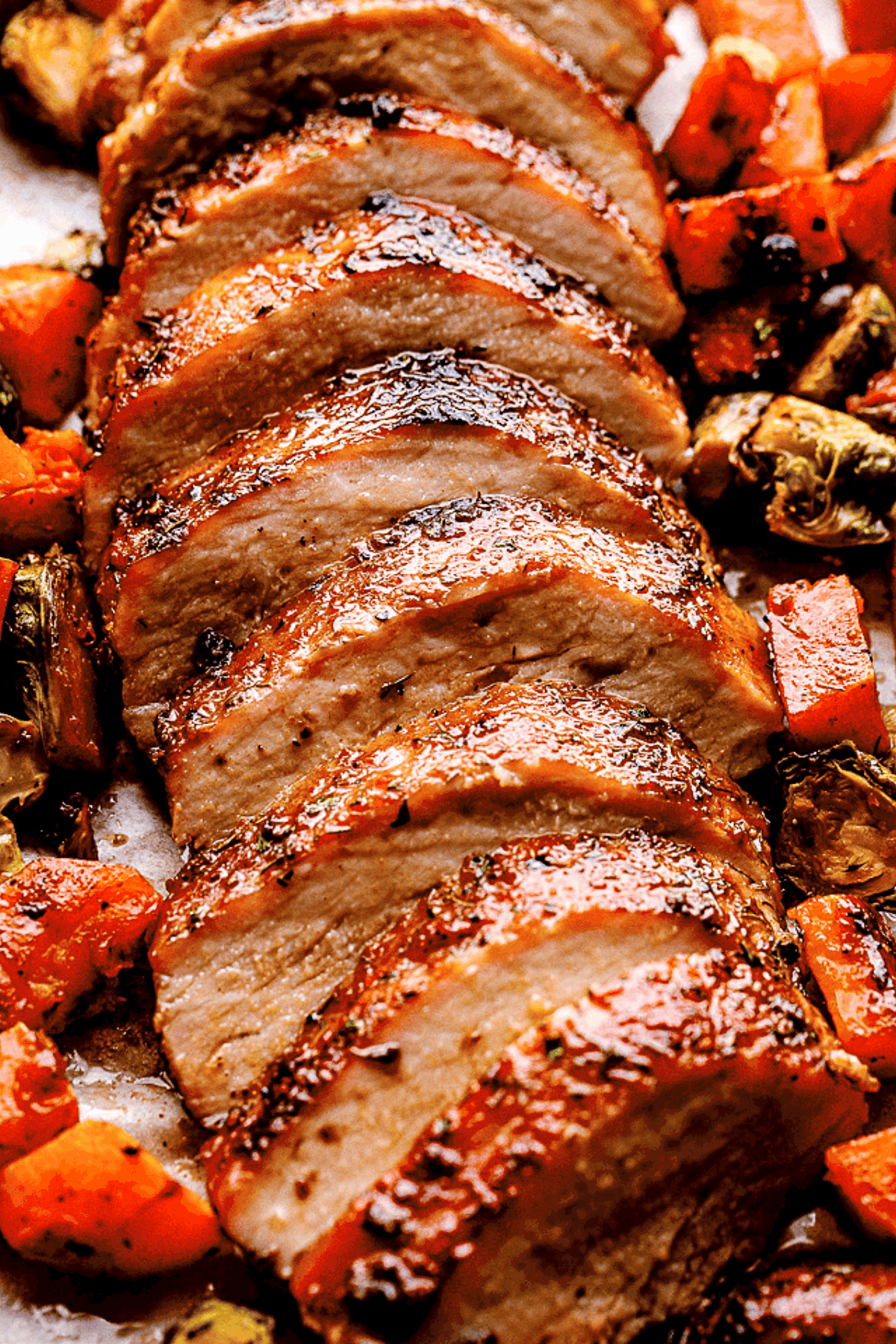
When roasting a boneless loin, the goal is a golden-brown exterior and a juicy, slightly pink interior.
- Preparation: Season the roast and allow it to sit at room temperature for at least 30 minutes.
- Searing (Optional but Recommended): For maximum flavor, sear the roast in a hot pan for 3–4 minutes per side before putting it in the oven. This does not significantly change the total cooking time but improves the Maillard reaction (browning).
- The Roasting Process: Place the loin in a roasting pan, fat-side up. This allows the fat to render and baste the meat naturally.
- Monitoring: Start checking the internal temperature about 15 minutes before the minimum estimated time. Because the loin is lean, the temperature can rise rapidly in the final stages of cooking.
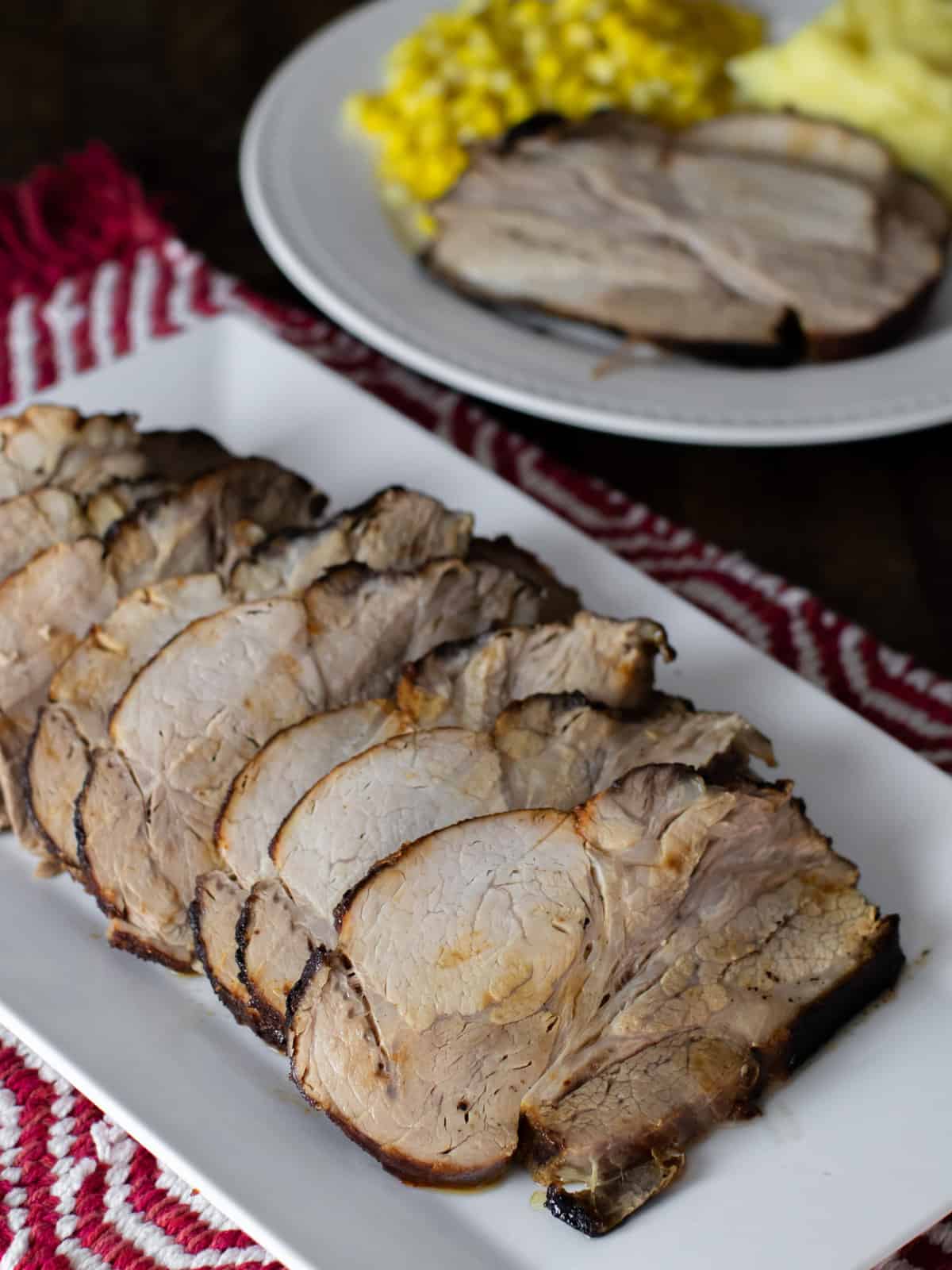
According to USDA safety guidelines, pork is safe to eat at 145°F (63°C) followed by a three-minute rest. Cooking a loin roast to 160°F (71°C) or higher will result in a dry, chalky texture.
Detailed Timing for Boneless Pork Shoulder
The boneless shoulder is much more forgiving of overcooking but very sensitive to undercooking. If you pull a shoulder roast out at 145°F, it will be tough and difficult to chew.
- The Breakdown Phase: Between 160°F and 180°F, the connective tissues in the shoulder begin to dissolve. This process takes time, which is why the "time per pound" is nearly double that of the loin.
- The Stall: When roasting at lower temperatures (like 250°F), you may encounter "the stall," where the internal temperature stops rising for an hour or more. This is caused by evaporative cooling. Do not increase the oven heat; simply wait it out or wrap the roast in foil (the "Texas Crutch") to speed up the process.
- Final Texture: For sliced pork, aim for an internal temperature of 185°F. For pulled pork, you must reach at least 200°F to 205°F. At this point, the meat will offer no resistance when probed with a thermometer.
The Critical Importance of Resting
The cooking time is not the final step. Resting the meat is a critical component of the process that impacts the final quality. When meat cooks, the muscle fibers contract and push moisture toward the center. If you slice the roast immediately after removing it from the heat, those juices will spill out onto the cutting board, leaving the meat dry.
- Loin Roasts: Rest for 10–15 minutes loosely covered with foil.
- Shoulder Roasts: Rest for 30–60 minutes. Because shoulders are much larger and denser, they retain heat longer. A long rest allows the rendered gelatin to thicken slightly, resulting in a much moister mouthfeel.
Troubleshooting and Common Mistakes
The Roast is Taking Too Long
If your roast is significantly behind schedule, check the oven temperature with an external probe. If the oven is correct, ensure you aren't opening the door too frequently. Every time the oven door opens, the ambient temperature can drop by 25–50 degrees, adding minutes to the cooking time.
The Exterior is Burning
If the outside is getting too dark but the center is still cold, cover the roast loosely with aluminum foil. This reflects some of the radiant heat while allowing the ambient heat to continue cooking the center. This is common with roasts that have sugary rubs or marinades applied.
The Meat is Tough
If a loin roast is tough, it is almost certainly overcooked. If a shoulder roast is tough, it is likely undercooked. Remember that shoulder roasts require the internal temperature to reach high levels to melt the collagen. If it doesn't "shred" with a fork, put it back in.
Frequently Asked Questions
Can I cook a boneless pork roast from frozen?
Yes, but it is not recommended for the best quality. Cooking from frozen will increase the cooking time by approximately 50%. For example, a roast that normally takes 60 minutes will take roughly 90 minutes. You must also ensure the roast does not spend too long in the "danger zone" (40°F–140°F), where bacteria multiply rapidly.
Does a larger roast take longer per pound?
Actually, larger roasts often take slightly less time per pound than smaller ones. A 2-lb roast might take 30 minutes per pound (60 mins total), while a 6-lb roast might take only 20 minutes per pound (120 mins total). This is because the total mass retains heat more effectively once the exterior is heated.
Should I cook the roast covered or uncovered?
Roast pork uncovered to achieve a browned, flavorful crust. Covering a roast with a lid or foil traps steam, which effectively "braises" the meat. While braising is excellent for shoulder cuts, it prevents the loin from developing a roasted flavor profile.
Is pink pork safe to eat in 2026?
Yes. Modern pork production has virtually eliminated the risk of trichinosis in commercial pork. As long as the meat has reached the USDA-recommended 145°F and rested for three minutes, a blush of pink in the center of a loin roast is a sign of a perfectly cooked, juicy meal.
Practical Recommendation for Best Results
For the most consistent results, ignore the clock and invest in a leave-in digital meat thermometer. Set the alert for 140°F for a loin roast (allowing for 5 degrees of carryover cooking during the rest) or 200°F for a shoulder roast. By focusing on temperature rather than time, you account for all the variables of oven accuracy, meat shape, and starting temperature, ensuring a perfect roast every time.
Image Gallery