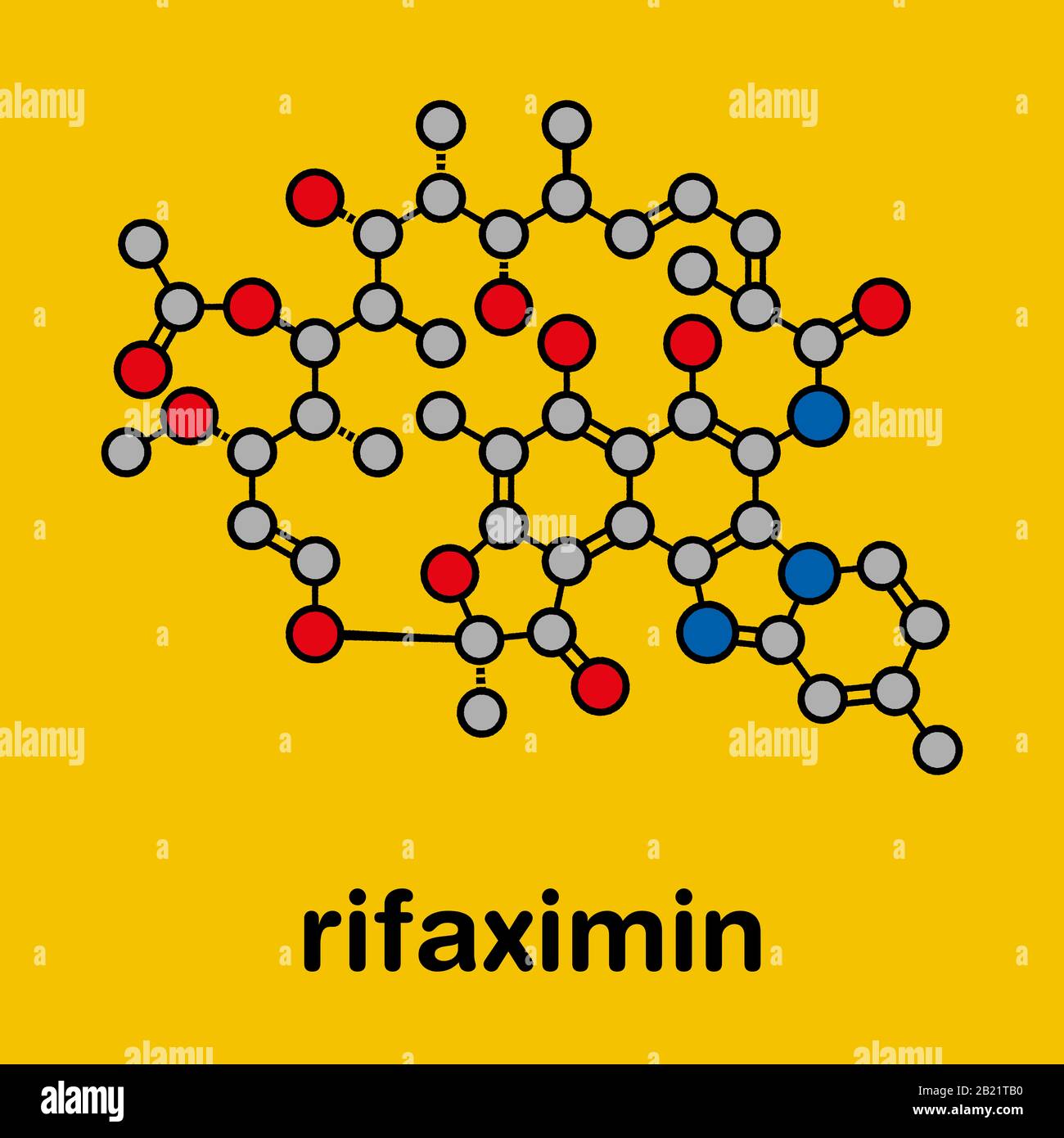
Comprehensive Guide to Rifaximin Drugs: Uses, Dosage, and Treatment Benefits in 2026
Rifaximin is a specialized, non-absorbable antibiotic primarily used to treat gastrointestinal conditions such as Irritable Bowel Syndrome with diarrhea (IBS-D), hepatic encephalopathy, and traveler’s diarrhea. Unlike systemic antibiot...
Rifaximin is a specialized, non-absorbable antibiotic primarily used to treat gastrointestinal conditions such as Irritable Bowel Syndrome with diarrhea (IBS-D), hepatic encephalopathy, and traveler’s diarrhea. Unlike systemic antibiotics, it remains concentrated in the gut, targeting local bacteria with minimal absorption into the bloodstream, which significantly reduces the risk of body-wide side effects.
Contents
Rifaximin represents a unique class of pharmaceutical intervention known as rifamycins. Since its initial approval, it has become a cornerstone in gastroenterology due to its high efficacy and favorable safety profile. As of 2026, it remains one of the most frequently prescribed medications for chronic gut-brain axis disorders and specific bacterial overgrowths. Its ability to modulate the gut microbiome without causing the widespread destruction of beneficial bacteria seen with other antibiotics makes it a preferred choice for long-term management of complex GI issues.
The Mechanism of Action: Why Rifaximin is Unique
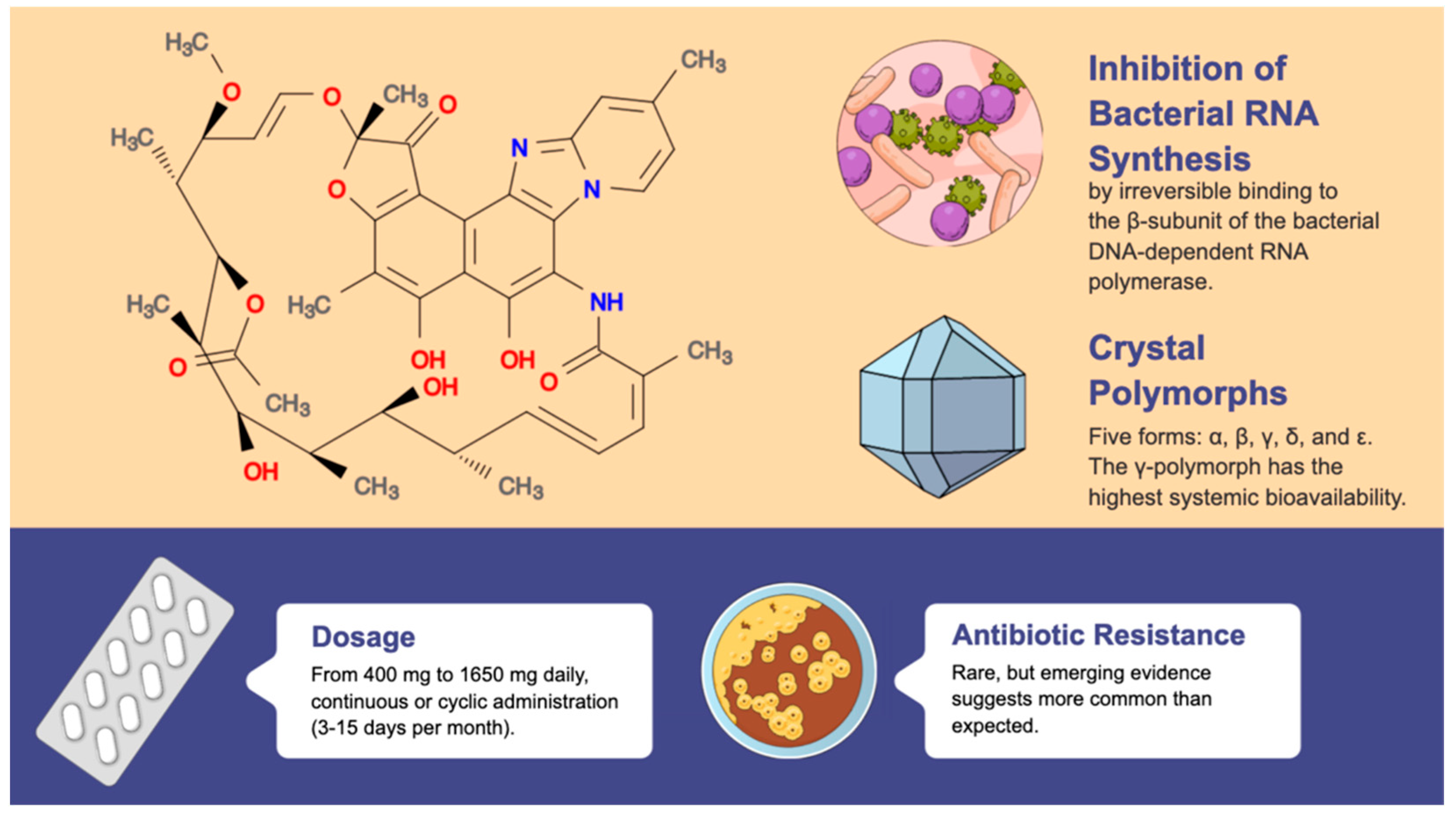
The primary distinguishing feature of rifaximin drugs is their "non-systemic" nature. While traditional antibiotics like amoxicillin or ciprofloxacin are absorbed into the blood to treat infections throughout the body, rifaximin is poorly absorbed—less than 0.4% of the oral dose enters the systemic circulation.
Rifaximin works by binding to the beta-subunit of bacterial DNA-dependent RNA polymerase. By doing so, it inhibits the transcription of bacterial RNA, effectively preventing the bacteria from producing necessary proteins and eventually leading to bacterial death. Because the drug remains in the lumen of the small intestine and colon, it achieves extremely high local concentrations. This localized action allows it to treat infections and dysbiosis (microbial imbalance) exactly where they occur without exposing the rest of the body’s organs to the drug.
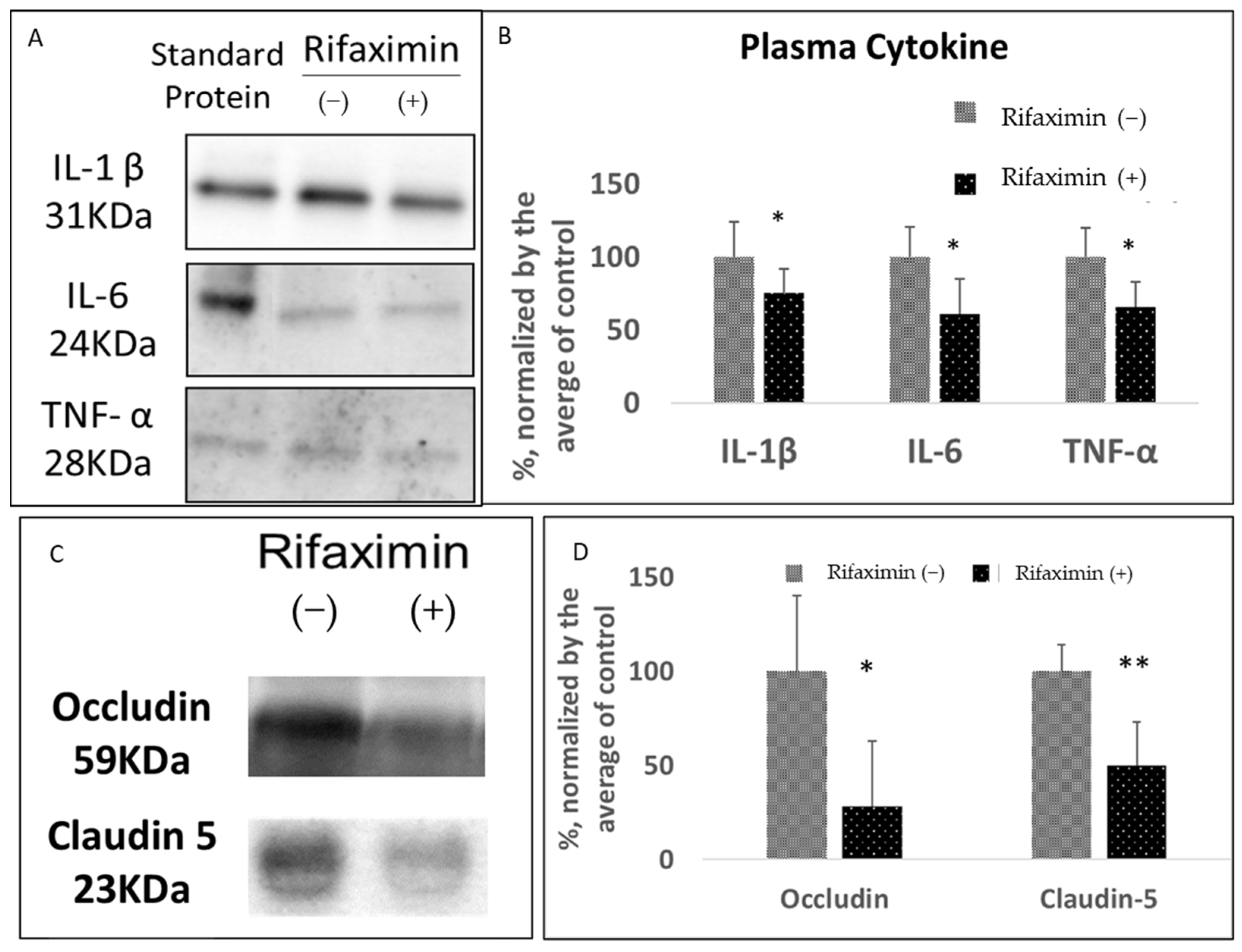
Furthermore, rifaximin possesses anti-inflammatory properties. Research has indicated that it may act as a ligand for the pregnane X receptor (PXR), which helps maintain the integrity of the intestinal mucosal barrier and downregulates pro-inflammatory cytokines. This dual action—antimicrobial and anti-inflammatory—explains its success in treating conditions like IBS-D where low-grade inflammation is often present.
Primary Medical Indications and FDA-Approved Uses
As we navigate the clinical landscape of 2026, rifaximin is utilized for several distinct conditions. While it is best known under the brand name Xifaxan, various international versions and emerging generics follow the same clinical protocols.
Irritable Bowel Syndrome with Diarrhea (IBS-D)
In patients with IBS-D, rifaximin is used to reduce symptoms of bloating, abdominal pain, and loose stools. Unlike many IBS treatments that only mask symptoms (like anti-spasmodics or stool bulkers), rifaximin addresses a potential root cause: an altered gut microbiome. A standard treatment course typically lasts 14 days. Clinical trials have shown that a significant percentage of patients experience "adequate relief" for up to 12 weeks following a single course, though some patients may require repeat treatments if symptoms recur.
Hepatic Encephalopathy (HE)
For individuals with advanced liver disease (cirrhosis), the liver can no longer effectively filter toxins like ammonia from the blood. When these toxins reach the brain, they cause hepatic encephalopathy, leading to confusion, tremors, and even coma. Rifaximin is used to reduce the recurrence of HE episodes by targeting ammonia-producing bacteria in the gut. In this context, it is often prescribed as a long-term, maintenance medication, frequently in combination with lactulose.
Traveler’s Diarrhea
Rifaximin is highly effective against non-invasive strains of Escherichia coli (E. coli), which are the most common cause of traveler's diarrhea. It is typically prescribed as a short 3-day course. However, it is not effective against pathogens that invade the intestinal lining (like Campylobacter or Salmonella) or those that cause fever and bloody stools.
Small Intestinal Bacterial Overgrowth (SIBO)
While SIBO is often considered an "off-label" use in some jurisdictions, it is one of the most common reasons rifaximin is prescribed globally. SIBO occurs when bacteria from the large intestine migrate into the small intestine, leading to fermentation of food, gas production, and malabsorption. Rifaximin is favored here because it is bile-soluble, meaning it becomes highly active in the small intestine where bile acids are present, precisely where SIBO bacteria reside.
Dosage and Administration Standards
The dosage of rifaximin depends entirely on the condition being treated. Accuracy in dosing is critical to ensure bacterial eradication while minimizing the risk of developing antibiotic resistance.
| Condition | Standard Dosage | Frequency | Typical Duration |
|---|---|---|---|
| IBS-D | 550 mg | Three times daily (TID) | 14 days |
| Hepatic Encephalopathy | 550 mg | Twice daily (BID) | Long-term maintenance |
| Traveler’s Diarrhea | 200 mg | Three times daily (TID) | 3 days |
| SIBO (Hydrogen-Dominant) | 550 mg | Three times daily (TID) | 14 days |
| SIBO (Methane/IMO) | 550 mg + Neomycin/Allicin | TID (Rifaximin) | 14 days |
Patients are generally advised to take the medication with or without food. For IBS-D, if symptoms return, the FDA has approved up to two additional 14-day courses. For hepatic encephalopathy, the medication is usually taken indefinitely to prevent life-threatening neurological relapses.
Side Effects and Safety Considerations
Because rifaximin stays in the gut, it is generally much better tolerated than systemic antibiotics. Most side effects are gastrointestinal in nature and are often difficult to distinguish from the symptoms of the condition being treated.
Common side effects include:
- Nausea and abdominal pain.
- Flatulence or bloating.
- Dizziness or headache.
- Peripheral edema (swelling of the hands or feet), particularly in patients with advanced liver disease.
A rare but serious concern with any antibiotic is the risk of Clostridioides difficile (C. diff) infection. However, studies have shown that rifaximin actually has a lower risk of inducing C. diff compared to other antibiotics, and in some experimental settings, it has even been used to treat it. Nevertheless, patients should contact their healthcare provider if they develop severe, watery diarrhea or fever during or after treatment.
Availability, Cost, and Generic Status in 2026
The landscape of rifaximin availability has shifted significantly. For years, Xifaxan (manufactured by Salix/Bausch Health) held a dominant market position with robust patent protection. By 2026, the market has seen the introduction of more accessible options following various patent settlements and legal challenges that peaked between 2022 and 2025.
In many regions, generic rifaximin is now available, which has helped lower the "out-of-pocket" cost for patients. However, in the United States, the availability of certain generic strengths (specifically the 550mg tablet) was subject to complex litigation regarding "skinny labeling" and manufacturing processes.
Cost Considerations:
- Brand-name Xifaxan: Can still cost upwards of $1,000–$2,000 per month without insurance.
- Generics: Where available, these can reduce costs by 40% to 70%.
- Insurance Coverage: Most commercial insurance plans cover rifaximin for Hepatic Encephalopathy, but some require "prior authorization" for IBS-D, often mandating that patients try cheaper alternatives like dicyclomine or loperamide first.
Comparing Rifaximin to Alternative Treatments
Rifaximin is often compared to other antibiotics or gut-directed therapies. Its profile is unique because of its lack of systemic absorption.
- Rifaximin vs. Neomycin: Neomycin is sometimes used for SIBO (specifically the methane-producing variety). While also poorly absorbed, Neomycin carries a higher risk of ototoxicity (ear damage) and nephrotoxicity (kidney damage) if any absorption does occur. Rifaximin is considered significantly safer.
- Rifaximin vs. Metronidazole: Metronidazole is a systemic antibiotic often used for gut infections. It frequently causes systemic side effects like a metallic taste, nausea, and a severe reaction with alcohol. Rifaximin lacks these systemic interactions.
- Rifaximin vs. Probiotics: While probiotics attempt to add "good" bacteria, rifaximin removes "bad" or overgrown bacteria. In many clinical protocols, rifaximin is used first to "clear the path," followed by probiotics to help rebuild a healthy microbiome.
Frequently Asked Questions (FAQ)
Can I drink alcohol while taking rifaximin?
Unlike many other antibiotics (such as metronidazole), rifaximin does not have a direct chemical interaction with alcohol. However, since rifaximin is often prescribed for liver-related issues (Hepatic Encephalopathy) or sensitive GI conditions, alcohol consumption is generally discouraged as it can exacerbate the underlying condition and strain liver function.
How long does it take for rifaximin to start working?
For traveler’s diarrhea, patients often notice improvement within 24 to 48 hours. For IBS-D or SIBO, symptoms may actually slightly worsen during the first few days of treatment (sometimes referred to as a "die-off" reaction or Herxheimer-like reaction) before significant improvement is seen toward the end of the 14-day course.
Is rifaximin safe for long-term use?
Rifaximin is FDA-approved for long-term use specifically in the context of preventing Hepatic Encephalopathy. Studies lasting over 24 months have shown that it maintains its safety profile without significant changes in the resistance patterns of gut flora. For IBS-D, it is intended for short-term "burst" treatments rather than daily long-term use.
Can rifaximin cause a yeast infection?
Because rifaximin is not absorbed into the blood and does not travel to the vaginal tract or skin, it is much less likely to cause yeast infections (Candidiasis) compared to systemic antibiotics like ampicillin or tetracycline.
Why is rifaximin so expensive?
The high cost is primarily due to the research and development costs claimed by the patent holders and the lack of widespread generic competition for specific formulations. Manufacturers also market it as an "orphan drug" for certain conditions, which provides additional market exclusivity.
Practical Recommendations for Patients
If you are prescribed a rifaximin drug in 2026, ensure you complete the entire course even if you begin to feel better after a few days. Stopping early can contribute to bacterial resistance. For those concerned about the cost, check the manufacturer's website for co-pay savings cards, or ask your pharmacist if a generic version is authorized under your specific insurance plan.
Patients with SIBO should also discuss a "prokinetic" medication with their doctor to take after finishing rifaximin; this helps keep the small intestine clear and prevents the bacteria from returning. Always inform your physician of all other medications you are taking, although rifaximin has very few drug-to-drug interactions due to its localized action.
Medical Disclaimer: This article is for informational purposes only and does not constitute medical advice. Always consult with a licensed healthcare professional before starting or stopping any medication, including rifaximin.
Image Gallery