Why the Falcons 28-3 Lead Mattered: The Anatomy of the Greatest Super Bowl Comeback
The 28-3 lead in Super Bowl LI mattered because it represented the largest collapse in NFL championship history, fundamentally altering the legacies of everyone involved. It served as the definitive proof of the New England Patriots’ d...
The 28-3 lead in Super Bowl LI mattered because it represented the largest collapse in NFL championship history, fundamentally altering the legacies of everyone involved. It served as the definitive proof of the New England Patriots’ dynasty under Tom Brady and became a permanent cultural shorthand for the psychological and strategic failures that can occur when a high-stakes victory is treated as a certainty before the final whistle.
Contents
The Magnitude of the Moment: Setting the Stage in Houston
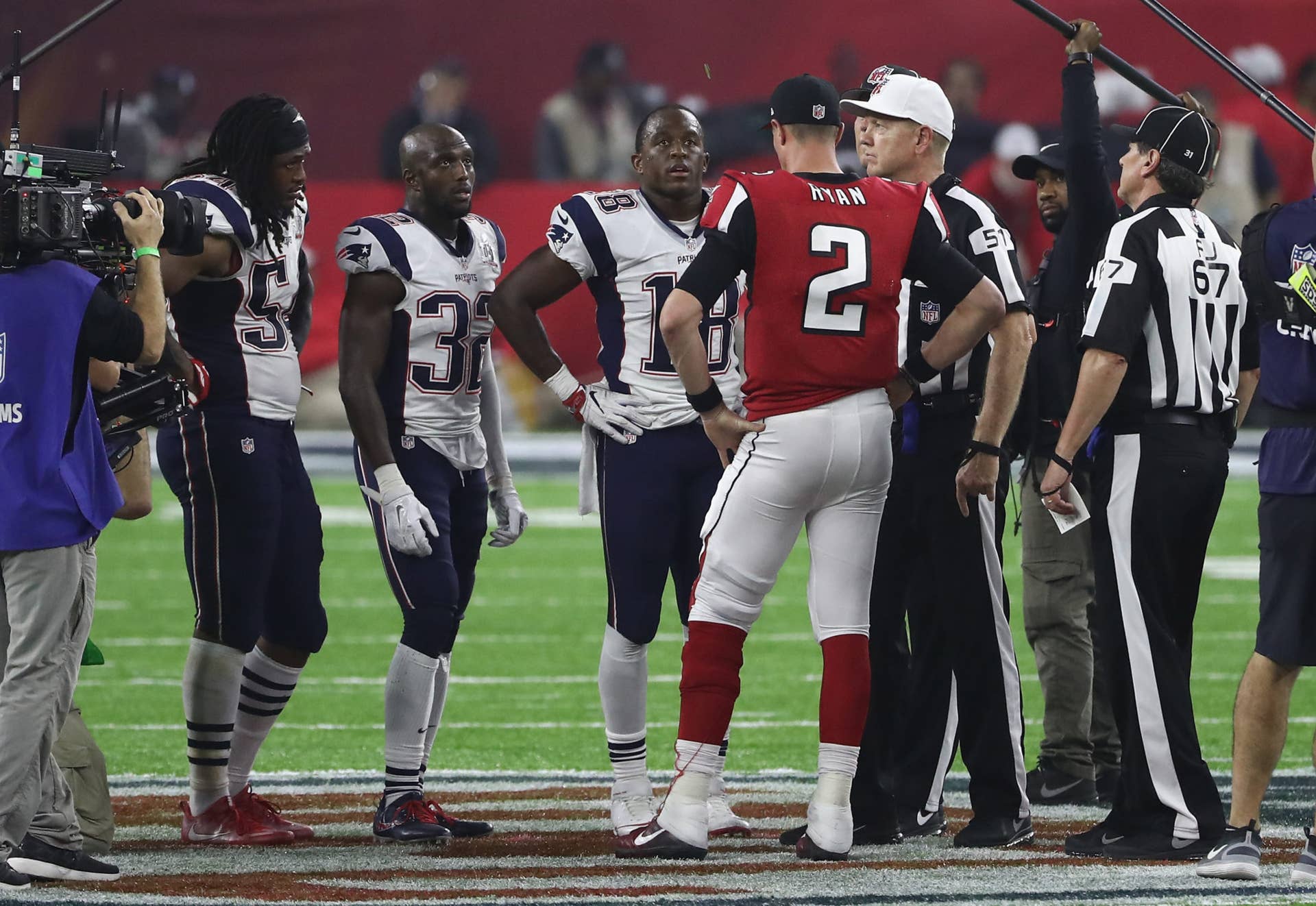
To understand why the 28-3 lead remains a touchstone in sports history as of 2026, one must first look at the context of the 2016 NFL season. The Atlanta Falcons entered Super Bowl LI with the league’s most explosive offense, led by MVP quarterback Matt Ryan and offensive coordinator Kyle Shanahan. Their path to the Super Bowl was a dominant display of modern vertical passing and outside-zone running that seemed unstoppable.
On the other side, the New England Patriots were already a dynasty, but they were seeking a fifth title for Tom Brady, which would move him past Joe Montana and Terry Bradshaw for the most Super Bowl wins by a quarterback. The game was positioned as a clash between the "New Guard" of the NFC and the "Old Guard" of the AFC. When the Falcons surged to a 28-3 lead with just over two minutes remaining in the third quarter, the narrative seemed settled: the Patriots' era was ending, and the Falcons were the new kings of the NFL. The statistical probability of a Falcons victory at that moment was calculated by various models as high as 99.7%.
The Strategic Collapse: How the Lead Was Lost
The significance of the 28-3 lead is found in the specific sequence of strategic decisions that allowed it to evaporate. It was not merely a matter of the Patriots playing better; it was a comprehensive failure of game management by the Atlanta coaching staff.
The Passing Paradox
The most scrutinized aspect of the Falcons' collapse was their refusal to "run the clock." In the fourth quarter, after a spectacular catch by Julio Jones put the Falcons in field-goal range at the Patriots' 22-yard line, the Falcons held an 8-point lead. A simple series of runs and a field goal would have effectively ended the game. Instead, the Falcons called passing plays. This led to a sack by Trey Flowers and an offensive holding penalty, knocking them out of field-goal range and forcing a punt.
Defensive Fatigue
The Falcons' defense, while fast and aggressive, was undersized. By the fourth quarter, they had played an extraordinary number of snaps because the Falcons' offense was scoring too quickly or going three-and-out. The Patriots' offensive strategy shifted to a high-tempo, short-passing game that targeted the middle of the field, exhausting the Falcons' linebackers and secondary. By the time the game reached overtime, the Atlanta defense was physically spent, leading to the inevitable touchdown by James White.
Statistical Comparison: The Tale of Two Halves
The following table illustrates the dramatic shift in performance that occurred after the Falcons reached their 28-3 peak.
| Metric | Falcons (First 43 Minutes) | Falcons (Final 17 Minutes + OT) | Patriots (Final 17 Minutes + OT) |
|---|---|---|---|
| Points Scored | 28 | 0 | 31 |
| Total Yards | 297 | 41 | 246 |
| First Downs | 15 | 2 | 19 |
| Time of Possession | 19:15 | 4:12 | 13:03 |
| Turnovers | 0 | 1 | 0 |
The Legacy of Tom Brady and the New England Patriots
Why this lead mattered to the Patriots cannot be overstated. Before Super Bowl LI, the debate over the "Greatest of All Time" (GOAT) was still active. By overcoming a 25-point deficit, Tom Brady silenced almost all remaining critics. He finished the game with 466 passing yards, a Super Bowl record at the time.
This game also solidified the "Patriot Way"—a philosophy of mental toughness and situational awareness. While the Falcons panicked, the Patriots remained methodical. This win provided the momentum for the Patriots to reach two more Super Bowls in the following two seasons, winning one more against the Rams. The 28-3 comeback became the foundation of the late-stage Brady legend, proving that no lead was safe as long as he was under center.
The Cultural Phenomenon: "28-3" as a Meme
Beyond the X's and O's, the 28-3 lead mattered because it escaped the confines of sports and entered the general cultural lexicon. In the years following 2017, the numbers "28-3" became a universal symbol for "choking" or failing at the finish line.
- Social Media Persistence: To this day, any time a team in any sport holds a significant lead and begins to lose, "28-3" trends on social media.
- Psychological Case Study: It is frequently cited in business and leadership seminars as an example of why "playing not to lose" is a dangerous strategy compared to "playing to win."
- Regional Rivalry: In the NFC South, New Orleans Saints fans and other rivals have used the score as a permanent taunt against the Falcons franchise, affecting the team's brand and fan psychology for a decade.
Impact on the Falcons Franchise and Coaching Staff
The fallout for the Atlanta Falcons was devastating and long-lasting. The team struggled to regain its identity in the years following the loss.
- Kyle Shanahan: Although he went on to become a successful head coach for the San Francisco 49ers, his reputation for "blowing leads" followed him through subsequent Super Bowl appearances (Super Bowl LIV and LVIII). The 28-3 game established a narrative about his play-calling that he has had to fight for the rest of his career.
- Dan Quinn: The head coach of the Falcons was never able to recreate the magic of the 2016 season. The psychological weight of the loss seemed to permeate the locker room, leading to several seasons of blown leads and late-game collapses before his eventual firing.
- Matt Ryan: Despite being an elite quarterback and a future Hall of Fame candidate, Ryan's legacy is unfairly tied to this game. He played nearly perfectly for three quarters, but the loss overshadowed his MVP season.
Sports Psychology: The "Illusion of Certainty"
The 28-3 lead is a premier example of how the "illusion of certainty" can degrade performance. When a team leads by such a margin, the human brain naturally begins to shift from a state of "high-alert performance" to "reward processing." The Falcons began to envision the trophy presentation rather than the next third-down conversion. Conversely, the Patriots entered a state of "incremental goal setting," where they focused solely on the next score, not the total deficit. This psychological divergence is why the lead mattered: it proved that the scoreboard is secondary to the mental state of the competitors.
FAQs
Why didn't the Falcons just run the ball to win?
The Falcons' offensive identity was built on aggression and the passing game. Offensive coordinator Kyle Shanahan believed that staying aggressive was the best way to keep the Patriots off-balance. However, this ignored the situational reality that running the ball would have depleted the Patriots' timeouts and ensured a field-goal attempt that would have made it a two-possession game.
Was Super Bowl LI the first overtime game in Super Bowl history?
Yes. Despite 50 previous editions of the game, Super Bowl LI was the first time the championship was decided in overtime. This added to the drama of the 28-3 comeback, as the Falcons never actually touched the ball in the overtime period due to the NFL's overtime rules at the time.
How did the Patriots score 31 unanswered points?
The comeback was fueled by two touchdowns (with two-point conversions), a field goal, and a final touchdown in overtime. Key plays included a strip-sack of Matt Ryan by Dont'a Hightower and a miraculous "circus catch" by Julian Edelman that kept a crucial drive alive.
Did the Falcons' defense fail more than the offense?
It was a collective failure. While the defense allowed five consecutive scoring drives, they were forced to play 93 snaps—an incredibly high number. The offense's inability to stay on the field in the fourth quarter left the defense with no time to recover, making the collapse a systemic issue rather than the fault of one unit.
What is the "Super Bowl Hangover," and did it affect the Falcons?
The Super Bowl Hangover refers to the tendency for the losing team of the championship to struggle the following year. For the Falcons, the hangover lasted years. They made the playoffs the following season but were never the same offensive powerhouse, and the franchise eventually entered a long rebuilding phase that many trace directly back to the trauma of the 28-3 loss.
Final Perspective: A Lesson in Resilience and Management
For those studying the history of the NFL or organizational management, the 28-3 lead serves as the ultimate cautionary tale. It teaches that success is not final until the clock hits zero and that the greatest threat to victory is often the belief that it has already been achieved. Whether you are a fan of the Patriots or the Falcons, the events of Super Bowl LI remain a masterclass in the importance of situational awareness, psychological resilience, and the thin margin between legendary status and historical infamy.
Image Gallery