The Best Journey Album for Classic Rock Fans: A Deep Dive into Arena Rock History
Choosing the best Journey album for classic rock fans involves balancing technical musicianship with mainstream appeal. While the band’s catalog is vast, Escape (1981) stands as the definitive masterpiece. It seamlessly integrates Neal...
Choosing the best Journey album for classic rock fans involves balancing technical musicianship with mainstream appeal. While the band’s catalog is vast, Escape (1981) stands as the definitive masterpiece. It seamlessly integrates Neal Schon’s virtuosic guitar work, Steve Perry’s unmatched vocal range, and Jonathan Cain’s melodic songwriting into a cohesive, high-energy experience that defines the arena rock era.
Contents
Journey’s journey from a Bay Area progressive fusion act to a global stadium-filling powerhouse is one of the most significant narratives in rock history. For a classic rock enthusiast, the "best" album isn't just about hits; it is about the interplay of instruments, the quality of the production, and the cultural resonance of the songwriting. As of 2026, Journey’s influence remains a cornerstone of the genre, with their 1980s output serving as the blueprint for melodic rock.
The Evolution of the Journey Sound
To understand why certain albums resonate more with classic rock fans, one must look at the band's structural evolution. Journey was founded in 1973 by former members of Santana, including guitarist Neal Schon and keyboardist/vocalist Gregg Rolie. Initially, the band focused on jazz-fusion and progressive rock, characterized by long instrumental jams and complex time signatures.
The pivotal shift occurred in 1977 with the hiring of Steve Perry. This transition marked the move from "musician's music" to a more structured, radio-friendly sound that didn't sacrifice technical proficiency. For the classic rock fan, this era (1978–1983) represents the "Sweet Spot," where the grit of 70s rock met the polished production of the early 80s.
The Impact of Steve Perry and Jonathan Cain
The introduction of Steve Perry provided the band with a "counter-tenor" voice that could cut through dense guitar arrangements. However, it was the 1980 departure of Gregg Rolie and the arrival of Jonathan Cain (formerly of The Babys) that finalized the classic lineup. Cain brought a pop-sensibility and a mastery of the piano and synthesizer that allowed Journey to dominate the charts while maintaining their rock edge.
The Gold Standard: Why 'Escape' is the Ultimate Choice
Released in July 1981, Escape (stylized as E5C4P3) is the quintessential Journey album. It reached number one on the Billboard 200 and has since been certified Diamond. For a classic rock fan, this album is a masterclass in songwriting and studio execution.
Track-by-Track Excellence
- "Don't Stop Believin'": Often cited as the "perfect" rock song, it breaks standard structure by saving the chorus until the very end. The bass line by Ross Valory and the intricate drumming of Steve Smith provide a driving foundation that prevents the track from becoming a mere pop ballad.
- "Stone in Love": This track is a favorite for fans of Neal Schon. It features one of the most celebrated guitar outros in rock, showcasing Schon's ability to blend melodic phrasing with high-speed alternate picking.
- "Open Arms": While a ballad, its inclusion on Escape demonstrated the band's versatility. It showcased Perry’s emotional range and Cain’s classical piano influences, setting the standard for the 80s power ballad.
Technical Production
The production on Escape, handled by Mike Stone and Kevin Elson, is a benchmark for the era. Stone, known for his work with Queen, brought a clarity to the vocal layering and a "crunch" to the guitars that made the album sound massive in both headphones and stadiums. In 2026, the album’s mix is still used by audio engineers as a reference for balancing synthesizers with heavy rock instrumentation.
The Raw Contender: 'Infinity' (1978)
If a classic rock fan prefers the bluesier, more organic sound of the late 70s, Infinity is the superior choice. This was the first album to feature Steve Perry, and it captures a band in the middle of a creative explosion.
The "Wall of Sound" Influence
Produced by Roy Thomas Baker, Infinity utilizes the heavy vocal multi-tracking techniques Baker pioneered with Queen. Songs like "Lights" and "Wheel in the Sky" exhibit a soulful, gritty quality that is slightly less "polished" than the later 80s work.
- "Lights": A tribute to San Francisco, this track highlights the chemistry between Schon’s blues-infused licks and Perry’s R&B-inspired vocals.
- "Wheel in the Sky": This is perhaps Journey’s most "classic rock" song in the traditional sense. It features a driving rhythm and a soaring vocal performance that established the band as a force on FM radio.
The High-Octane Peak: 'Frontiers' (1983)
For fans who enjoy the heavier, more synth-driven side of the early 80s, Frontiers is the logical next step after Escape. While Escape was balanced, Frontiers pushed everything to the limit—the vocals were higher, the drums were louder, and the synthesizers were more prominent.
The Power of "Separate Ways (Worlds Apart)"
This track is the highlight of the album for many rock fans. The aggressive synthesizer riff, played by Jonathan Cain on a Roland Jupiter-8, combined with Neal Schon’s heavy rhythm work, created a "hard rock meets new wave" hybrid that was revolutionary for 1983.
Steve Smith’s Drumming Mastery
On Frontiers, Steve Smith’s jazz-fusion background is on full display. His use of ghost notes and complex fills on tracks like "After the Fall" and the title track "Frontiers" provides a level of rhythmic sophistication rarely found in mainstream arena rock.
Journey Album Comparison for Classic Rock Fans
The following table compares the three most essential albums to help fans decide which fits their specific taste within the classic rock spectrum.
| Album | Year | Primary Vibe | Standout Technical Feature | Best For... |
|---|---|---|---|---|
| Infinity | 1978 | Bluesy, Soulful Rock | Complex vocal layering (Roy Thomas Baker) | Fans of 70s FM Radio & Blues-Rock |
| Escape | 1981 | Polished Arena Anthems | Melodic songwriting & guitar solos | The "Must-Have" definitive experience |
| Frontiers | 1983 | High-Energy, Synth-Heavy | Powerful drumming & aggressive synths | Fans of Hard Rock & 80s Production |
| Departure | 1980 | Transitionary Rock | Raw energy and live-tracking feel | Fans of "Any Way You Want It" style |
Production Secrets: The Technical Side of the Journey Sound
A significant reason Journey appeals to classic rock fans is the sheer level of musicianship. Unlike many of their contemporaries who relied on studio gimmicks, Journey was a "musician's band."
- Neal Schon’s Rig: Throughout the peak era, Schon primarily used Gibson Les Pauls and occasionally Fender Stratocasters, running through Marshall stacks. His "fluid" lead tone was achieved through a combination of high-gain sustain and precise finger vibrato, influenced by Eric Clapton and Carlos Santana.
- Steve Perry’s Vocal Technique: Perry’s ability to maintain a high tessitura (the range where a singer is most comfortable) without straining is legendary. His background in soul music allowed him to add "blue notes" to rock melodies, a technique that resonated deeply with fans of classic rock’s R&B roots.
- The "Live" Factor: Despite their polished studio albums, Journey was known for recording many tracks with the full band playing together in the room. This "live" energy is palpable on albums like Departure, which was recorded with the intent of capturing the band's stage presence.
Common Mistakes When Exploring Journey’s Discography
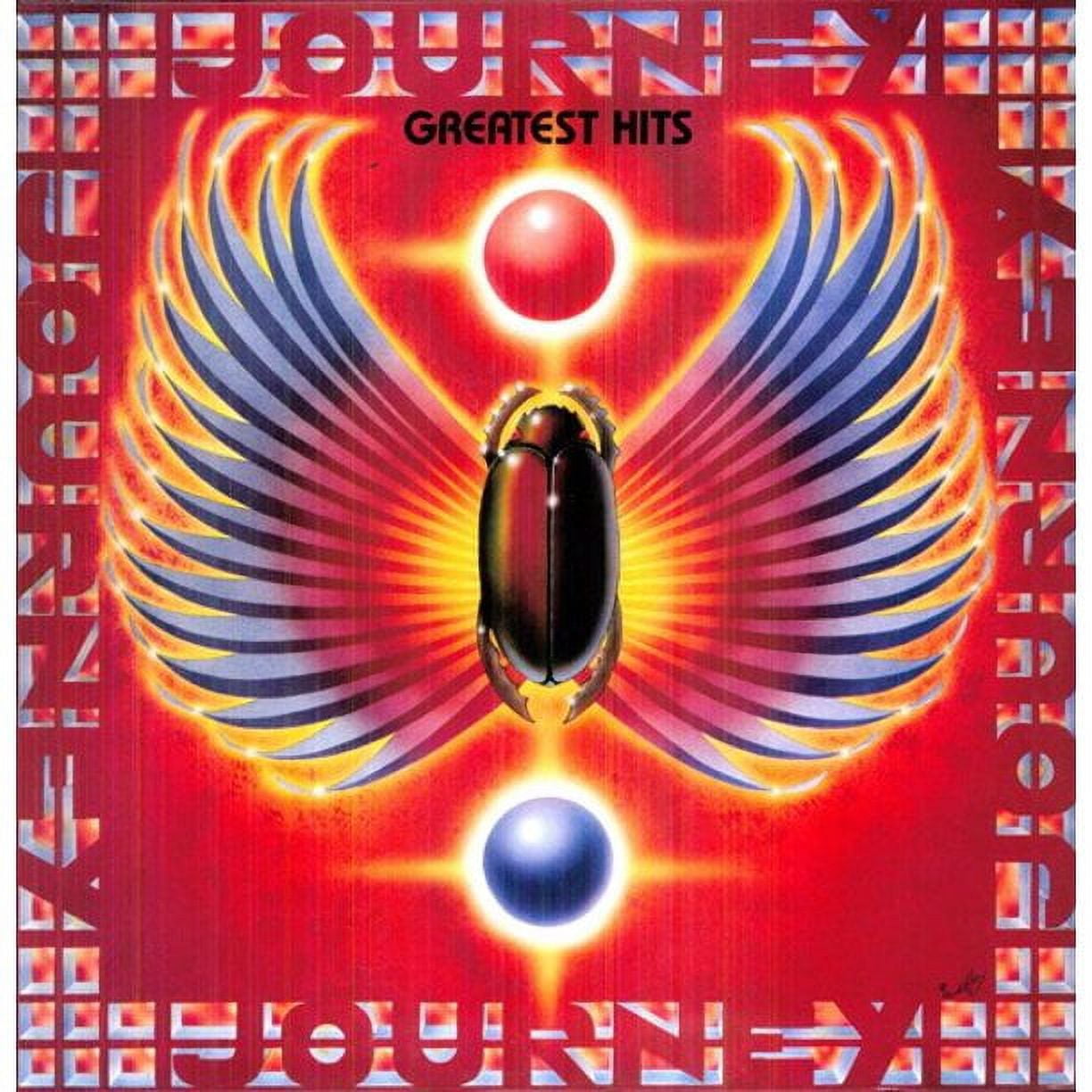
When looking for the "best" album, many fans make the mistake of only purchasing Greatest Hits (1988). While it is one of the best-selling compilations in history, it misses the "deep cuts" that define the band's rock credibility.
- Ignoring the Rolie Era: Fans who only know "Don't Stop Believin'" often miss the early fusion albums like Look into the Future. While not "classic rock" in the radio sense, they offer incredible instrumental performances.
- Overlooking 'Trial by Fire' (1996): This reunion album features the classic lineup and offers a more mature, blues-influenced sound. In 2026, it is often viewed as a "hidden gem" for those who want to hear the band’s technical evolution.
- The Post-Perry Era: While Arnel Pineda is a phenomenal vocalist, many classic rock purists find the albums Revelation and Eclipse (2011) to be too modern in their production. For the authentic classic rock experience, the 1978–1983 window remains the gold standard.
Frequently Asked Questions
What is Journey's best-selling album?
As of 2026, Escape remains the band's best-selling studio album, having achieved Diamond status (over 10 million copies sold in the US). However, their Greatest Hits compilation has sold over 15 million copies, making it one of the most successful albums of all time across any genre.
Is 'Escape' better than 'Frontiers'?
This is subjective, but Escape is generally considered better due to its consistent tracklist. While Frontiers has massive hits like "Separate Ways" and "Faithfully," it also contains more experimental tracks that didn't resonate as widely. Escape is often viewed as "all killer, no filler."
Which Journey album has the best guitar work?
For fans of Neal Schon, Infinity and Evolution often stand out. These albums feature a rawer guitar tone and more extended solo sections compared to the tighter, more keyboard-focused arrangements found on the 80s albums.
What is the best live album for classic rock fans?
Captured (1981) is the definitive live Journey experience. It was recorded during the Departure tour and features the transition between Gregg Rolie and Jonathan Cain. It captures the band at their most energetic, proving they could replicate their complex studio harmonies and solos on stage.
Why is 'Don't Stop Believin'' so popular in 2026?
The song’s popularity was revitalized in the early 21st century through its use in The Sopranos and Glee. In 2026, it remains a "universal anthem" because of its relatable lyrics about hope and its unique musical structure that builds tension until the very last second.
Final Recommendation: Where to Start
For the classic rock fan who wants to experience Journey at their absolute peak, Escape is the essential starting point. It provides the perfect balance of musicianship, production quality, and iconic songwriting. Once you have mastered Escape, move backward to Infinity to hear the band’s soulful origins with Steve Perry, and then forward to Frontiers to hear the pinnacle of their arena rock power.
For the most authentic experience, seek out original vinyl pressings or high-resolution remasters that preserve the dynamic range of the original recordings. Journey’s music was designed to be played loud, and these albums continue to reward listeners with new details in the arrangements even decades after their release.
Image Gallery