Emergency Dental Care Near Me: Finding a Clinic for Urgent Oral Trauma in 2026
If you are experiencing severe oral pain, uncontrollable bleeding, or a knocked-out tooth, you require an emergency dental clinic with immediate triage capabilities, advanced diagnostic imaging, and onsite surgical staff. Prioritize cl...
If you are experiencing severe oral pain, uncontrollable bleeding, or a knocked-out tooth, you require an emergency dental clinic with immediate triage capabilities, advanced diagnostic imaging, and onsite surgical staff. Prioritize clinics offering same-day appointments and 24/7 availability to prevent permanent tooth loss or the spread of systemic infections.
Contents
Defining a Dental Emergency: When Immediate Care is Mandatory
Understanding what constitutes a genuine dental emergency is the first step in seeking the correct level of care. In 2026, dental triage protocols have become highly standardized to differentiate between "urgent" needs and "emergency" crises. A dental emergency involves conditions that require immediate intervention to stop bleeding, alleviate excruciating pain, or save a tooth that has been structurally compromised.
Critical Symptoms Requiring Immediate Intervention
Severe and persistent bleeding that does not stop after applying pressure for 15 minutes indicates a vascular issue or significant soft tissue trauma. This requires an immediate visit to an emergency clinic or a hospital-based dental unit.
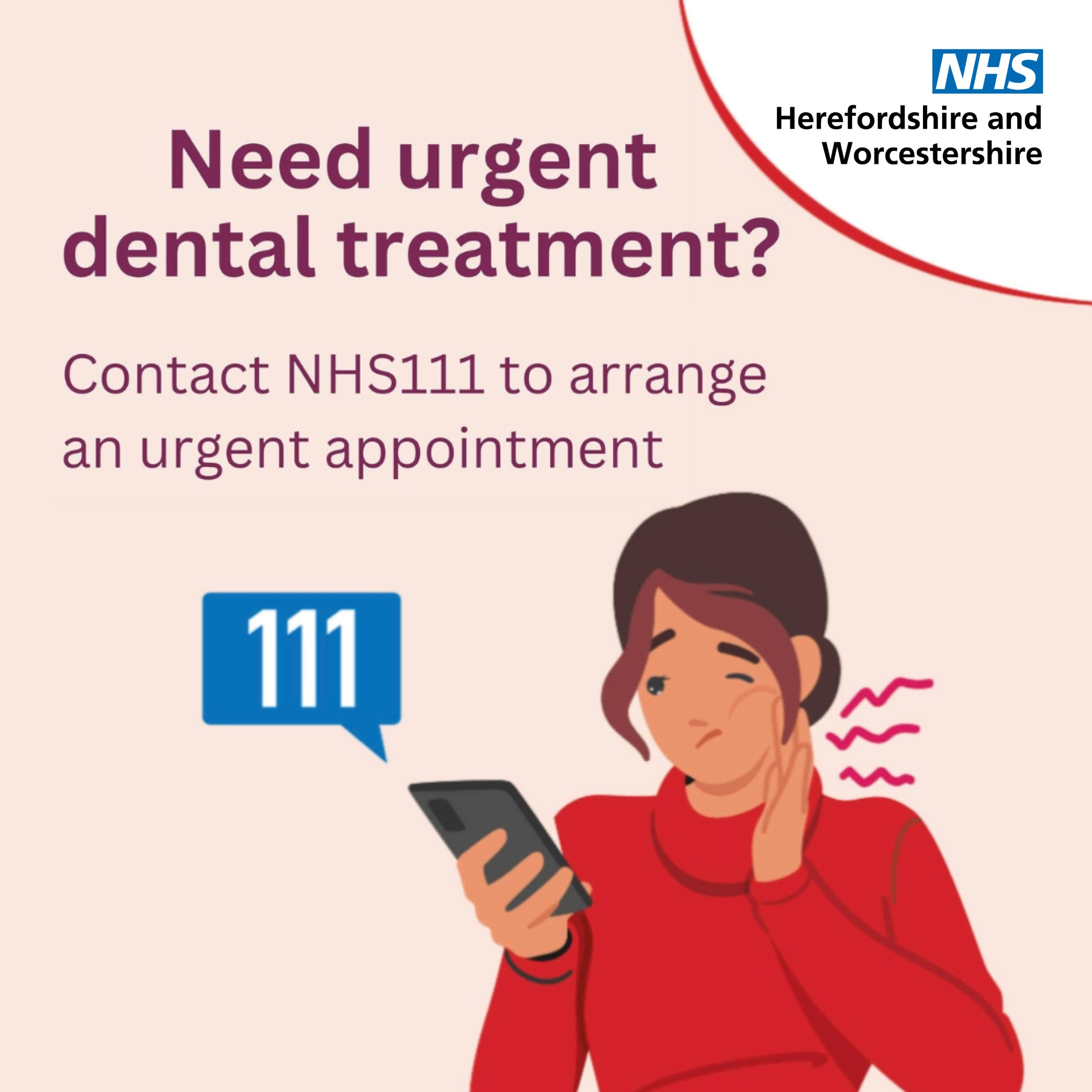
Intense, throbbing pain that radiates to the jaw, neck, or ear often signals a periapical abscess. Left untreated, these infections can lead to Ludwig’s Angina or sepsis, necessitating systemic antibiotics and surgical drainage.
A permanent tooth that has been completely knocked out, known as an avulsed tooth, has a very narrow window for successful replantation. Ideally, the patient should be in the dental chair within 30 to 60 minutes of the injury.
If your condition involves only a minor chip without pain or a lost filling that is not causing sensitivity, it is classified as urgent but not an emergency. These can typically be handled during normal business hours within 24 to 48 hours.
Essential Features of a 2026 Emergency Dental Clinic
When searching for a clinic during a crisis, certain technical specifications and facility capabilities are non-negotiable. The landscape of dental technology in 2026 allows for faster diagnosis and more precise treatment than ever before.
1. Advanced Diagnostic Imaging (CBCT and AI Integration)
A high-quality emergency clinic must be equipped with Cone Beam Computed Tomography (CBCT). Unlike traditional 2D X-rays, CBCT provides a three-dimensional view of the bone, nerve pathways, and soft tissues. This is critical for identifying hidden fractures or the exact extent of an infection. Furthermore, modern clinics utilize AI-augmented diagnostics to scan images for pathologies that might be missed by the human eye under the pressure of an emergency.
2. Onsite Endodontic and Surgical Specialists
Many general practices refer complex cases out to specialists. In an emergency, you do not have time for a referral loop. Look for a "multi-specialty" clinic that has an endodontist (for emergency root canals) or an oral surgeon (for complex extractions or jaw trauma) available on-call or onsite.
3. Sedation Options
Pain management is a primary concern in oral trauma. An authoritative clinic should offer multiple levels of sedation, including:
- Nitrous Oxide (Inhalation sedation)
- Oral Conscious Sedation (Anxiolytics)
- IV Sedation (For patients with extreme dental phobia or high-intensity surgical needs)
Navigating Dental Insurance and Costs in 2026
Financial transparency is a hallmark of a reputable emergency provider. In 2026, the integration of real-time insurance verification software allows clinics to provide accurate out-of-pocket estimates before the procedure begins.
Insurance Acceptance and Networks
Most major PPO plans, such as Delta Dental, Cigna, and Aetna, provide coverage for "Emergency Exams" (D0140) and "Palliative Treatment" (D9110). However, it is vital to verify if the clinic is an in-network provider.
Understanding Network Limitations
Many corporate dental groups and high-end emergency boutiques do not accept Traditional/Original Medicare for dental procedures, as Medicare generally excludes routine and most emergency dental care unless it is integral to a covered medical procedure.
For patients using third-party HMO plans or Medicaid-managed care, a designated Primary Care Physician (PCP) or "Home Office" dentist is often required for a referral. In a true emergency, many states have "Direct Access" laws that allow you to seek care first, but you must confirm the clinic’s policy on HMO emergency overrides.
Transparent Pricing Models
In 2026, many clinics offer "Emergency Triage Packages." These usually include the limited oral evaluation and one or two periapical X-rays for a flat fee, typically ranging from $150 to $300, excluding the cost of the actual treatment (e.g., extraction or root canal).
Comparison of Emergency Dental Provider Types
| Provider Type | Best For | Typical Wait Time | Diagnostic Level | Relative Cost |
|---|---|---|---|---|
| Private Emergency Clinic | High-end trauma, Root Canals | < 1 Hour | High (CBCT) | Premium |
| Corporate Dental Group | General pain, Extractions | 1-4 Hours | Standard (Digital X-ray) | Moderate |
| Hospital ER (Dental Wing) | Uncontrolled bleeding, Jaw fractures | 2-8 Hours | Advanced (CT Scan) | High / Medical Billing |
| University Dental School | Low-income urgent care | Variable | Academic Standard | Low |
Step-by-Step Guide to Managing an Oral Emergency
If you find yourself in a crisis, follow this protocol to maximize the chances of a successful outcome while you are en route to the clinic.
- Assess the Damage: Determine if the tooth is broken, loose, or missing. Check for soft tissue lacerations.
- Control Bleeding: Use clean gauze or a tea bag (the tannic acid helps clot) and apply firm, continuous pressure to the site.
- Preserve the Tooth: If a tooth is avulsed, handle it only by the crown (the top part). Rinse it gently with water—do not scrub or use soap. Place it in a container of milk or a dedicated tooth preservation solution like Save-A-Tooth. Do not use plain tap water for long-term storage as it can damage the root cells.
- Manage Swelling: Apply a cold compress to the outside of the cheek in 15-minute intervals.
- Contact the Clinic: Call ahead. Even if they accept walk-ins, providing the staff with a "heads-up" allows them to prep the operatory and confirm insurance coverage while you are in transit.
Common Mistakes to Avoid During a Dental Crisis
One of the most frequent errors patients make is waiting until the next morning to see if the pain subsides. Dental pain caused by infection rarely resolves on its own; it usually indicates that the nerve has died, which provides a temporary "silent period" before a much larger abscess forms.
Another mistake is the overuse of topical numbing agents like benzocaine. While these can provide momentary relief, they can cause chemical burns on the gingival tissue if applied excessively. Similarly, never place an aspirin tablet directly against the gum near a toothache, as this causes significant tissue necrosis.
Frequently Asked Questions
What should I do if my dental emergency happens at 2:00 AM?
You should search for "24-hour emergency dental clinics" or "hospital-based dental services." While many clinics claim to be 24/7, they often use an answering service that triages calls for the following morning. If you have facial swelling that is affecting your breathing or eye, proceed immediately to a standard Hospital Emergency Room, as this is a medical emergency.
Will my medical insurance cover a dental emergency?
Generally, medical insurance only covers dental issues if they result from an external accident (like a car crash) or if the treatment is performed in a hospital setting for a life-threatening infection. In 2026, most standalone dental emergencies are billed strictly through dental insurance or out-of-pocket.
Can an emergency dentist perform a permanent root canal in one visit?
In 2026, many specialists use "Single-Visit Endodontics" protocols facilitated by rotary instrumentation and laser disinfection. However, if there is a significant infection (abscess), the dentist may perform a "pulpectomy" to remove the pain-causing nerve and place a medicated filling, requiring you to return later for the permanent sealing of the canals.
Is a broken crown considered a dental emergency?
A broken crown is usually an urgent matter rather than a true emergency, unless the underlying tooth is sharp and causing lacerations to the tongue or if there is intense pain. If you have the crown, keep it clean and bring it with you; sometimes it can be recemented as a temporary measure.
How do I know if a dental clinic is "authoritative" in 2026?
Check for affiliations with the American Dental Association (ADA) and look for "Fellowship" or "Diplomate" status in the Academy of General Dentistry (AGD) or the American Association of Endodontists (AAE). Furthermore, look for clinics that publish their "Patient Safety and Sterilization" metrics, which are standard transparency markers in 2026.
Finding the Right Clinic for Your Specific Needs
When you are in pain, the temptation is to go to the nearest available office. However, taking sixty seconds to verify that a clinic has onsite diagnostic CBCT and surgical capabilities can save you from being redirected to another facility mid-treatment. If you are in a major metropolitan area, look for clinics that utilize 2026-standard tele-triage; this allows you to send a photo of the injury via a secure portal before you arrive, ensuring the team is ready for your specific case the moment you walk through the door.
Image Gallery