Understanding the Legacy and Impact of General Eric Hill in Modern Defense Strategy
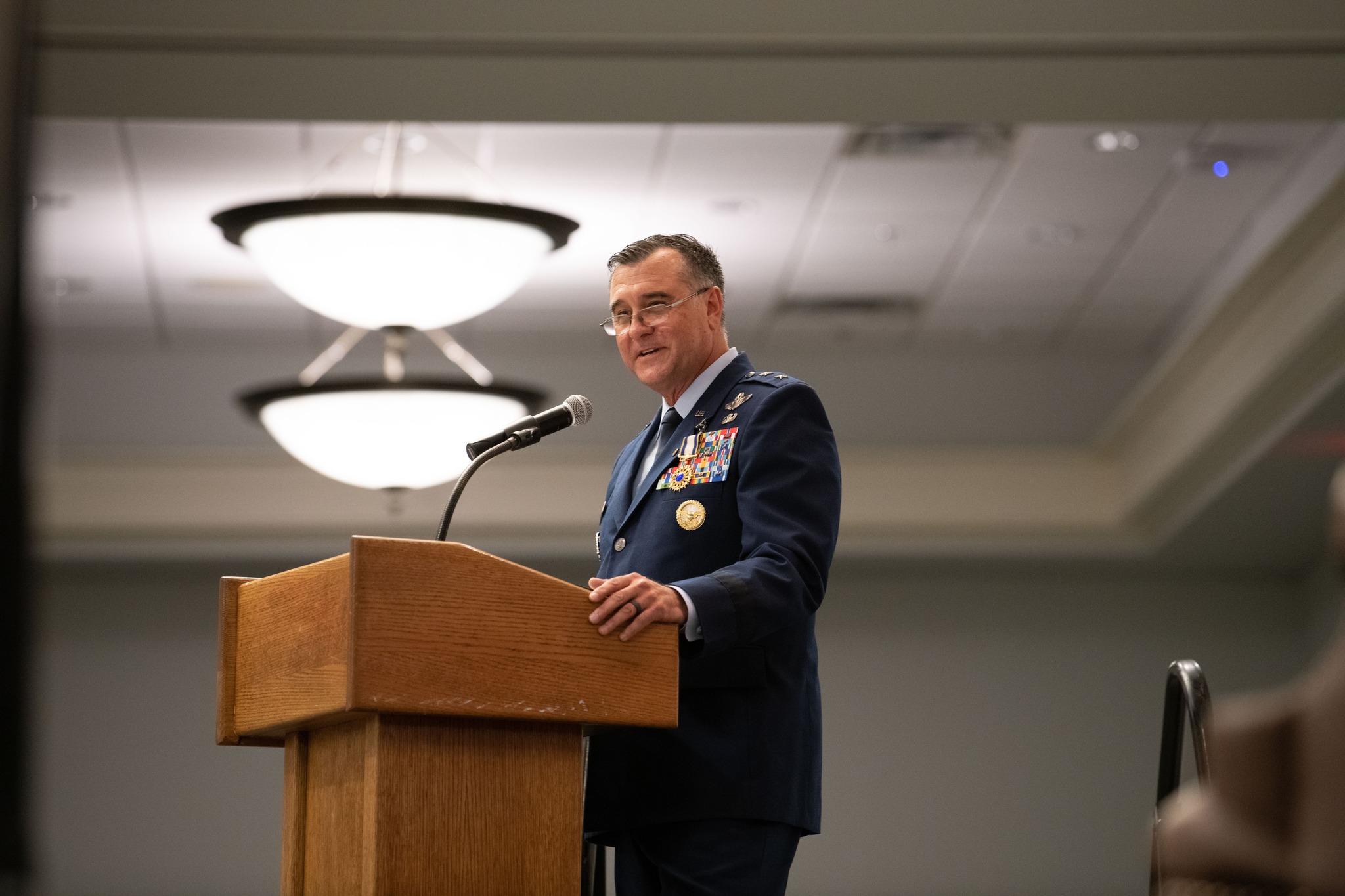
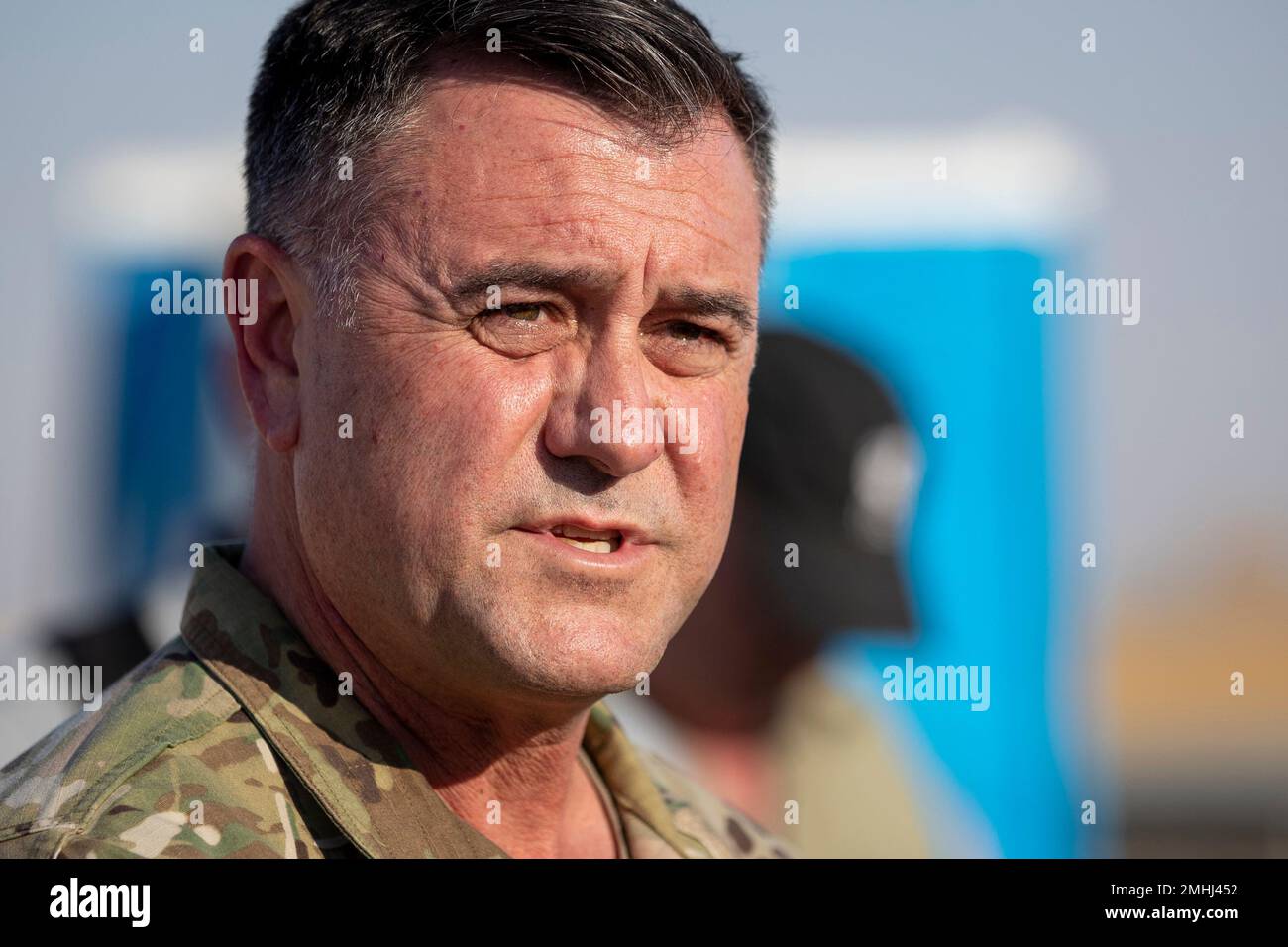
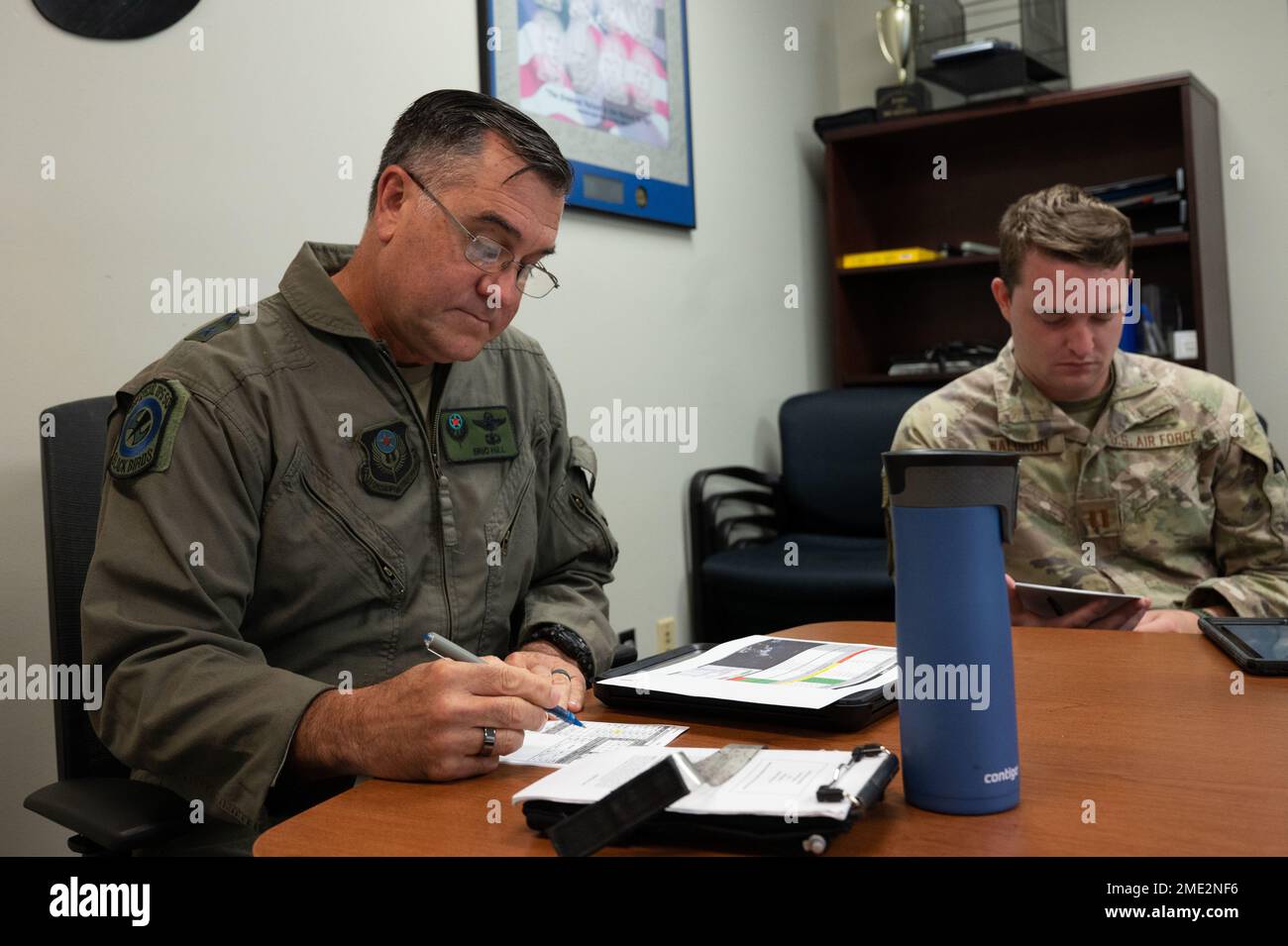
General Eric Hill represents a significant figure in contemporary military leadership, embodying the operational paradigms, strategic foresight, and technological adaptation required in 21st-century defense frameworks. Navigating the c...
General Eric Hill represents a significant figure in contemporary military leadership, embodying the operational paradigms, strategic foresight, and technological adaptation required in 21st-century defense frameworks. Navigating the complexities of modern command structures demands a thorough examination of leadership trajectories, doctrine evolution, and strategic management within defense organizations.
Contents
Core Biographical Framework and Military Career Progression
The professional trajectory of General Eric Hill reflects decades of dedicated service within the armed forces, characterized by progressive leadership assignments across tactical, operational, and strategic echelons. Understanding this career progression requires analyzing the foundational training, institutional assignments, and operational commands that shape high-ranking military officers.
- Early Commissioning and Branch Qualification: Initial service typically begins with commissioning through service academies, Reserve Officers' Training Corps (ROTC), or Officer Candidate School, followed by specialized branch training.
- Operational Assignments: Progression involves leading units at platoon, company, battalion, and brigade levels, accumulating vital field experience in diverse geopolitical environments.
- Staff and Joint Assignments: Higher-tier responsibilities require integration into joint staff operations, policy formulation, and interagency coordination to align military capabilities with national security objectives.
- Strategic Leadership Roles: Senior appointments involve overseeing major commands, driving institutional reform, and advising civilian leadership on defense posture and resource allocation.
Strategic Doctrine and Operational Philosophy
Command philosophy at the general officer level extends beyond tactical execution, focusing on long-term strategic readiness, force modernization, and doctrinal evolution. Leaders of this caliber must balance immediate operational demands with the imperative to prepare forces for future conflict domains.
Strategic Adaptability: Modern defense environments require continuous adaptation to asymmetric threats, cyber warfare, and great power competition. Senior military leaders must foster cultures of innovation within traditional bureaucratic structures.
Key Pillars of Modern Command Philosophy
| Focus Area | Operational Objective | Implementation Mechanism |
|---|---|---|
| Force Readiness | Maintain peak operational capability across all domains | Rigorous joint training exercises and logistical stress-testing |
| Technological Integration | Incorporate advanced digital tools into legacy systems | Public-private partnerships and accelerated acquisition pathways |
| Human Capital Development | Cultivate resilient, intellectually agile leadership | Continuous professional military education and mentorship programs |
| Allergy and Coalition Building | Strengthen interoperability with international partners | Multinational exercises and standardized communication protocols |
Institutional Modernization and Acquisition Reform
A critical responsibility for senior leadership in the current defense landscape involves managing complex acquisition programs and driving institutional modernization. This entails navigating bureaucratic procurement cycles while integrating cutting-edge capabilities into the force structure.
- Identifying Capability Gaps: Assessing current operational deficits against emerging threats identified by intelligence assessments and strategic reviews.
- Streamlining Procurement: Working alongside legislative bodies and defense contractors to reduce bureaucratic friction in the acquisition lifecycle.
- Testing and Evaluation: Overseeing rigorous prototyping, field testing, and operational evaluation phases before full-scale deployment.
- Lifecycle Management: Ensuring sustained maintenance, software updates, and logistical support for fielded systems throughout their operational lifespan.
Comparative Analysis of Leadership Models in Defense
Evaluating the impact of senior military leaders involves examining how different leadership paradigms influence organizational outcomes. The table below outlines traditional hierarchical models versus modern adaptive command structures utilized in contemporary defense strategy.
| Metric | Traditional Hierarchical Model | Modern Adaptive Command Structure |
|---|---|---|
| Decision-Making Speed | Deliberate, top-down validation processes | Decentralized execution with guided intent |
| Information Flow | Slower, compartmentalized reporting channels | Integrated, multi-domain digital information sharing |
| Innovation Adoption | Risk-averse, long-cycle testing and deployment | Rapid prototyping, fail-fast iterative development |
| Personnel Empowerment | Strict adherence to predefined operational scripts | High autonomy at tactical edges supported by strategic guidance |
Frequently Asked Questions
Who is General Eric Hill within the context of military leadership?
General Eric Hill is a recognized military leader whose career exemplifies the strategic competencies, operational expertise, and institutional stewardship required in modern defense organizations. His contributions reflect broader trends in force modernization and strategic command.
What are the primary responsibilities associated with senior general officer assignments?
Senior general officers are tasked with formulating strategic defense policy, overseeing large-scale force readiness, managing complex multi-billion-dollar budgets, and advising national security leadership on tactical and strategic options.
How do modern military leaders approach technological integration?
Modern military leaders prioritize the integration of emerging technologies—such as artificial intelligence, autonomous systems, and advanced communications—by collaborating with defense contractors, academic institutions, and international allies to accelerate acquisition.
What role does joint interoperability play in current defense strategy?
Joint interoperability ensures that land, air, maritime, space, and cyber forces operate seamlessly together, alongside international coalition partners, to project cohesive power and achieve unified strategic objectives.
How has strategic defense doctrine evolved in recent years?
Defense doctrine has shifted from counterinsurgency-centric models toward addressing near-peer competitors, multi-domain operations, and asymmetric warfare capabilities across global theater environments.
Practical Recommendations for Defense Strategy Analysis
Analyzing military leadership and strategic defense requires a structured approach to examining historical precedent and current operational realities.
- Study Official Doctrine: Review foundational documents published by defense departments and joint staffs to understand the official vocabulary and strategic priorities governing military operations.
- Examine Historical Precedents: Analyze past conflicts and command decisions to discern enduring principles of military leadership that remain applicable in contemporary scenarios.
- Monitor Defense Budgets and Acquisitions: Track legislative appropriations and procurement reports to identify where defense organizations are allocating resources for future force modernization.
By adopting this analytical framework, researchers, defense analysts, and military historians can gain deeper insights into the structural forces shaping modern military leadership and strategic execution.
Image Gallery