The Habsburg Net Worth Explained: Wealth, Assets, and Legacy in 2026
The contemporary net worth of the House of Habsburg is not a single, unified figure but a fragmented collection of private assets held by various branches of the family. While the family no longer possesses the imperial treasury of the...
The contemporary net worth of the House of Habsburg is not a single, unified figure but a fragmented collection of private assets held by various branches of the family. While the family no longer possesses the imperial treasury of the Austro-Hungarian Empire, senior members like Karl von Habsburg manage significant private holdings in forestry, real estate, and heritage brands, with collective family assets estimated in the hundreds of millions of euros.
Contents
The Transition from Imperial Power to Private Wealth
To understand the Habsburg net worth in 2026, one must first distinguish between the sovereign wealth of the defunct Austro-Hungarian Empire and the private property of the Habsburg-Lorraine family. At the height of their power, the Habsburgs were among the wealthiest entities in human history, controlling vast swaths of Central Europe, including modern-day Austria, Hungary, the Czech Republic, and parts of Italy and Poland.
Following the collapse of the monarchy in 1918, the transition was financially catastrophic for the family. The Republic of German-Austria passed the Habsburg Law (Habsburgergesetz) in 1919, which effectively banished the family members who refused to renounce their claims to the throne and, crucially, confiscated their "crown lands" and family funds. This act separated the family from the state-owned palaces like the Hofburg and Schönbrunn, which remain under Austrian state control today.
However, not all assets were lost. Private property that could be proven as non-state-affiliated remained, though often subject to decades of legal disputes, high inheritance taxes, and the geopolitical shifts of World War II and the subsequent Iron Curtain era.
Primary Components of the Modern Habsburg Portfolio
In 2026, the wealth of the House of Habsburg-Lorraine is diversified across several asset classes. Unlike the tech billionaires of the 21st century, the Habsburgs represent "Old Money," where wealth is often tied to land, preservation, and long-term capital stability rather than liquid stock market volatility.
1. Forestry and Land Management
The most significant tangible asset for the modern Habsburgs is land, specifically timberland. In Central Europe, forestry remains a stable and prestigious investment. The Habsburg-Lothringen’sche Güterdirektion (Habsburg-Lorraine Estate Management) oversees thousands of hectares of forest in Austria and neighboring countries. These estates generate revenue through sustainable logging, hunting leases, and carbon sequestration credits—a market that has seen substantial growth by 2026.
2. Real Estate and Historic Estates
While the grandest palaces are state-owned, various branches of the family still own significant castles, manor houses, and agricultural estates. For example, Schloss Artstetten in Lower Austria remains a private residence and museum owned by the Hohenberg branch (descendants of Archduke Franz Ferdinand). These properties serve a dual purpose: they are high-value real estate assets and revenue generators through tourism, event hosting, and film production locations.
3. Cultural and Intellectual Property
The Habsburg name itself carries immense brand equity. The family maintains interests in various foundations and trusts that manage historical archives, art collections, and heritage brands. While many of the most famous "Habsburg" artworks are housed in the Kunsthistorisches Museum (owned by the Republic of Austria), private collections still exist. These items are occasionally loaned to international exhibitions, providing both prestige and insurance-backed valuations to the family's balance sheet.
The Habsburg Law and Restitution Challenges
The financial status of the Habsburgs is inextricably linked to the legal battles surrounding the 1919 confiscations. For over a century, the family has sought the restitution of certain assets, specifically the Familienversorgungsfonds (Family Maintenance Fund).
The legal argument rests on the distinction between "Crown Property" (belonging to the office of the Emperor) and "Private Family Property" (belonging to the individuals of the house). In 2026, the Austrian government maintains a firm stance against broad restitution, viewing the 1919 laws as a foundational element of the Republic. However, minor successes in returning art and smaller properties in other former territories, such as Hungary and the Czech Republic, have incrementally added to the family’s modern net worth.
Key Figures and Their Financial Influence
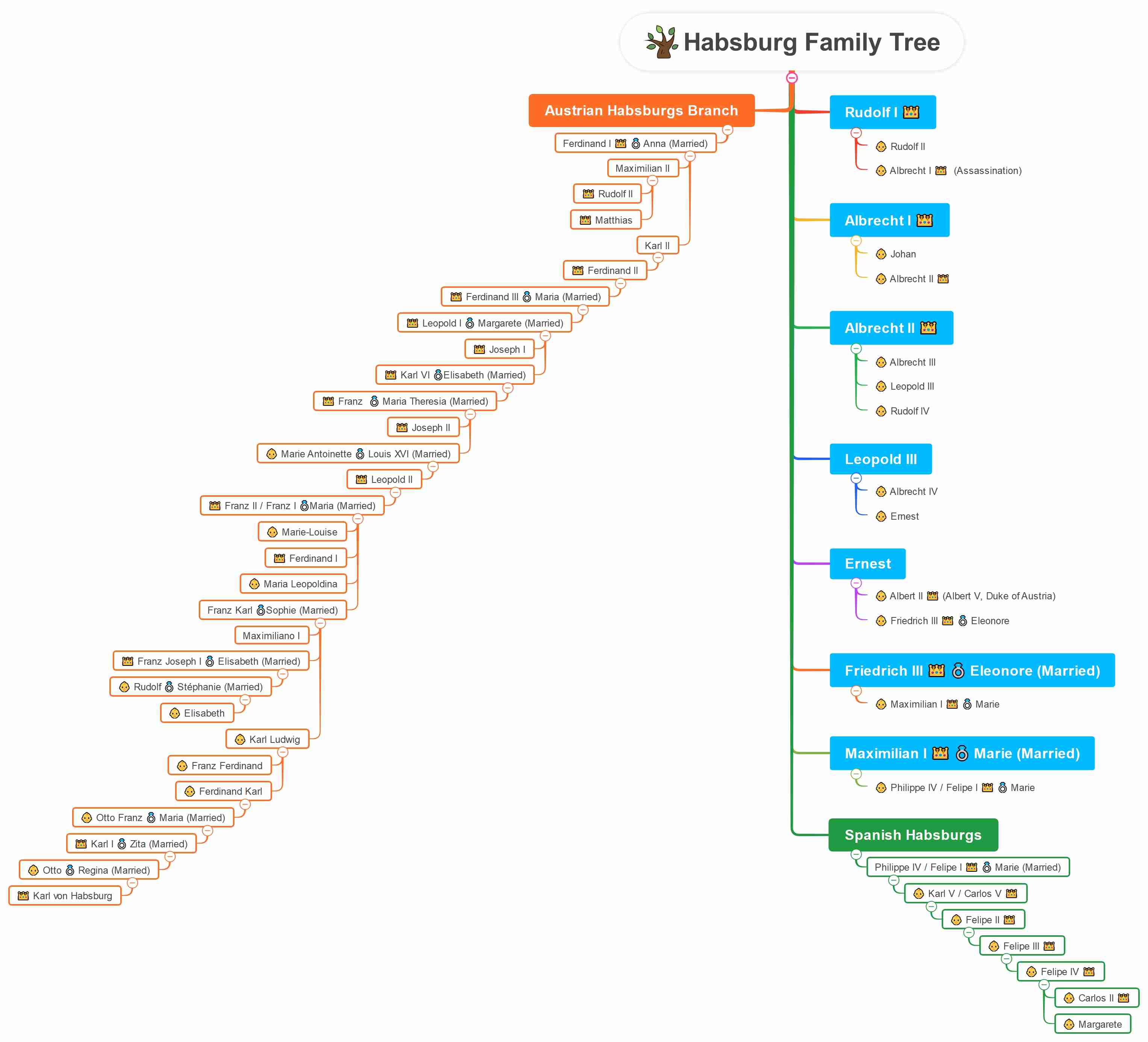
The net worth is primarily concentrated in the senior line of the family, led by Karl von Habsburg, the current head of the House.
- Karl von Habsburg: As a former Member of the European Parliament and a leader in organizations like the Blue Shield (protecting cultural heritage), his wealth is tied to media interests, political consulting, and the management of family trusts.
- Georg von Habsburg: Currently serving as a high-ranking diplomat (notably as Hungary's Ambassador to France), his financial standing is bolstered by a professional career in international relations and media management.
- The Younger Generation: Figures like Ferdinand Zvonimir von Habsburg, a professional racing driver, represent a shift toward modern professional earnings, though they remain beneficiaries of family trusts.
It is important to note that the Habsburgs do not typically appear on the Forbes Billionaires list. This is not necessarily because they lack the requisite wealth, but because their assets are often held in complex, multi-generational trusts and foundations (Privatstiftungen) that lack the transparency of public equity holdings.
Comparative Wealth: Habsburgs vs. Other Royal Houses
To provide context for the Habsburg net worth in 2026, it is useful to compare their estimated holdings with other European dynasties that either remained in power or retained more of their private property.
| Dynasty | Current Status | Estimated Private Wealth | Primary Asset Sources |
|---|---|---|---|
| House of Habsburg | Non-reigning | €100M - €500M+ (Estimated) | Forestry, Real Estate, Trusts |
| House of Liechtenstein | Reigning | €4B - €7B | LGT Bank, Art, Land |
| House of Windsor | Reigning | €20B+ (Consolidated) | Duchy of Lancaster, Real Estate |
| House of Wittelsbach | Non-reigning | €200M - €400M | Art, Beer (Kaltenberg), Land |
The House of Liechtenstein remains the wealthiest European royal family primarily because they maintained political sovereignty and used it to build a global banking empire (LGT Group). The Habsburgs, by contrast, had their primary revenue streams severed by the fall of the empire and subsequent nationalization.
Why "Net Worth" is Complicated for Former Emperors
Calculating a definitive net worth for a family like the Habsburgs is difficult due to the "Illiquidity Factor." A castle valued at €50 million on paper may cost €1 million a year to maintain and cannot be easily sold due to heritage protection laws.
Furthermore, many assets are "entailed," meaning the current head of the house acts more as a steward than an owner. They can use the income generated by the asset, but they cannot sell the underlying capital. This structure ensures the family’s survival across centuries but makes their modern net worth look very different from that of a venture capitalist or tech founder.
The Role of Foundations (Stiftungen)
In 2026, the use of private foundations in Austria and Liechtenstein is the primary method for preserving Habsburg wealth. These structures protect assets from being fragmented by inheritance laws, which traditionally require assets to be split among all children. By placing forests and estates into a Privatstiftung, the House of Habsburg ensures that the core of their wealth remains intact, supporting the "Head of the House" and providing for other family members through stipends or housing rights.
Frequently Asked Questions
Does the Habsburg family still own the Hofburg Palace?
No. The Hofburg Palace in Vienna is the property of the Republic of Austria. It serves as the official seat of the Austrian Federal President. The Habsburgs lost all claims to the palace and other state-associated properties under the Habsburg Law of 1919.
Are the Habsburgs considered billionaires in 2026?
Individually, it is unlikely that any single Habsburg is a multi-billionaire in liquid terms. However, the collective value of the family’s land, art, and trust-held assets could potentially reach the billion-euro mark when viewed as a unified entity. Because these assets are private and not publicly traded, an exact valuation is speculative.
How do the Habsburgs make money today?
The modern Habsburgs are professionals. Their income stems from various sources:
- Estate Management: Revenue from timber, agriculture, and hunting.
- Professional Careers: Members work in politics, diplomacy, media, and professional sports.
- Heritage Tourism: Operating museums and event spaces in privately held castles.
- Investments: Diversified portfolios in European equities and private equity.
What happened to the Habsburg Crown Jewels?
The Imperial Treasury (Schatzkammer), which contains the Crown of the Holy Roman Empire and the Austrian Imperial Crown, is owned by the Austrian state. It is on public display in the Hofburg. The family does not have the right to sell or use these items.
Do the Habsburgs receive money from the Austrian government?
No. Unlike reigning monarchs who receive a "Civil List" or sovereign grant from taxpayers, the Habsburgs receive no financial support from the state. They are private citizens and are subject to the same taxation as any other resident.
Final Practical Recommendation
For those researching the Habsburg net worth, it is essential to look past "royal" headlines and focus on European land registry data and private foundation disclosures. The true wealth of the family in 2026 lies in their role as some of Central Europe's largest private landowners and foresters. Investors and historians should view the House of Habsburg not as a defunct political entity, but as a sophisticated, multi-generational family office with a focus on long-term capital preservation and cultural influence.
Image Gallery