Does Insurance Pay for Auto Damage in a DUI?
When an insurance policyholder is involved in an accident while driving under the influence (DUI), the question of whether insurance pays for the resulting auto damage depends on the specific types of coverage held and the regulations...
When an insurance policyholder is involved in an accident while driving under the influence (DUI), the question of whether insurance pays for the resulting auto damage depends on the specific types of coverage held and the regulations of the jurisdiction where the accident occurred. While standard collision and liability policies are generally designed to cover accidents, a DUI conviction or arrest often triggers specific "illegal acts" or "intentional conduct" exclusions within a policy, which may lead an insurer to deny a claim or pursue subrogation against the policyholder for any payments made to third parties.
Contents
The Role of Liability Coverage in DUI Accidents
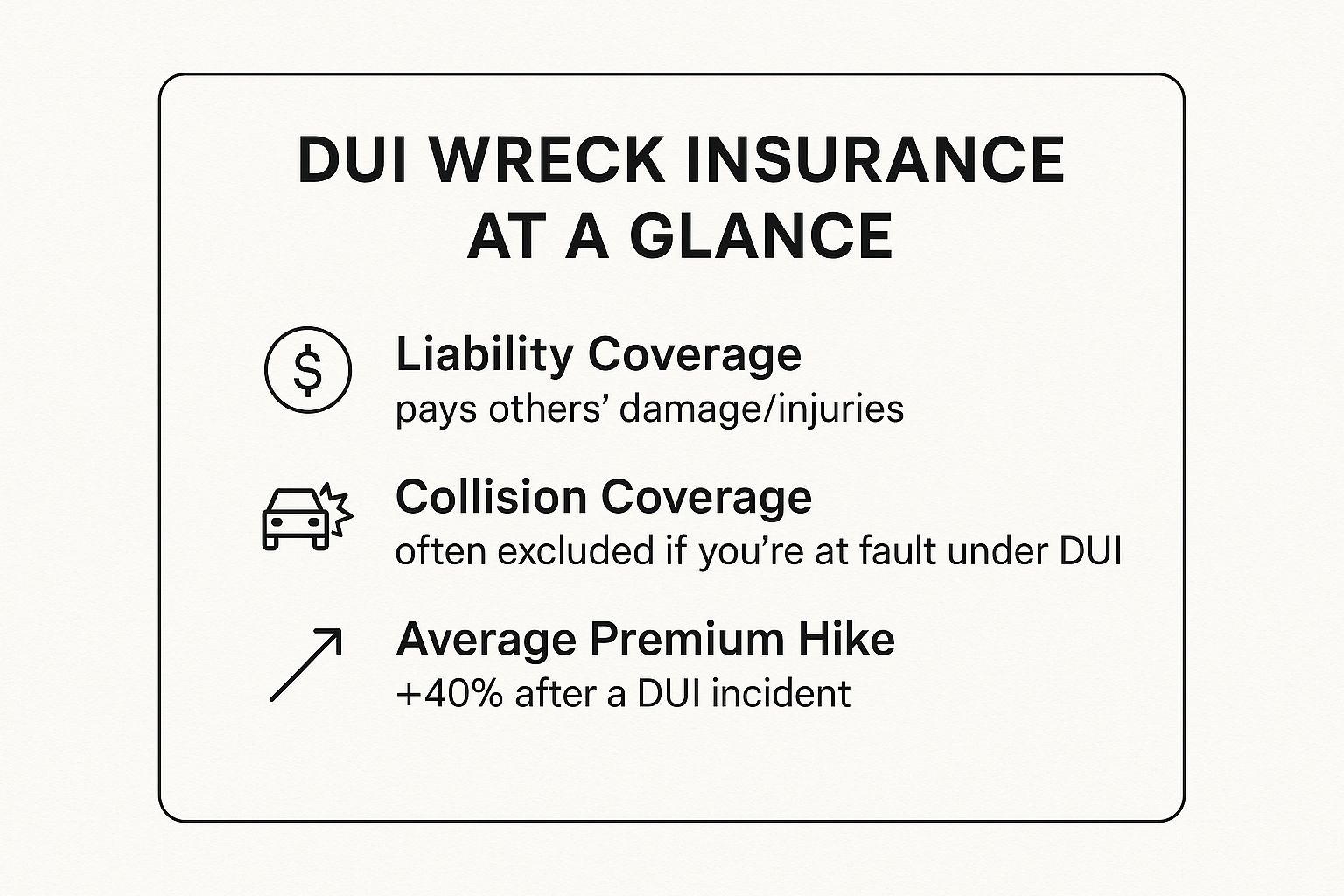
Liability insurance is the portion of your auto policy that covers damages you cause to other people’s property or physical health. In most U.S. states, insurance companies are legally required to provide a minimum level of liability coverage, even if the policyholder was driving under the influence. This is because state laws often prioritize the rights of innocent third parties who suffer property damage or personal injury.
However, providing this coverage does not mean the insurer is acting in the policyholder's favor. If an insurance company pays out a liability claim for damages caused by your DUI, they are often performing a mandatory duty under state financial responsibility laws. Once the claim is settled, the insurer may increase your premiums significantly, non-renew your policy, or, in some jurisdictions, seek reimbursement from you for the funds paid out on your behalf, depending on the language of your specific contract and local statutes.
Collision and Comprehensive Coverage Exclusions
While liability coverage is often mandatory, collision and comprehensive coverage—the parts of your policy that pay for damage to your own vehicle—are optional. When you enter into a contract for these coverages, you agree to specific terms and conditions. Many insurance policies contain "illegal act" exclusions.
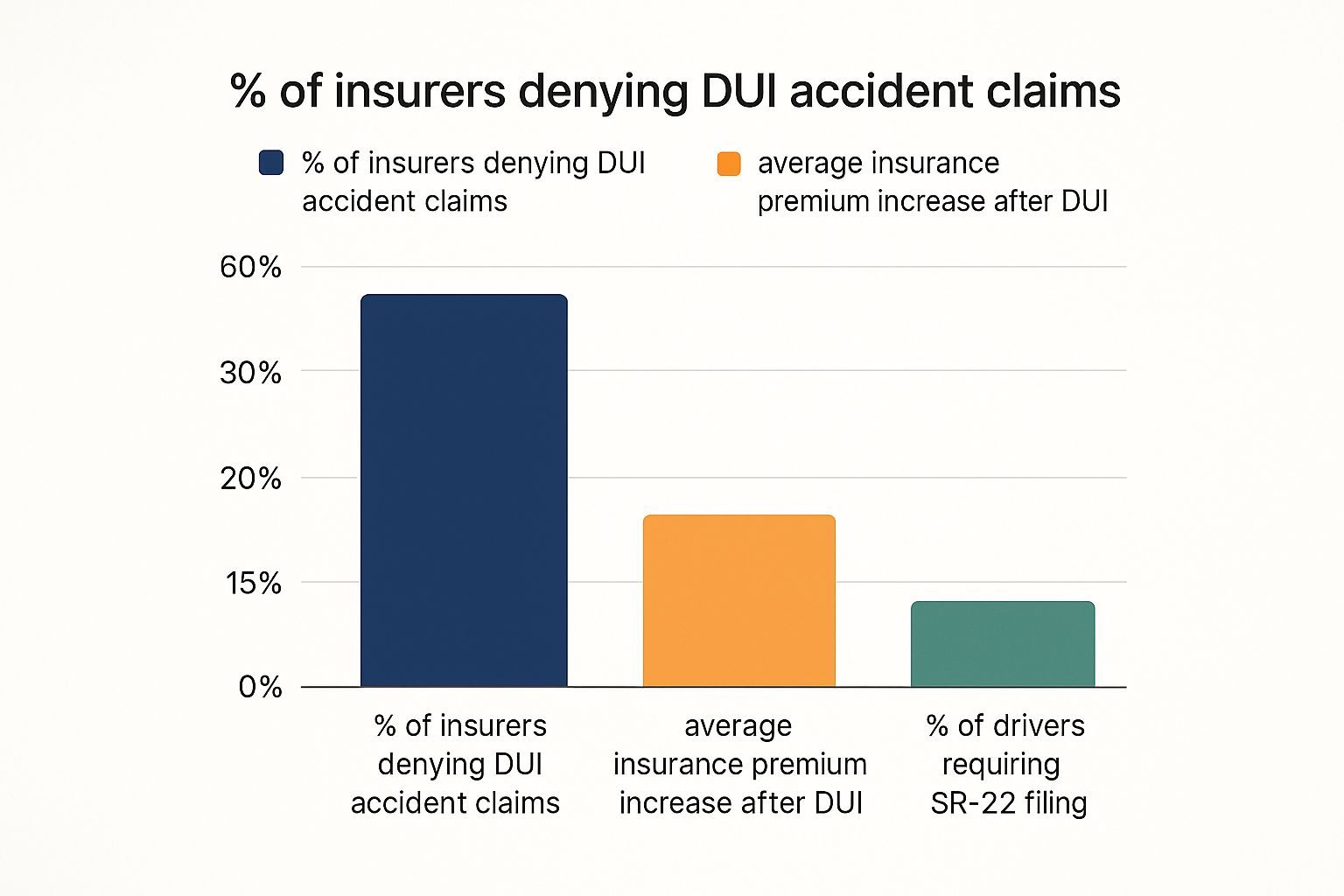
If your insurance company determines that you were operating a vehicle under the influence at the time of an accident, they may categorize the incident as a breach of your policy terms. Consequently, they may legally deny a claim for repairs to your vehicle. Because this is a civil contract between you and the insurer, the provider has substantial latitude in deciding whether to cover damage sustained while the policyholder was committing a crime.
The Financial Reality of Claims Denial
If your insurer denies a claim for your own vehicle damage due to a DUI, you become personally liable for the full cost of the repairs or the replacement value of your car. This often creates a cascade of financial consequences:
- Out-of-Pocket Repairs: You must pay for all bodywork, engine repairs, or total-loss replacements without any financial assistance from your insurer.
- Medical Expenses: If you were injured in the accident, your personal health insurance may also look for ways to exclude coverage if the injury resulted from an illegal activity, potentially leaving you responsible for significant medical bills.
- Increased Premiums: Even if the insurer pays out for third-party damages, your status as a "high-risk" driver will almost certainly result in a steep increase in premiums for several years, provided the company chooses to keep you as a customer at all.
Understanding Policy Exclusions and Contract Law
Insurance contracts are highly specific legal documents. An "exclusion" is a provision in an insurance policy that eliminates coverage for certain types of risks or circumstances. In the context of a DUI, insurers often rely on the principle that insurance should protect against "fortuitous" events—unforeseen, accidental occurrences. By driving under the influence, some insurers argue that the driver has willfully engaged in reckless behavior that moves the resulting accident outside the definition of an accidental event.
Common Coverage Limitations
The following table outlines how different types of coverage typically react to a DUI-related incident:
| Coverage Type | Typical Response to DUI | Potential Outcome |
|---|---|---|
| Liability (Bodily Injury) | Usually required by state law | Insurer pays third party, then raises rates |
| Liability (Property Damage) | Usually required by state law | Insurer pays third party, may cancel policy |
| Collision (Your Car) | Often excluded by "illegal act" clause | Claim may be denied; zero payout |
| Comprehensive (Non-collision) | Subject to policy review | Generally unaffected unless DUI-related |
| Medical Payments (MedPay) | Policy-dependent | Often excluded if DUI is confirmed |
Next Steps Following a DUI Accident
If you have been involved in an accident while driving under the influence, the immediate priority is understanding your contractual obligations and legal risks.
- Review Your Policy Documents: Locate the "Exclusions" section of your auto insurance policy. Look for language regarding "illegal acts," "commission of a crime," or "driving under the influence."
- Consult with Legal Counsel: Because a DUI involves both criminal law and civil insurance contracts, you should speak with an attorney who specializes in either traffic law or insurance defense. They can advise you on how to handle inquiries from your insurance company.
- Transparency with Insurers: While you should never admit guilt or provide unnecessary detail that could be used against you in court, you are generally required by your policy to report accidents. Failure to report an accident can lead to an automatic denial of coverage, even if the coverage would have otherwise been applicable.
- Prepare for Non-Renewal: A DUI is one of the most significant factors in policy non-renewal. You may need to prepare for the possibility of having to seek high-risk insurance (often known as SR-22 insurance in many states), which is significantly more expensive than standard policies.
Frequently Asked Questions
Can my insurance company cancel my policy immediately after a DUI? While many states have regulations that prevent an insurer from canceling a policy mid-term without cause, a DUI often constitutes a significant change in risk. Most insurers will choose not to renew your policy at the end of the current term.
Will my insurance pay for my car if I am found innocent of the DUI? If you are acquitted of the DUI charge in a court of law, your insurance company may be required to reconsider a denied claim. However, the standard of proof in a civil insurance dispute can be different from the "beyond a reasonable doubt" standard used in criminal court.
Does insurance cover damage if I was driving someone else’s car while under the influence? Generally, liability insurance follows the vehicle, not the driver. However, if the owner of the vehicle allowed you to drive while you were intoxicated, their insurance provider may deny claims or face significant legal issues, and your own insurance may provide secondary coverage depending on the terms of your policy.
How long will a DUI affect my auto insurance premiums? In most jurisdictions, a DUI conviction remains on your motor vehicle record for three to five years. During this period, you will likely pay higher premiums, and you may lose eligibility for "good driver" discounts.
Is it ever better to pay for repairs myself rather than reporting a DUI accident? Reporting an accident is almost always a requirement of your policy. Failing to report an accident can lead to the termination of your coverage or even allegations of insurance fraud, which carries much more severe penalties than a simple claim denial.
Professional Disclaimer
The information provided here is for educational purposes and does not constitute legal or financial advice. Insurance laws vary significantly by state and country. Always consult your specific insurance policy document and, where necessary, a qualified legal professional to understand your rights and obligations following an incident involving a DUI.
Image Gallery