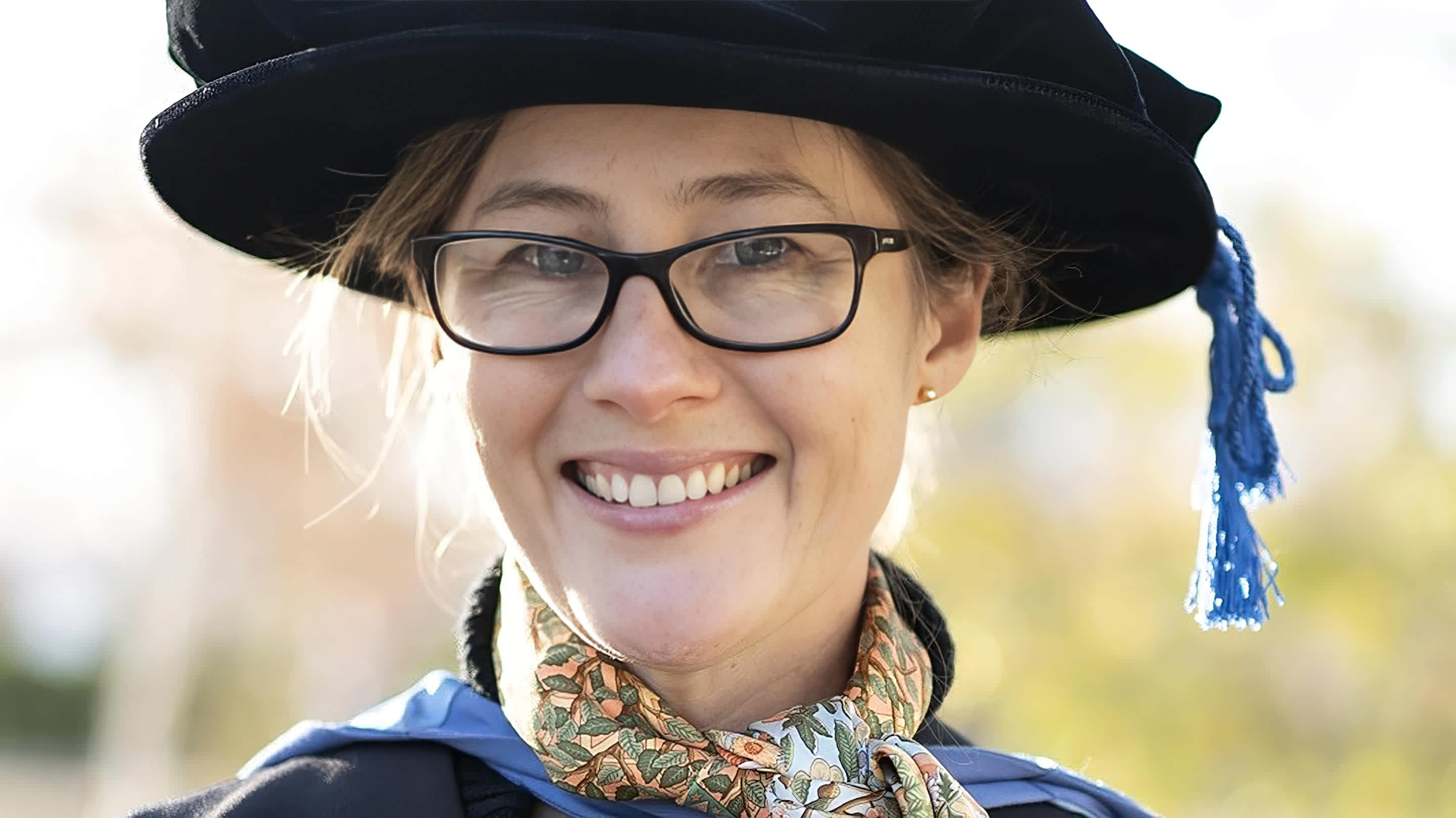
Graham Drake the Medieval Scholar: Life, Scholarly Contributions, and Legacy
Graham Drake (1958–2020) was a distinguished Professor of English and Medieval Studies at SUNY Geneseo, recognized for his profound impact on Middle English scholarship and Arthurian literature. His career was defined by a commitment t...
Graham Drake (1958–2020) was a distinguished Professor of English and Medieval Studies at SUNY Geneseo, recognized for his profound impact on Middle English scholarship and Arthurian literature. His career was defined by a commitment to making complex medieval texts accessible through the TEAMS Middle English Texts Series and his award-winning pedagogy in gender and sexuality studies.
Contents
As of 2026, the academic community continues to reference the work of Graham Drake when discussing the intersection of Middle English romance, the works of Sir Thomas Malory, and the evolution of medieval gender identities. His contributions were not merely confined to the ivory tower; they were instrumental in shaping how undergraduates across the United States engage with the linguistic and cultural nuances of the 14th and 15th centuries. Understanding Drake’s influence requires an exploration of his academic origins, his editorial rigor, and his unique approach to the "interdisciplinary Middle Ages."
Academic Foundation and Professional Trajectory
The scholarly path of Graham Drake was rooted in a rigorous tradition of philology and literary analysis. He completed his undergraduate studies at St. Olaf College, a background that often influenced his interest in the intersections of faith, community, and literature. However, it was at the University of Pennsylvania where his focus on the medieval period solidified. During his doctoral candidacy, Drake immersed himself in the complexities of Middle English, a period of the English language spanning roughly from the Norman Conquest in 1066 to the late 15th century.
Drake’s doctoral research and early papers frequently grappled with the structural elements of medieval narrative. Unlike many of his contemporaries who focused strictly on the historical "facticity" of the Middle Ages, Drake was deeply interested in the reception of the literature—how the texts were read, performed, and understood by their contemporary audiences. This perspective eventually led him to a long and fruitful tenure at the State University of New York (SUNY) at Geneseo, where he remained a pillar of the English Department for nearly three decades.
The TEAMS Project and Editorial Excellence
Perhaps the most enduring technical contribution Graham Drake made to the field was his involvement with the Teaching Association for Medieval Studies (TEAMS). The TEAMS Middle English Texts Series is a collaborative effort designed to provide high-quality, glossed editions of medieval works for classroom use.
Before the widespread success of the TEAMS project, many Middle English texts were either locked in expensive, dense scholarly editions intended for specialists or translated into modern English, which often stripped away the poetic meter and linguistic flavor of the original. Drake’s work as a general editor and contributor helped bridge this gap.
Editorial Philosophy
Drake believed that students should not be "afraid" of the original language. His editorial work focused on:
- Marginal Glossing: Providing immediate definitions for archaic terms without requiring the reader to flip to a back-page glossary.
- Syntactic Preservation: Maintaining the original word order of the Middle English while providing enough punctuation to guide a modern reader’s comprehension.
- Contextual Introductions: Writing prefaces that situated the work within its specific social and political milieu, such as the tensions of the Hundred Years' War or the aftermath of the Black Death.
By standardizing these editorial practices, Drake ensured that works like Sir Gawain and the Green Knight or the various "Breton Lays" became staples of the undergraduate curriculum, rather than obscure footnotes.
Specialist in Malory and Arthurian Literature
At the heart of Graham Drake’s research was Sir Thomas Malory’s Le Morte Darthur. For a medievalist, Malory represents a unique challenge; his work is a massive compilation and translation of French and English sources, written while the author was likely imprisoned during the Wars of the Roses.
Drake’s scholarship on Malory often centered on the Winchester Manuscript, which was rediscovered in 1934 and offered a version of the text significantly different from the one printed by William Caxton in 1485. Drake’s analysis helped clarify how Malory reshaped the concept of the "Round Table" not just as a fellowship of knights, but as a fragile political entity. He was particularly interested in how Malory’s prose reflected the anxieties of a changing England, moving away from the feudal certainties of the past toward a more complex, individualized experience of chivalry.
Gender and Sexuality in the Middle Ages
Long before "Gender Studies" became a ubiquitous part of the humanities, Graham Drake was exploring the fluidities of identity in medieval literature. He was a pioneer in applying modern theoretical frameworks to ancient texts to reveal how medieval authors conceptualized masculinity and femininity.
Drake often argued that the Middle Ages were far more nuanced regarding gender than popular "Dark Ages" tropes suggest. He examined the "Knight of the Cart" (Lancelot) and other Arthurian figures through the lens of performance. In Drake’s view, chivalry was a performance of gender that required constant validation. His work on medieval sexuality often highlighted the "homosocial" bonds between knights—the deep, non-romantic but intensely emotional connections that drove much of the narrative action in medieval romance.
This area of his research was particularly impactful in the classroom. At SUNY Geneseo, his courses on "Gender and Sexuality in the Middle Ages" were highly sought after, as they challenged students to reconsider their assumptions about the historical progress of identity and rights.
The SUNY Geneseo Legacy and Pedagogy
In the academic world, scholars are often categorized as either "researchers" or "teachers." Graham Drake was a rare hybrid who excelled at both. In 2011, he received the SUNY Chancellor’s Award for Excellence in Teaching, one of the highest honors in the state university system.
His pedagogical approach was defined by:
- Linguistic Immersion: He required students to read Middle English aloud, believing that the sounds of the language were essential to understanding its emotional weight.
- Interdisciplinary Connections: He frequently collaborated with the history, art history, and philosophy departments to give his students a 360-degree view of the medieval world.
- Mentorship: Drake was known for his "open door" policy, often spending hours helping students navigate the complexities of Old French or the theological nuances of Dante’s Divine Comedy.
Summary of Academic Milestones
| Category | Details | Significance |
|---|---|---|
| Primary Institution | SUNY Geneseo | Professor of English (nearly 30 years) |
| Major Editorial Role | TEAMS Middle English Texts | Standardized accessible versions of medieval works |
| Core Expertise | Sir Thomas Malory | Expert on Le Morte Darthur and the Winchester MS |
| Research Niche | Gender & Sexuality | Explored masculinity and homosociality in romance |
| Key Award | Chancellor’s Award for Excellence | Recognized superior undergraduate instruction |
| Education | PhD, University of Pennsylvania | Trained in elite philological and literary traditions |
The Enduring Value of Medieval Studies in 2026
In the current educational landscape of 2026, the work of scholars like Graham Drake serves as a reminder of the "relevance of the irrelevant." While medieval studies are sometimes viewed as disconnected from the modern digital economy, Drake’s career demonstrated that studying the Middle Ages is essentially a study of human nature, power, and identity.
His work helps modern readers understand that:
- Media Transitions: The shift from manuscript to print in the 15th century (which Drake studied through Malory and Caxton) parallels our current shift from print to digital.
- Globalism: The medieval world was deeply interconnected, with trade and literary influences flowing between Europe, the Middle East, and Asia—a theme Drake often highlighted in his lectures.
- Language Evolution: Understanding Middle English provides the necessary tools for critical thinking about how our current language is shaped by political and cultural forces.
Frequently Asked Questions
What was Graham Drake's most significant publication?
While Drake was a prolific editor and contributor to the TEAMS project, his most significant impact came through his collaborative editorial work on the Middle English Texts Series. He was also highly regarded for his scholarly articles on Malory's Morte Darthur and his chapters in volumes focusing on gender and sexuality in the Middle Ages. His work often appeared in the Journal of Medieval Religious Cultures.
How did Graham Drake contribute to the TEAMS project?
Graham Drake served as a General Editor and advisory board member for the Teaching Association for Medieval Studies (TEAMS). In this role, he was responsible for vetting and refining editions of Middle English texts to ensure they were linguistically accurate yet accessible to students. His work helped create a uniform standard for glossing and introductory material that is still used in universities today.
What are "Middle English Breton Lays," and why did Drake study them?
Breton Lays are short, rhymed romances that often involve elements of the supernatural or "faerie." They were a major interest for Drake because they represented a crossover between oral folk traditions and formal courtly literature. His analysis of these texts often focused on how they challenged standard social hierarchies and gender roles.
Why is Malory's Winchester Manuscript important in Drake's work?
The Winchester Manuscript (discovered in 1934) is a contemporary copy of Malory’s work that predates the first printed edition by Caxton. It lacks the heavy-handed editorial cuts and reorganizations made by Caxton. Drake utilized this manuscript to explore Malory’s original intentions, particularly regarding the structure of the "tales" and the darker, more political themes of the Arthurian collapse.
What was the "interdisciplinary" approach Drake used?
Drake did not view literature in a vacuum. His teaching and research incorporated medieval paleography (the study of ancient handwriting), codicology (the study of books as physical objects), and historical theology. This allowed him to explain why an author used a certain word or theme based on the physical constraints of the book or the religious laws of the era.
Final Recommendation for Students and Scholars
For those looking to engage with the legacy of Graham Drake, the best starting point is to explore the TEAMS Middle English Texts Series through the University of Rochester’s digital repository. These texts embody Drake’s mission: to bring the vibrant, strange, and beautiful world of the Middle Ages to a modern audience without losing the integrity of the original voice. Whether you are a student of Malory or a researcher in gender studies, Drake’s work provides a template for academic rigor paired with a genuine passion for the human stories found within parchment and ink.
Image Gallery