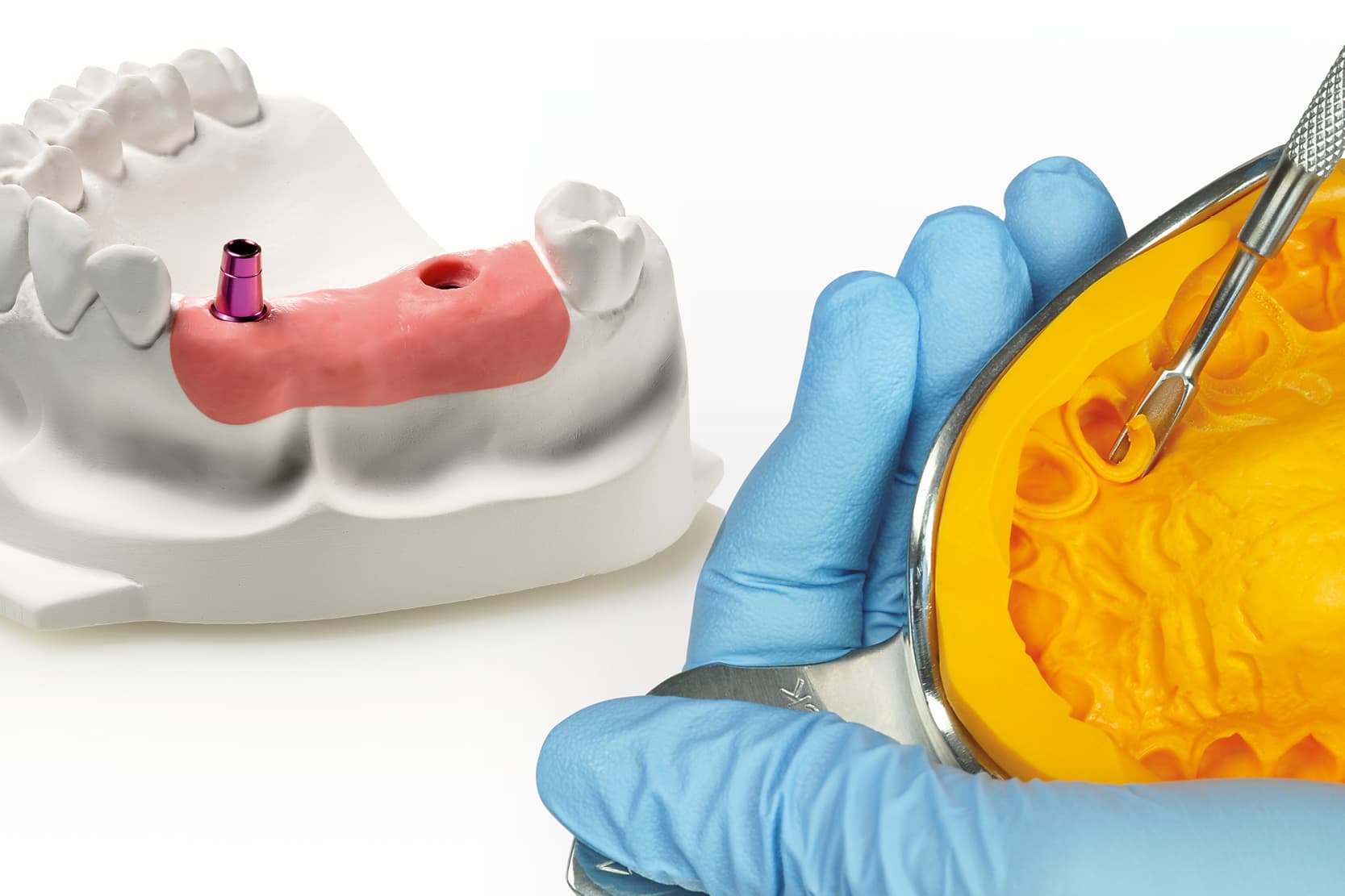
What Are the Types of Impression Materials Used in Dentistry?
Dental impression materials are specialized substances used to create an accurate negative replica of the teeth and surrounding oral tissues, which clinicians then use to fabricate diagnostic models, crowns, bridges, dentures, and orth...
Dental impression materials are specialized substances used to create an accurate negative replica of the teeth and surrounding oral tissues, which clinicians then use to fabricate diagnostic models, crowns, bridges, dentures, and orthodontic appliances. These materials are broadly categorized into elastic (elastomers and hydrocolloids) and inelastic (such as impression plaster, zinc oxide eugenol, and impression compound) types, each engineered with specific setting mechanisms, dimensional stabilities, and clinical indications to suit various restorative and surgical procedures.
Contents
Introduction to Dental Impression Materials
In restorative dentistry and prosthodontics, the foundation of a successful prosthesis begins with a precise anatomical replication of the oral cavity. Impression materials capture the exact contours of prepared teeth, soft tissues, and spatial relationships between the upper and lower jaws. Selecting the appropriate material requires balancing mechanical properties, patient comfort, dimensional accuracy, and compatibility with dental laboratory stone or digital scanning systems.
Understanding the classification of these materials is essential for dental professionals aiming to minimize distortion, prevent tearing upon removal from undercuts, and ensure long-term clinical success. Broadly speaking, these substances are divided into rigid (inelastic) categories that are reserved for edentulous ridges where no undercuts exist, and flexible (elastic) categories that can reliably pass over bulbous crowns and tooth undercuts without permanent deformation.
Elastic Impression Materials
Elastic materials are capable of elastic recovery, meaning they can be deformed or stretched when removed from dental undercuts and return to their original dimensions. This group is subdivided into hydrocolloids (reversible and irreversible) and elastomers (polysulfides, polyethers, condensation silicones, and addition silicones).
Hydrocolloids
Hydrocolloid materials use water as their dispersion medium. They are divided into two distinct chemical families:
- Irreversible Hydrocolloid (Alginate): Alginate is the most widely used impression material in dentistry for preliminary casts, study models, and opposing arches. It is derived from seaweed (marine kelp) and sets via a chemical reaction when mixed with water. While economical, easy to use, and comfortable for the patient, alginate has low tear resistance and undergoes syneresis (loss of water) and imbibition (absorption of water), requiring immediate pouring of the dental stone cast.
- Reversible Hydrocolloid (Agar): Agar changes from a gel to a sol state based on temperature. It requires specialized water-cooled trays and conditioning equipment. Although it yields exceptional accuracy and can record fine details in wet environments, its complex equipment requirements and low mechanical strength have made it largely obsolete in modern crown and bridge procedures.
Elastomers
Elastomers are rubber-like synthetic polymers that set via polymerization reactions. They offer high dimensional stability and superior tear resistance compared to hydrocolloids, making them the standard of care for fixed prosthodontics.
- Polysulfide: One of the oldest elastomeric materials, polysulfide sets via a condensation polymerization reaction that releases water byproducts. It exhibits high tear strength and good flexibility, but has a long setting time, a distinct sulfur odor, and requires prompt pouring due to dimensional shrinkage from water loss.
- Polyether: Polyether is a hydrophilic elastomer that sets via a ring-opening polymerization reaction. Its natural affinity for moisture makes it highly effective in subgingival environments where moisture control is difficult. Polyether is rigid when set, providing high dimensional accuracy, though its stiffness can make removal difficult in cases with severe undercuts.
- Condensation Silicone: These silicone materials cure via an alcohol-releasing condensation reaction. They are clean and pleasant to use, but the evaporation of the alcohol byproduct leads to significant dimensional shrinkage over time, necessitating that casts are poured almost immediately.
- Addition Silicone (Polyvinyl Siloxane - PVS): PVS is widely considered the gold standard for fixed prosthodontics due to its exceptional dimensional stability, low elastic recovery distortion, and high tear strength. PVS materials cure via addition polymerization without releasing byproducts. They are available in various viscosities (heavy body, regular body, light body, and putty) and can be poured multiple times days after the impression is taken.
| Material Type | Primary Clinical Use | Dimensional Stability | Hydrophilicity / Hydrophobicity |
|---|---|---|---|
| Alginate | Study models, opposing arches | Low (must pour immediately) | Hydrophilic |
| Agar | Crown and bridge (historical) | Moderate | Hydrophilic |
| Polysulfide | Complete dentures, fixed prosthetics | Moderate to Low | Hydrophobic |
| Polyether | Fixed prosthodontics, implant impressions | High | Hydrophilic |
| Condensation Silicone | Laboratory duplication, crown impressions | Low to Moderate | Hydrophobic |
| Addition Silicone (PVS) | Crown, bridge, and implant dentistry | Very High | Hydrophobic (variants available with surfactants) |
Inelastic Impression Materials
Inelastic or rigid materials cannot flex over undercuts without fracturing. Consequently, their clinical application is strictly limited to edentulous arches where undercuts are absent or surgically blocked out.
Impression Plaster
Impression plaster is a dental gypsum product formulated with additives to control setting expansion and time. Historically used for recording edentulous arches, it produces a rigid, highly detailed surface. However, its brittleness, lack of elasticity, and patient discomfort have led to its replacement by modern elastomeric alternatives.
Zinc Oxide Eugenol (ZOE)
ZOE impression paste consists of two pastes—zinc oxide and eugenol—that react chemically when mixed. It provides excellent surface detail reproduction and dimensional stability because it undergoes negligible polymerization shrinkage. ZOE is frequently used as a wash material inside custom trays for secondary impressions of edentulous ridges in complete denture fabrication.
Impression Compound
Impression compound is a thermoplastic resin material that softens when heated in a water bath and hardens as it cools in the mouth. It is typically supplied in cakes or sticks and is used primarily for border molding custom impression trays or capturing preliminary impressions of edentulous ridges.
Factors Influencing Material Selection
Clinicians select impression materials based on a systematic evaluation of clinical parameters, procedural requirements, and material science properties:
- Clinical Indication: Fabricating a fixed crown requires the high tear resistance and dimensional stability of PVS or polyether, whereas making an orthodontic study model only requires alginate.
- Tissue Environment: Subgingival margins in a moist environment favor hydrophilic materials like polyether or surfactant-modified PVS.
- Tray Configuration: Stock trays are suitable for irreversible hydrocolloids, while elastomeric materials typically require custom-fabricated rigid trays to minimize material thickness variation and reduce polymerization shrinkage.
- Pouring Window: If a dental laboratory is off-site, materials with high dimensional stability (such as PVS) are essential to prevent distortion during transit.
Common Mistakes and Troubleshooting
Errors during the impression-taking process can compromise the fit of the final restoration. Common pitfalls include:
- Inadequate Setting Time: Premature removal of elastomeric materials before polymerization is complete results in permanent elastic distortion. Clinicians must strictly adhere to manufacturers' recommended setting times.
- Tray Deflection: Flexible stock trays can warp under pressure during seating, distorting the set material. Rigid custom trays mitigate this risk.
- Moisture Contamination: Saliva and blood interfere with the surface detail capture of hydrophobic materials, leading to voids and surface irregularities in the cast.
- Improper Adhesive Application: Failure to apply tray adhesive or allowing it insufficient drying time can cause the impression material to pull away from the tray walls upon removal from the mouth.
Frequently Asked Questions
What is the difference between elastic and inelastic impression materials?
Elastic impression materials can stretch or flex over tooth undercuts and spring back to their original form without permanent deformation, making them suitable for dentulous and partially edentulous mouths. Inelastic materials are rigid and fracture if forced over undercuts, restricting their use entirely to edentulous ridges.
Why is addition silicone (PVS) preferred for crown and bridge impressions?
PVS is preferred because of its exceptional dimensional stability, high tear strength, and minimal elastic recovery distortion. Because it does not produce volatile byproducts during setting, casts can be poured days later without dimensional loss.
Can alginate impressions be stored before pouring?
No. Alginate is an irreversible hydrocolloid prone to syneresis (shrinking due to water evaporation) and imbibition (swelling due to water absorption). Alginate impressions should be wrapped in a damp paper towel and poured within minutes to a maximum of one hour to ensure accuracy.
What makes polyether unique among elastomeric materials?
Polyether is naturally hydrophilic, meaning it readily displaces moisture and records fine details in wet subgingival environments. Its primary trade-off is high stiffness upon setting, which requires careful removal from deep undercuts.
How do custom trays improve impression accuracy?
Custom trays provide a uniform, controlled thickness of the impression material. Because elastomeric materials shrink slightly during polymerization, minimizing material bulk through a custom tray reduces overall volumetric contraction and improves dimensional accuracy.
Image Gallery