Casual Shoes for Flat Feet Men: Complete Cost Breakdown
Men shopping for casual shoes to accommodate flat feet typically spend between $60 and $300 per pair, with specialized medical-grade or custom-orthotic-compatible footwear ranging from $180 to over $400. Total long-term costs depend he...
Men shopping for casual shoes to accommodate flat feet typically spend between $60 and $300 per pair, with specialized medical-grade or custom-orthotic-compatible footwear ranging from $180 to over $400. Total long-term costs depend heavily on shoe construction, replacement frequency due to overpronation wear patterns, and whether prescription or over-the-counter orthotic insoles are required.
Contents
Understanding Flat Feet and Footwear Architecture
Flat feet, medically referred to as pes planus, occur when the arches on the inside of the feet flatten, allowing the entire sole to make contact—or near-total contact—with the floor when standing. In adult-acquired or congenital flat feet, the lack of structural arch support leads to overpronation, a condition where the foot rolls inward excessively during the gait cycle. Left unmanaged, overpronation transfers stress up the kinetic chain, causing plantar fasciitis, shin splints, knee strain, lower back pain, and premature wear on footwear.
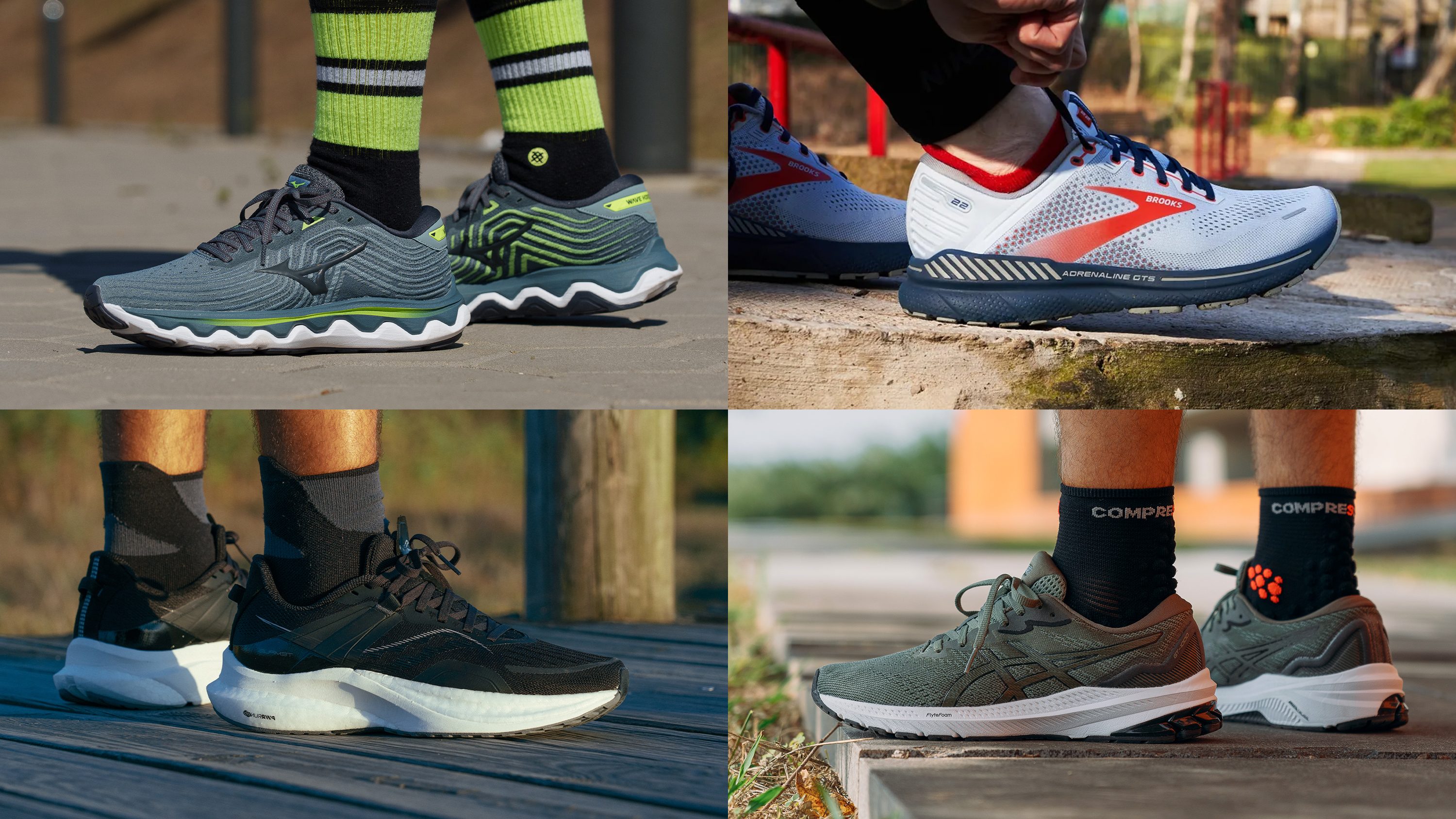
Casual footwear for men with flat feet must satisfy different structural criteria than standard fashion sneakers or soft canvas slip-ons. Soft, unstructured shoes allow the medial longitudinal arch to collapse completely, accelerating fatigue and joint strain. To counteract this, supportive casual shoes incorporate key architectural elements:
- Medial Arch Support: Firm contouring along the instep that prevents the arch from collapsing downward during weight bearing.
- Firm Heel Counter: A rigid structure wrapping around the back of the heel to stabilize the calcaneus bone and prevent excessive inward rolling.
- Torsional Rigidity: A reinforced midfoot shank (often made of thermoplastic polyurethane, carbon fiber, or dense composite) that prevents the shoe from twisting easily across the middle.
- Wide Toe Box: Ample room in the forefoot to accommodate natural toe splay, reducing pressure on the first metatarsal joint often exacerbated by flat feet.
- Removable Footbeds: Deep heel cups and removable insoles that allow users to insert prescription orthotics or high-grade over-the-counter arch supports.
Investing in casual shoes engineered with these characteristics requires evaluating both upfront purchase prices and ongoing maintenance costs.
Casual Shoes for Flat Feet Men: Cost Breakdown by Tier
The market for men's flat-foot casual shoes spans three main price tiers, each offering distinct levels of structural support, material quality, and expected lifespan.
| Tier | Price Range | Category |
|---|---|---|
| Budget Tier | $60 - $100 | Mass-Market Orthotic Comfort |
| Mid-Range Tier | $100 - $180 | Podiatrist-Designed / Motion |
| Premium Tier | $180 - $350+ | Handcrafted Leather / Custom |
| Custom Insoles | $300 - $800 | Medical-Grade Prescription |
1. Budget Tier: $60 to $100
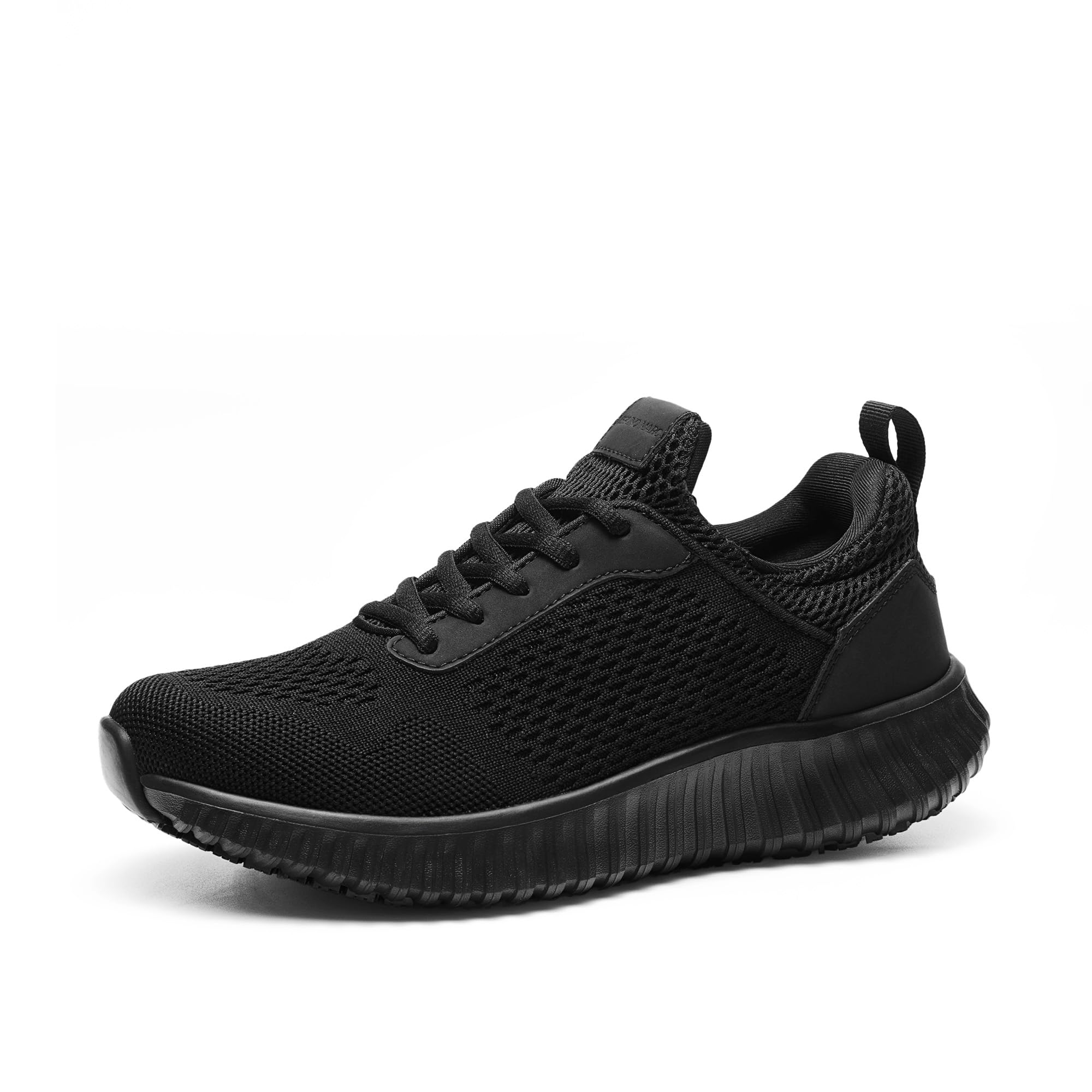
Budget-friendly casual shoes in this bracket rely on mass-produced ethylene-vinyl acetate (EVA) foam insoles and molded arches. Brands operating in this space design entry-level comfort shoes aimed at general arch support rather than aggressive motion control.
- Construction Quality: Standard synthetic leather, mesh, or lightweight canvas uppers with basic EVA midsoles. The arch support is usually built directly into a non-removable soft footbed or a basic molded foam insert.
- Support Capabilities: Provides mild arch support suitable for flexible flat feet without severe overpronation. Torsional rigidity is often moderate to low.
- Typical Lifespan: 4 to 6 months of daily wear (roughly 200 to 300 miles of walking). The foam midsoles compress quickly under continuous overpronation pressure.
- Representative Brands: Skechers (Arch Fit line), budget lines from New Balance, and entry-level orthopedic casuals sold through mass retail networks.
2. Mid-Range Tier: $100 to $180
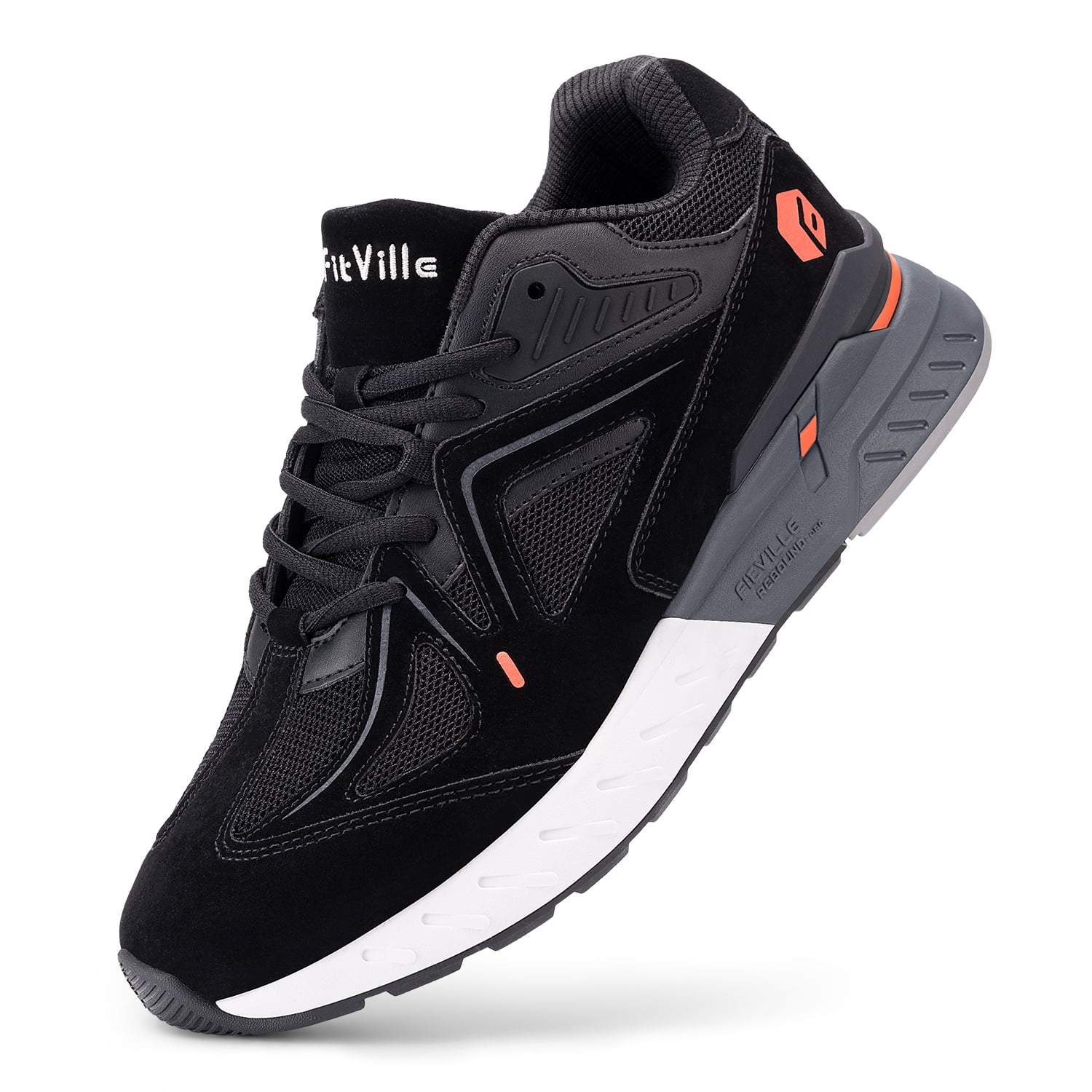
The mid-range category represents the sweet spot for price-to-performance ratio for men with moderate flat feet or symptomatic overpronation. Shoes in this price band often feature podiatrist-designed footbeds, dual-density midsoles, and removable insoles that accommodate orthotics.
- Construction Quality: Premium full-grain or nubuck leathers, reinforced textile linings, dual-density EVA or polyurethane (PU) midsoles, and durable rubber outsoles.
- Support Capabilities: High torsional rigidity, firm medial posts, deep heel cups, and engineered arch bridges. These shoes actively resist inward foot collapse and maintain alignment throughout the day.
- Typical Lifespan: 8 to 12 months under daily casual use (approximately 400 to 600 miles). Midsoles retain structural integrity significantly longer than budget foams.
- Representative Brands: Vionic, Orthofeet, Brooks (Walker series), New Balance (928 and 847 casual series), Clarks (Unstructured series), and Dunham.
3. Premium and Specialty Tier: $180 to $350+
Premium casual shoes cater to men seeking high-end materials, sophisticated aesthetic styling (such as executive casual dress shoes or handcrafted leather sneakers), or specialized therapeutic design features.
- Construction Quality: Italian or European full-grain leathers, hand-stitched welt or direct-inject polyurethane soles, memory-foam-topped cork footbeds, and moisture-wicking natural leather linings.
- Support Capabilities: Anatomically molded cork-latex footbeds that shape to the foot over time, or ultra-rigid orthopedic chassis built specifically for severe flat feet, rigid flat feet, or heavy body weights.
- Typical Lifespan: 12 to 24+ months. Polyurethane outsoles and high-grade leathers do not compact easily, and many shoes in this tier can be resoled or re-crafted.
- Representative Brands: Mephisto, SAS (San Antonio Shoemakers), Birkenstock (leather casual shoe lines), Finn Comfort, and ECCO (motion-control casual lines).
Additional and Hidden Costs of Footwear for Flat Feet
Purchasing the shoe frame is only one portion of the long-term investment. Flat feet often require supplemental supportive gear and accelerated replacement schedules that add to total ownership costs.
| Item / Service | Typical Out-of-Pocket Range |
|---|---|
| Over-the-Counter (OTC) Insoles | $30 - $75 per pair |
| Custom Prescription Orthotics | $300 - $800 (without insurance) |
| Podiatrist Consultation Copay | $30 - $150 (depends on coverage) |
| Accelerated Shoe Replacement | +$100 - $250 annually |
Over-the-Counter (OTC) Arch Support Insoles ($30 – $75)
If a casual shoe lacks sufficient built-in arch support, buyers frequently purchase aftermarket orthotic inserts (such as Superfeet, Tread Labs, or Powerstep). High-durability rigid inserts add $30 to $75 per pair and must be replaced every 12 to 18 months as the arch bridge flexes and loses tension.
Custom Prescription Orthotics ($300 – $800)
For men with severe, painful, or rigid flat feet, off-the-shelf shoes with built-in arches are often insufficient. A podiatrist casts or digitally scans the foot to create custom prescription orthotics.
- Initial Consultation & Scanning: $150 to $350 out-of-pocket (if not fully covered by medical insurance).
- Orthotic Fabrication: $300 to $500 per set.
- Total Out-of-Pocket Expense: $450 to $850+.
- Shoe Requirement: Custom orthotics require casual shoes with deep volume, a wide base, and fully removable factory insoles, restricting shoe selection primarily to the mid-range and premium tiers.
Accelerated Wear and Tear Costs
Men with flat feet wear through footwear faster than individuals with neutral arches. Inward overpronation concentrates weight on the inside edge of the heel and under the first metatarsal head. This localized pressure causes the medial side of the midsole to collapse prematurely. Even if the leather upper looks pristine, a collapsed midsole will fail to support the arch, requiring shoe replacement every 6 to 9 months for heavy daily wear.
Detailed Comparison of Casual Shoe Price Categories
| Feature / Metric | Budget Tier ($60–$100) | Mid-Range Tier ($100–$180) | Premium Tier ($180–$350+) | Custom Orthotic + Shoe Combo |
|---|---|---|---|---|
| Primary Midsole Material | Standard EVA foam | Dual-density EVA / PU | Direct-inject PU / Cork-latex | Shoe EVA/PU + Custom Plastic/Graphite |
| Arch Support Level | Low to Moderate | High (Engineered) | High to Anatomical | Fully Customized to Foot Scan |
| Torsional Rigidity | Flexes easily | Rigid midfoot shank | Reinforced composite/steel shank | Dependent on host shoe frame |
| Removable Footbed | Sometimes (often glued) | Standard across models | Standard (Deep cavity) | Mandatory |
| Average Lifespan | 4–6 months | 8–12 months | 12–24 months | 12–36 months (Orthotic outlives shoe) |
| Estimated Annual Cost | $120–$200 (2 pairs/yr) | $100–$180 (1 pair/yr) | $180–$350 (1 pair/1-2 yrs) | $450–$950 (Initial year setup) |
| Best For | Mild flat feet, light wear | Moderate overpronation, daily walking | Severe arch pain, premium style | Clinical flat feet, post-surgical support |
How to Evaluate Casual Shoes for Flat Feet Before Buying
To maximize the value of your footwear investment and prevent wasting money on ill-fitting shoes, conduct these four physical stability tests in-store or upon delivery:
Structural Integrity Testing Procedure:
Torsional Test
- Grasp heel & toe.
- Twist in opposite.
- Should NOT twist easily.
Heel Counter Test
- Squeeze back heel cup.
- Must resist collapsing inward under thumb.
Midsole Flex Test
- Bend toe upwards.
- Must bend ONLY at toes, NOT across midfoot arch.
The Torsional Rigidity Twist Test: Hold the heel of the shoe in one hand and the toe in the other. Attempt to twist the shoe like a wet towel. A supportive shoe for flat feet should resist twisting through the middle. If it wrings out easily, it will not support a collapsing arch.
The Heel Counter Squeeze Test: Push your thumb against the back of the heel counter above the sole. It should feel firm and rigid, not soft or collapsible. A stiff heel counter keeps the calcaneus straight, directly reducing overpronation.
The Midfoot Flex Test: Bend the toe of the shoe upward toward the laces. The shoe should flex exclusively at the ball of the foot (metatarsal joints), where your foot naturally bends. If the shoe folds in half across the middle of the arch, it lacks a proper shank and will cause arch strain.
Insole Depth and Volume Check: Pull out the factory footbed. Ensure the internal foot cavity is deep enough to hold a supportive insole or custom orthotic without lifting your heel out of the back of the shoe or squeezing your instep against the top leather.
Common Costly Mistakes Men Make When Buying Flat-Foot Footwear
Buying casual shoes for flat feet often involves trial and error. Avoiding common buying mistakes can save hundreds of dollars in unnecessary footwear purchases:
- Relying on Soft Memory Foam: Soft, pillow-like memory foam cushions initial impact but collapses completely within minutes of standing. It offers zero structural resistance against overpronation, forcing arch muscles to work harder to stay balanced.
- Buying Minimalist or Flat Canvas Shoes: Unstructured canvas slip-ons, thin-soled boat shoes, and classic flat vulcanized sneakers lack medial posting, elevated heels, and torsional rigidity. Wearing them daily frequently triggers acute heel pain or plantar fasciitis.
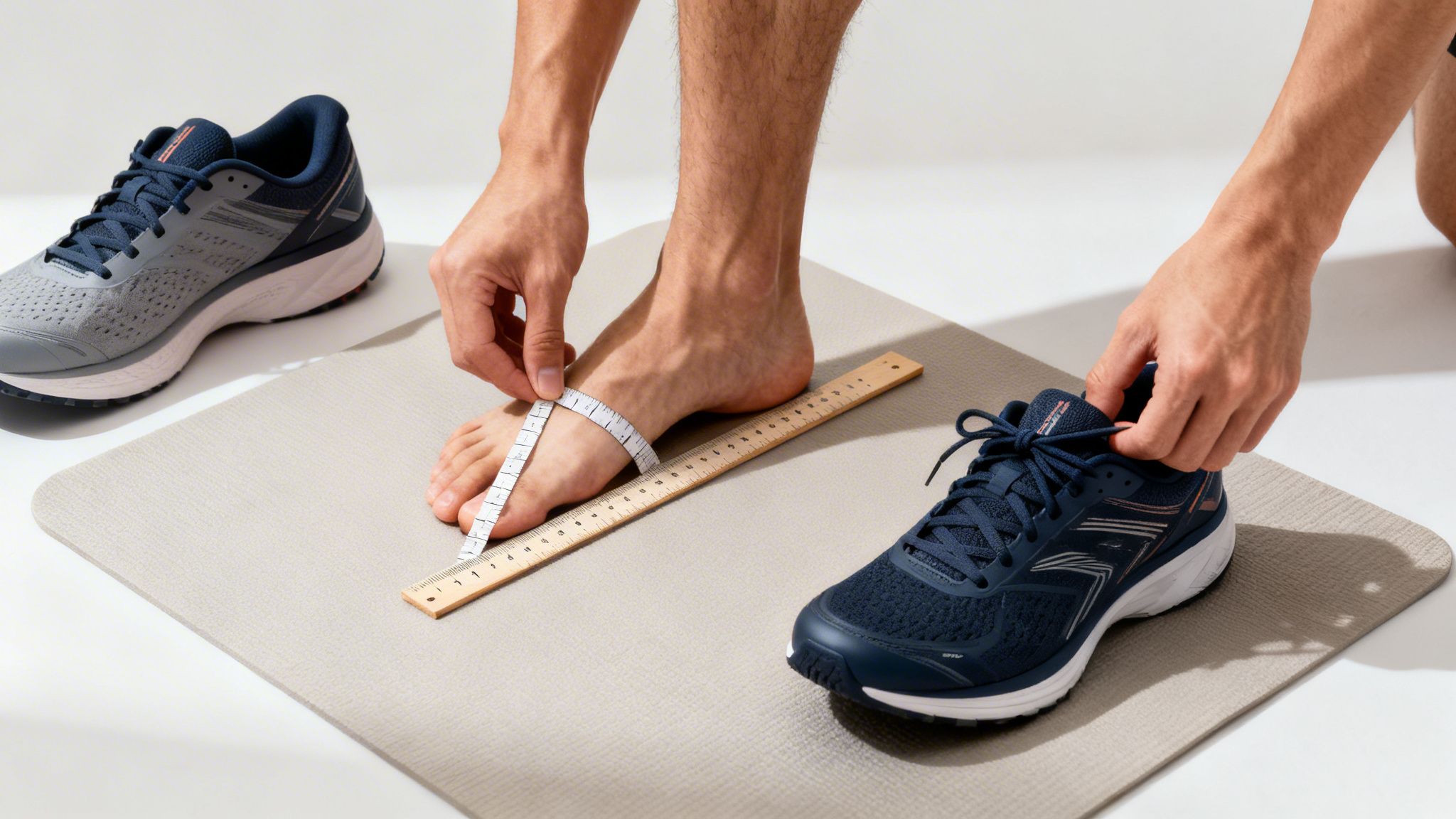
- Choosing Sizing Based on Length Alone: Flat feet broaden and lengthen under weight-bearing loads because the arch flattens out. Men often need a half-size larger or a wider width (EE or 4E) in casual shoes to prevent the lateral and medial borders of the foot from overhanging the sole unit.
- Delaying Shoe Replacement: Continuing to wear shoes after the medial foam midsole has compressed creates an asymmetrical slant that forces the foot to pronate even further inward, worsening joint wear and bodily fatigue.
Frequently Asked Questions
Are expensive orthopedic shoes always necessary for flat feet?
No. Men with mild, non-painful flexible flat feet often find sufficient support in mid-range casual sneakers ($100 to $150) featuring firm dual-density midsoles and supportive arch profiles. Premium or custom options are primarily necessary for individuals with rigid flat feet, severe overpronation, chronic foot pain, or clinical conditions like posterior tibial tendon dysfunction.
How long do casual shoes for flat feet typically last?
On average, supportive casual shoes last between 400 and 600 miles of walking, or about 6 to 12 months of consistent daily wear. Because overpronation puts asymmetrical strain on the inside border of the shoe, the internal support system often breaks down before the rubber tread shows extreme wear.
Can I put custom orthotics into standard casual shoes?
Only if the casual shoe features a removable factory insole and sufficient depth. Shoes with narrow profiles, low toe boxes, or glued-in footbeds will feel excessively tight when an orthotic is inserted, pinching the top of the foot and causing heel slippage. Look specifically for "orthotic-friendly" or removable-footbed casual shoes.
Why do flat feet destroy shoe insoles so quickly?
When the arch flattens during weight-bearing, it exerts high downward and inward pressure onto the medial side of the footbed. This concentrated load compresses standard EVA foam faster than neutral foot strike patterns, causing permanent indentation along the instep.
Is it cheaper to buy supportive shoes or cheap shoes with aftermarket insoles?
Buying a well-constructed mid-range supportive shoe ($120–$160) is generally more cost-effective than placing a $50 orthotic insert into a flimsy $40 canvas shoe. An orthotic insert requires a structurally rigid shoe frame (heel counter and shank) to function correctly; putting an arch insert inside a soft, flexible shoe will still result in foot fatigue and rapid foam degradation.
Recommended Next Steps
- Assess Your Arch Type: Perform a wet-footprint test at home or visit a specialized running/pedorthic store to determine whether your flat feet are flexible (arch appears when non-weight-bearing) or rigid (arch is flat in all positions).
- Establish Your Total Budget: Factor in both the base shoe price ($100–$180 recommended for optimal value) and potential aftermarket insoles ($40–$75) if extra arch height is required.
- Check for Removable Footbeds: When shopping online or in stores, filter specifically for shoes designated as "removable insole" or "orthotic-friendly."
- Perform Structural Quality Checks: Use the twist, heel squeeze, and midfoot flex tests on any prospective shoe before wearing it outdoors to ensure it provides sufficient motion control.
- Consult a Specialist if Pain Persists: If flat feet cause persistent heel, ankle, or knee pain, schedule an evaluation with a podiatrist before purchasing expensive footwear, as custom orthotics covered by insurance may offer the most cost-effective long-term solution.
Image Gallery