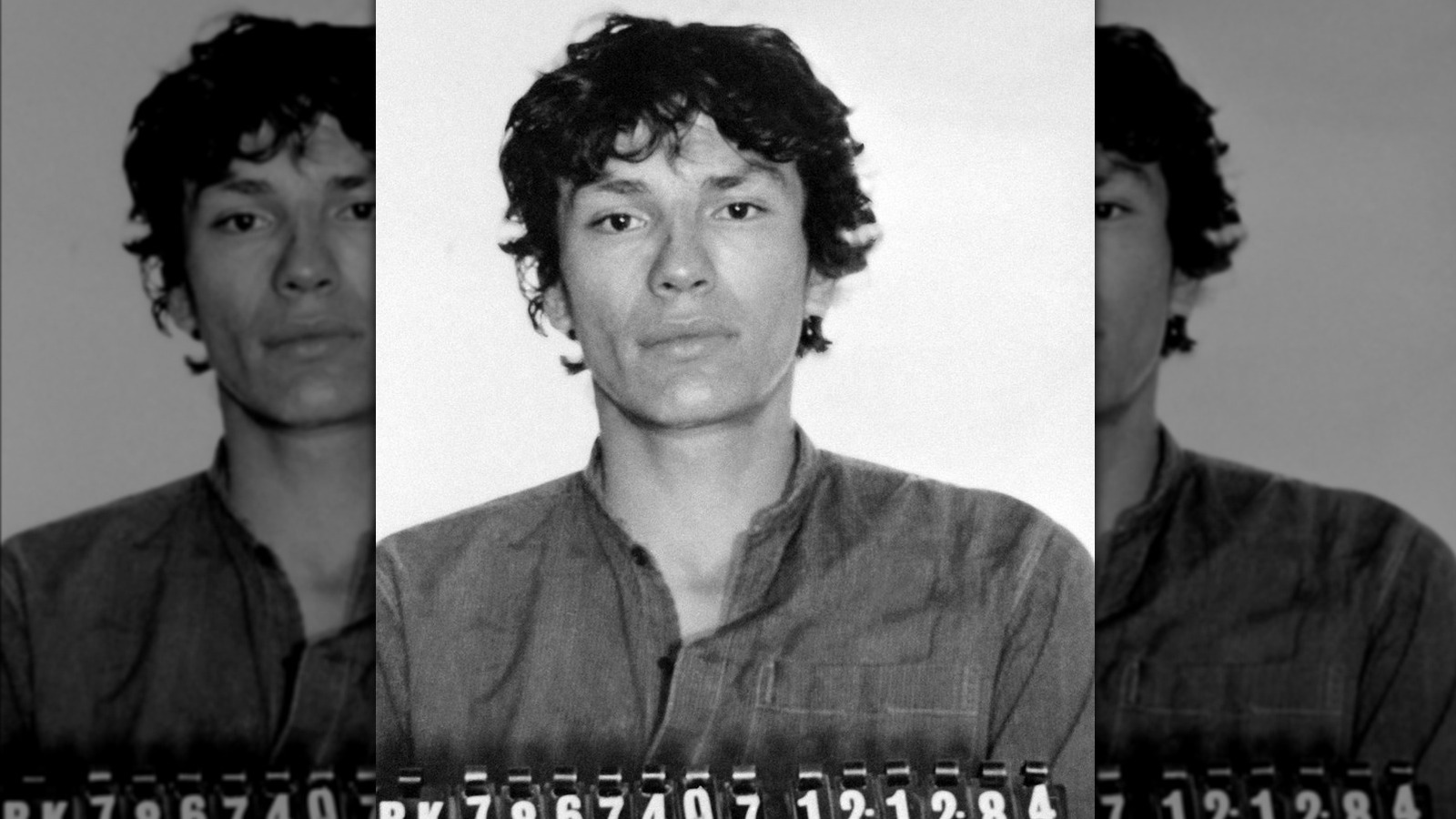
The Complex Realities and Media Mythology Surrounding Richard Ramirez and Hispanic Heritage
Richard Ramirez, notorious as the "Night Stalker" serial killer who terrorized Southern California in the mid-1980s, was of Mexican descent, a demographic fact that intersected with the cultural, social, and criminological discourses o...
Richard Ramirez, notorious as the "Night Stalker" serial killer who terrorized Southern California in the mid-1980s, was of Mexican descent, a demographic fact that intersected with the cultural, social, and criminological discourses of the era. While his ethnic background is a matter of historical record, it is often examined through the dual lenses of sensationalized true crime media and sociological analysis regarding immigrant family dynamics, regional demographics, and the sensationalism of the tabloid press.
Contents
Historical Background and Family Roots
Understanding the background of Richard Ramirez requires examining his family's migration history and socio-economic environment. Born Ricardo Leyva Muñoz Ramírez on February 29, 1960, in El Paso, Texas, he was the youngest of seven children born to Julián and Mercedes Ramírez. His father, Julián Ramírez, had worked as a police officer in Delicias, Chihuahua, Mexico, before immigrating to the United States, where he eventually secured employment as a steelworker for the Santa Fe Railroad in Texas.
The family's transition across the border reflected broader patterns of mid-century Mexican migration to the American Southwest. However, the domestic environment in which Richard grew up was marked by instability, severe corporal punishment, and psychological stressors. Criminologists and biographers have extensively documented how his upbringing in El Paso, combined with severe head injuries sustained during childhood and adolescence, contributed to his later psychological deterioration.
Despite his Mexican heritage, Ramirez’s crimes and subsequent trial took place against a backdrop of complex racial and ethnic dynamics in 1980s Southern California. The media frequently emphasized his Hispanic surname and appearance, sometimes using it to frame narratives about crime and immigration, even as law enforcement focused strictly on his individual psychopathology rather than cultural or ethnic factors.
The 1984–1985 Spree and the Media Framing of Ethnicity
The panic that gripped Los Angeles and San Francisco between June 1984 and August 1985 was unprecedented. Ramirez committed a series of home invasions, burglaries, sexual assaults, and murders characterized by extreme violence and a lack of a clear victim profile—he targeted men, women, and children across various racial and socioeconomic backgrounds.
During the height of the investigation, media coverage heavily influenced public perception. As law enforcement released composite sketches and descriptions provided by surviving witnesses, descriptors such as "dark-complected," "Hispanic," or "Latino-appearing" became focal points for public anxiety.
| Feature / Detail | Historical Record | Media Portrayal |
|---|---|---|
| Full Name | Ricardo Leyva Muñoz Ramírez | "Richard Ramirez" / "The Night Stalker" |
| Birthplace | El Paso, Texas, USA | Immigrant / Outsider narratives often emphasized |
| Parental Background | Mexican immigrants (Father from Chihuahua) | Frequently sensationalized to fit cultural tropes |
| Target Demographic | Broad and indiscriminate across Los Angeles/San Francisco | Sensationalized as suburban terror |
| Capture Date | August 31, 1985 (East Los Angeles) | Apprehended by local residents of Mexican descent |
This media focus occasionally conflated individual criminal behavior with broader ethnic stereotypes, a common phenomenon in 1980s sensationalist journalism. However, the reality of his capture subverted simplistic narratives: Ramirez was ultimately recognized, chased, and subdued not by professional law enforcement, but by alert residents—many of whom were Mexican-American working-class individuals in East Los Angeles who recognized his face from broadcasted news alerts and newspaper front pages.
Criminological Perspectives on Upbringing and Assimilation
In academic literature examining the life of Richard Ramirez, scholars often analyze the interplay between second-generation immigrant assimilation pressures, familial trauma, and severe mental illness. Growing up in El Paso during the 1960s and 1970s, Ramirez experienced the cultural friction common among children of Mexican immigrants navigating dual identities.
However, criminologists caution against attributing violent criminality to ethnic background, emphasizing instead the role of environmental toxicity, neurological trauma, and substance abuse. Key factors noted in psychological evaluations include:
- Neurological Trauma: Severe head injuries suffered during his youth, including being struck by a heavy iron bed frame and enduring car accidents.
- Substance Abuse: Early and heavy use of psychoactive substances, particularly chronic use of high-potency cannabis and later methamphetamine, which exacerbated paranoid ideation.
- Social Isolation: A history of academic withdrawal, transient living situations, and alienation from both mainstream American peer groups and traditional cultural structures.
- Deviant Influences: Close association with an older cousin, Mike Ramirez—a Vietnam War veteran who boasted about atrocities committed abroad and exposed young Richard to violent imagery and crime.
The Trial and Cultural Repercussions
When Ramirez went on trial in 1989, his courtroom behavior became a spectacle. He flashed satanic symbols, smiled at jurors, and occasionally disrupted proceedings, further fueling media mythologies that cast him as a demonic outsider. His explicit embrace of Satanism overshadowed discussions of his ethnic background in legal proceedings, though the cultural resonance of his Hispanic identity remained a subtext in discussions of crime and community safety in Southern California.
The trial resulted in 13 murder convictions, 5 attempted murders, 11 sexual assaults, and 14 burglaries, culminating in a sentence of death by gas chamber. Ramirez spent more than two decades on death row at San Quentin State Prison before dying of natural causes (B-cell lymphoma) on June 7, 2013, at the age of 53.
Frequently Asked Questions
What was Richard Ramirez's ethnic background?
Richard Ramirez was of Mexican descent. He was born in El Paso, Texas, to parents who had immigrated from Mexico, making him a second-generation Mexican-American.
Did his Mexican heritage play a role in his crimes?
Criminologists and law enforcement officials found no causal link between Ramirez's Mexican heritage and his violent crimes. His actions were attributed by experts to severe childhood trauma, neurological injuries, heavy substance abuse, and profound antisocial personality disorders.
Who captured Richard Ramirez?
Ramirez was captured on August 31, 1985, in East Los Angeles. He was recognized by local residents—many of whom were Mexican-American—who chased, detained, and beat him until police arrived after spotting him attempting to steal a car.
How did the media portray Ramirez regarding his ethnicity?
While 1980s media coverage frequently noted his Hispanic appearance and surname during the manhunt, subsequent true crime media often sensationalized his background alongside his professed interest in Satanism to construct a terrifying persona for public consumption.
Where did Richard Ramirez spend his final years?
Following his conviction and death sentence in 1989, Ramirez was incarcerated on death row at San Quentin State Prison in California, where he remained until his death from lymphoma in 2013.
Conclusion and Next Actions
For researchers, true-crime historians, and sociologists examining the Richard Ramirez case, looking past the sensationalized media myths of the 1980s requires grounding analysis in verified judicial, medical, and demographic records. When evaluating the intersection of ethnicity, media framing, and violent crime in modern American history, scholars must rely on primary court documents, peer-reviewed criminological studies, and official law enforcement archives rather than dramatized television adaptations or tabloid journalism.
Image Gallery