The Truth Behind the 21 Savage Mugshot and Immigration Controversy
When people search for the 21 Savage mugshot, they are usually looking for the iconic booking photograph released by U.S. Immigration and Customs Enforcement (ICE) following the Grammy-nominated rapper's high-profile arrest in February...
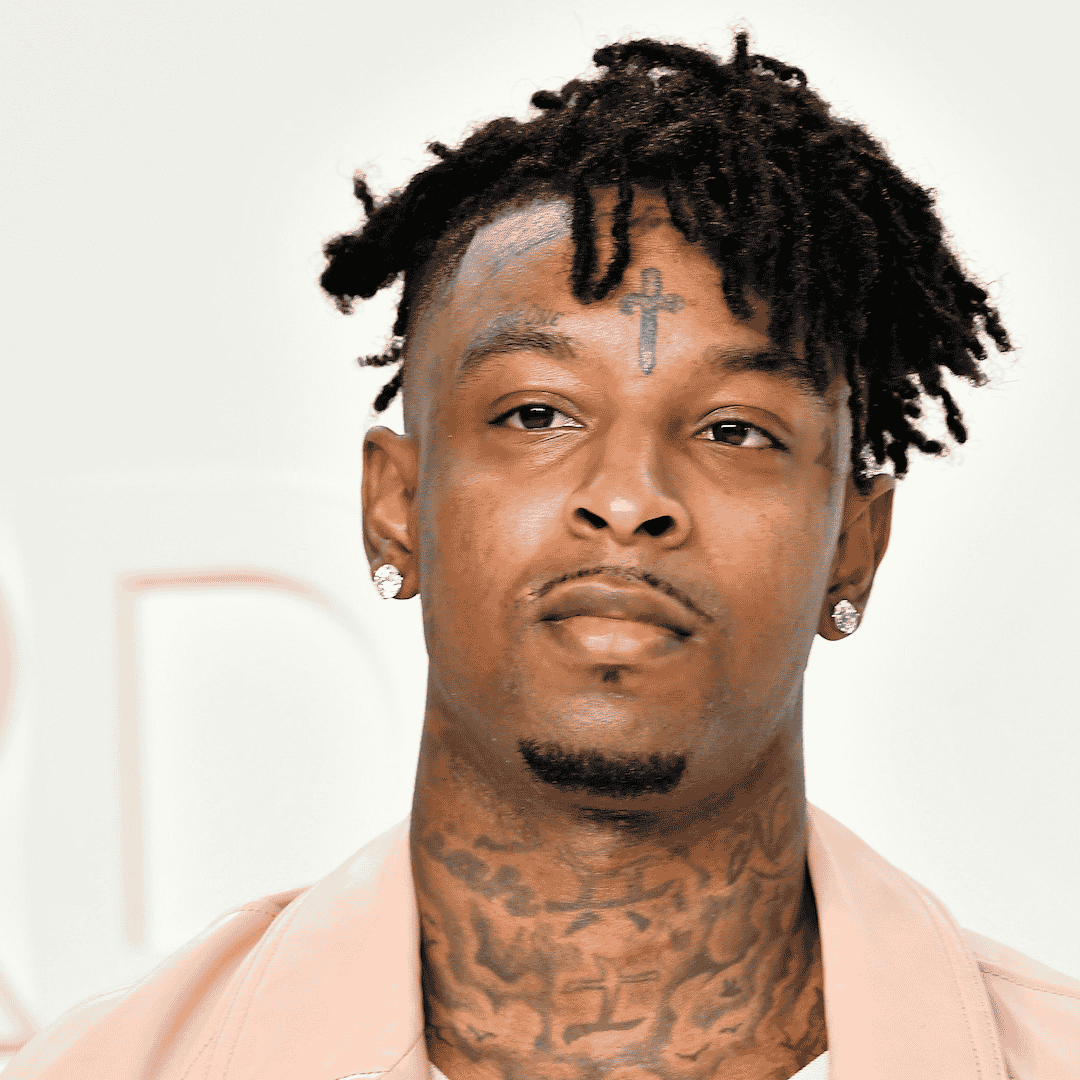
When people search for the 21 Savage mugshot, they are usually looking for the iconic booking photograph released by U.S. Immigration and Customs Enforcement (ICE) following the Grammy-nominated rapper's high-profile arrest in February 2019. Despite widespread internet rumors and AI-generated image circulating online, the official federal booking photo from Georgia remains a defining moment in the artist's public and legal history.
Contents
The Real Story Behind the 21 Savage Booking Photograph
Public fascination with celebrity booking images often stems from curiosity, but the visual record tied to the British-born artist carries significant legal and cultural weight. On February 3, 2019, Immigration and Customs Enforcement detained the artist—whose legal name is Sheyaa Bin Abraham-Joseph—in Atlanta, Georgia.
Federal authorities claimed that he was a citizen of the United Kingdom who had overstayed a nonimmigrant visa that originally expired in July 2006. The subsequent release of official federal custody records and the associated booking photograph triggered widespread media coverage, internet memes, and a intense public debate regarding immigration enforcement, racial profiling, and celebrity status.
Clarifying Internet Misinformation and Fake Mugshots
In the era of digital manipulation and generative artificial intelligence, searching for celebrity legal records frequently leads to fraudulent content. Several key factors distinguish real documentation from fabricated internet creations:
- Source Authenticity: Authentic federal booking records originate directly from Department of Homeland Security (DHS) databases or accredited legal journalism outlets, rather than unverified social media accounts.
- Jurisdictional Uniformity: Federal immigration detention facilities use standardized formatting for administrative booking photos, which differ significantly from local county jail mugshots.
- Digital Watermarks: Many viral images claiming to show recent arrests of the artist are digitally altered composites using older promotional photos or unrelated stock images.
Chronology of the 21 Savage Immigration Case
Understanding the context of the detention requires examining the timeline of events that brought the artist's legal status into the public spotlight during Super Bowl weekend in Atlanta.
| Date / Period | Event Description | Official Status / Outcome |
|---|---|---|
| July 2005 | Initial entry into the United States | Entered legally on an H-4 visa as a minor under legal guardianship. |
| July 2006 | Expiration of authorized stay | Visa status lapsed, leading to undocumented status as a minor. |
| February 3, 2019 | ICE arrest in Atlanta, Georgia | Detained by federal agents who cited expired legal status and a 2014 felony conviction. |
| February 12, 2019 | Release on bond | Immigration judges granted bond, allowing release while removal proceedings remained pending. |
| 2019 - Present | Ongoing legal navigation | Legal team pursued permanent residency through family-based petitions while continuing musical output. |
Legal Representation Impact
Immediate Counsel Intervention: Following the initial detention, the artist's legal team, spearheaded by attorney Charles Kuck, immediately asserted that Department of Homeland Security officials were aware of his pending visa application filed years prior, characterizing the enforcement action as an attempt to intimidate the rapper due to his politically charged lyrics regarding ICE detention facilities performed on television shortly before his arrest.
Legal Precedents and Immigration Status Complexities
The case brought unprecedented attention to the complexities faced by "Dreamers" and individuals brought to the United States as minors without legal documentation. Under United States immigration law, juveniles who overstay visas through no fault of their own often encounter severe administrative barriers when attempting to adjust their status as adults.
Key legal realities surrounding the situation include:
- Juvenile Status Limitations: Minors do not accrue unlawful presence for the purposes of statutory bars until they reach the age of 18, complicating the timeline of when administrative penalties take effect.
- Criminal Conviction Impact: A 2014 state drug conviction in Georgia complicated the administrative relief process, though legal representatives maintained that the conviction was actively being challenged and should not preclude lawful status adjustments.
- Bond Eligibility: Immigration judges weigh community ties, family obligations, and flight risk when determining bond amounts for detained individuals, factors that ultimately favored the artist's release after over a week in a Folkston, Georgia processing center.
Cultural Impact and Public Perception
The intersection of hip-hop culture, immigration policy, and media sensationalism made the incident a watershed moment. While internet users fixated on viral search terms and photographic proof of the arrest, civil rights advocates utilized the platform to highlight broader systemic issues within the immigration detention apparatus.
The public response demonstrated a profound cultural shift in how fans and media outlets view immigration enforcement against public figures. Rather than alienating his fanbase, the detention galvanized support within the entertainment industry, leading to public statements from prominent artists and human rights organizations condemning aggressive ICE tactics against long-term community members.
Advocacy and Awareness
Amplifying Reform Efforts: Civil rights groups leveraged the high visibility of the case to educate the public on the discretionary power held by federal immigration agencies, pushing for comprehensive reform that accounts for individuals integrated into American society since childhood.
Frequently Asked Questions
Is the viral 21 Savage mugshot real?
The original federal booking photograph released by ICE in February 2019 is authentic, but many viral images circulating on social media since then are fabricated using digital editing or artificial intelligence tools. Official confirmation of legal status or arrests typically comes from verified federal docket entries rather than unverified internet posts.
Why was 21 Savage arrested by ICE?
Federal immigration authorities detained the artist because he entered the United States legally on a nonimmigrant visa as a minor in 2005, but that visa expired in 2006, leaving him without lawful permanent resident status as an adult.
Where was 21 Savage held during his detention?
Federal authorities held him at an ICE processing facility located in Folkston, Georgia, prior to his legal team securing a bond hearing that permitted his release nearly two weeks later.
Did the arrest affect his ability to travel internationally?
Pending the resolution of ongoing immigration and removal proceedings, individuals navigating complex visa adjustments generally face significant restrictions on international travel to prevent complications with re-entry into the United States.
What is the current status of his immigration case?
Legal representatives have continued to pursue lawful permanent residency through established administrative channels, emphasizing his deep familial roots, community contributions, and long-term residence in Atlanta.
Navigating Legal and Public Records
For individuals researching public legal records, immigration filings, or booking histories, relying on official government portals, court dockets, and verified journalism remains essential. Misinformation regarding celebrity legal matters often spreads rapidly across unverified aggregator websites designed to maximize click-through traffic rather than historical accuracy. Always cross-reference claims with primary documentation from federal court systems or official agency statements to ensure complete factual integrity.
Image Gallery