1991 Baseball Cards Worth Money: The Definitive Valuation and Grading Guide
Evaluating 1991 baseball cards requires understanding the overproduction era, identifying rare error cards, and recognizing high-grade conditions that separate bulk-priced cardboard from valuable collectibles. While most sets from this...
Evaluating 1991 baseball cards requires understanding the overproduction era, identifying rare error cards, and recognizing high-grade conditions that separate bulk-priced cardboard from valuable collectibles. While most sets from this year sell for minimal amounts due to massive factory output, specific rookie cards, limited error variations, and flawless professionally graded specimens still command notable market prices.
Contents
Understanding the 1991 Baseball Card Overproduction Crisis
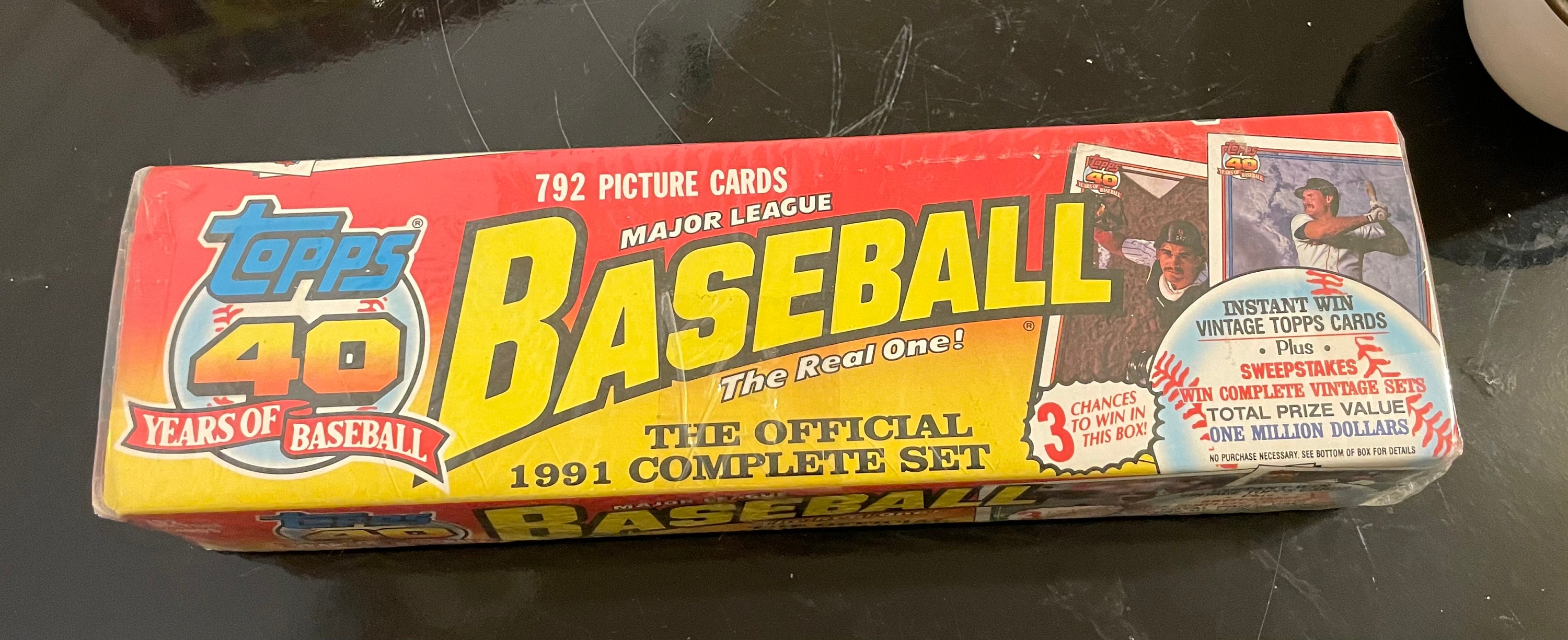
The 1991 baseball card market occupies a unique position in sports memorabilia history. During this era, manufacturers such as Topps, Upper Deck, Fleer, Donruss, and Score printed millions of copies of every single card. Because speculators and collectors stored boxes away in pristine condition, the supply of 1991 cards drastically outweighs modern consumer demand.
Understanding why standard cards from this year hold low market value protects buyers and sellers from unrealistic expectations. When evaluating a collection, the baseline assumption must be that raw, ungraded cards from major 1991 sets are common.
Why Most 1991 Cards Sell for Cents
- Massive Print Runs: Card companies ramped up production to meet speculative retail demand, printing millions of base sets.
- Exceptional Preservation: Thousands of collectors kept their cards in protective sheets, binders, and factory boxes, preventing natural wear and tear.
- Lack of Scarce Inserts: Unlike the late 1990s, true low-population parallel sets and rare insert cards were virtually non-existent in base 1991 product lines.
- High Survival Rate: The total number of surviving copies for any given star player from 1991 far exceeds the number of active collectors seeking them.
Key Sets and Notable Rookie Cards from 1991
Despite the general overproduction, several flagship releases from 1991 featured iconic rookie cards and premium subsets that retain collector interest. Identifying the specific manufacturer and set variation is the first step in discovering if a 1991 baseball card is worth money.
The primary manufacturers each released distinct flagship products that collectors target today, primarily focusing on rookie cards of future Hall of Famers who debuted around that window.
Major 1991 Flagship Releases
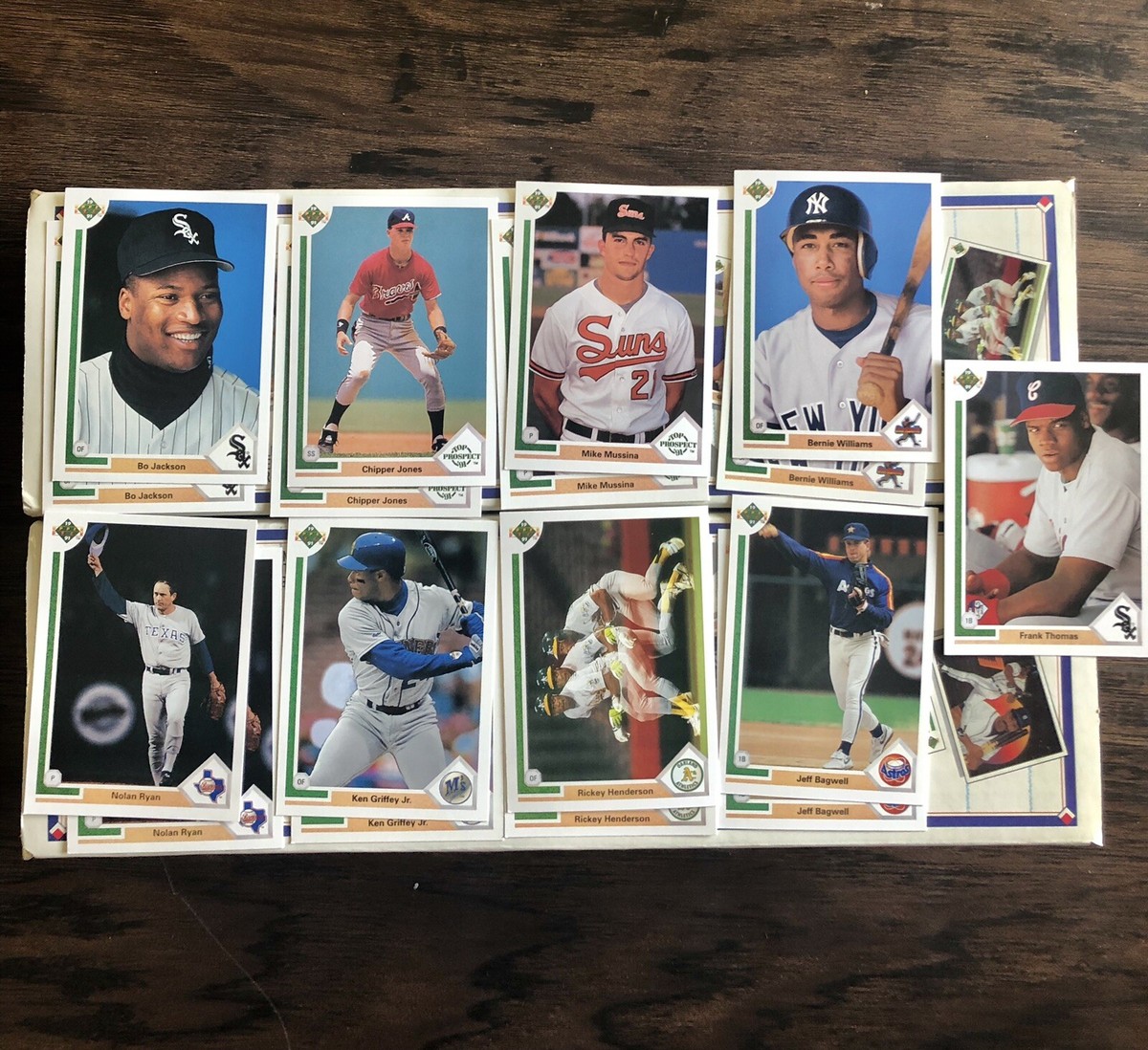
- Upper Deck Series 1 & Series 2: Known for superior photography, holographic security seals, and crisp white cardstock.
- Topps Baseball: The traditional industry standard, featuring classic designs and comprehensive checklists across two series.
- Fleer Baseball: Easily recognizable by its yellow and red borders, featuring multiple subset variations.
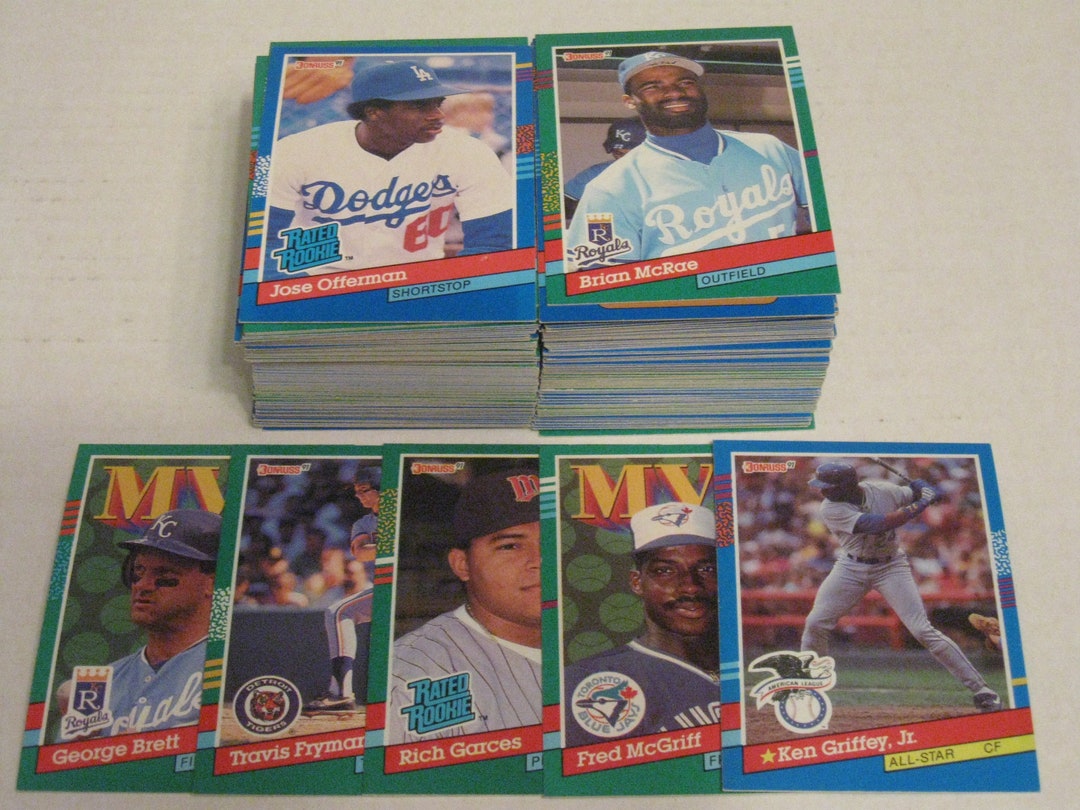
- Donruss Baseball: Characterized by the iconic "Diamond Kings" artwork subset and rated rookie logos.
- Score Baseball: Noted for vibrant photography and detailed back-of-card statistics.
High-Value 1991 Baseball Cards and Error Variations
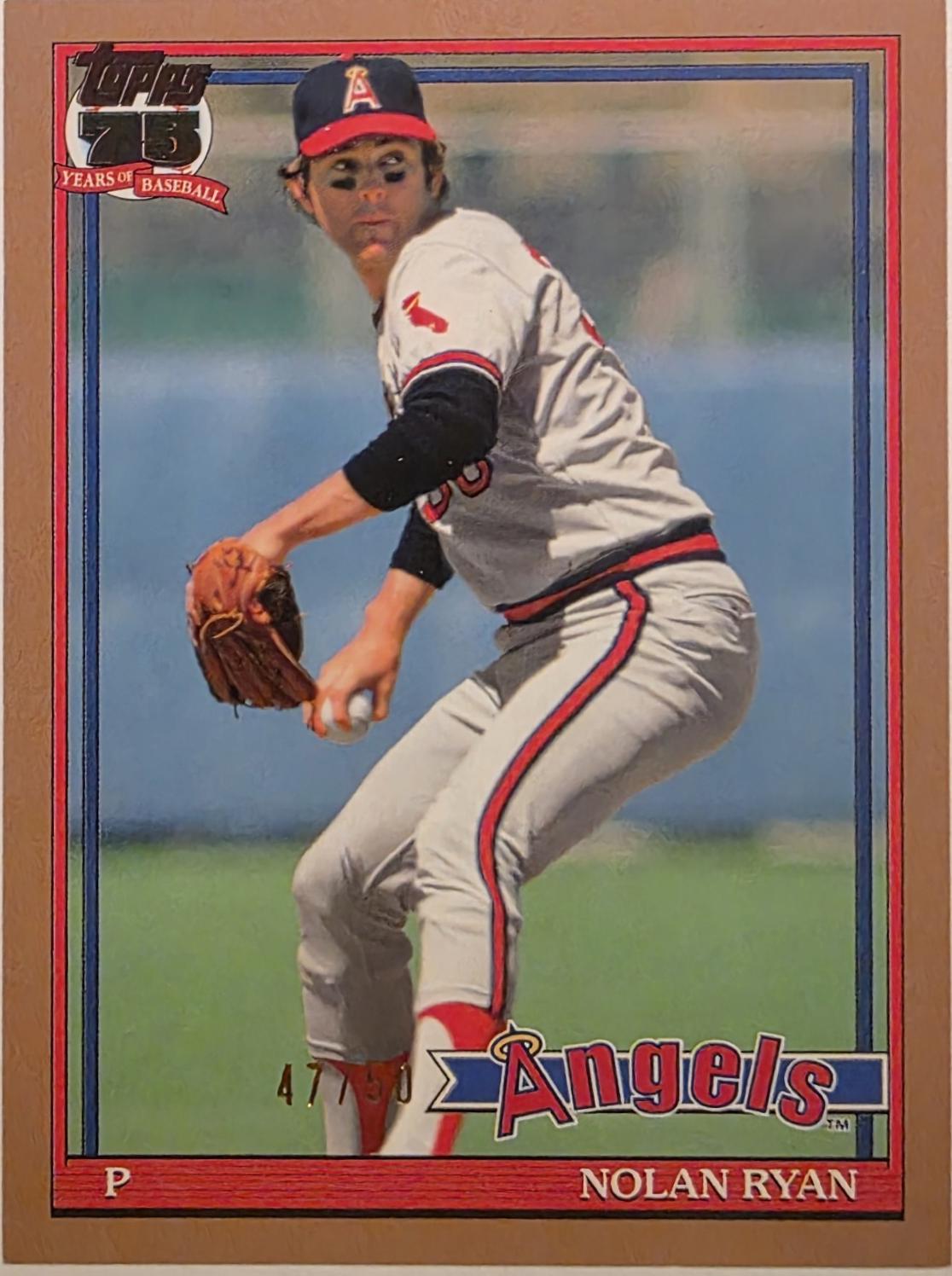
While base cards of established veterans like Nolan Ryan, Cal Ripken Jr., and Ken Griffey Jr. sell for nominal amounts, specific error cards and high-grade rookie variations command significant sums. Value is almost entirely dependent on professional third-party grading.
The following breakdown highlights the most sought-after cards from the 1991 season, noting what makes them valuable in the current marketplace.
| Brand & Set | Card Description & Player | Notable Feature or Error | Estimated Value (PSA 10 Mint) |
|---|---|---|---|
| Score | 1991 Score #675 Chipper Jones | Highly anticipated rookie card of the Hall of Fame third baseman. | $50 - $150 |
| Upper Deck | 1991 Upper Deck #65 Ivan Rodriguez | Rookie card of the legendary catcher and Hall of Famer. | $40 - $100 |
| Fleer | 1991 Fleer #292 Proviso Error | Missing team logo or text error variations (verify specific back/front typos). | $30 - $80 |
| Donruss | 1991 Donruss #755 Jeff Bagwell | Rookie card of the Houston Astros slugger and Hall of Famer. | $50 - $120 |
| Topps | 1991 Topps #333 Chipper Jones | Error variant omitting signature or featuring printing plate shifts. | $40 - $90 |
The Impact of Professional Grading on 1991 Card Values
Because raw 1991 cards are so common, condition is everything. A card that looks pristine to the naked eye often exhibits microscopic surface flaws, centering issues, or soft corners under magnification. Professional grading from established companies like PSA (Professional Sports Authenticator), BGS (Beckett Grading Services), or SGC (Sports Card Guaranty) provides an immutable authentication and condition score on a 1-to-10 scale.
Grading Reality Check: Submitting 1991 cards for professional grading is rarely financially viable unless the card is a high-profile rookie card (such as Chipper Jones or Ivan Rodriguez) and possesses exceptional centering, sharp corners, and flawless surfaces that project a grade of PSA 10. Grading fees often exceed the market value of a raw or lower-grade card.
Essential Factors Evaluated by Grading Companies
- Centering: The border measurements on the front and back must be balanced within strict tolerances (typically 55/45 or better for a Gem Mint 10).
- Corners: All four corners must be razor-sharp with zero fraying, whitening, or rounding under magnification.
- Edges: Card edges must be smooth, clean, and free of chipping, which is particularly common on the dark borders of 1991 Fleer and Donruss cards.
- Surface: The card must be entirely free of print spots, scratches, wax residue, fingerprints, or indentation marks.
Step-by-Step Guide to Evaluating Your 1991 Collection
Sorting through a collection of 1991 baseball cards requires a systematic approach to avoid wasting time on cards with zero resale value while accurately identifying hidden gems.
- Sort by Manufacturer and Set: Separate your cards by brand (Topps, Upper Deck, Fleer, Donruss, Score) to identify which sets you possess.
- Identify Hall of Famers and Key Rookies: Pull out cards featuring superstar players, specifically focusing on rookie cards from that era (Chipper Jones, Ivan Rodriguez, Jeff Bagwell).
- Inspect for Known Errors: Research specific error variations for each set, such as missing foil stamps, incorrect backs, or double-printed text.
- Examine Condition Closely: Use a magnifying glass and a good light source to check corners, edges, and centering. Discard cards with creases or bent corners.
- Check Recent Realized Sales: Visit online auction archives and sold-listing filters on marketplaces like eBay to see what buyers are actually paying for identical cards in comparable condition, rather than looking at inflated asking prices.
Frequently Asked Questions About 1991 Baseball Cards
Are any 1991 baseball cards worth a fortune?
Most 1991 baseball cards are worth less than a dollar individually because of massive overproduction by manufacturers. However, select rookie cards and rare error variations graded in pristine Gem Mint 10 condition can sell for anywhere from $50 to several hundred dollars.
Is it worth getting my 1991 baseball cards graded?
Generally, no, unless the card is a premier rookie card in absolute flawless condition. The cost of professional grading fees and shipping often outweighs the total market value of standard 1991 base cards.
What are the most famous error cards from 1991?
Several subsets featured printing anomalies, such as the 1991 Fleer error variations and Topps cards missing foil stamping. Collectors actively seek these out to complete master sets, though their values depend heavily on verified authentication.
How can I tell if a 1991 card is a rookie card?
Check the back of the card for career statistics and rookie designation logos. Major manufacturers like Donruss and Score frequently included specific "Rated Rookie" or draft-pick logos on the front or back of the card for players in their first major league season.
Where is the best place to sell valuable 1991 baseball cards?
Specialized sports memorabilia auction houses, online collector forums, and verified auction platforms with completed-sales filters are the best venues for establishing fair market value and connecting with active buyers.
Maximizing Value and Final Collector Recommendations
Navigating the market for 1991 baseball cards demands realism and attention to detail. While the era is frequently dismissed by seasoned numismatists and card investors due to high production volumes, targeted collection of pristine rookies and verified error variants remains a rewarding niche. Focus on condition, verify actual completed sales data rather than speculative asking prices, and prioritize professional authentication only for top-tier specimens to ensure successful collecting and trading outcomes.
Image Gallery