Dade County Court Clerk Services: Your Guide for 2026
The Dade County Court Clerk manages essential judicial records, processes court filings, collects court fees, and provides public access to civil, criminal, traffic, and family court documents. Depending on whether you are referencing...
The Dade County Court Clerk manages essential judicial records, processes court filings, collects court fees, and provides public access to civil, criminal, traffic, and family court documents. Depending on whether you are referencing Miami-Dade County in Florida or Dade County in Georgia, navigating these offices requires specific case numbers, proper identification, and adherence to updated 2026 procedural guidelines.
Contents
Understanding the Role of the Dade County Court Clerk
The Clerk of the Courts acts as the administrative arm of the judicial system. They maintain the integrity of the court record, manage court dockets, issue summonses and subpoenas, and oversee the collection and disbursement of court-ordered fines, child support, and restitution.
For residents, attorneys, and researchers, interacting with the clerk is a mandatory step for filing lawsuits, conducting title searches, paying traffic citations, or attending court hearings. Because the administrative protocols vary significantly between jurisdictions, verifying your specific county location before submitting documents or payments prevents costly processing delays.
Miami-Dade County Clerk of Courts (Florida)
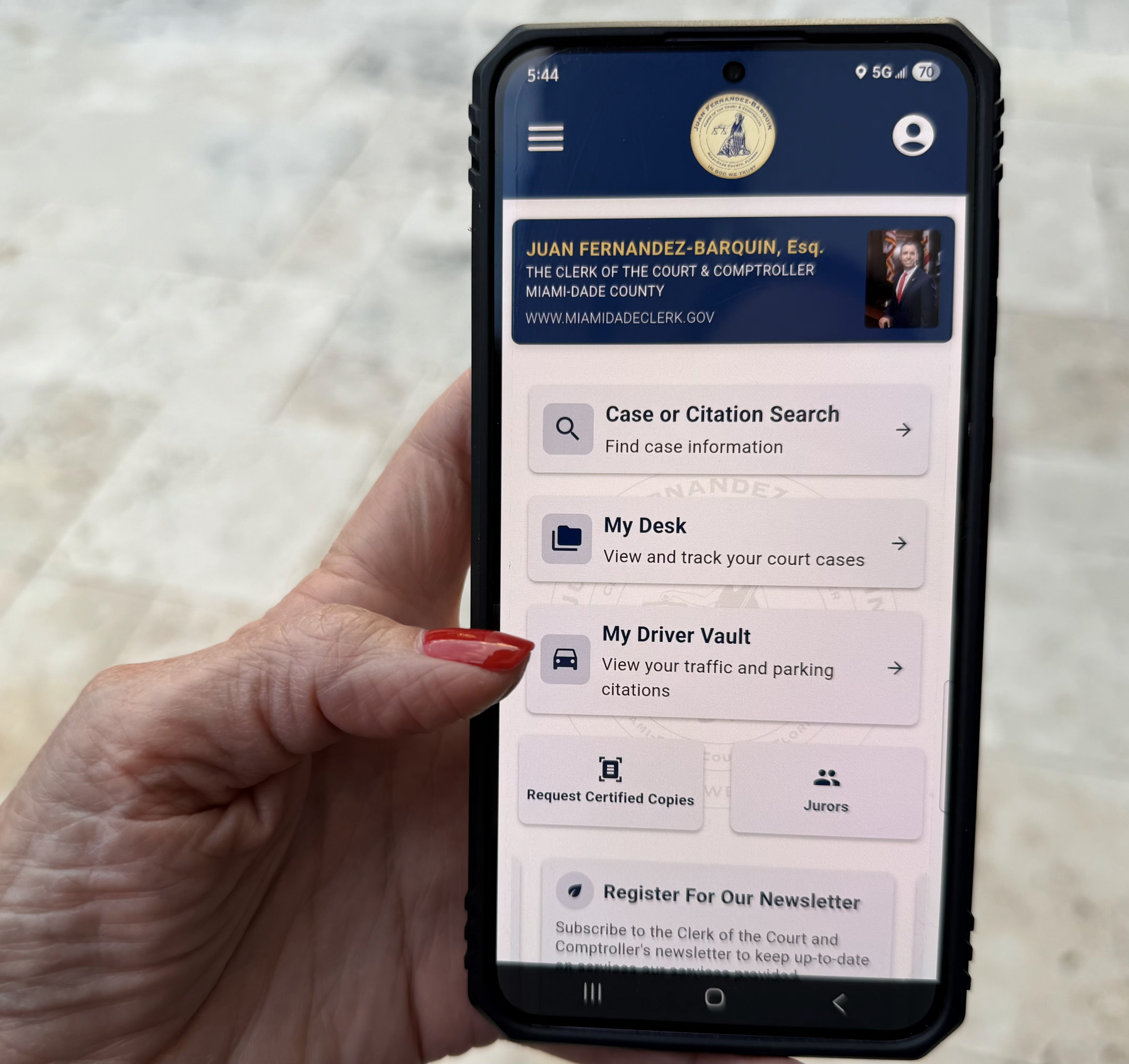
As the largest judicial administrative body in the state, the Miami-Dade County Clerk operates across multiple facilities, including the Richard E. Gerstein Justice Building and the Miami-Dade County Courthouse.
- Civil Court Division: Handles landlord-tenant disputes, small claims, county civil actions, and circuit civil cases involving monetary damages exceeding specific statutory limits.
- Criminal Court Division: Manages felony and misdemeanor case files, warrants, and criminal disposition records.
- Traffic Bureau: Processes traffic citations, schedules virtual and in-person infraction hearings, and manages driver license suspension clearances.
- Family and Probate Division: Oversees dissolutions of marriage, domestic violence injunctions, adoptions, guardianships, and estate probate filings.
Dade County Clerk of Superior and State Court (Georgia)
Located in Trenton, Georgia, the Dade County Superior and State Court Clerk serves a smaller, distinct population. This office focuses heavily on real estate deed recordings, lien filings, trade name registrations, and localized civil and criminal dockets unique to Northwest Georgia.
Accessing Court Records and Public Information Online in 2026
Modern public access portals allow users to search court dockets, view case progress, and inspect non-confidential documents remotely. However, privacy regulations restrict public viewing of sensitive materials, such as juvenile records, sealed adoption files, and certain medical or financial disclosures.
- Online Search Portals: Utilize official county clerk websites to search by case number, party name, or attorney bar number.
- Public Terminals: Dedicated computer terminals remain available at all main courthouse locations for free public access to digital court archives.
- Certified Copies: While basic docket lookups are often free, obtaining certified copies of judgments, marriage licenses, or property deeds requires standardized statutory fees.
Step-by-Step Guide: Filing Documents and Managing Court Cases
Whether you are representing yourself (pro se) or working alongside legal counsel, following the correct procedural workflow ensures your filings are accepted on the first submission.
- Verify Jurisdiction and Venue: Confirm that your case belongs in the specific Dade County court based on the geographic location of the incident, property, or parties involved.
- Select the Proper Form: Obtain the approved state or local court forms from the clerk’s self-help center or official online portal.
- Prepare and Format Documentation: Ensure pleadings adhere to required margins, font sizes, and include proper case style headings and redactions of confidential personal information (such as Social Security numbers).
- Submit via E-Filing or In-Person: Most modern jurisdictions mandate electronic filing (e-filing) for attorneys and encourage it for self-represented litigants through approved portal vendors. In-person counter service is maintained for emergency motions or cash transactions.
- Pay Applicable Fees: Review the current fee schedule. Common payment methods include major credit cards, debit cards, cashier's checks, and cash for in-person transactions. Personal checks may be restricted.
- Serve Opposing Parties: Comply with statutory requirements regarding service of process via process servers, certified mail, or sheriff departments, and file the proof of service with the clerk.
Comparative Overview of Dade County Court Operations
| Service Category | Miami-Dade County (Florida) | Dade County (Georgia) |
|---|---|---|
| Primary Judicial Circuit | 11th Judicial Circuit of Florida | Lookout Mountain Judicial Circuit |
| Primary Online System | Miami-Dade Clerk Online Portal | PeachCourt / Georgia Superior Court Clerks |
| E-Filing Requirement | Mandatory for all attorneys; available for pro se | Statewide e-filing standards via authorized vendors |
| Main Document Focus | High-volume urban civil, criminal, traffic, family | Real estate deeds, plats, local civil/criminal |
Pros and Cons of Electronic Court Services
| Feature | Advantages | Disadvantages |
|---|---|---|
| Online E-Filing | 24/7 accessibility, immediate filing confirmation, reduced paper waste. | Potential technical rejections due to formatting errors; portal convenience fees. |
| Digital Docket Search | Instant case tracking, historical data visibility, remote auditing. | Restricted access to sealed files; occasional system maintenance downtime. |
| Virtual Hearings & Pay | Saves travel time, streamlines minor traffic fine resolution. | Requires reliable internet access and basic digital literacy. |
Common Mistakes to Avoid When Interacting with the Clerk
- Practicing Unauthorized Law: Court clerk staff are prohibited by law from providing legal advice, filling out forms for litigants, or recommending specific legal strategies. Consult a licensed attorney for legal guidance.
- Incorrect Fee Submissions: Submitting incorrect filing fees automatically stalls document processing. Always check the active fee schedule before initiating a transaction.
- Failing to Redact Sensitive Data: Leaving unredacted financial account numbers, minor children's names, or social security numbers in public filings can lead to immediate document rejection and compliance penalties.
- Ignoring Deadlines: Missing response windows set by court orders or statutory mandates can result in default judgments or case dismissals.
Frequently Asked Questions
Can the Dade County Court Clerk give me legal advice?
No. Court clerks and their deputy clerks are administrative officers bound by strict ethical rules that prohibit them from offering legal advice or interpreting laws for the public. They can only provide factual information regarding filing procedures and court schedules.
How do I pay a traffic ticket issued in Miami-Dade County?
You can pay traffic citations online through the official clerk portal, by mail using a check or money order, or in person at designated courthouse payment bureaus within the statutory response window, typically 30 days from issuance.
Are all court records available to the general public?
No. While most civil, criminal, and property records are public, state statutes and court orders restrict access to juvenile records, mental health evaluations, grand jury proceedings, and specific confidential family law documents.
What is the difference between county court and circuit court filings?
County courts generally handle minor criminal misdemeanors, traffic infractions, and civil disputes involving lower monetary thresholds, whereas circuit courts handle major felonies, domestic relations, probate matters, and high-value civil lawsuits.
How can I obtain a certified copy of a marriage license or property deed?
You can request certified copies directly through the clerk's recording division online, by mail, or by visiting the office in person, subject to nominal per-page certification and search fees.
Contact the specific clerk's office directly or visit their official county portal to verify current operating hours, holiday schedules, and up-to-date filing fee schedules before visiting or submitting legal documents.
Image Gallery