HR Business Partner Salary: What the Numbers Show Across Roles, Industries, and Markets
An HR business partner salary typically ranges from $85,000 to $165,000 annually in the United States, with total compensation packages for senior executive roles exceeding $200,000. Exact earning potential depends heavily on years of...
An HR business partner salary typically ranges from $85,000 to $165,000 annually in the United States, with total compensation packages for senior executive roles exceeding $200,000. Exact earning potential depends heavily on years of experience, geographic cost-of-labor adjustments, organization size, industry sector, and technical competencies in areas like workforce analytics and organizational design.
Contents
Decoding the HR Business Partner Role and Compensation Ecosystem
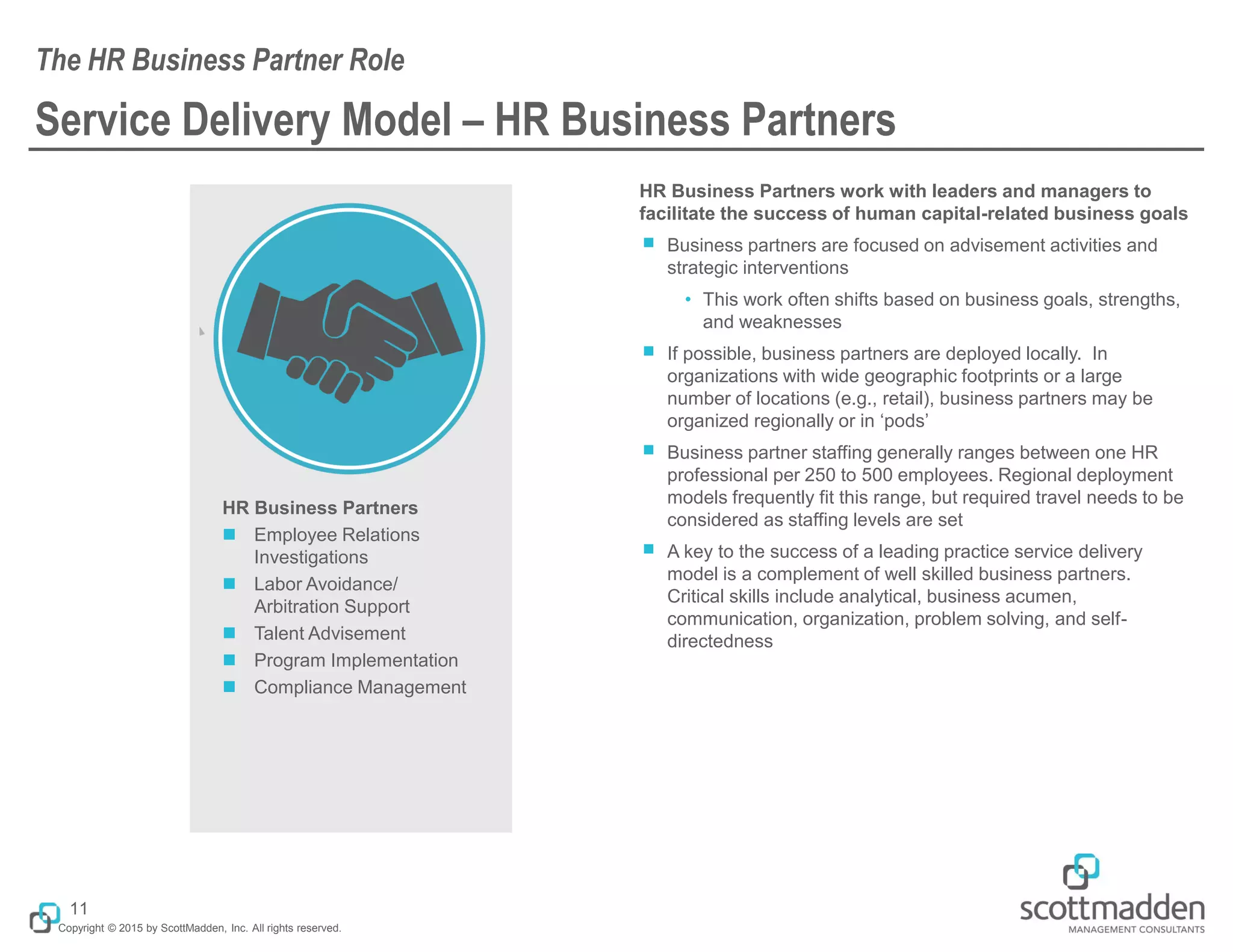
The Human Resources Business Partner (HRBP) occupies a crucial strategic position within modern corporate governance. Unlike operational HR generalists or administrative specialists, an HRBP works directly with enterprise leaders, department heads, and C-suite executives to align human capital strategies with core business objectives.
Because HRBPs directly influence talent retention, leadership development, organizational effectiveness, and operational restructuring, their compensation reflects strategic impact rather than transactional output. Understanding what the numbers show requires examining total rewards—the combination of base salary, performance bonuses, equity grants, and specialized benefits—rather than viewing cash compensation in isolation.
As business environments become increasingly data-driven and dynamic, companies place a high premium on HR professionals who combine business acumen with deep organizational psychology and labor market expertise. Compensation structures reflect this shift, rewarding HRBPs who demonstrate measurable contributions to revenue growth, cost optimization, and workforce productivity.
HR Business Partner Base Salary Breakdown by Experience Level
Career progression in the HRBP job track follows a structured hierarchy. Each step upward expands direct enterprise influence, strategic scope, and base pay expectations.
HRBP Career Progression & Scope:
- Associate / Junior HRBP: Operational & Tactical Support
- Mid-Level HR Business Partner: Departmental Business Units
- Senior HR Business Partner: Multi-Functional / Global Units
- HR Business Partner Director: Strategic Enterprise Executive
Associate / Junior HR Business Partner
- Typical Base Salary Range: $65,000 – $85,000
- Average Total Compensation: $70,000 – $92,000
- Typical Experience Required: 2–4 years in general HR operations, recruiting, or specialist roles.
Associate HRBPs generally manage operational implementation and localized employee relations for specific teams or sub-units. At this early stage, compensation is tied to tactical competency, employment law awareness, and fundamental data reporting skills. Candidates transitioning into these roles usually hold a bachelor’s degree in business management, human resources, or psychology.
Mid-Level HR Business Partner
- Typical Base Salary Range: $90,000 – $125,000
- Average Total Compensation: $100,000 – $140,000
- Typical Experience Required: 5–8 years of progressive HR experience, including cross-functional project management.
Mid-level HRBPs operate as full strategic advisers to business unit directors and vice presidents. They handle performance management frameworks, succession planning, departmental talent acquisition strategy, and change management initiatives. At this milestone, total pay often includes structured annual performance bonuses tied to departmental metrics.
Senior HR Business Partner (Senior HRBP)
- Typical Base Salary Range: $130,000 – $175,000
- Average Total Compensation: $150,000 – $215,000+
- Typical Experience Required: 8–12+ years, with proven leadership in strategic enterprise transformation.
Senior HRBPs collaborate with executive staff on large-scale talent strategies, organizational redesigns, labor negotiations, and corporate mergers or acquisitions. Compensation packages for Senior HRBPs feature higher base pay paired with significant variable incentives, including performance-contingent cash bonuses and long-term equity vehicles like restricted stock units (RSUs).
HR Business Partner Director / VP Level
- Typical Base Salary Range: $170,000 – $240,000
- Average Total Compensation: $220,000 – $350,000+
- Typical Experience Required: 12–15+ years of strategic leadership.
At the executive level, HRBP leaders oversee teams of strategic HR business partners and shape overall human capital governance. At enterprise organizations, annual total earnings are heavily driven by equity grants and high-level corporate performance metrics.
Total Compensation Structure: Base, Bonuses, and Equity
Evaluating an HRBP job offer requires looking beyond base pay to evaluate the complete compensation architecture. Modern enterprise total rewards models split compensation across three primary components:
Total Rewards Composition:
- Base Pay (70% - 85% of total value)
- Variable Cash Bonus (10% - 20% of total value)
- Equity & Long-Term Incentives (5% - 20%+ of total value)
1. Annual Performance Bonuses and Cash Incentives
Variable incentives for HRBPs depend on a blend of enterprise results and individual execution against strategic targets.
- Mid-Level HRBPs: Target annual bonuses usually range between 8% and 15% of base pay.
- Senior HRBPs: Target annual bonuses range between 15% and 25% of base pay.
Bonus payouts depend on key performance indicators (KPIs) such as voluntary turnover reduction, employee engagement scores, strategic headcount planning execution, and operational cost management.
2. Equity Grants and Long-Term Incentive Plans (LTIPs)
In technology, life sciences, and publicly traded multinational firms, stock compensation represents a sizable percentage of an HRBP’s income.
- Restricted Stock Units (RSUs): Offered by mature tech firms and public companies, usually vesting over a three-to-four-year timeline. Senior HRBPs at top-tier firms can expect annual equity refreshers ranging from $15,000 to $50,000+ in fair market value.
- Stock Options: More common in early-to-mid-stage high-growth startups, providing high upside potential dependent on company valuation growth and liquidity events.
3. Fringe Benefits and Professional Development Stipends
Organizations seeking top HR talent often include extra benefits, such as full funding for advanced professional certifications (such as SHRM-SCP or SPHR), executive coaching budgets, flexible or remote work stipends, and comprehensive wellness and health coverage.
Primary Factors Driving HR Business Partner Salary Variations
Two HR business partners with identical job titles can earn vastly different salaries based on five primary market factors:
Industry and Sector Differentials
Sector dynamics strongly influence HR compensation budgets. High-margin or talent-competitive industries consistently pay above market medians.
- Technology & Software: Tech organizations pay premium compensation to attract strategic HR leaders who can manage rapid scaling, executive talent acquisition, and software engineering retention.
- Financial Services & Investment Banking: Compensation structures in private equity and banking feature higher annual performance bonuses, bumping total rewards well above cross-industry averages.
- Biopharmaceuticals & Life Sciences: Technical recruitment demands and complex regulatory environments create high pay floors for experienced HR professionals.
- Manufacturing, Retail, and Healthcare: Base pay ranges tend to sit lower, though larger headcounts offer structural stability and performance-based growth opportunities.
Geographic Location and Cost of Labor Adjustments
Geographic adjustments reflect regional competition for talent and localized cost of living realities. Pay benchmarks vary across major metropolitan areas:
- San Francisco Bay Area / San Jose: Pay sits 25% to 40% above national medians.
- New York City Metropolitan Area: Pay sits 20% to 35% above national medians.
- Seattle, Washington: Pay sits 15% to 25% above national medians.
- Chicago, Austin, and Atlanta: Pay sits 5% to 15% above national medians.
- Remote / Distributed Teams: Many major organizations benchmark remote HRBP compensation against national medians or multi-tiered geographic zones.
Organization Scale and Business Complexity
Managing human capital across a global enterprise with distributed business units requires greater strategic skill than supporting a single-location domestic company. HRBPs supporting multi-billion-dollar business units with cross-border operations command higher base salaries and larger equity packages.
High-Value Certifications and Technical Capabilities
Modern HR business partners must act as organizational strategists. Employers pay market premiums for candidates with specialized skills and recognized professional credentials:
- People Analytics & HR Tech: Mastery of statistical analysis, predictive modeling tools, and major HRIS platforms (e.g., Workday, SAP SuccessFactors) commands compensation premiums of 10% to 15%.
- Professional Certifications: Holding advanced designations like the SHRM Senior Certified Professional (SHRM-SCP) or Senior Professional in Human Resources (SPHR) demonstrates high-level strategic competence and regulatory expertise, supporting strong salary negotiation positioning.
- Change Management Frameworks: Demonstrated mastery of structured change methodologies (e.g., Prosci) adds value in organizations undergoing major operational transformations.
Comprehensive HRBP Salary Benchmarks Table
The following table synthesizes baseline compensation across key HRBP career tiers within the United States market:
| HRBP Career Tier | Typical Experience | Average Base Salary | Target Bonus % | Est. Annual Equity / LTIP | Total Expected Compensation Range |
|---|---|---|---|---|---|
| Associate / Junior HRBP | 2–4 Years | $75,000 | 5% – 8% | Minimal / N/A | $78,000 – $90,000 |
| Mid-Level HRBP | 5–8 Years | $110,000 | 10% – 15% | $5,000 – $15,000 | $120,000 – $150,000 |
| Senior HRBP | 8–12+ Years | $150,000 | 15% – 20% | $20,000 – $50,000 | $180,000 – $230,000 |
| HRBP Director / Enterprise Lead | 12–15+ Years | $195,000 | 20% – 30% | $40,000 – $100,000+ | $250,000 – $350,000+ |
How to Negotiate an HR Business Partner Compensation Package
Negotiating an HRBP compensation package requires a clear strategy. As HR professionals, HRBPs understand internal compensation bands, job grading structures, and salary benchmarking methodologies.
1. Leverage Industry Benchmarks
Before starting salary conversations, gather data from authoritative HR industry compensation reports (e.g., Mercer, Radford, or Radford/Aon benchmarks) alongside localized market research. Frame salary targets around verified market data rather than personal financial goals.
2. Quantify Strategic Impact
Detail concrete metrics that show your direct business contributions. Highlight accomplishments such as:
- Reducing high-performer voluntary turnover by a specific percentage.
- Streamlining organization design to lower operational costs.
- Successfully executing change management programs that boosted departmental productivity.
3. Evaluate the Entire Offer
If a company faces rigid constraints on base salary bands, focus negotiation on variable compensation elements. Requesting a sign-on bonus, accelerated performance review cycles, higher equity grants, or flexible work arrangements can expand total package value without breaking internal base salary caps.
Frequently Asked Questions
What is the average HR Business Partner salary in the US?
The overall median base salary for an HR Business Partner in the United States sits between $105,000 and $120,000, with entry-level positions starting around $65,000 and executive-level strategic roles exceeding $200,000 annually.
How does an HRBP salary compare to a standard HR Manager salary?
An HRBP and a standard HR Manager often earn comparable base compensation, but their focus areas differ. HR Managers typically focus on internal operational processes, compliance, policy administration, and employee relations. HRBPs focus on long-term business strategy, talent planning, and executive advising. At senior levels, HRBPs often command higher variable incentives and equity grants due to their direct strategic impact on core business metrics.
Do certifications like SHRM-SCP or SPHR increase an HRBP salary?
Yes, holding senior credentials like the SHRM-SCP or SPHR increases earning potential. Compensation studies indicate that certified senior HR professionals earn between 8% and 15% more than uncertified peers in equivalent positions, while gaining access to top candidate pools for executive-level job openings.
Which industries pay the highest HRBP salaries?
The highest-paying sectors for HR Business Partners are technology, investment banking/financial services, management consulting, and biopharmaceuticals. High profit margins and intense competition for specialized talent drive elevated compensation structures in these industries.
Is equity a standard part of an HR Business Partner compensation package?
Equity is standard for mid-to-senior HRBP positions at technology companies, public enterprises, and venture-backed tech startups. While standard industrial or non-profit sectors rarely offer equity, tech and growth-stage firms use restricted stock units (RSUs) or stock options as a core element of total strategic compensation.
Strategic Next Steps for Elevating HRBP Earning Potential
To move into higher compensation brackets as an HR Business Partner, focus on building skills that directly drive business performance:
- Build Strong Business and Financial Acumen: Master your company's P&L statement, revenue engines, and unit economics. Top-earning HRBPs talk about talent through the lens of profit margins, workforce ROI, and strategic scalability.
- Develop People Analytics Mastery: Develop advanced competencies in data visualization, predictive workforce analysis, and HR statistical modeling to guide strategic talent investments.
- Earn Senior Professional Certifications: Acquire advanced designations like the SHRM-SCP, SPHR, or recognized certifications in change management frameworks (e.g., Prosci).
- Target High-Growth Industries: Focus your career progression on sectors that place high value on strategic human capital, such as enterprise software, fintech, and advanced life sciences.
Image Gallery