Navigating Harris County Permitting: The 2026 Comprehensive Guide for Residential and Commercial Development
To obtain a permit in Harris County, you must submit detailed plans through the Harris County Engineering Department’s digital ePermits portal. This process is mandatory for all construction, remodeling, and development projects locate...
To obtain a permit in Harris County, you must submit detailed plans through the Harris County Engineering Department’s digital ePermits portal. This process is mandatory for all construction, remodeling, and development projects located within unincorporated Harris County. It ensures strict adherence to the 2026 building codes, fire safety protocols, and vital floodplain management regulations.
Contents
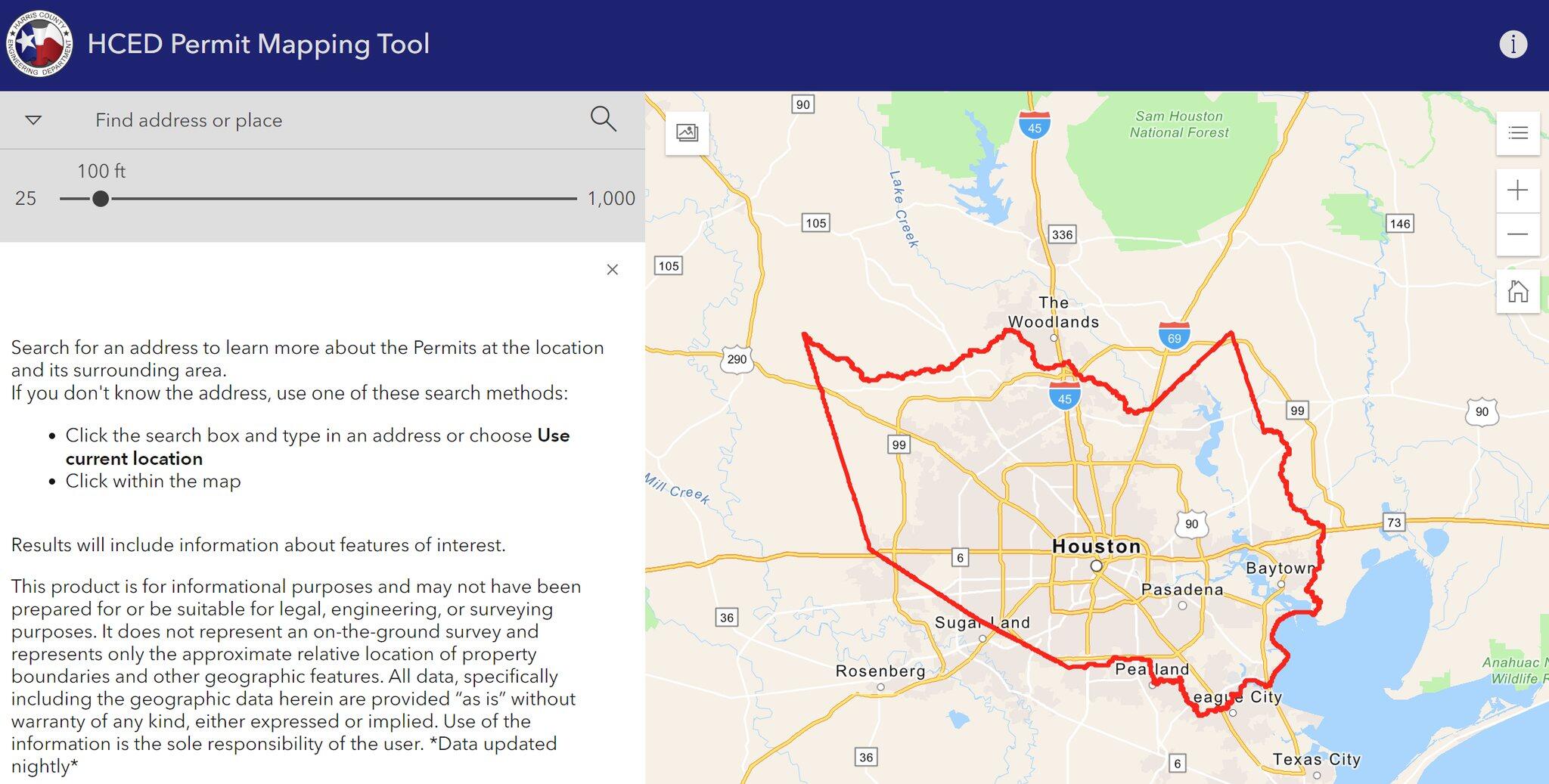
This guide focuses specifically on the jurisdiction of the Harris County Engineering Department (HCED). It is important to note that if your project is located within the city limits of Houston or another incorporated municipality like Katy, Baytown, or Pasadena, you must seek permits from that specific city’s building official. Harris County only issues permits for land located in unincorporated areas, though certain fire and health permits may overlap depending on the facility type.
Understanding the Harris County Permitting Jurisdiction
Before beginning any development, identifying whether your property falls under Harris County’s authority is the first critical step. In the sprawling Greater Houston area, jurisdictional boundaries are complex. Unincorporated Harris County is home to nearly two million residents, making the Harris County Engineering Department one of the busiest permitting offices in the United States.
In 2026, the county continues to utilize high-resolution GIS mapping to help developers and homeowners determine their jurisdiction. If your property is outside any city’s corporate limits, you are subject to Harris County’s regulations. This includes requirements for building, drainage, and infrastructure.
The Role of the Engineering Department (HCED)
The HCED serves as the central hub for development. They manage the ePermits system, which has been upgraded in 2026 to provide real-time tracking and integrated communication between departments. Their primary goal is to ensure that all structures are safe and that new developments do not negatively impact the regional drainage systems—a paramount concern given the county's history with significant storm events.
Inter-Departmental Coordination
Depending on your project, the HCED will coordinate with other vital entities:
- Harris County Fire Marshal’s Office (HCFMO): Conducts life-safety and fire code reviews for commercial and multi-family residential projects.
- Harris County Public Health (HCPH): Manages permits for On-Site Sewage Facilities (OSSF) or septic systems, as well as food service establishment permits.
- Harris County Flood Control District (HCFCD): While they do not issue building permits directly, they set the standards for detention and drainage that the HCED enforces.
Primary Permit Categories and 2026 Requirements
As of 2026, Harris County has streamlined its permit classifications into three primary categories to reduce administrative friction and improve processing speeds.
Residential Permits for Single-Family Homes
For homeowners and residential contractors, permits are required for new construction, additions, and significant structural repairs. Minor repairs, such as roof shingle replacement or interior cosmetic work (painting/flooring), generally do not require a permit, but structural changes always do.
Residential Compliance Standards
All new residential structures in 2026 must comply with the 2024 International Residential Code (IRC). This includes updated energy efficiency requirements and wind-load specifications designed to withstand Gulf Coast weather patterns. Documentation must include a site plan, foundation plan, and engineered structural drawings if the home is located in a designated high-wind zone.
Commercial and Multi-Family Permits
Commercial permitting is significantly more complex and involves a multi-stage review process. This applies to retail spaces, offices, warehouses, and apartment complexes. In 2026, the county requires all commercial projects to undergo a "Pre-Development Meeting" if the project involves more than five acres of land or complex drainage requirements.
Development and Infrastructure Permits
These permits cover the "bones" of a project: platting, clearing, grading, and the installation of utilities. Harris County maintains strict standards for how roads and drainage pipes are constructed to ensure they can be transitioned to public maintenance without future failure.
The 2026 Step-by-Step Harris County Permitting Workflow
The permitting process in 2026 is entirely digital. Paper submissions are no longer accepted, a move made to increase transparency and decrease the "lost paperwork" phenomenon of previous decades.
Step 1: Pre-Application Research and Site Analysis
Before submitting, verify your floodplain status. In 2026, Harris County utilizes the most recent MAAPnext (Modeling, Assessment, and Awareness Project) data, which provides a more granular view of flood risk than older FEMA maps. You must determine if your finished floor elevation needs to be raised above the 500-year flood level, which is the current standard for many areas in the county.
Step 2: Digital Registration and ePermits Upload
Register an account on the Harris County ePermits portal. You will need to upload professional-grade PDF versions of your plans.
- Site Plan: Showing property lines, existing structures, and proposed footprints.
- Architectural Plans: Floor plans, elevations, and cross-sections.
- MEP Plans: Mechanical, Electrical, and Plumbing layouts.
- Drainage Report: For larger projects, a certified engineer must provide a report showing how storm runoff will be managed.
Step 3: Plan Review and Resubmittal
Once submitted, your plans enter a "Queue." In 2026, the average review time for residential permits is 10 to 15 business days, while commercial projects range from 30 to 45 business days. If the reviewer identifies "redlines" (corrections), you must address these and re-upload the corrected sheets.
Step 4: Fee Payment and Permit Issuance
After the plans are approved, the ePermits system will generate an invoice. Fees are calculated based on the square footage and the value of the construction. Once paid, the permit is issued digitally. You must print this permit and the "Approved Set" of plans to keep on the job site for inspectors.
Step 5: Inspections and Final Certification
Construction cannot proceed past certain milestones without an inspection. Common inspection points include:
- Form/Plumbing Rough-In: Before pouring concrete.
- Framing/Mechanical Rough-In: Before installing drywall.
- Final Inspection: To verify that the building is safe for occupancy.
2026 Fee Structures and Estimated Timelines
The following table outlines the expected costs and durations for various permit types in Harris County for the 2026 calendar year. These figures are estimates and can vary based on project complexity.
| Permit Type | Base Application Fee | Estimated Review Time | Mandatory Inspections |
|---|---|---|---|
| New Single-Family Residential | $450 + Sq Ft Fee | 10-14 Business Days | Foundation, Framing, Final |
| Residential Remodel/Addition | $250 | 7-10 Business Days | Structural, Final |
| Commercial Shell Building | $1,200 + Value Fee | 30-40 Business Days | Site, Foundation, Fire, Final |
| Commercial Tenant Improvement | $600 | 15-25 Business Days | MEP, Fire, Final |
| Land Development/Platting | $2,500 + Acreage | 60-90 Business Days | Grading, Infrastructure |
| On-Site Sewage (Septic) | $500 | 10 Business Days | Tank and Field Installation |
Critical Floodplain and Drainage Compliance Standards
In Harris County, drainage is the single most important factor in the permitting process. Following regional flood events, the county adopted "Standard 2026" for drainage, which mandates that new developments must result in zero net increase in runoff to neighboring properties.
Detention Requirements
For most commercial developments and large residential subdivisions, onsite detention ponds are required. These ponds hold rainwater and release it into the bayou system at a controlled rate. In 2026, many developers are opting for "Low Impact Development" (LID) features, such as bioswales and permeable pavement, which Harris County incentivizes through slightly reduced detention volume requirements.
Building in the Floodplain
If your property is located within a 100-year or 500-year floodplain, you face additional hurdles.
- Elevation Certificates: You must provide an "As-Built" elevation certificate before the final Certificate of Occupancy is issued.
- Vents and Openings: Enclosures below the base flood elevation must have hydrostatic vents to allow water to flow through without destroying the foundation.
- Critical Facilities: Hospitals and emergency services must meet even higher elevation standards.
The Role of the Harris County Fire Marshal’s Office (HCFMO)
The Fire Marshal’s Office is an independent entity from the Engineering Department but is a required stop for almost all commercial permits. In 2026, the HCFMO enforces the 2024 edition of the International Fire Code (IFC).
Fire Safety Integration
For any facility involving public assembly, hazardous materials, or high-piled storage, a separate Fire Code Permit is required. The HCFMO conducts specialized inspections for fire alarm systems, sprinkler arrays, and emergency lighting. It is a common mistake for contractors to receive their building permit but forget to schedule their separate Fire Marshal inspections, leading to significant delays in opening the business.
Common Pitfalls and Troubleshooting Permit Rejections
Even experienced developers encounter setbacks in the Harris County permitting system. Understanding the common reasons for rejection can save weeks of project time.
- Incomplete Site Plans: Failing to show existing easements or utility lines is the most common cause for initial rejection.
- Outdated Codes: Submitting plans based on the 2021 codes instead of the 2024 codes adopted for 2026.
- Jurisdictional Confusion: Attempting to permit a project with the county when it actually falls within an Extra-Territorial Jurisdiction (ETJ) that requires city-level utility approval.
- Inconsistent MEP Drawings: When the electrical plans do not match the architectural layout (e.g., a wall is moved in one drawing but not the other).
Professional Assistance
For complex projects, hiring a professional "Permit Expeditor" or a Civil Engineer familiar with Harris County standards is highly recommended. These professionals understand the nuances of the ePermits system and have established rapport with the review staff, which can be invaluable when navigating technical disagreements.
Frequently Asked Questions about Harris County Permitting
How long does a Harris County permit remain valid?
A permit generally remains valid for 180 days from the date of issuance. If work has not commenced or if construction is suspended for more than 180 days, the permit may expire. In 2026, you can request a one-time extension through the ePermits portal for a nominal fee if you can demonstrate progress.
Do I need a permit for a fence in Harris County?
In unincorporated Harris County, most standard residential fences under eight feet in height do not require a building permit. However, if the fence is located in a drainage easement or a floodplain, you must ensure it does not obstruct the flow of water. Fences made of masonry or those that act as a retaining wall do require structural review.
Can I pull a permit as a homeowner (Owner-Builder)?
Yes, homeowners can pull permits for their primary residence. However, you must sign an affidavit stating that you are performing the work yourself or directly supervising it, and you are responsible for ensuring all work meets the 2026 code requirements. For electrical and plumbing work, the county often requires a licensed master tradesperson to pull the specific trade permit.
How do I check the status of my permit application?
Status updates are provided in real-time through the Harris County ePermits Dashboard. You will receive email notifications when a reviewer moves your project to a new stage (e.g., "In Review," "Awaiting Payment," or "Ready for Inspection").
What happens if I build without a permit in Harris County?
Building without a permit can lead to "Stop Work Orders," double permit fees as a penalty, and potential legal action. Furthermore, unpermitted structures often cannot be insured, and you will likely face significant issues when trying to sell the property, as title companies and buyers will look for a Certificate of Occupancy or final inspection records.
Strategic Recommendations for 2026 Development
For those looking to build in Harris County in 2026, the key to success is early engagement with the Engineering Department. Utilizing the "Optional Preliminary Plan Review" service for commercial projects can identify major "deal-breakers"—such as insufficient detention space or utility access issues—before you invest heavily in final architectural drawings.
Always prioritize drainage and floodplain compliance above all else. In the current regulatory environment, the county is far more likely to grant a variance for a setback or parking requirement than they are for anything related to flood safety. Ensure your engineering team is using the latest 2026 rainfall data and that your site plan accounts for the long-term resilience of the structure.
By following the digital workflow and adhering to the updated 2024/2026 codes, you can navigate the Harris County permitting process efficiently and ensure your project contributes positively to the safety and growth of the region.
Image Gallery