Is Lil Wayne’s Tha Carter III Still Worth Visiting in 2026?
In 2026, Tha Carter III remains an essential auditory destination for any student of hip-hop. As the magnum opus of Dwayne Michael Carter Jr. (Lil Wayne), the album is a masterclass in wordplay, production diversity, and cultural domin...
In 2026, Tha Carter III remains an essential auditory destination for any student of hip-hop. As the magnum opus of Dwayne Michael Carter Jr. (Lil Wayne), the album is a masterclass in wordplay, production diversity, and cultural dominance that defined the late 2000s and continues to influence the genre’s current sonic landscape.
Contents
To understand why "visiting" this specific body of work—often colloquially and formally referred to through the lens of its creator, Dwayne Carter—is necessary, one must look past the nostalgia. We must evaluate it as a living document of a pivotal moment in music history. Whether you are a long-time listener or a newcomer exploring the foundations of modern rap, the album offers a depth of lyricism and a snapshot of "Best Rapper Alive" energy that few projects have matched in the eighteen years since its release.
Decoding the Subject: Dwayne Carter and the "III" Legacy
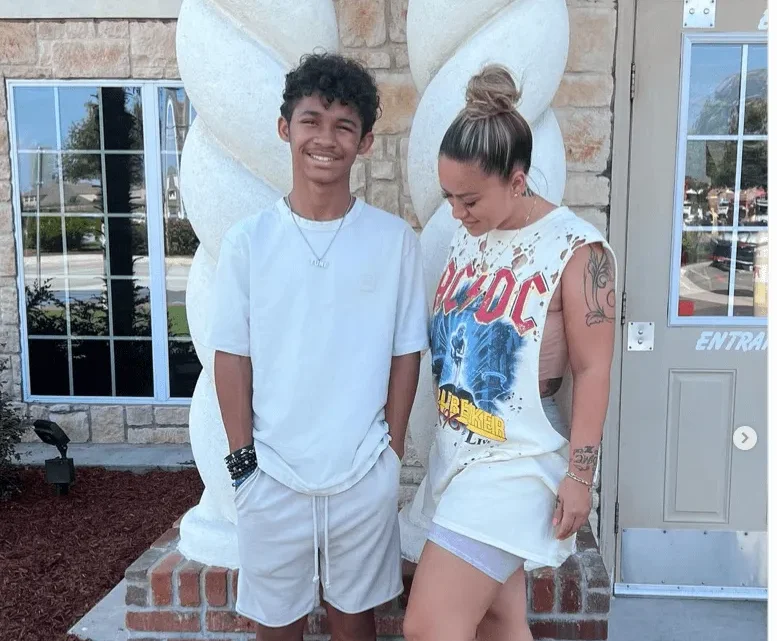
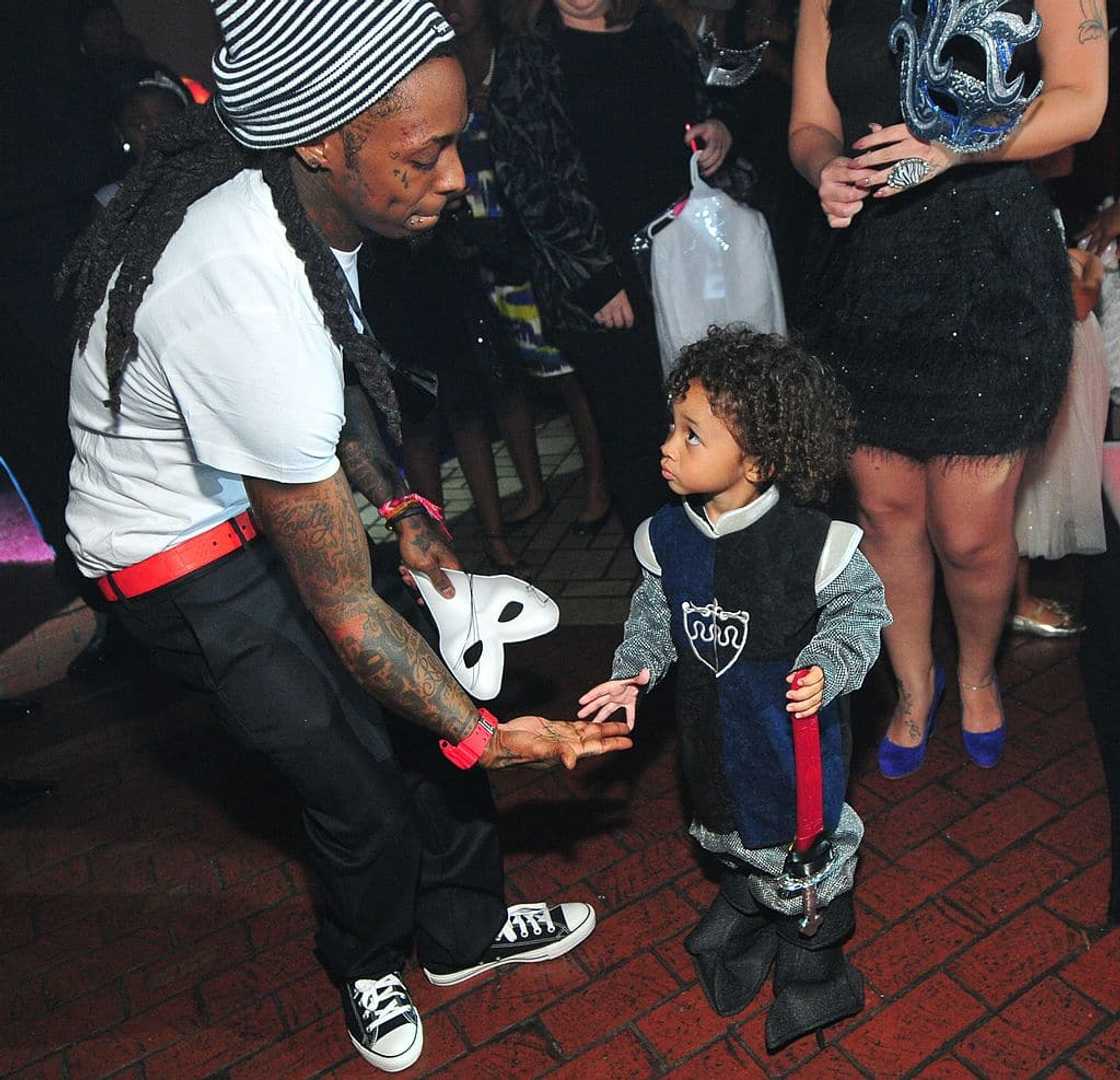
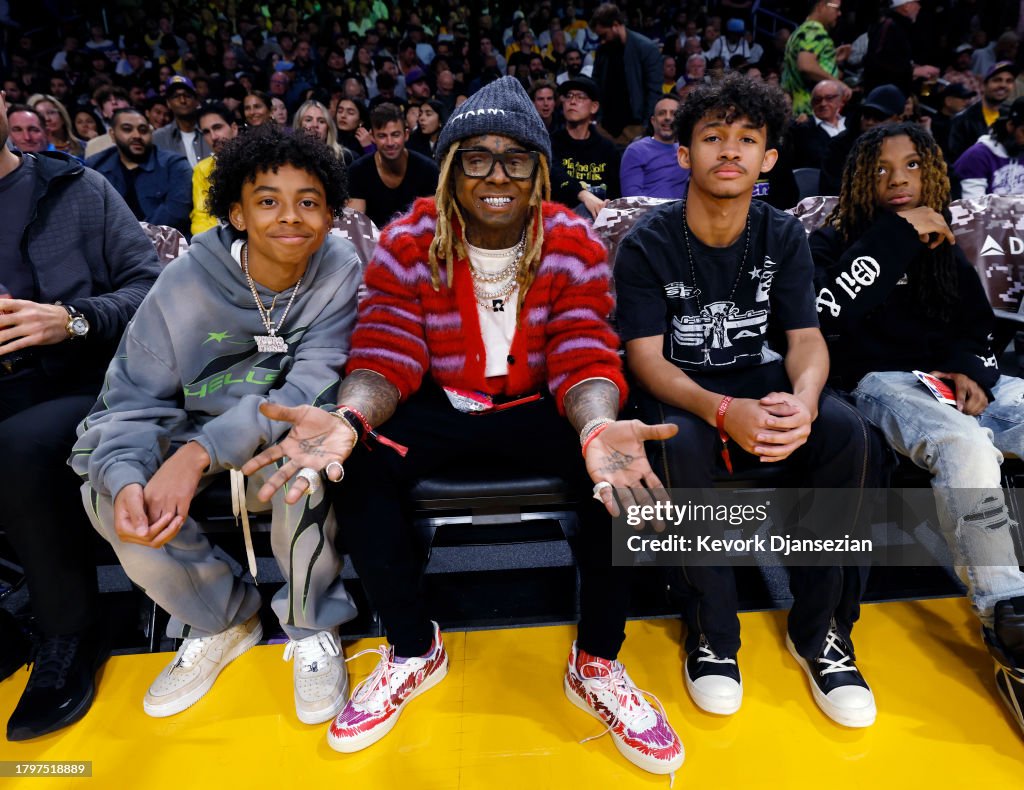
When users ask if "Dwayne Carter III" is worth visiting, there is often a slight ambiguity between the individual (Lil Wayne’s son, Dwayne Carter III, who is a young adult in 2026) and the cultural monument (the album Tha Carter III). In the context of "visiting" a subject for its merit, impact, and "worth," the primary focus is almost always the 2008 multi-platinum album.
Dwayne Carter III, the son, has maintained a relatively private life compared to his father’s meteoric career, though he has made minor appearances in his father's work. However, the album—the third installment of the Carter series—is a digital and physical "location" in the hip-hop canon. It represents the peak of the "Mixtape Weezy" era transitioning into global superstardom. In 2026, we view this album not just as a collection of songs, but as a turning point where rap moved from the regional dominance of the South to a homogenized global pop force.
The Historical Significance of the 2008 Release
To appreciate the "visit" in 2026, one must understand the environment in which this project was born. By 2008, Lil Wayne had already declared himself the "Best Rapper Alive" following the success of Tha Carter II and a legendary run of mixtapes like Da Drought 3 and Dedication 2.
The anticipation for Tha Carter III was unprecedented. It was one of the last albums to sell over a million copies in its first week during the physical media era, a feat that feels almost mythical in the streaming-dominant world of 2026. The album survived massive leaks—forcing Wayne to record entirely new material—and yet it still managed to deliver a cohesive, albeit eclectic, experience. This resilience is part of what makes the album a fascinating study for modern audiences: it is a testament to creative output under extreme industry pressure.
Why the Album Remains Relevant in 2026
The longevity of Tha Carter III is not merely due to its sales, but its technical execution. In 2026, music production has moved through various phases of "mumble rap," "drill," and "hyper-pop," yet Wayne’s technical proficiency on this album remains a gold standard for several reasons:
1. Lyrical Density and Wordplay
Wayne’s use of metaphors and "punchline rap" reached its zenith here. Tracks like "6 Foot 7 Foot" (released shortly after as a spiritual successor) and "Mr. Carter" showcase a density of rhyme that requires multiple listens to fully deconstruct. In an era of 2026 where "vibe" often outweighs "verse," returning to Tha Carter III provides a necessary refresher on the power of the written word.
2. Sonic Diversity
The album does not stick to a single sound. From the minimalist, bass-heavy thumping of "A Milli" to the synth-pop crossover of "Lollipop" and the soulful, introspective "Tie My Hands," the project covers a vast emotional and musical spectrum. This diversity is why it is often cited as the blueprint for the "genre-less" approach taken by artists in the 2020s.
3. Cultural Milestones
"A Milli" is arguably the most influential beat of the 21st century. Its looped vocal sample and sparse percussion changed the way producers approached "bangers." Visiting the album in 2026 allows listeners to hear the origin point of a style that has been replicated, parodied, and honored thousands of times over.
Key Tracks and Their Current Standing
| Track Title | Primary Producer | 2026 Cultural Status | Key takeaway |
|---|---|---|---|
| A Milli | Bangladesh | Immortal Classic | Redefined the "minimalist" rap beat. |
| Lollipop | Jim Jonsin | Pop-Rap Blueprint | Proved Auto-Tune could be a melodic tool for rappers. |
| Mr. Carter | Infamous | Torch-Passing Anthem | Features Jay-Z; symbolizes the transition of rap royalty. |
| Tie My Hands | Robin Thicke | Social Commentary | A rare, vulnerable look at post-Katrina New Orleans. |
| Dr. Carter | Swizz Beatz | Lyrical Concept Piece | Wayne "operates" on the rap game; a masterclass in metaphor. |
Analyzing the Production Architecture
The "worth" of visiting Tha Carter III also lies in its technical production. The album features a "who's who" of late-2000s producers, including Kanye West, Swizz Beatz, Bangladesh, and Jim Jonsin.
In 2026, we can see how Kanye West’s contribution on "Let the Beat Build" was a precursor to the soulful, developmental production styles that would dominate the next decade. The track literally builds the beat instrument by instrument as Wayne raps, providing a transparent look at the marriage between lyricism and composition.
Similarly, the use of Auto-Tune on "Lollipop" was highly controversial at the time. Critics argued it was a "sell-out" move. However, looking back from 2026, it is clear that Wayne was a visionary. He anticipated the melodic rap revolution that would eventually give rise to artists like Future, Young Thug, and Lil Uzi Vert. To visit this album is to visit the laboratory where the modern "melodic rapper" was essentially invented.
Comparative Value: The Carter Series Hierarchy
For those deciding if they should spend time with Tha Carter III over other installments in the series, a comparison is helpful. While Tha Carter II is often preferred by "purists" for its street-centric focus and gritty lyricism, and Tha Carter V is respected for its emotional maturity and "comeback" narrative, III remains the most "essential" for understanding the phenomenon of Lil Wayne.
- Tha Carter II: Best for fans of classic, boom-bap influenced Southern rap.
- Tha Carter III: Best for understanding the intersection of experimental lyricism and global pop-culture dominance.
- Tha Carter IV: A continuation of the stardom, though arguably less experimental than its predecessor.
- Tha Carter V: A reflective, legacy-focused project that rewards long-term fans.
In 2026, Tha Carter III sits at the center of this hierarchy as the most influential and structurally daring entry.
Common Pitfalls and "Aged" Elements
While the album is a classic, a 2026 "visitor" should be aware of certain elements that reflect its era. Some of the skits may feel dated to a modern audience used to the streamlined, no-skit era of streaming. Furthermore, the sheer length of the album (and its various "Deluxe" and "Target" editions) can be overwhelming.
However, these are minor hurdles. The core material—the "meat" of the tracklist—has aged remarkably well. Unlike many albums from 2008 that relied heavily on "ringtone" gimmicks, Wayne’s reliance on complex metaphor ensures that the lyrics provide new discoveries even after nearly two decades of play.
Frequently Asked Questions
Is Tha Carter III considered Lil Wayne's best album?
While "best" is subjective, it is widely considered his most important album. It solidified his status as a global icon and changed the commercial trajectory of hip-hop. Many fans still debate whether Tha Carter II or III holds the top spot, but III has the higher cultural and commercial impact.
How did the leaks affect the quality of the album?
The leaks, known as The Leak EP, actually improved the final product by forcing Wayne to record fresh, more experimental material. Many of the leaked tracks are also considered classics, making the era of Tha Carter III even richer than just the official 16-track release.
Does the album hold up in the 2026 streaming landscape?
Yes. Its high-energy tracks like "A Milli" and "Got Money" remain playlist staples, while its deeper cuts provide the lyrical substance that modern "conscious" listeners still crave. It is a rare album that satisfies both the casual listener and the rap technician.
Is Dwayne Carter III (the son) involved in music in 2026?
As of 2026, Dwayne Carter III has explored various interests, including sports and minor musical contributions, but he has not sought to replicate his father's specific career path. Most inquiries about "Dwayne Carter III" in a critical context still refer to the 2008 musical masterpiece.
Final Verdict: Is it Worth Visiting?
Absolutely. Visiting Tha Carter III in 2026 is not a trip through a dusty museum; it is an engagement with a vibrant, chaotic, and brilliant piece of art that still speaks to the current state of music. It represents the moment when the "underground" mixtape king became the "overground" pop emperor without sacrificing his technical soul.
For the best experience, listen to the album in its entirety, paying close attention to the transitions and the evolution of the "Carter" persona. From the frantic energy of the opening tracks to the soulful "Comfortable," the album is a journey through the mind of a creator at the absolute peak of his powers.
Image Gallery