Demystifying Epic Mold Remediation: How Professional Protocols Restore Indoor Air Quality
Epic mold remediation utilizes a systematic, multi-phase approach involving containment, high-efficiency particulate air filtration, safe removal of contaminated materials, and structural drying to permanently eliminate fungal growth a...
Epic mold remediation utilizes a systematic, multi-phase approach involving containment, high-efficiency particulate air filtration, safe removal of contaminated materials, and structural drying to permanently eliminate fungal growth and prevent its recurrence.
Contents
Indoor mold contamination represents a significant structural and health hazard for residential and commercial property owners. When moisture intrusion goes unnoticed or unaddressed, fungal spores proliferate rapidly across porous and semi-porous surfaces. While minor surface mold can often be managed with household cleaning agents, extensive infestations require professional intervention. Understanding how epic mold remediation works provides property owners with clarity on what to expect during a professional restoration project, ensuring safety, structural integrity, and long-term indoor air quality.
The Foundations of Professional Mold Remediation
Professional mold remediation is not merely about wiping away visible stains; it is a scientifically grounded protocol designed to address the root cause of fungal growth: excessive moisture. Fungal spores exist naturally in every indoor and outdoor environment. They become problematic only when they land on a wet or damp surface and begin to colonize.
The primary objective of a professional remediation protocol is to return the indoor environment to normal fungal ecology. According to guidelines established by organizations such as the Institute of Inspection Cleaning and Restoration Certification (IICRC S520) and the U.S. Environmental Protection Agency (EPA), remediation must follow a structured sequence. Skipping steps or failing to address the underlying water source almost invariably leads to recurring infestations.
Why DIY Methods Often Fail
Property owners frequently attempt to resolve mold issues using bleach, vinegar, or commercial all-purpose sprays. While these agents may alter the appearance of surface mold or kill spores on non-porous materials like glass or metal, they are largely ineffective on porous materials such as drywall, wood framing, and insulation.
Furthermore, aggressive scrubbing or improper cleaning techniques can agitate colonies, releasing millions of microscopic spores into the air. These airborne spores travel through HVAC systems and settle in unaffected areas of the building, exacerbating the problem. Professional remediation relies on engineering controls to capture these spores at the source rather than allowing them to disperse.
Step-by-Step Breakdown of the Remediation Process
A comprehensive mold remediation project moves through distinct, sequential phases. Each stage requires specialized equipment, personal protective equipment (PPE), and adherence to strict safety standards.
- Moisture Source Identification
- Containment & Negative Air Pressure
- Air Filtration & HEPA Scrubbing
- Removal & Controlled Demolition
- Cleaning, Biocide Application & Drying
- Post-Remediation Verification
1. Initial Inspection and Assessment
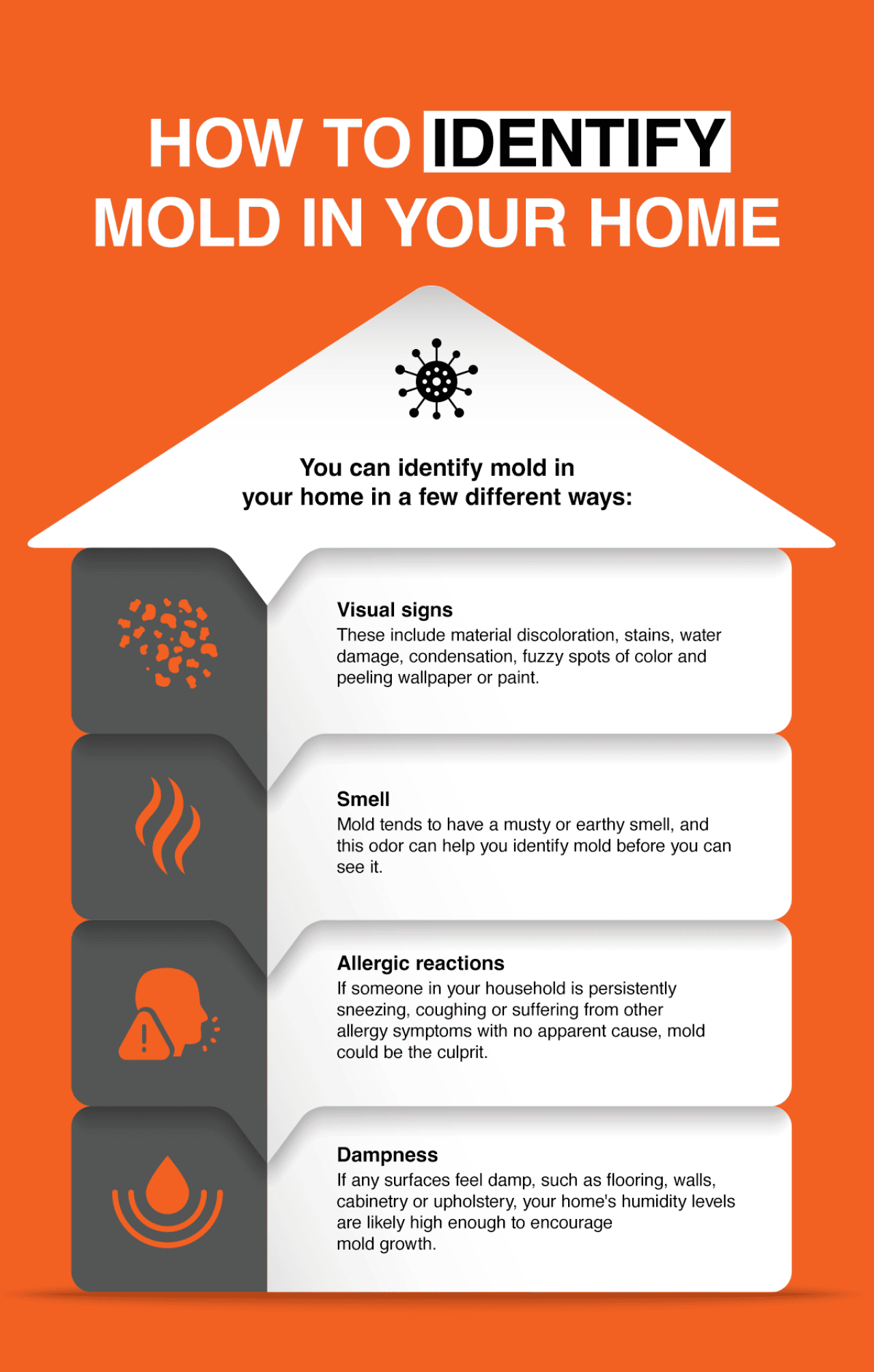
Before any physical work begins, certified mold inspectors or remediation technicians conduct a thorough evaluation of the property. This phase involves locating all affected areas, identifying the source of moisture using thermal imaging cameras and moisture meters, and determining the extent of the contamination. In many cases, hidden mold exists behind walls, beneath flooring, or inside HVAC ductwork.
2. Establishing Containment
To prevent cross-contamination into clean areas of the building, technicians isolate the work zone. This is achieved by constructing physical barriers using heavy-duty polyethylene sheeting and sealing doorways and HVAC vents.
For moderate to severe infestations, technicians establish negative air pressure within the containment zone. This is accomplished by placing specialized High-Efficiency Particulate Air (HEPA) exhaust fans inside the work area and venting the air outdoors. Negative pressure ensures that when workers enter and exit, air flows inward rather than escaping into unaffected living spaces.
3. Air Filtration and HEPA Scrubbing
Throughout the remediation process, industrial-grade air scrubbers equipped with HEPA filters operate continuously within and around the containment zone. These units draw in indoor air, trap microscopic fungal spores and particulate matter down to 0.3 microns at an efficiency of 99.97%, and recirculate clean air. This continuous filtration dramatically lowers airborne spore counts during disruptive demolition phases.
4. Removal, Discarding, and Cleaning
Porous and semi-porous materials that are heavily contaminated—such as drywall, insulation, and carpeting—cannot be effectively salvaged and must be carefully removed. Technicians bag these materials in heavy-duty, anti-microbial disposal bags while still inside containment to prevent spore shedding during transport through the building.
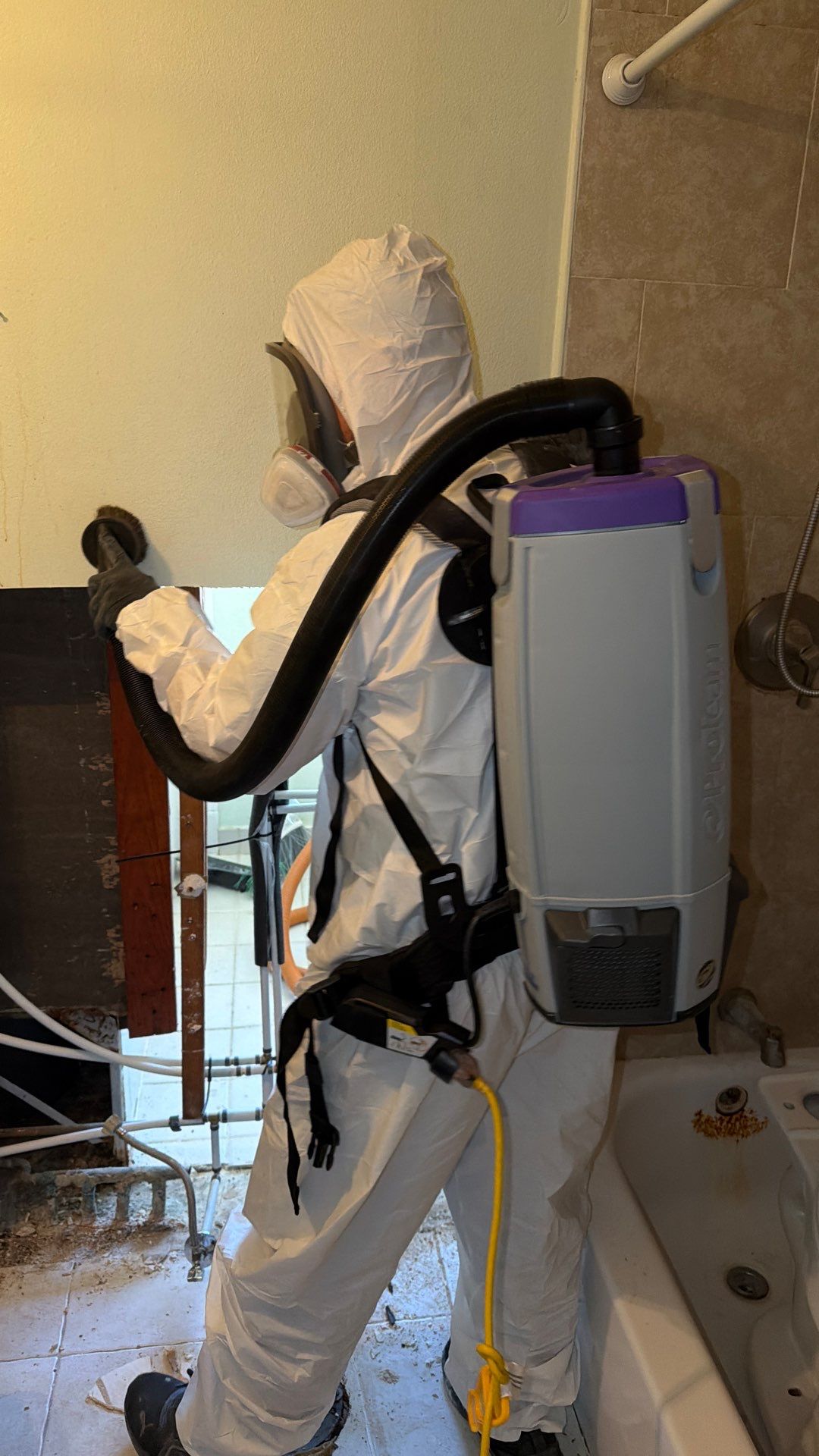
For semi-porous and non-porous structural elements that remain structurally sound (such as wooden framing studs or subfloors), technicians employ specialized cleaning techniques. This includes HEPA vacuuming, wire brushing, and application of EPA-registered antimicrobial or fungicidal washes to neutralize residual roots and spores.
5. Structural Drying and Dehumidification
Because moisture is the catalyst for mold growth, drying the affected structure is a critical final operational step. Industrial low-grain-refrigerant (LGR) dehumidifiers and high-velocity air movers are deployed to extract residual moisture from building materials. Technicians monitor relative humidity levels daily until structural moisture content returns to pre-loss, dry standards.
Equipment and Technical Standards Used in Remediation
Professional remediation requires specialized tools that far exceed standard household cleaning supplies. The table below outlines the primary equipment categories and their specific functions during a remediation project.
| Equipment Type | Primary Function | Technical Specification / Standard |
|---|---|---|
| HEPA Air Scrubbers | Captures airborne spores and fine particulate matter. | Filters 99.97% of particles down to 0.3 microns. |
| Negative Air Machines | Maintains directional airflow to prevent spore migration. | Continuous exhaust venting outdoors via flexible ducting. |
| LGR Dehumidifiers | Extracts moisture from the air and building materials. | Low-grain-refrigerant technology operating in lower humidity conditions. |
| Moisture Meters | Measures water content in wood, drywall, and masonry. | Pin and pin-less resistance/capacitance meters. |
| Thermal Imaging Cameras | Detects temperature differentials indicating hidden moisture. | Infrared spectrum analysis for concealed leaks. |
Comparing Professional Remediation vs. Standard Cleaning
Choosing between a professional service and a DIY cleanup depends heavily on the square footage of the contamination and the nature of the affected materials.
| Feature | DIY Surface Cleaning | Professional Remediation |
|---|---|---|
| Contamination Scale | Typically under 10 square feet. | Any scale, including extensive structural infestations. |
| Containment Systems | Rarely used; high risk of cross-contamination. | Strict physical barriers with negative air pressure. |
| Air Filtration | None; relies on natural ventilation. | Continuous industrial HEPA air scrubbing. |
| Material Handling | Surface wiping; porous items usually left in place. | Safe removal and disposal of unsalvageable porous materials. |
| Moisture Source Fix | Rarely addressed beyond surface drying. | Comprehensive moisture mapping and structural drying. |
Health Implications and Safety Protocols
Exposure to high concentrations of indoor mold can trigger adverse health effects, particularly for individuals with pre-existing respiratory conditions, allergies, or compromised immune systems. Common symptoms include nasal congestion, throat irritation, coughing, and skin rashes.
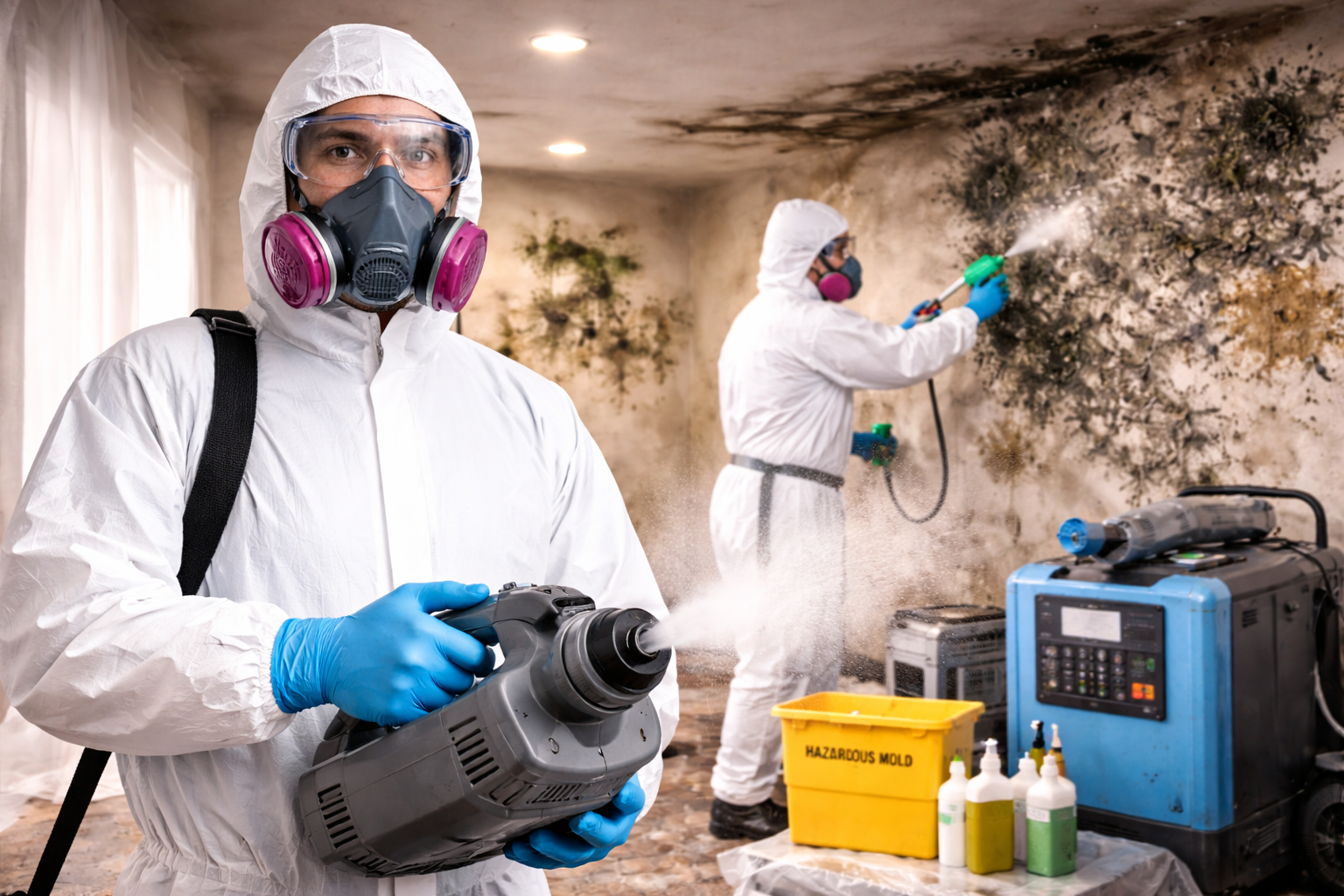
Because technicians work directly within concentrated zones of fungal spores, strict personal protective equipment (PPE) protocols are mandatory. Remediation crews wear full-body disposable suits, eye protection, gloves, and half-mask or full-mask respirators equipped with P100 particulate filters. These measures protect workers from inhaling spores and toxic metabolites, such as mycotoxins, during aggressive demolition and cleaning activities.
Post-Remediation Verification and Prevention
Once physical cleaning and structural drying are complete, a quality assurance check known as Post-Remediation Verification (PRV) is often performed. Independent indoor environmental professionals or industrial hygienists conduct visual inspections and air quality testing to confirm that spore levels inside the treated area are comparable to or lower than outdoor baseline levels or unaffected indoor areas.
Long-Term Prevention Strategies
Preventing future mold growth requires active moisture management. Property owners should implement the following maintenance practices:
- Maintain indoor relative humidity between 30% and 50% using air conditioning units and dehumidifiers.
- Promptly repair plumbing leaks, roof breaches, and window seals within 24 to 48 hours of discovery.
- Ensure proper ventilation in high-humidity zones such as bathrooms, kitchens, and laundry rooms.
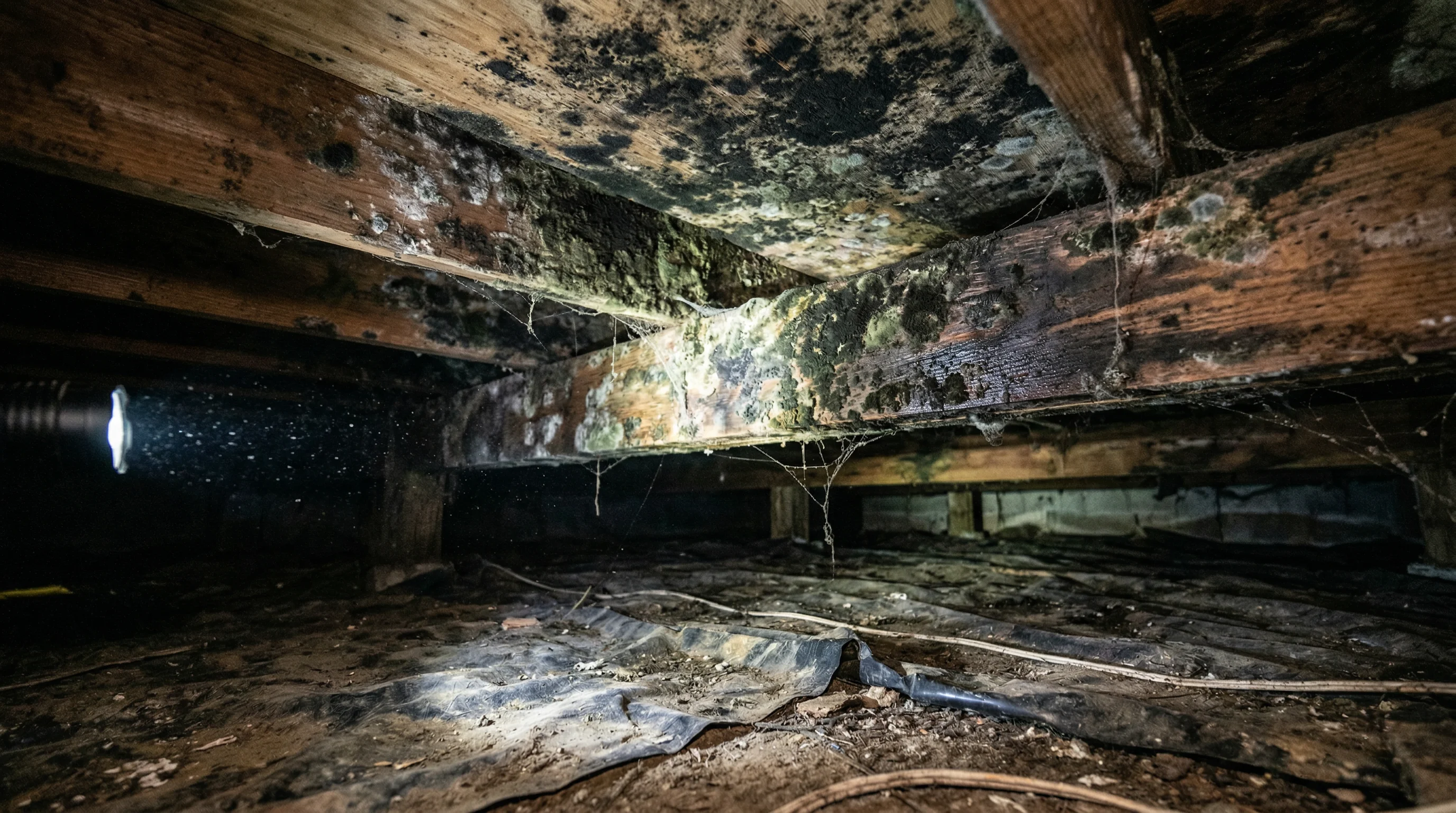
- Inspect crawlspaces and basements regularly for standing water or condensation buildup.
Frequently Asked Questions
How long does the mold remediation process take?
The duration of a mold remediation project varies based on the size of the contamination and the extent of structural damage. Small contained areas may take between one to three days, while large-scale commercial or multi-room residential projects can require a week or more, largely due to the time needed for complete structural drying.
Is professional mold remediation covered by homeowners insurance?
Insurance coverage depends entirely on the root cause of the moisture intrusion. If mold results from a sudden, accidental plumbing failure covered by the policy (such as a burst pipe), remediation costs are often covered. However, mold resulting from long-term maintenance neglect, rising groundwater, or chronic humidity is typically excluded from standard policies.
Can mold grow back after professional remediation?
Mold will not return if the underlying moisture source has been permanently corrected and the indoor humidity is properly controlled. However, if a new water leak occurs or humidity levels remain elevated, fungal spores present in the ambient environment can colonize the area again.
Do I need to temporarily relocate during remediation?
For minor infestations contained to a single, isolated room, relocation is rarely necessary. However, if the contamination is extensive, affects HVAC ductwork, or requires major demolition in primary living or working spaces, occupants—especially children, the elderly, and those with respiratory sensitivities—are advised to temporarily relocate until clearance is established.
What is the difference between mold removal and mold remediation?
True mold removal is technically impossible because fungal spores exist everywhere in nature. Mold remediation refers to the comprehensive process of reducing spore counts to normal ambient levels, cleaning contaminated surfaces, and eliminating the moisture conditions that allowed the growth to occur.
Next Actions for Property Owners
If you suspect or have confirmed a mold issue in your property, prioritize safety by avoiding the disturbance of affected materials. Contact a certified, insured remediation professional to perform an on-site assessment and moisture mapping. Addressing moisture intrusion swiftly minimizes structural damage and protects the health of all building occupants.
Image Gallery