Choosing the Right Highlights for Dark Short Hair: A 2026 Professional Guide
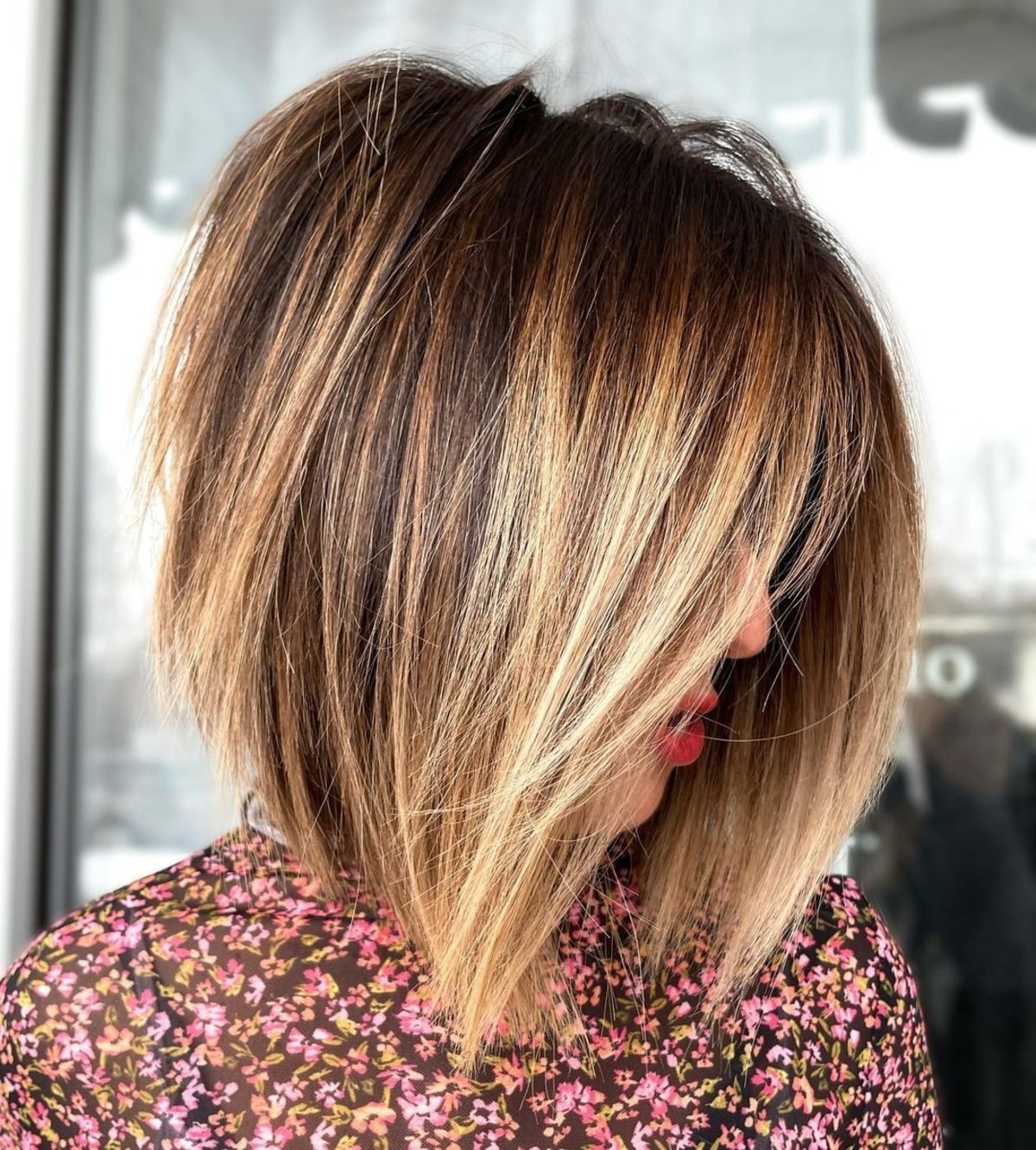
Achieving the perfect balance of highlights on dark, short hair requires precise placement and tonal control to create depth without overwhelming the base color. By selecting techniques like babylights, balayage, or money-piece framing...
Achieving the perfect balance of highlights on dark, short hair requires precise placement and tonal control to create depth without overwhelming the base color. By selecting techniques like babylights, balayage, or money-piece framing, you can enhance texture and movement in cropped cuts while maintaining the health of your hair through modern bonding treatments.
Contents
Understanding Placement Dynamics for Short Hair
When working with dark hair, the contrast between the base and the lightened section is the most significant aesthetic factor. Unlike long hair, which offers a large canvas for sweeping transitions, short hair—such as a pixie, a bob, or a textured crop—demands strategic foil or hand-painted placement to ensure the result looks deliberate rather than stripey.
In 2026, the focus has shifted toward "micro-dimension." This involves taking extremely fine sections of hair to deposit color, ensuring that the light reflects off the natural texture of the cut. For short, dark hair, this prevents the "leopard print" effect that can occur if sections are too large or the highlights are too concentrated in one area.
Identifying Your Ideal Highlighting Technique
The technique chosen dictates the level of maintenance and the final visual impact. Use the following guide to determine which method aligns with your hair length and personal style.
| Technique | Best For | Maintenance Level | Visual Effect |
|---|---|---|---|
| Babylights | Very short pixie or tapered cuts | Moderate | Soft, sun-kissed, natural shimmer |
| Balayage | Bob-length or longer crops | Low | Soft transition, root-melt appearance |
| Money Piece | Framing the face on any length | Moderate | Bright, face-illuminating effect |
| Teasy-Lights | Textured crops with volume | Low-Moderate | Diffused, seamless integration |
Color Theory and Tonal Selection for Dark Bases
Dark hair often carries underlying red or orange pigments when lightened. To achieve a professional, salon-quality finish, the colorist must neutralize these warm tones during the toning process. In 2026, the trend leans toward "expensive brunette" highlights—think espresso bases with mocha, honey, or caramel ribbons.
Avoid overly ash-toned highlights unless the goal is a stark, high-contrast look, as grey-toned highlights can sometimes look dull or "dusty" against a dark, warm base. Instead, aim for tones that are one to two levels lighter than the natural hair to ensure harmony.
The Role of Professional Bonding Additives
Because dark hair typically requires a stronger developer or a longer processing time to achieve lift, structural integrity is paramount. Modern lighteners in 2026 are almost exclusively used with integrated bonding technologies. These additives work by reinforcing the disulfide bonds in the hair shaft during the chemical process, preventing the brittleness that is common in processed dark hair.
Technical Maintenance Requirements
Bond Preservation: Ensure that your stylist utilizes a ph-balancing treatment immediately after rinsing the lightener to stabilize the hair cuticle.
Toning Schedules: Dark hair highlights usually require a refresh every 6 to 8 weeks. Even if the hair has not grown out significantly, the toner will likely fade, revealing the warm underlying pigment.
Step-by-Step Execution for Stylists and Enthusiasts
Executing highlights on short, dark hair requires a methodical approach to avoid overlapping, which causes breakage. Follow this professional workflow to ensure even distribution and protection of the base color.
- Consultation and Strand Test: Always perform a strand test on dark hair to determine the hair's lift capacity and porosity.
- Sectioning: Use a precise "diamond" or "star" sectioning pattern to ensure highlights are distributed evenly around the crown and nape.
- Application: Apply the lightener using a "feathering" motion at the roots to avoid harsh horizontal lines, especially if working on shorter lengths.
- Processing: Monitor the lift visually every 10 minutes. Do not exceed the manufacturer's recommended time to preserve the elasticity of the hair fiber.
- Toning: Apply a demi-permanent gloss to bridge the gap between the base color and the new highlights, creating a cohesive, expensive-looking finish.
Managing Risks and Common Mistakes
The most common issue with highlights on dark hair is "bleeding," where the lightener seeps onto neighboring strands, creating unwanted spots. On short hair, this is more noticeable due to the lack of length to hide imperfections.
- Avoid Over-processing: If the hair has been previously box-dyed, the pigment may be resistant. Do not force the lift with higher-volume developers; instead, opt for multiple gentle sessions.
- The Problem of Brassiness: Because dark hair has intense red/orange undertones, invest in a high-quality blue-pigmented shampoo (for dark hair with lightened strands) or purple shampoo (if the highlights are blonde) to use at home.
- Heat Damage: Using flat irons on high heat immediately after highlighting can strip the toner and dry out the lightened strands. Keep heat styling under 350 degrees Fahrenheit.
Frequently Asked Questions
Will highlights on short dark hair cause significant damage? When performed by a professional using modern bonding agents, damage is minimized significantly. The key is to manage the lift and use proper post-color care, such as hydration-focused masks, to maintain moisture.
How often should I go to the salon for maintenance? For short, dark hair, a root touch-up or a toning session is generally recommended every 6 to 8 weeks. Because short hair is cut more frequently, the highlights will eventually grow out, requiring a refresh of the placement.
Can I do these highlights at home? It is strongly discouraged. Achieving the correct lift on dark hair without causing "hot roots" or breakage requires professional-grade knowledge of color theory and precise application techniques that are difficult to execute on one's own head.
What is the best color for a dark-haired pixie cut? Caramel and honey highlights are trending in 2026 as they provide a soft contrast that enhances the texture of a pixie cut. These tones brighten the face while maintaining the richness of the dark base.
Does my hair need to be a specific length to get highlights? As long as the hair is at least 2 inches long, a skilled stylist can place highlights. Extremely short cuts, like an undercut or a buzz cut, may rely on "color melting" or surface painting rather than traditional foil highlights.
Professional Care Recommendations
To maintain the integrity of your highlights, transition your haircare routine to include sulfate-free cleansers that protect color pigments. Weekly deep-conditioning treatments are non-negotiable for dark, lightened hair, as the bleaching process removes natural lipids, making the hair more prone to tangling and dryness.
If you are ready to enhance your short, dark hair with professional highlights, contact a colorist specializing in precision cutting and corrective color. Ensure you request a consultation regarding the health of your hair, especially if you have had previous chemical services or heat-styling damage.
Image Gallery