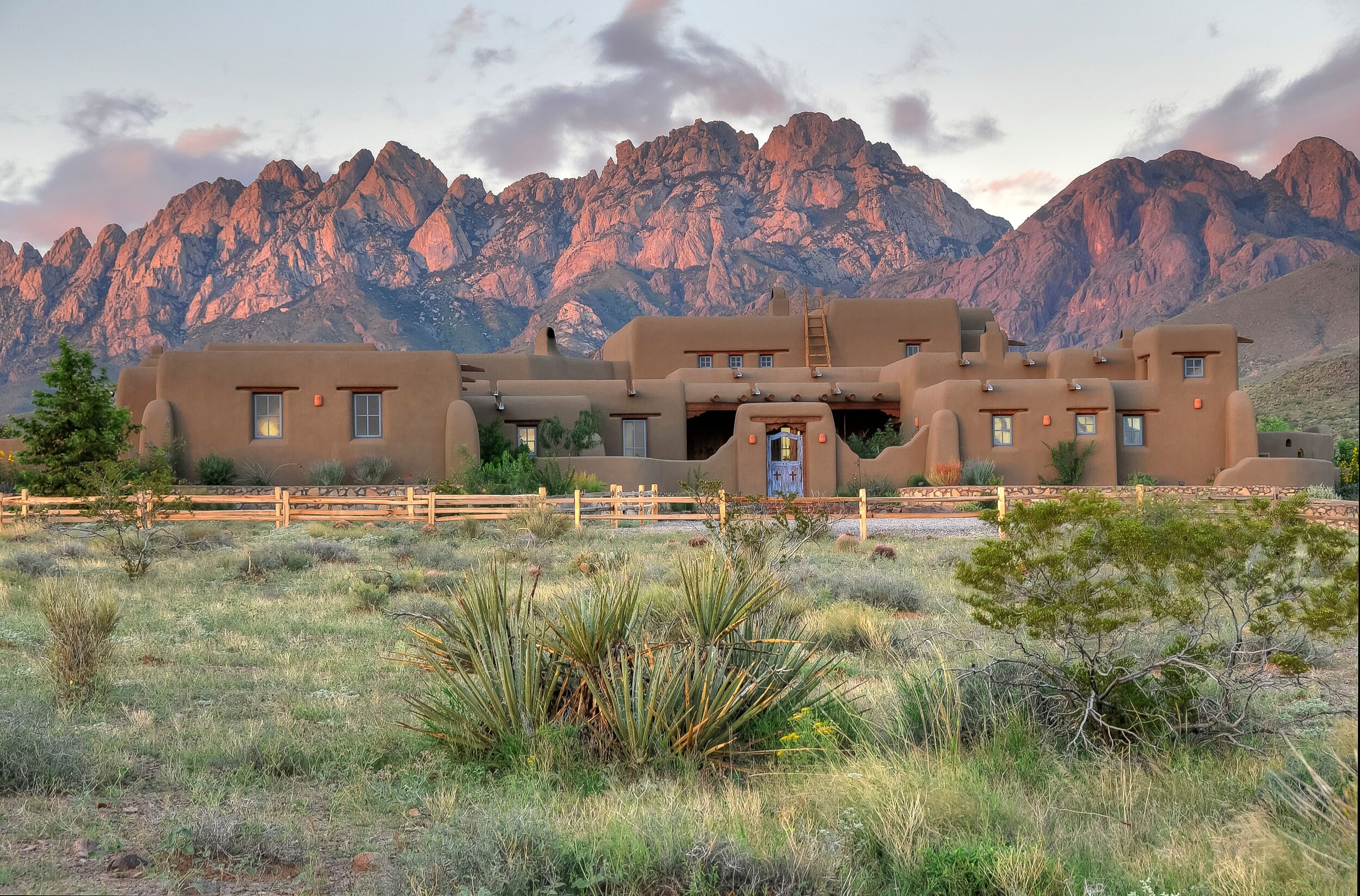
New Mexico Homes: The Definitive 2026 Real Estate and Housing Market Guide
Navigating the New Mexico real estate market requires an understanding of distinct regional micro-markets, historic architectural styles, and complex local land and water use regulations. From the adobe-style properties of Santa Fe to...
Navigating the New Mexico real estate market requires an understanding of distinct regional micro-markets, historic architectural styles, and complex local land and water use regulations. From the adobe-style properties of Santa Fe to the sprawling contemporary developments of Albuquerque, securing property in the Land of Enchantment involves unique legal, environmental, and financial considerations.
Contents
Understanding the New Mexico Housing Market Landscape
The New Mexico real estate landscape is defined by its geographic diversity, ranging from high-desert plateaus and alpine mountain towns to fertile river valleys. Buyers entering this market encounter a distinct blend of historic preservation zones, master-planned communities, and rural acreage governed by unique state laws regarding water rights and mineral interests.
Unlike fast-paced metropolitan sectors in neighboring states, New Mexico's housing market often operates on a different rhythm, heavily influenced by seasonal migration, aerospace and defense economies in the south, and a robust tourism and arts sector in the north.
Property values vary significantly depending on county, municipal zoning, and proximity to major economic hubs such as Albuquerque, Santa Fe, Las Cruces, and Los Alamos. Understanding these variations is essential for both primary residence buyers and real estate investors looking to deploy capital effectively.
Regional Micro-Markets: Where to Buy in New Mexico
Each region of New Mexico presents distinct lifestyle offerings, pricing tiers, and architectural expectations. Evaluating these micro-markets ensures alignment between buyer lifestyle requirements and financial capabilities.
Central New Mexico: Albuquerque and Rio Rancho
Albuquerque serves as the state's commercial and financial epicenter. Neighborhoods range from the historic Old Town and the foothills of the Sandia Mountains to the rapidly expanding Westside and North Valley. Rio Rancho, located just north of Albuquerque, offers more modern suburban construction, master-planned developments, and competitive price-per-square-foot metrics.
Northern New Mexico: Santa Fe, Taos, and Northern Valleys
Santa Fe commands some of the highest real estate valuations in the state, driven by strict historic preservation ordinances that mandate Pueblo Revival or Territorial architectural styles. Taos offers a more rugged, artistic enclave with adobe compounds and mountain retreats. Properties in these areas often feature strict covenants regarding exterior aesthetics, solar orientation, and landscape water usage.
Southern New Mexico: Las Cruces and the Mesilla Valley
Las Cruces provides a sun-belt climate, agricultural surroundings, and a lower cost of living compared to the northern counties. The market here features stucco-finished contemporary homes, ranch properties, and active adult communities centered around the local university and retirement infrastructure.
Key Architectural Styles and Construction Realities
New Mexican architecture is deeply tied to its cultural heritage and environmental conditions. Buyers must understand the structural implications of building materials common to the region.
- Pueblo Revival and Territorial Style (Adobe and Frame Stucco): Traditional adobe requires specialized maintenance, including regular re-plastering of mud or modern synthetic stuccos to prevent moisture infiltration. Many modern homes utilize frame construction finished with stucco to mimic the traditional adobe aesthetic while offering enhanced insulation.
- Flat Roofs (Vigas and Latillas): Traditional flat roofs require meticulous maintenance, proper slope engineering, and periodic elastomeric coating applications to prevent leaks during the monsoon season.
- Passive Solar Orientation: Many historic and modern New Mexico homes are engineered to maximize winter solar heat gain through south-facing windows and thermal mass materials like brick or concrete floors.
Essential Legal and Environmental Due Diligence
Purchasing real estate in New Mexico involves specific statutory disclosures and environmental factors that do not apply in most other states. Conducting thorough due diligence protects buyers from unforeseen liabilities.
Water Rights and Well Systems
Water is a tightly regulated public resource in New Mexico. Properties outside municipal water utility boundaries rely on domestic wells permitted by the Office of the State Engineer (OSE). Buyers must verify that a well has a valid permit, adequate flow rate, and potable water quality. In rural areas, purchasing land does not automatically grant surface or subsurface water rights, which must be researched independently.
Community Land Grants and Acequias
In northern and rural counties, properties may be adjacent to or intersected by historic acequias (community irrigation ditches). Acequia associations possess legal authority regarding ditch maintenance, water allocation, and access easements across private land. Furthermore, historic land grant boundaries can introduce complex title considerations.
Property Tax Structure and Mill Levies
New Mexico property taxes are relatively moderate compared to national averages, typically calculated at approximately one-third of the assessor's estimated market value, multiplied by the local municipal or county mill levy. The state does not have a statewide transfer tax, but title insurance rates are strictly regulated by the New Mexico Public Regulation Commission.
Financial Planning and Mortgage Strategies
Securing financing for New Mexico real estate requires collaboration with lenders experienced in local property types, such as rural acreage, historic homes requiring specialized renovation loans, or properties utilizing private community water systems.
| Financing Type | Best Suited For | Key Considerations |
|---|---|---|
| Conventional Loans | Standard suburban and urban properties | Requires traditional underwriting, clean appraisals, and standard debt-to-income ratios. |
| FHA / VA Loans | First-time buyers and military personnel | Properties must meet strict minimum property standards regarding safety, roof condition, and foundation integrity. |
| USDA Rural Development Loans | Eligible rural and semi-rural locations | Offers 0% down payment options for qualified buyers purchasing in designated rural zones outside city limits. |
| New Mexico Mortgage Finance Authority (MFA) | First-time low-to-moderate income buyers | Provides down payment assistance programs and specialized below-market interest rate products. |
Step-by-Step Homebuying Process in New Mexico
Navigating the transaction timeline requires adhering to state-specific contract forms, statutory disclosure mandates, and local closing customs.
- Obtain Pre-Approval: Secure formal pre-approval from a mortgage lender familiar with New Mexico real estate underwriting standards.
- Select a Licensed Real Estate Professional: Partner with an agent possessing deep hyper-local knowledge of zoning laws, historic district rules, and neighborhood dynamics.
- Property Search and Tour: Evaluate properties based on structural integrity, water source, heating/cooling systems (evaporative cooling versus refrigerated air), and HOA restrictions.
- Draft and Execute the Purchase Agreement: Utilize New Mexico Real Estate Commission (NMREC) approved purchase agreement forms, specifying earnest money timelines and inspection periods.
- Perform Comprehensive Inspections: Hire licensed inspectors to evaluate structural stability, roof performance, septic systems, radon levels, and well water potability.
- Review Seller Disclosures: Analyze the mandatory New Mexico Seller's Property Disclosure Statement regarding structural defects, past repairs, and boundary disputes.
- Title Search and Escrow: Work with a licensed title company to clear encumbrances, verify easements, and prepare closing documentation.
- Closing and Recording: Sign final loan and deed documents, fund the transaction, and record the deed at the county clerk's office.
Pros and Cons of Living in New Mexico
| Advantages | Challenges |
|---|---|
| Diverse, striking natural landscapes and over 300 days of sunshine annually. | Pockets of lower economic mobility and underfunded public educational infrastructure in certain districts. |
| Rich cultural heritage, thriving art markets, and distinct culinary traditions. | Higher vulnerability to drought, wildfire risks, and water scarcity concerns in rural zones. |
| Generally lower median home prices compared to neighboring Arizona, Colorado, and Texas. | Extreme temperature swings in high-elevation regions requiring robust heating and cooling investments. |
Frequently Asked Questions
What are the standard property disclosure requirements in New Mexico?
Sellers in New Mexico are legally required to provide a completed Seller's Property Disclosure Statement detailing known material defects regarding the roof, plumbing, electrical, structural components, and environmental hazards. This disclosure must be delivered to the buyer during the initial inspection phase of the transaction.
Do most New Mexico homes feature refrigerated air or evaporative coolers?
Older homes across the state frequently utilize swamp coolers (evaporative coolers), which function efficiently in dry desert climates. However, modern construction and renovated older properties increasingly feature refrigerated air conditioning systems to manage peak summer temperatures and humidity during the monsoon season.
Are water rights automatically transferred with New Mexico real estate?
No, water rights do not automatically transfer with real estate parcels unless explicitly specified in the deed and legally separated from municipal utility providers. Properties utilizing shared private wells or historic acequia systems require dedicated legal documentation to verify water transfer validity.
How do historic district regulations affect homeownership in Santa Fe or Albuquerque?
Historic districts enforce rigorous architectural standards that dictate exterior building materials, paint colors, window replacements, and fence heights. Homeowners must secure approval from local historic design review boards before executing any visible exterior alterations or additions.
What assistance programs are available for first-time homebuyers in New Mexico?
The New Mexico Mortgage Finance Authority (MFA) offers several down payment assistance programs and specialized mortgage products tailored to low-to-moderate-income residents purchasing primary residences within the state.
How are property taxes calculated in New Mexico?
Property taxes are assessed by county assessors based on approximately one-third of the estimated market value of the property, multiplied by the specific residential tax rate (mill levy) applicable to the property's exact tax district.
Professional Real Estate Guidance and Next Steps
Evaluating the New Mexico housing market requires meticulous attention to environmental variables, municipal zoning, and legal disclosures. To secure property effectively in this distinct market, consult with qualified local real estate brokers, title officers, and lending specialists who possess verified experience navigating the regulatory framework of the Land of Enchantment. Begin your property search today by connecting with certified regional experts who can provide tailored market analyses for your target community.
Image Gallery