Understanding the Age of Richard Gere in the Iconic Film Pretty Woman
Richard Gere was 40 years old when Pretty Woman was released in theaters on March 23, 1990. Born on August 31, 1949, the actor had turned 40 the previous autumn, placing him in a prime stage of his career as a leading man in Hollywood....
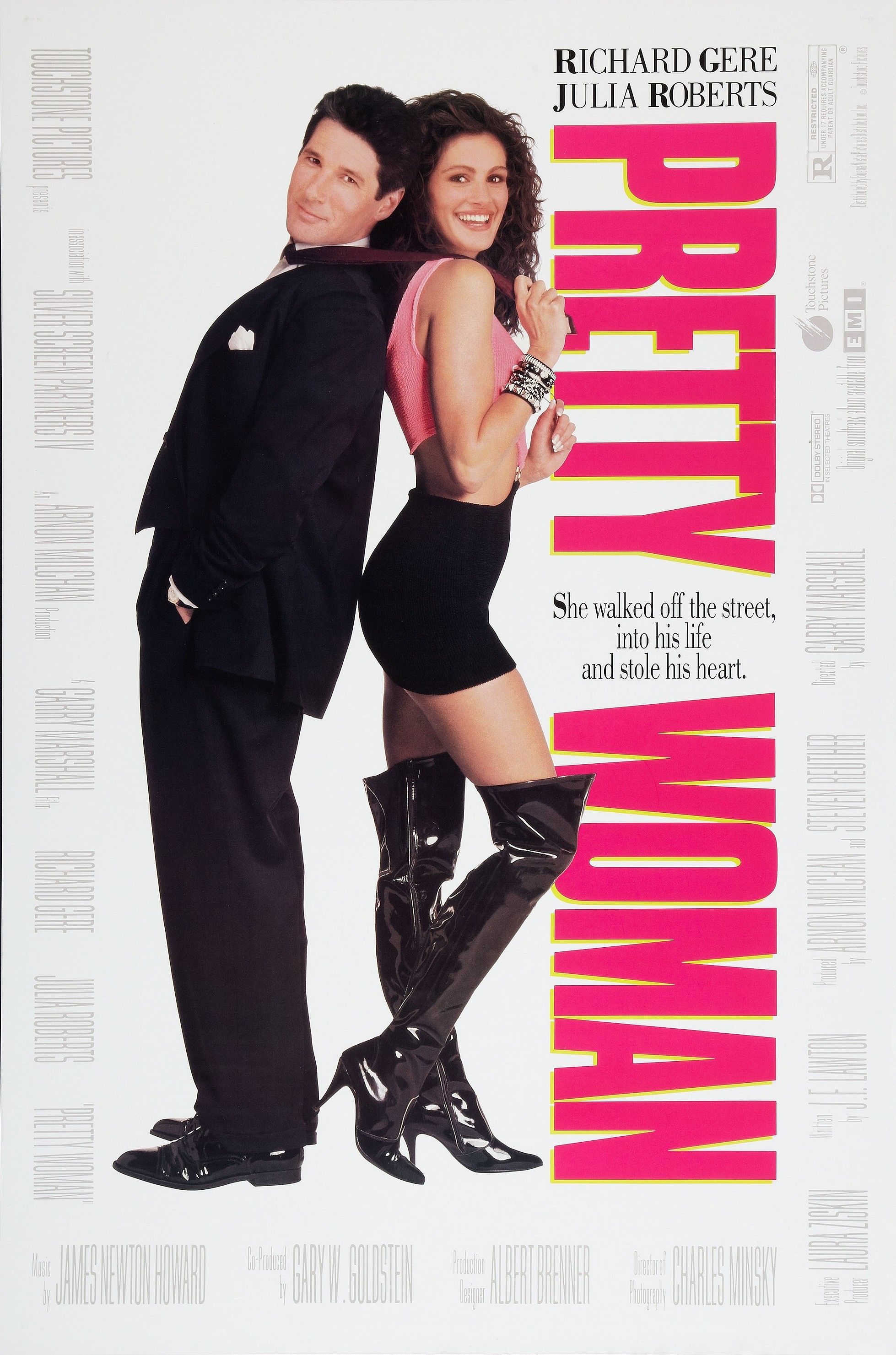
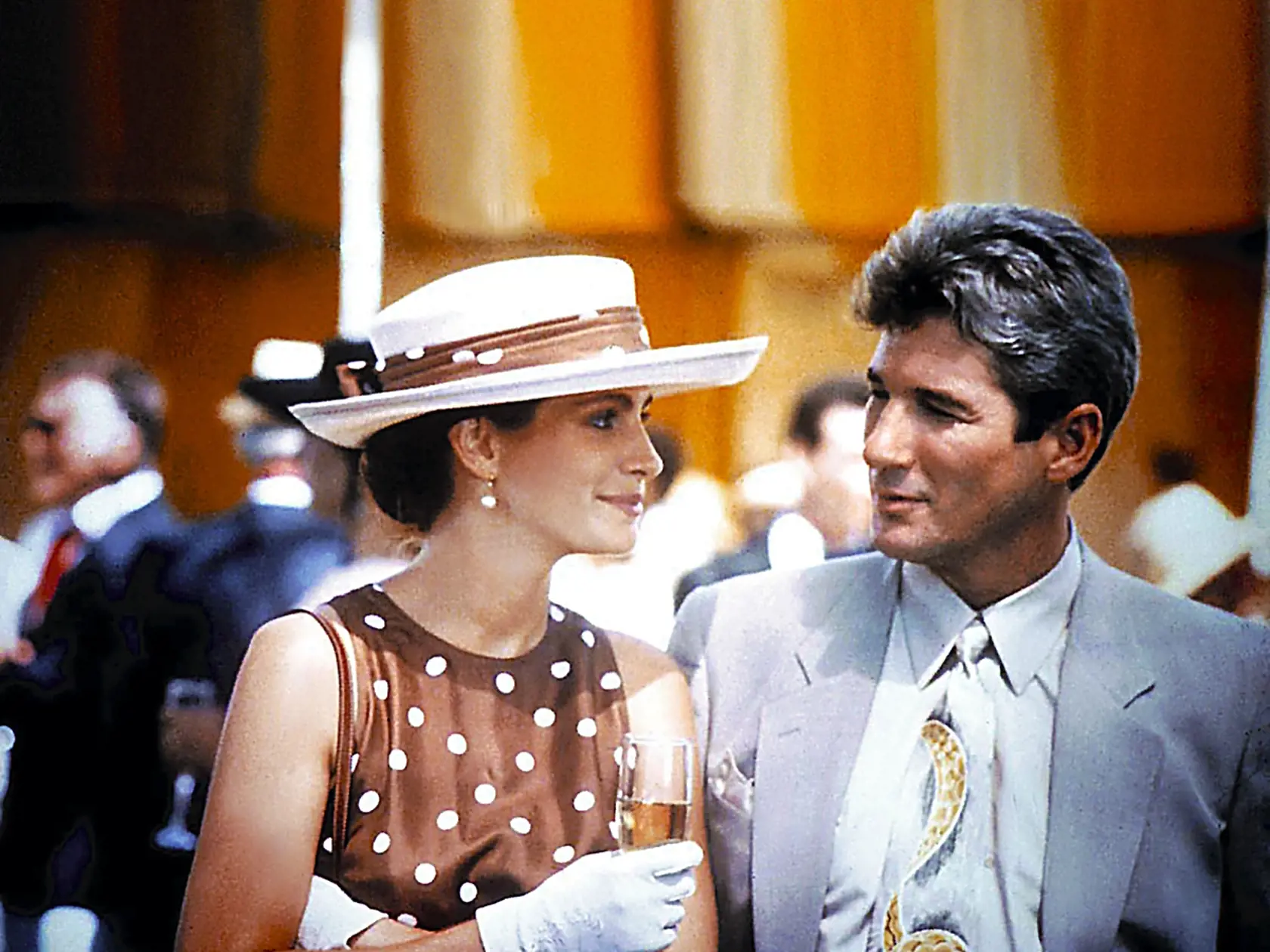
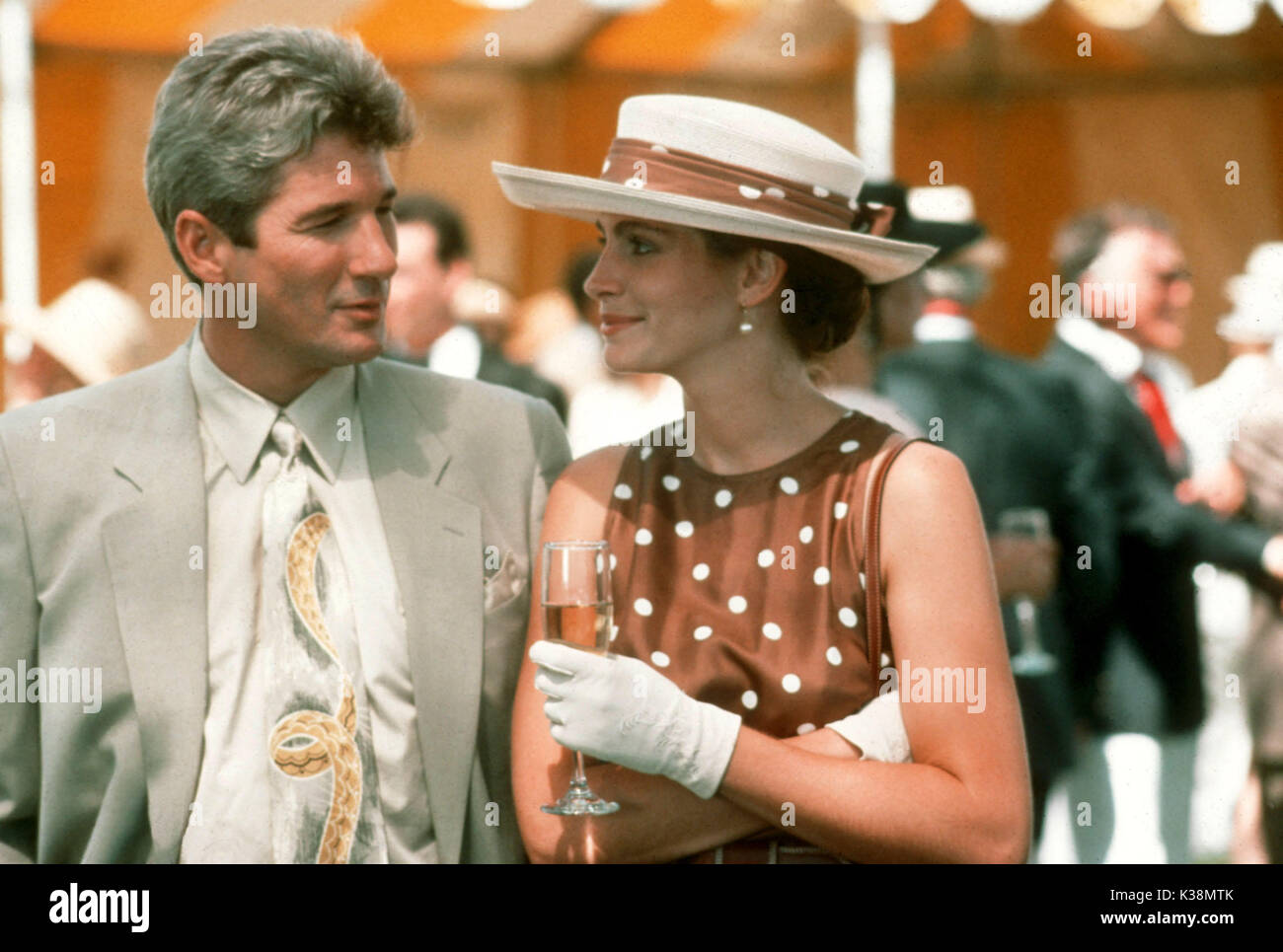
Richard Gere was 40 years old when Pretty Woman was released in theaters on March 23, 1990. Born on August 31, 1949, the actor had turned 40 the previous autumn, placing him in a prime stage of his career as a leading man in Hollywood. His portrayal of Edward Lewis, a wealthy, detached corporate raider, remains one of the most recognizable roles of his extensive filmography.
Contents
Contextualizing the Production Timeline
To understand the age of an actor during a film's release, it is necessary to distinguish between the theatrical premiere and the principal photography phase. Pretty Woman began filming in July 1989 and wrapped production in late 1989. During the months of filming, Richard Gere was 39 years old, turning 40 shortly before the final stages of post-production. By the time the film reached audiences in early 1990, he had reached his milestone 40th birthday.
This age bracket was significant for Gere’s career trajectory. In the late 1980s and early 1990s, he was transitioning from his status as a young heartthrob—established by films like American Gigolo (1980) and An Officer and a Gentleman (1982)—into a more mature, refined leading man. The role of Edward Lewis required an actor who could project worldly cynicism combined with a vulnerability that would emerge through his interaction with Vivian Ward, played by Julia Roberts.
The Professional Significance of the Role
When Pretty Woman was cast, the film industry was undergoing shifts in how it handled romantic comedies. The pairing of a 40-year-old actor with 22-year-old Julia Roberts was a deliberate casting choice that leaned into the "Cinderella" narrative of the screenplay. The age gap between the two leads—an 18-year difference—mirrored the power imbalance and life experience gap between the characters of Edward Lewis and Vivian Ward.
The script, originally titled 3000 and envisioned as a much darker drama about the sex industry in Los Angeles, was rewritten by Touchstone Pictures to function as a modern fairy tale. In this context, Gere’s age was an asset. It provided the necessary gravity to the character of a man who owned companies and prioritized financial gain over personal relationships. His age conveyed the sense of someone who had "seen it all," making his character’s transformation more impactful for the audience.
Comparative Cast Ages During Production
The age dynamics in Pretty Woman were a core component of the film's chemistry. While Richard Gere was 40, his co-stars were at different stages of their careers, which influenced the on-screen interactions.
| Cast Member | Character | Birth Year | Age in 1990 |
|---|---|---|---|
| Richard Gere | Edward Lewis | 1949 | 40 |
| Julia Roberts | Vivian Ward | 1967 | 22 |
| Hector Elizondo | Barney Thompson | 1936 | 53 |
| Ralph Bellamy | James Morse | 1904 | 85 |
| Jason Alexander | Philip Stuckey | 1959 | 30 |
The data above illustrates that the production spanned multiple generations. Ralph Bellamy, who played the role of the elderly shipbuilder James Morse, was in the final years of his life, providing a poignant contrast to the youthful energy brought by Julia Roberts. Richard Gere served as the bridge between these demographics, acting as the protagonist who moves between the corporate "old guard" represented by Bellamy and the street-smart, new-world perspective represented by Roberts.
The Impact of Age on Casting Decisions
In the Hollywood of 1990, casting a 40-year-old lead opposite a 22-year-old lead was standard practice for romantic comedies, though it occasionally garnered critical discussion. For Richard Gere, the success of the film solidified his status as a bankable star who could carry a romantic lead role well into his middle age.
Pretty Woman grossed over $460 million worldwide, transforming Gere’s career and making him one of the most sought-after actors of the 1990s. The film proved that the "mature male" lead was still a viable and highly profitable archetype. Following this success, Gere went on to star in a variety of roles that further explored the complex, often stoic characters he became known for, such as in Primal Fear (1996) and Chicago (2002).
Common Misconceptions Regarding the Timeline
A frequent point of confusion for fans stems from the fact that Richard Gere has been in the public eye for so long that his age during specific performances is often misremembered. Some viewers, evaluating his screen presence, might assume he was younger due to his athletic build and energetic performance, while others might misestimate his age based on the "older, wealthy businessman" trope he played.
However, the documentation regarding his birthdate (August 31, 1949) remains the standard for verification. Because the film premiered in March 1990, the math is straightforward: he was 40 at the time of the theatrical release. If one considers the mid-1989 filming dates, he was indeed 39 for the duration of the shoot, which serves as a common source of minor conflicting information in entertainment trivia circles.
The Evolution of the Leading Man
Richard Gere’s performance in Pretty Woman serves as a textbook example of character-driven acting within a high-budget commercial framework. At 40, he brought a sense of physical and emotional economy to the role of Edward Lewis. Unlike the more frantic, high-energy roles found in many romantic comedies of that era, Gere’s performance was characterized by stillness—an observation often attributed to his background in dance and early stage theater.
This "stillness" is a hallmark of actors who have reached a certain level of comfort with their craft and public persona. By the time he worked on this project, he had already spent two decades in the industry, having made his film debut in the mid-1970s. His age was not just a chronological fact; it was a performance tool. It allowed the audience to believe he was weary of his corporate life, providing the necessary emotional stakes for the audience to root for his redemption through his relationship with Vivian.
Frequently Asked Questions
Was Richard Gere the first choice for the role of Edward Lewis?
No. Several other actors were approached for the role of the wealthy businessman before it was offered to Richard Gere. Among those considered were Burt Reynolds, Al Pacino, and Christopher Reeve. Many of these actors turned down the role because they felt the script—at the time, a gritty drama—did not offer enough substance for the lead male character.
How old was Julia Roberts when she filmed Pretty Woman?
Julia Roberts was 21 years old when filming began in 1989 and turned 22 on October 28, 1989, just as production was nearing completion. She was 22 when the film premiered in 1990.
Did Richard Gere perform his own stunts in the film?
While Pretty Woman is not an action-heavy film, Richard Gere was physically active in his roles during this period. The scenes involving the driving of the Lotus Esprit were performed with the help of professional stunt drivers, though Gere participated in much of the on-location driving sequences.
Does the age gap between the leads affect the film's legacy?
Modern analyses of the film frequently discuss the age gap and the power dynamics of the era in which it was produced. While some contemporary critics argue that the premise feels dated, the chemistry between Gere and Roberts is widely credited as the primary reason the film remains a classic in the romantic comedy genre.
Is there a significance to the wardrobe choices based on his age?
Yes. The costume design by Marilyn Vance intentionally emphasized the transition from "stiff" corporate suits, which highlighted Gere’s age and detachment, to more relaxed, casual wear as the film progressed. This visual shift was a subtle narrative device used to show the softening of the character’s personality.
Where can one find official records of film production dates?
Information regarding production dates, such as the specific window when Pretty Woman was shot, can be verified through the Academy of Motion Picture Arts and Sciences (AMPAS) archives or the British Film Institute (BFI) database. These records provide objective data on the development, filming, and distribution timelines of major motion pictures.
Final Recommendation for Further Research
To gain a deeper understanding of the production environment during the late 1980s, one might consult the original scripts or industry production journals from 1989. These documents offer a window into the decisions made by the production team at Touchstone Pictures regarding the shift from a dark drama to the version of the film that was ultimately released. Understanding the context surrounding the casting of Richard Gere at 40 years old allows for a fuller appreciation of the craftsmanship behind one of the most successful romantic comedies in cinema history.
Image Gallery